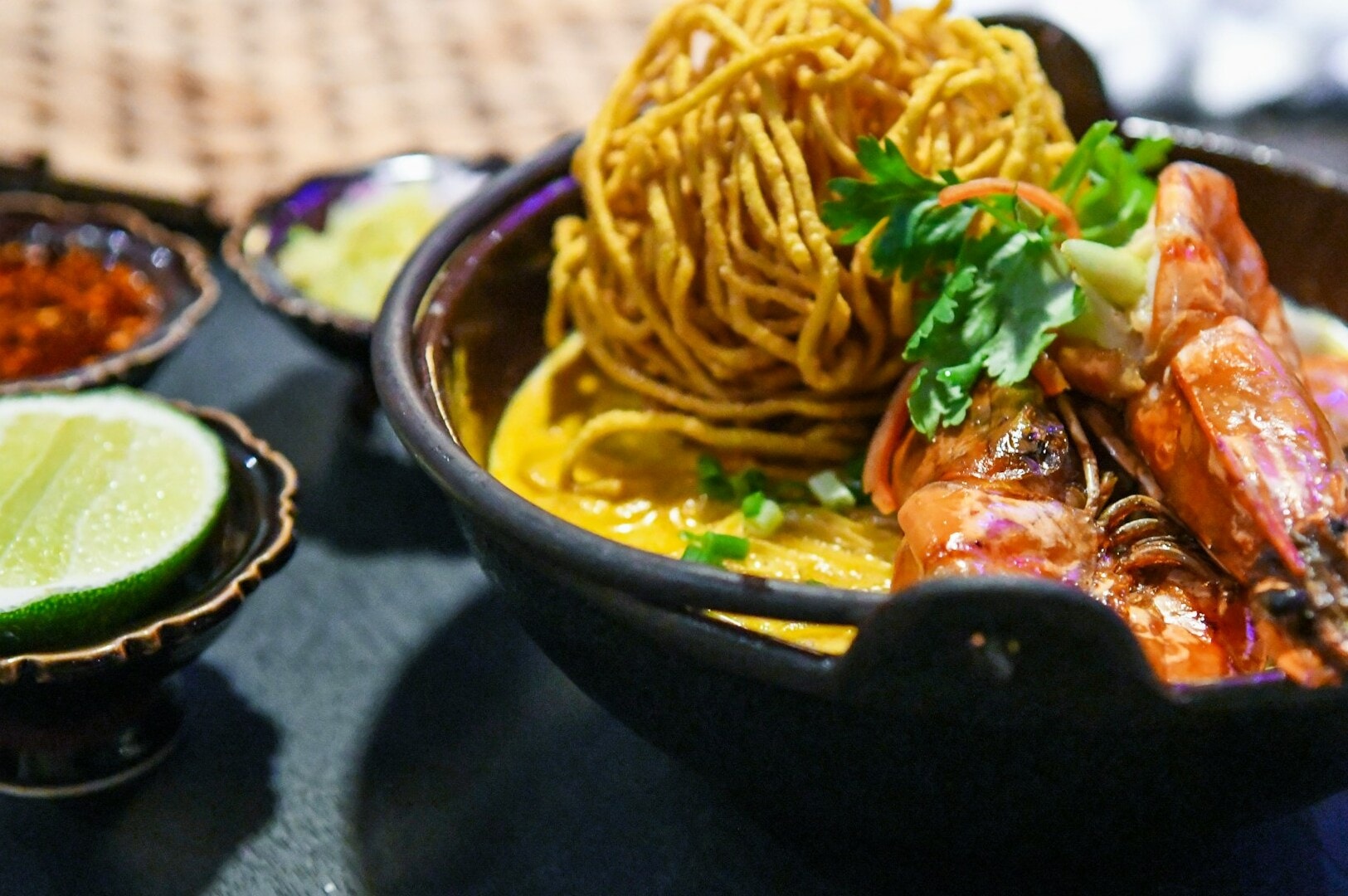
In Singapore, food is not just sustenance; it is a national sport, a conversation starter, and in recent years, a digital phenomenon. The city-state’s dining scene has always been vibrant, but the rise of TikTok and Instagram has supercharged how we discover and eat food. A single 15-second video can turn a quiet neighborhood stall into a queue-heavy destination overnight. Leveraging social media is one of the most effective ways for food businesses to gain visibility and drive trends. This is the era of viral Singapore food, where visual appeal meets culinary innovation, creating a dynamic feedback loop between our screens and our stomachs.
Social media has fundamentally shifted food trends in Singapore. It’s no longer just about word-of-mouth recommendations from an uncle at the kopitiam; it’s about the “cheese pull” on your feed, the wobble of a soufflé pancake, or the sheer scale of a “volcano” ramen. People now eat with their eyes first, drawn to dishes that look as good as they taste. When you try viral Singapore food, you can expect bold flavors, creative presentations, and innovative twists on both modern and traditional dishes. Yet, interestingly, this digital wave hasn’t just promoted modern gimmicks. It has also sparked a renaissance for traditional hawker fare, bridging the gap between heritage cuisine and the smartphone generation. In this deep dive, we explore the food sensations that captured social media and how they have reshaped the Singapore food industry.
What Makes Singapore Food Go Viral
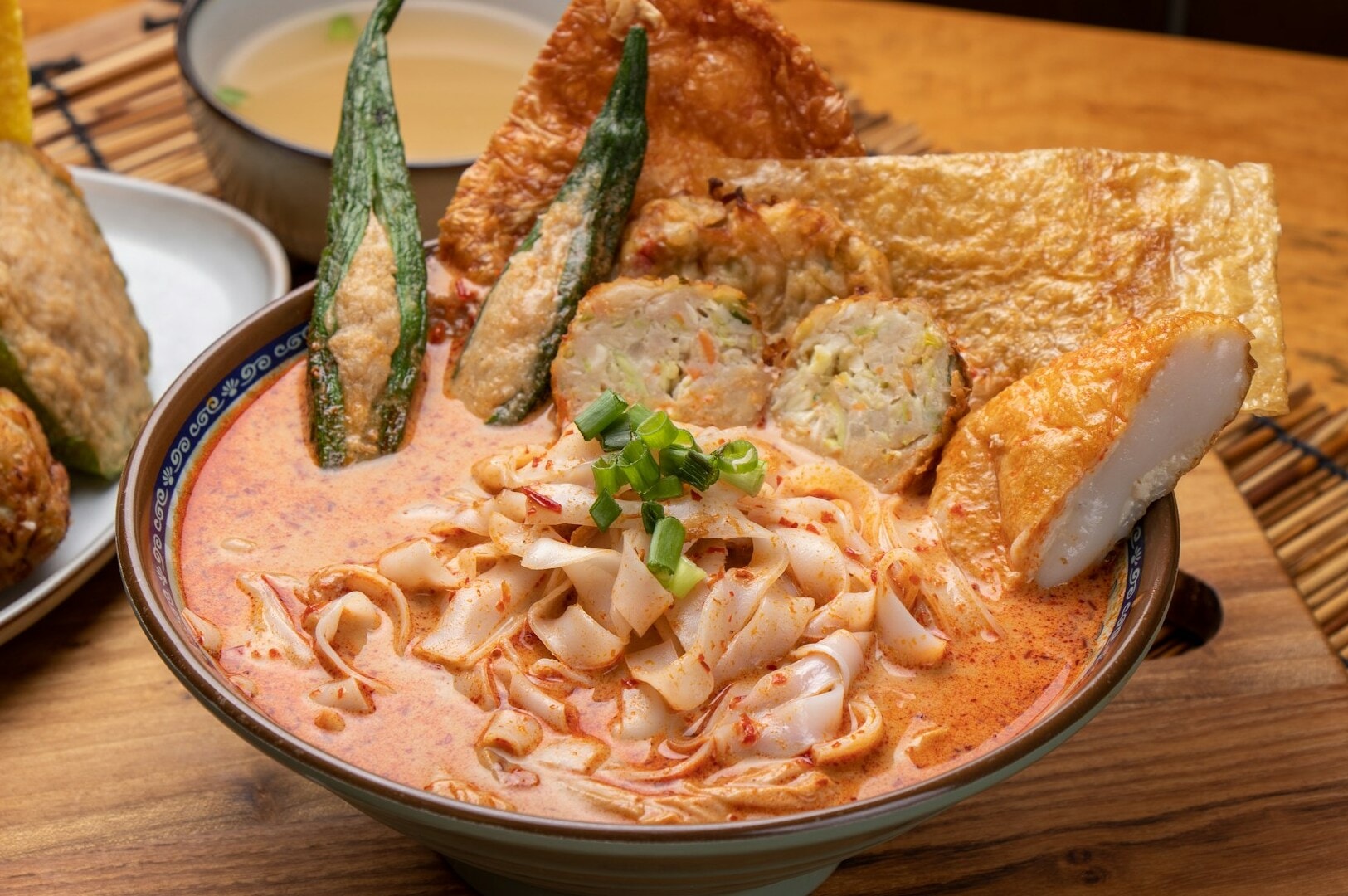
Not every delicious meal breaks the internet. For a dish to ascend to the status of viral Singapore food, it needs a specific alchemy of factors that compel people to hit “share.” Some of the most effective ways to make food go viral include leveraging influencer marketing and social media platforms.
For restaurant owners and food creators, tips such as experimenting with new flavors and sharing unique recipes can help attract attention and boost the chances of going viral.
Visuals That Demand Attention
First and foremost, the camera eats first. The most successful viral Singapore dishes are inherently photogenic or videogenic. Whether it’s the gravity-defying height of a tower burger, the mesmerizing swirl of a Galaxy-themed drink, or the delicate, soft textures of soft serve ice cream and soft mochi, visual impact is non-negotiable. Instagram viral Singapore food often features saturated colors, unique textures—such as the smooth, tender look of soft desserts—or interactive elements like pouring a molten sauce, all of which translate perfectly to video formats like TikTok and Instagram Reels.
Unexpected Twists and Scarcity
Beyond aesthetics, novelty drives engagement. We’ve seen a surge in “frankinfood” combinations—think Nasi Lemak burgers or Mala-flavored ice cream. These unique flavor profiles spark curiosity and debate, driving comments and shares. Offering pastries or dishes with different fillings, such as assorted profiteroles or stuffed murtabak, can also spark curiosity and go viral as people are eager to try and share the variety. Furthermore, the “FOMO” (Fear Of Missing Out) factor is powerful. Limited-time collaborations or pop-ups create urgency. When a famous overseas fast food chain like Eggslut or Mister Donut opens a Singapore outpost, the resulting three-hour queues become content in themselves, fueling the hype cycle even further.
Modern Fusion Creations That Broke The Internet
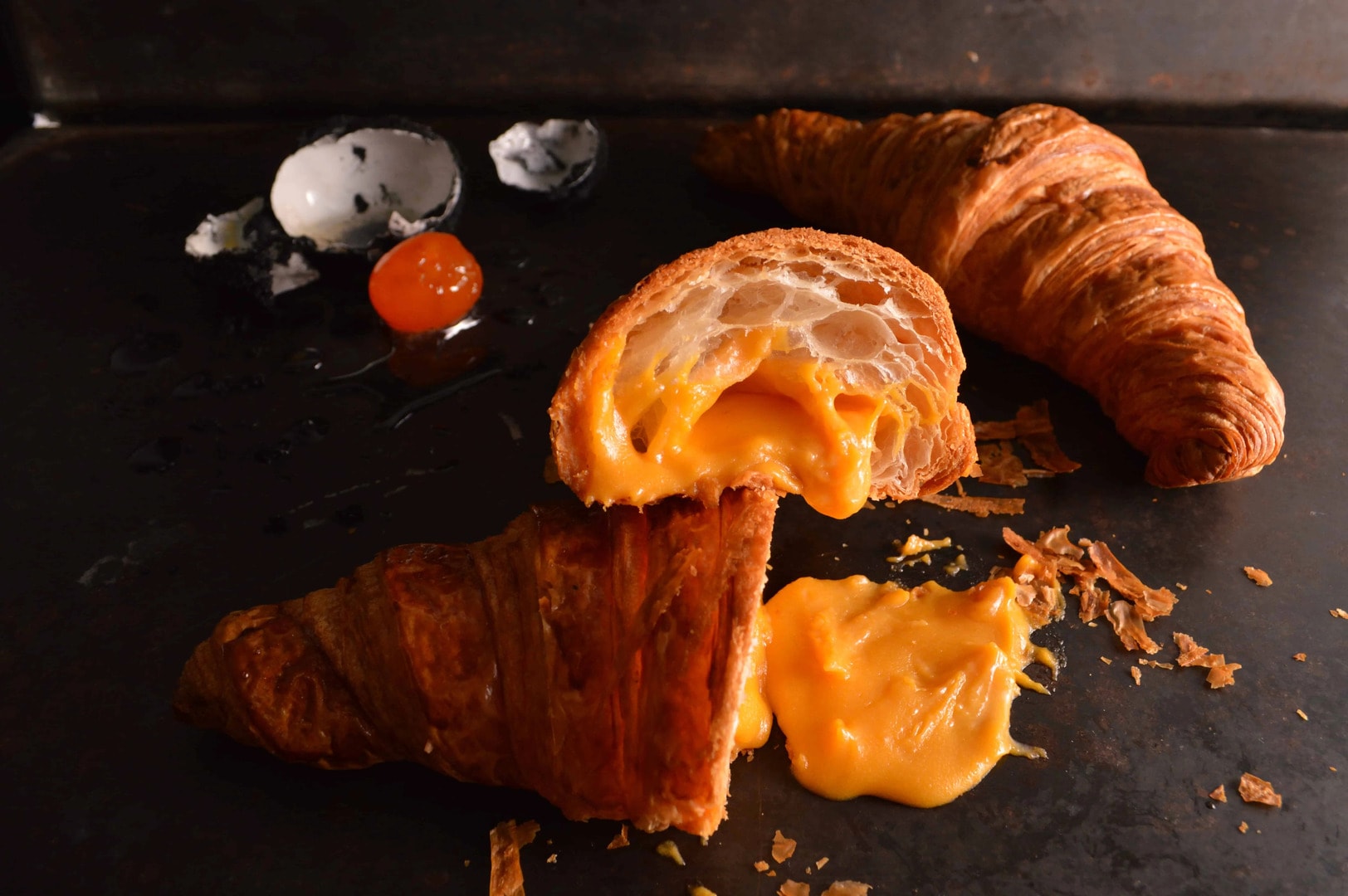
One of the most exciting aspects of trending Singapore food is the audacious fusion of cultures. Singapore’s multicultural heritage provides the perfect playground for chefs and food creators to experiment, often using ingredients like butter to enhance the richness and appeal of fusion bakery items, resulting in modern creations that resonate deeply with younger, digital-native audiences.
The Croissant Hybrid Revolution
Few items demonstrate the power of viral dishes Singapore social media loves more than the croissant hybrids. It started with the “Croffle” (croissant waffle), but Singapore bakeries took it further. The “Cruffin” (croissant muffin) from Bakery Brera became a massive hit, with its flaky layers and generous fillings like ferrero rocher or lemon curd oozing out for the camera. The use of sugar in glazes or fillings not only enhances their sweetness but also adds to their glossy, eye-catching appearance, making these pastries especially popular on social media. More recently, the circular “Cromboloni” took over TikTok feeds, with bakeries like La Levain in Jalan Besar serving these wheel-shaped, cream-filled pastries that are practically engineered for the perfect cross-section video.
Local Flavors in Global Formats
Fusion isn’t just about pastry. We’ve seen a massive trend of integrating distinct local flavors into Western formats. The “Nasi Lemak Burger” phenomenon, initially launched by McDonald’s but adopted by independent cafes like The Beast, proved that Singaporeans love seeing their national dish reimagined. Similarly, “Mala” (Sichuan numbing spice) has been added to everything from potato chips to pasta. These dishes go viral because they are familiar yet surprising, sparking conversations about authenticity and innovation. They bridge the gap between traditional palates and modern dining habits, making them irresistible to content creators looking for the next big scoop.
Heritage Dishes Rediscovered Through Social Media
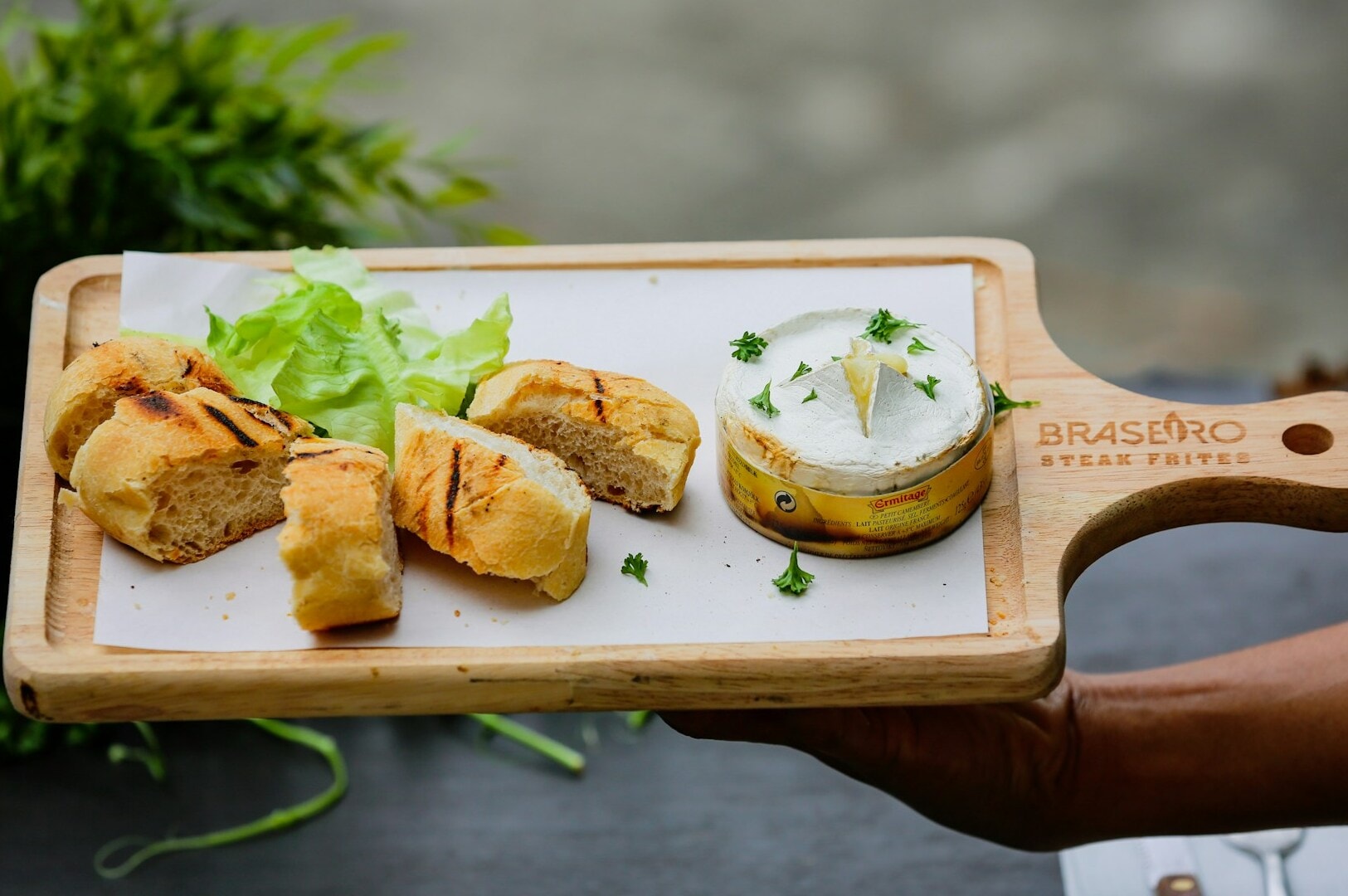
While new inventions grab headlines, social media has surprisingly become a guardian of tradition. Viral Singapore cuisine isn’t exclusive to the new; it’s also about rediscovering the old through a new lens. Sharing traditional recipes on social media helps preserve and popularize heritage dishes among younger generations, ensuring these important parts of food culture continue to thrive.
The Hawker Renaissance on TikTok
Younger generations are using platforms like TikTok to document and celebrate heritage hawker stalls. A perfectly executed plate of Char Kway Teow, with its smoky “wok hei” captured in high definition, can garner hundreds of thousands of views. Stalls like Hill Street Tai Hwa Pork Noodle gained a fresh wave of younger customers after viral videos highlighted the intricate preparation process of their Michelin-starred Bak Chor Mee.
Storytelling Preserves Culture
This trend does more than just sell noodles; it preserves culture. When a food vlogger interviews an elderly hawker about their 50-year-old soup recipe, it adds a layer of narrative depth that resonates with viewers. The virality comes not from gimmicks, but from authenticity. For example, the revival of traditional kueh (bite-sized snacks) among younger Singaporeans can be traced back to aesthetic “unboxing” videos of heritage brands like Ollella, which present traditional Peranakan treats in modern, gift-worthy packaging. These viral moments help traditional foods transition from “old fashioned” to “retro-cool,” ensuring their survival for another generation.
Aesthetic Food Trends and Presentation
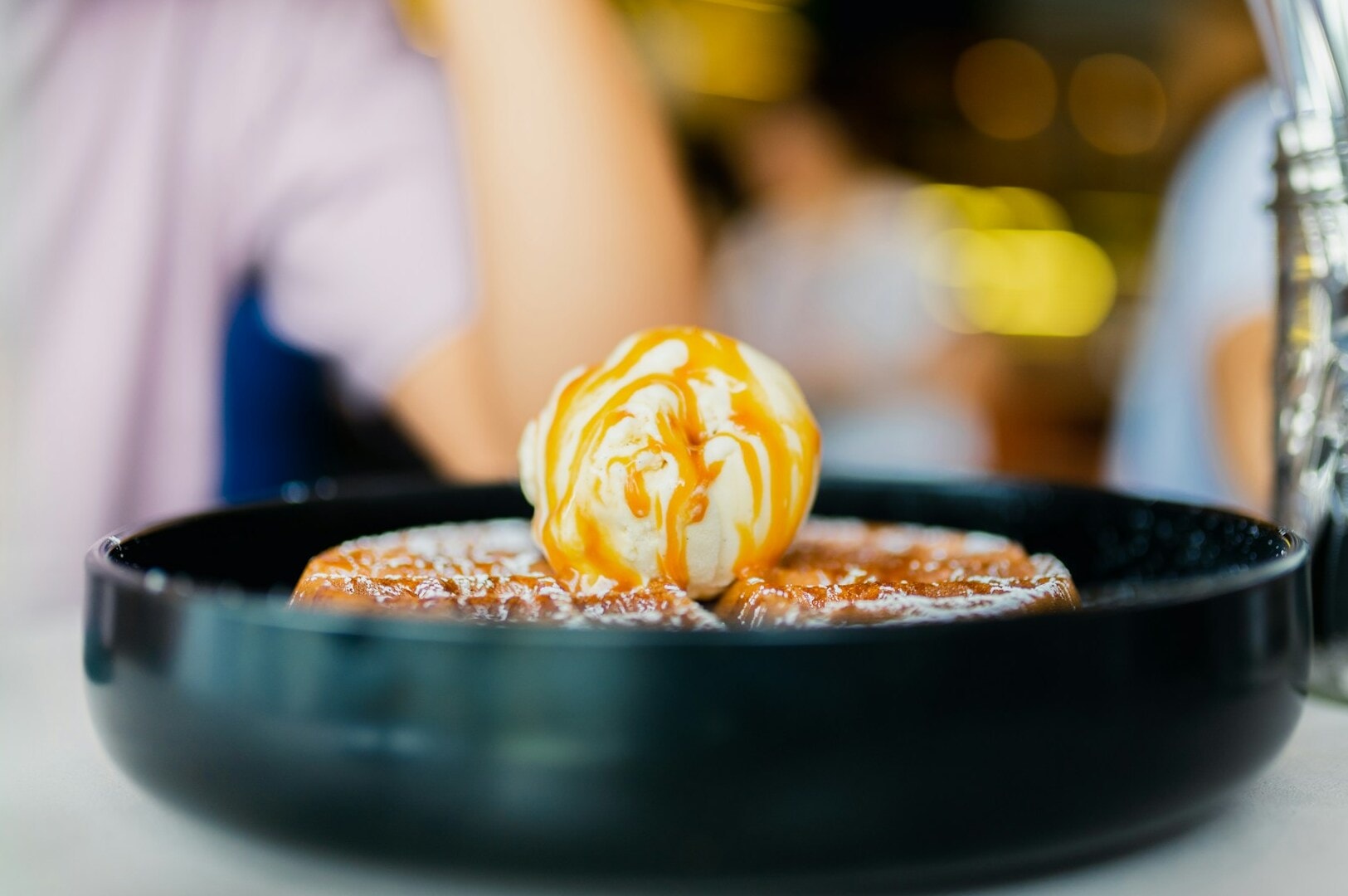
In the realm of viral Singapore food, presentation is king. The rise of aesthetic-driven cafes in neighborhoods like Tiong Bahru and Katong has set a new standard for how food is plated and perceived.
Designed for the Feed
We have entered an era where dishes are designed with the smartphone aspect ratio in mind. Cafe heavyweights like September Coffee and The Populus have mastered this, serving dishes that play with color contrast and texture. Think towering stacks of ricotta hotcakes adorned with edible flowers, seasonal fruits, and vibrant syrups. It’s not just breakfast; it’s art.
The “minimalist” aesthetic has also trended heavily, with places like Hvala offering Japanese-inspired matcha desserts that are stark, clean, and incredibly pleasing to the eye. The stark contrast of deep green matcha against minimalist ceramic ware creates a “zen” vibe that diners today love to curate on their Instagram grids. These restaurants understand that in the world of Singapore food trends, the environment and the plating are as consumable as the food itself. The lighting is often tuned for photography, and the table surfaces are chosen to provide the perfect flat-lay background.
Iconic Singapore Food: Chicken Rice and Chili Crab
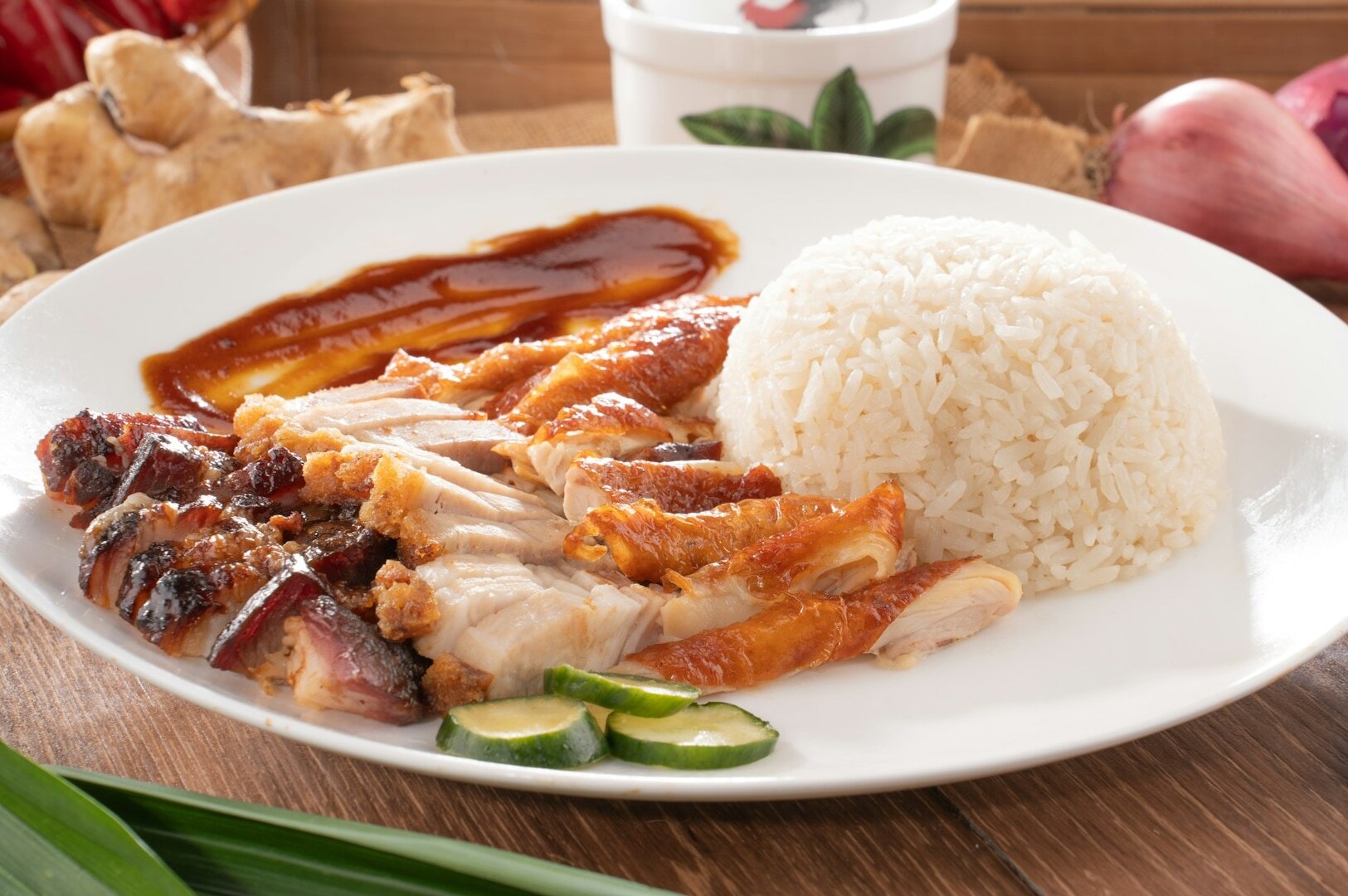
No discussion of Singapore food is complete without mentioning two of its most beloved dishes: chicken rice and chili crab. These dishes have not only stood the test of time but have also found new life in the digital age.
Chicken Rice: The National Comfort Food
Chicken rice is often considered Singapore’s national dish, loved by locals and tourists alike. The simplicity of tender chicken served with fragrant rice cooked in chicken broth, accompanied by chili sauce, ginger paste, and sometimes dark soy sauce, creates a satisfying meal that is both comforting and delicious. Stalls at Maxwell Food Centre and other famous food courts continue to draw loyal customers who swear by their favorite versions. The dish’s widespread adoption is a testament to its enduring appeal.
Chili Crab: A Seafood Sensation
Chili crab is another iconic dish that embodies Singapore’s diverse flavors. Fresh seafood, especially mud crabs, are cooked in a rich, sweet, and slightly spicy tomato-based sauce that’s perfect for dipping fried mantou buns. The dish’s popularity has inspired many restaurants to innovate with variations in sauce and spice levels, catering especially to tourists looking for authentic local experiences. Its presence in social media marketing campaigns has helped maintain its status as a must-try dish in Singapore.
Food Courts and Hawker Culture: The Heart of Singapore Food
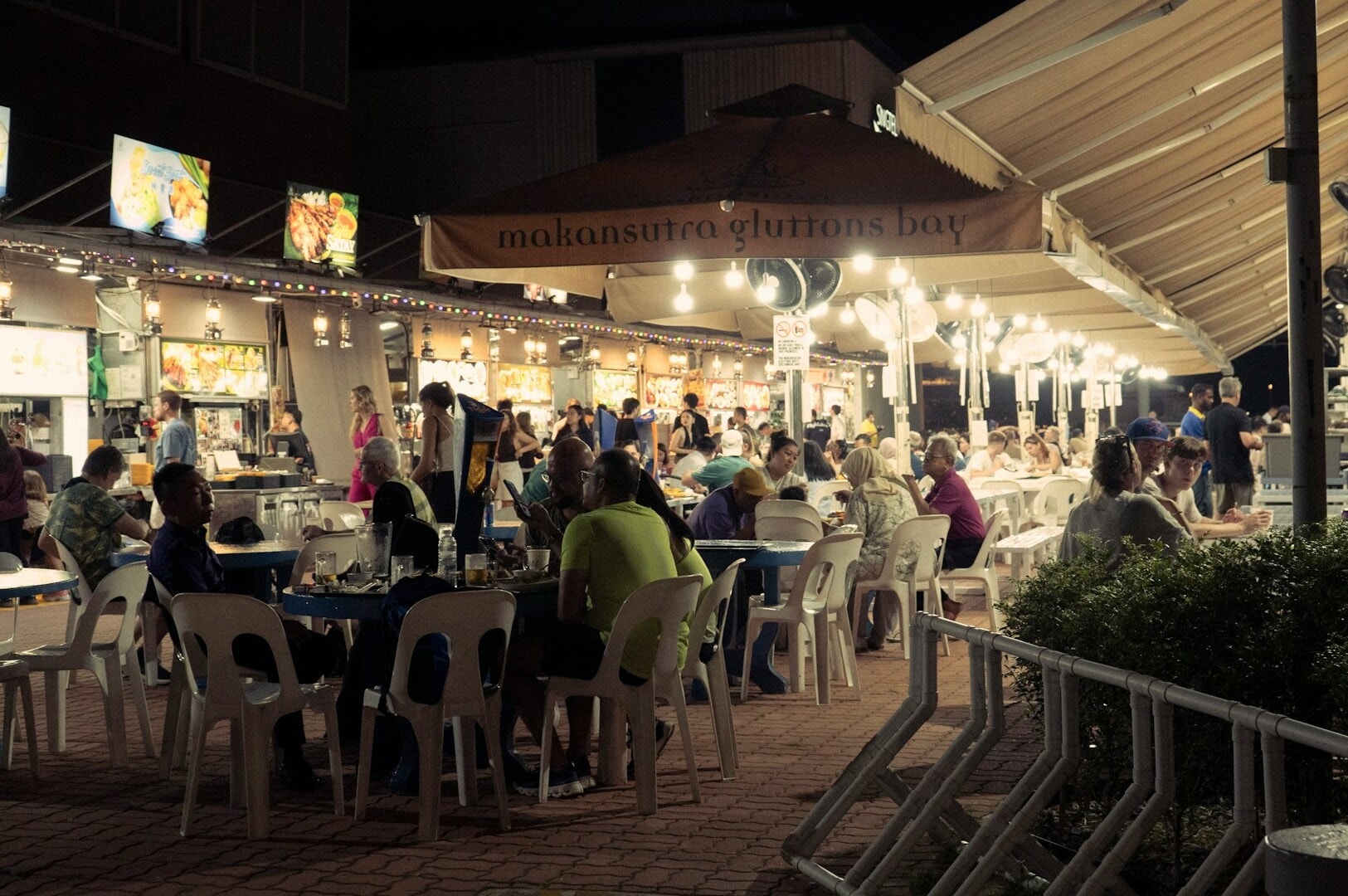
Food courts remain the beating heart of Singapore food culture, offering a diverse range of dishes in a casual setting that reflects daily life in the city.
Maxwell Food Centre and Beyond
Maxwell Food Centre is one of the most famous hawker centres where locals and tourists alike gather to enjoy affordable, authentic Singapore food. From bak kut teh, a hearty pork rib soup with herbal flavors, to nasi padang, a Malay rice dish served with an assortment of curries and side dishes, food courts provide a convenient and diverse menu for every palate. These communal spaces also serve as incubators for new food trends, where innovative dishes can quickly gain traction among diners.
Convenience and Variety
Food courts offer satisfying meals that combine convenience with quality, often featuring mixed dishes with noodles, meat, vegetables, and other ingredients. The presence of fast food chains alongside traditional stalls illustrates Singapore’s culinary diversity. This blend caters to the city’s fast-paced lifestyle, where delivery services and takeaway options are increasingly popular.
Milk Tea and Shaved Ice: Sweet Treats That Captivate
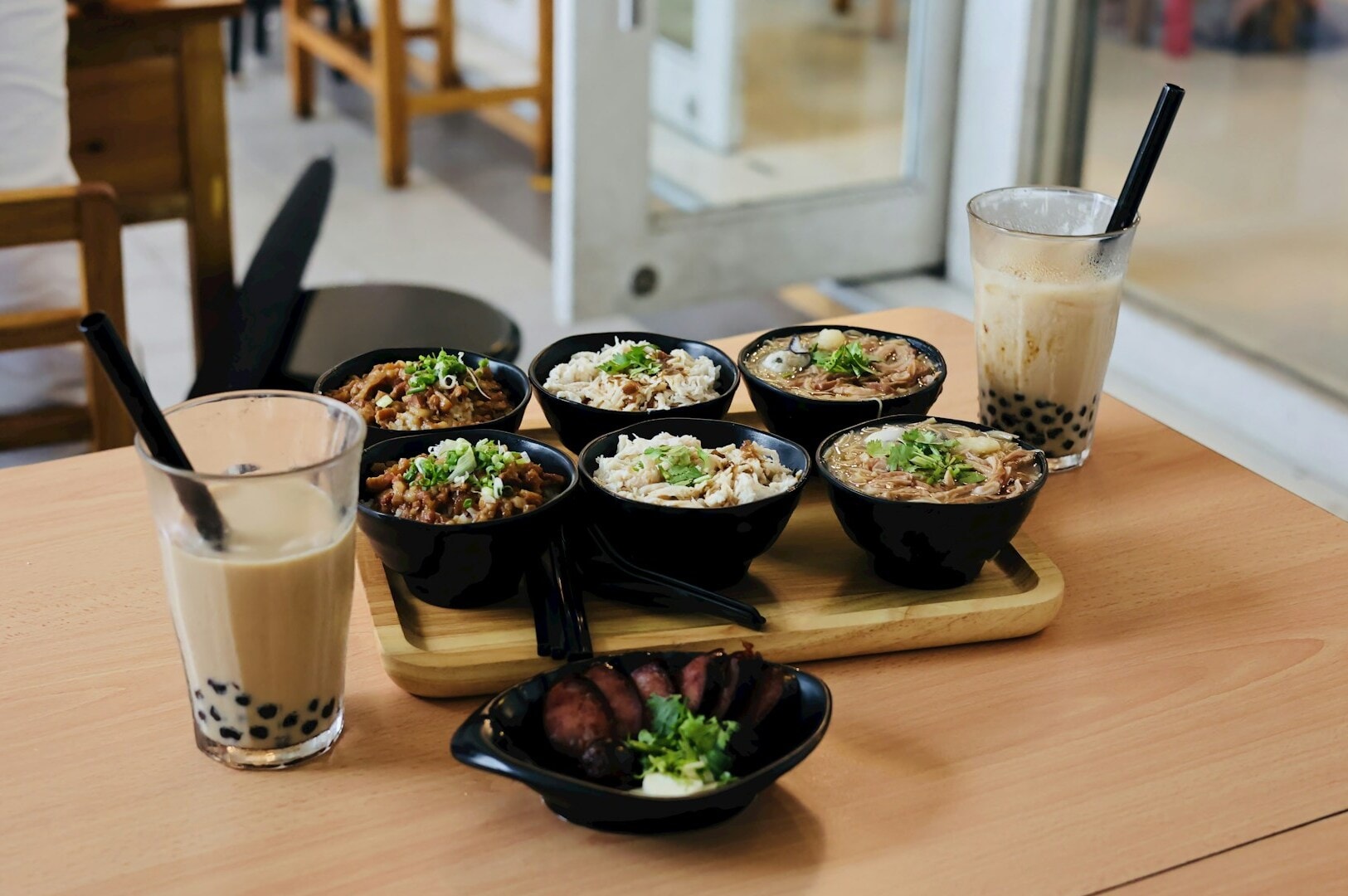
Sweet drinks and desserts are integral to Singapore’s viral food culture, with milk tea and shaved ice leading the charge.
The Milk Tea Craze
Milk tea, including bubble tea and other variations, has seen widespread adoption across Southeast Asia and remains a staple for many Singaporeans. Brands like Starbucks have localized their menu with unique flavors, while independent tea shops experiment with toppings like black sesame and gluten-free pearls. Milk tea’s visual appeal and customizable options make it a favorite among food creators and social media influencers.
Shaved Ice and Other Desserts
Shaved ice desserts, often topped with sweet syrups, fruits, and beans, offer a refreshing treat in Singapore’s tropical climate. Variations like ice kacang have evolved to include innovative toppings and presentations that are perfect for Instagram. These desserts not only satisfy sweet cravings but also showcase the city’s blend of cultural influences and culinary creativity.
Ethical Considerations and Local Ingredients in Food Trends
As restaurant owners and food brands navigate the viral food landscape, ethical considerations and the use of local ingredients have become increasingly important.
Sustainability and Responsible Cooking
More people are conscious of the environmental and social impact of their food choices. Restaurants are responding by incorporating local ingredients and sustainable practices into their menus. This focus not only appeals to health-conscious diners but also helps businesses stay relevant in a competitive market.
Balancing Trendiness with Tradition
While viral dishes often emphasize novelty and visual appeal, many successful establishments balance these elements with nutritional quality and honest reviews. This approach ensures that customers return for the taste and quality, not just the hype.
Nasi Lemak, Bak Kut Teh, and Nasi Padang: Traditional Favorites in a Modern Era
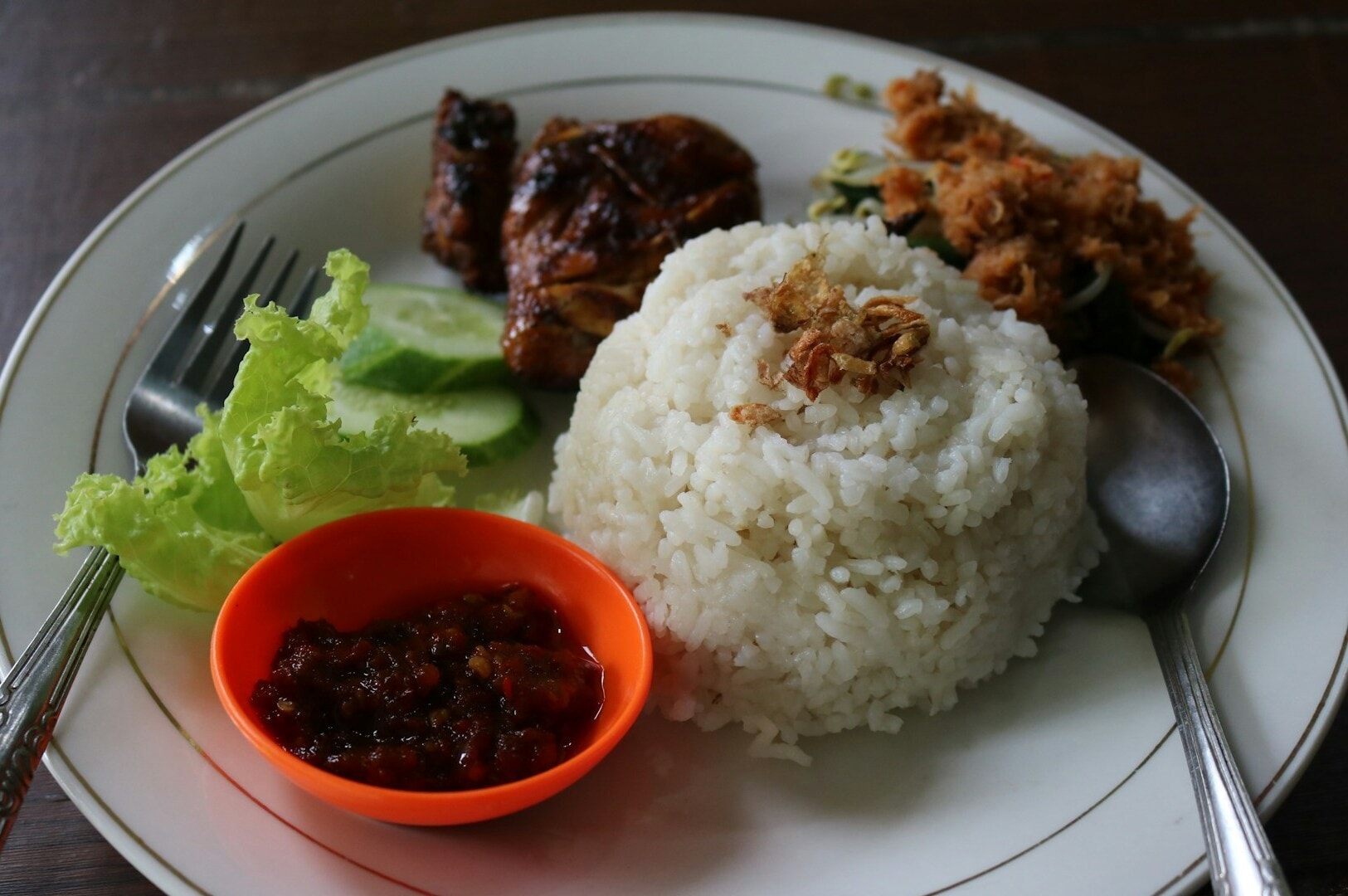
Traditional dishes like nasi lemak, bak kut teh, and nasi padang continue to thrive in Singapore’s food scene, often finding new audiences through social media.
Nasi Lemak: The Fragrant Classic
Nasi lemak, with its coconut milk-infused rice, spicy sambal, and mixed toppings including fried egg and anchovies, remains a beloved dish. Its versatility and rich flavors make it a favorite for breakfast or dinner. Modern versions often cater to dietary preferences, including gluten-free and vegetarian options.
Bak Kut Teh: Hearty and Healing
Bak kut teh, a pork rib soup infused with herbs and spices, is cherished for its comforting qualities and health benefits. Stalls across the city offer variations in broth richness and ingredient combinations, appealing especially to locals seeking a nourishing meal.
Nasi Padang: A Diverse Culinary Experience
Nasi padang showcases the diversity of Southeast Asian flavors, serving rice with an array of spicy and savory side dishes. Its communal style of dining fits well with Singapore’s social food culture, and its presence in food courts ensures accessibility for all.
Conclusion
The influence of social media on our plates is undeniable. From revitalizing heritage hawker stalls to birthing entirely new fusion concepts, viral Singapore food has expanded the boundaries of our culinary imagination. Viral food trends have a significant impact on various groups, especially those who are active on social media or seeking new dining experiences, such as young audiences and tourists. While it can be tempting to chase every new trend that pops up on your feed, the true joy of Singapore’s dining scene lies in the balance.
By all means, visit the latest TikTok-famous spot and get that perfect shot. But don’t forget to revisit the quiet, unassuming corner shop that has been serving the same perfect bowl of noodles or chicken rice for decades without a hashtag in sight. As we look to the future, the most enduring viral moments will likely be the ones that marry digital excitement with the timeless values of good taste, quality, and hospitality.
You may also enjoy reading Nyonya Food & Peranakan Cuisine: Singapore’s Hottest Food Trend in 2025 and Celebrity Chefs: Spotting Where Famous Culinary Artists Are Opening in Singapore for a deeper look into the trends and personalities shaping Singapore’s ever-evolving dining scene.
