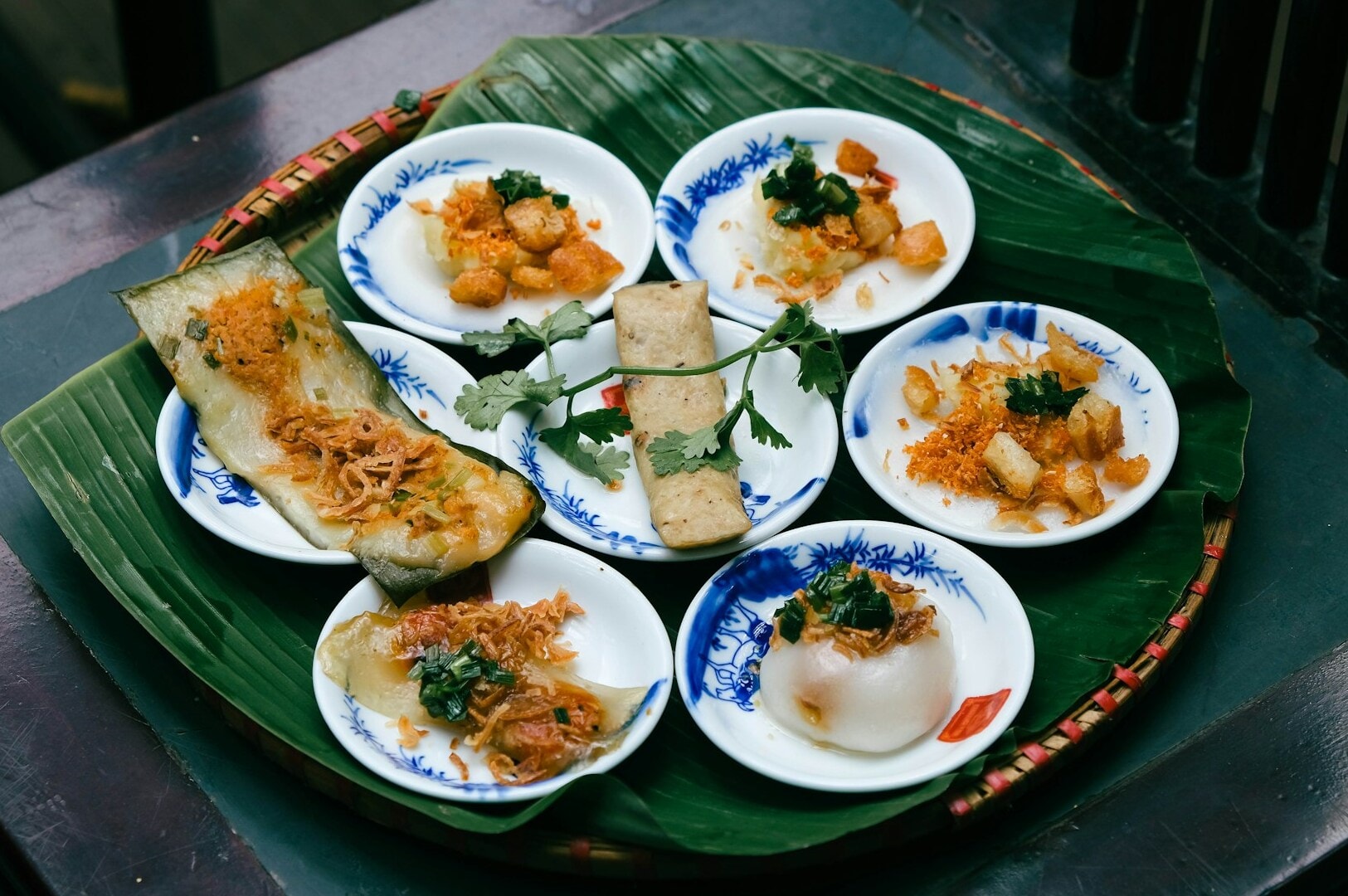
There is a culinary movement stirring in Singapore, one that is both a loving homage to the past and a bold leap into the future. Modern Peranakan cuisine, with its unique blend of Chinese and Malay influences, is at the forefront of Singapore’s food evolution. This distinctive fare is not just heritage—it’s now a headline act in the best Peranakan restaurants in Singapore, redefining what “authentic Peranakan food” means.
Peranakan food in Singapore was once in danger of disappearing, as the elder Bibiks aged and younger generations sought more convenience. Yet a new appreciation for authentic Nyonya cuisine has sparked a modern revival, with passionate chefs and food lovers rescuing classic Peranakan dishes from the brink and turning them into must-try local food experiences.
Modern Peranakan Cuisine: Blending Tradition and Trend
What sets the modern Peranakan movement apart are signature dishes that surprise and delight with fresh perspectives on Nyonya cuisine:
- Deconstructed Laksa and Modern Interpretations: Classic nyonya laksa is reborn with playful textures, such as laksa-infused risotto, deep fried soft-shell crab, or a laksa espuma foam, yet retains the essence of coconut milk, lemongrass, and spicy gravy.
- Innovative Uses of Buah Keluak: Once limited to ayam buah keluak, chefs now blend the iconic nut into Wagyu beef rendang, decadent dark chocolate desserts, or umami sauces for western-style premium cuts.
- Reinvented Kueh and Desserts: Ondeh ondeh bonbons, durian pengat pancakes, and modern renditions of kueh salat are plated as exquisite interior showpieces—both visually stunning and rich in authentic Peranakan flavors.
- Fusion & New Ingredient Pairings: Peranakan chefs aren’t afraid to deep fry chicken pieces, marinate pork belly overnight with garam assam, or even pair grains with grated coconut cream for innovative textures.
- Contemporary Western Techniques Meet Tradition: Expect Nyonya chap chye terrines, dry laksa pasta, and even French-inspired kueh pie tee with foie gras for a true blend of traditional Straits Chinese cuisine with global influences.
Where to Find The Best Peranakan Restaurants in Singapore
Discover the best restaurants for Peranakan food Singapore has to offer, where traditional food meets modern twist in vibrant dining settings. Whether you’re craving assam fish head curry, hakka fried pork, or gula melaka desserts, these multiple locations across Orchard Road, Joo Chiat, and Parkway Parade promise a memorable meal with set meals and dine ins that celebrate Peranakan heritage and rich flavors. Enjoy Peranakan cuisine at its finest and immerse yourself in Singapore’s culinary tradition.
1. Ivins Peranakan Restaurant
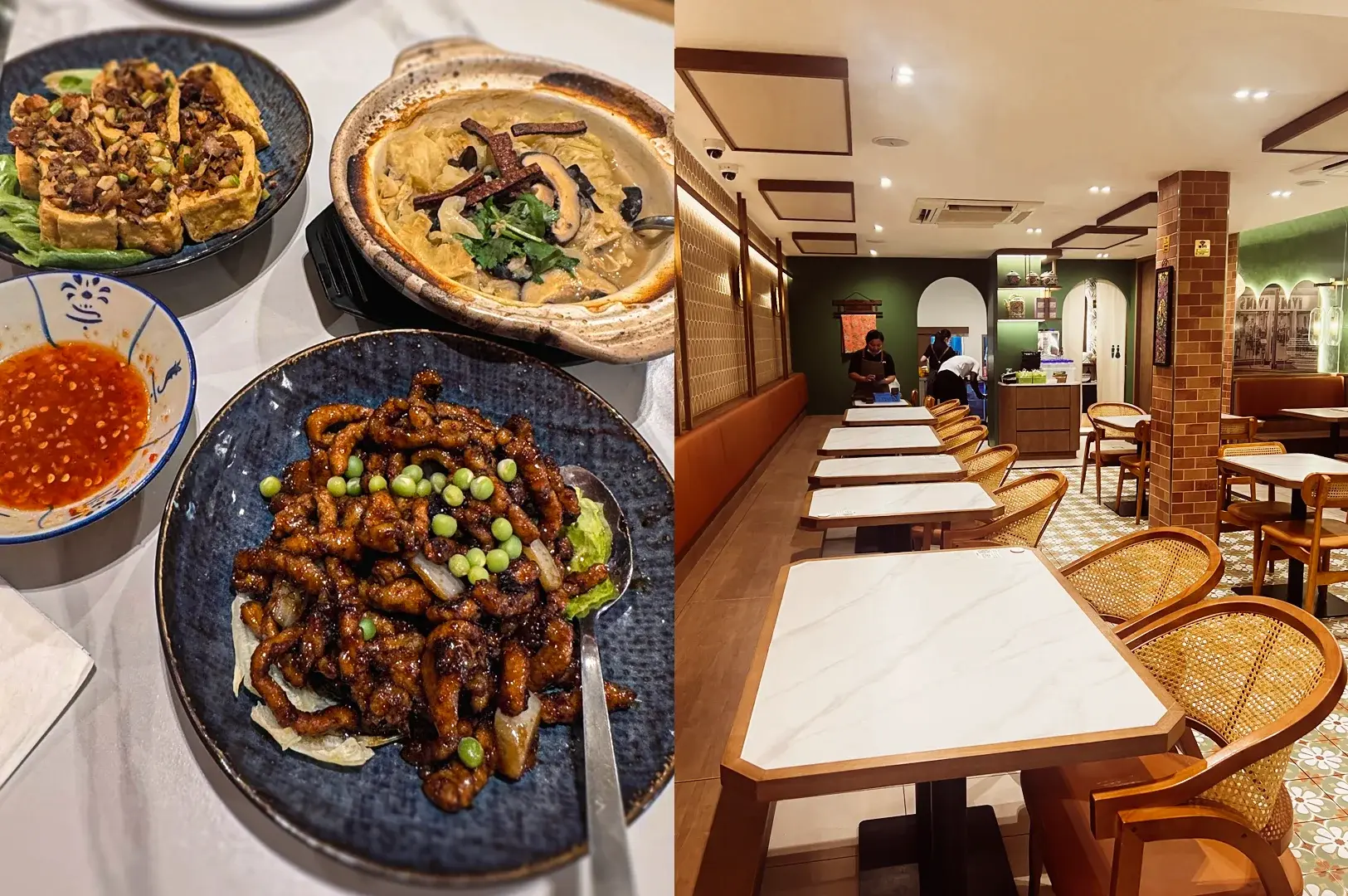
Tucked away in quiet suburban corners, Ivins Peranakan Restaurant offers a deeply nostalgic dining experience. The atmosphere here is unpretentious and incredibly welcoming, reminiscent of a bustling family dining room.
Diners flock to Ivins for their exceptionally affordable Peranakan food, enjoying home-style plates that capture the essence of traditional Peranakan cuisine.
2. Chilli Padi Nonya Restaurant
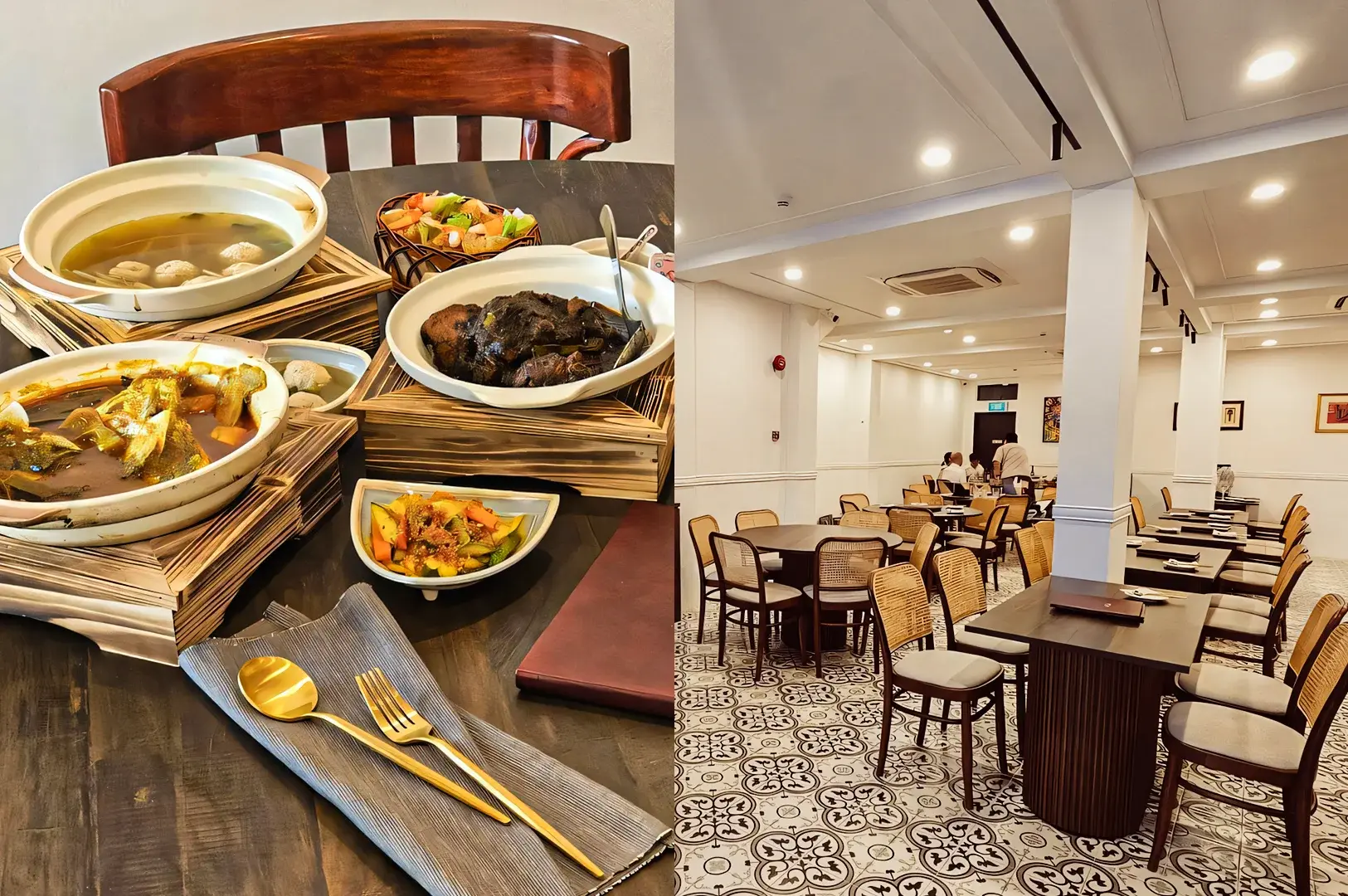
For those exploring the vibrant, heritage-rich streets of Joo Chiat, Chilli Padi Nonya Restaurant stands as a colorful culinary landmark. Housed within a beautifully restored shophouse, the vibrant interior mirrors the bright, punchy flavors of the food. This mid-range Peranakan restaurant is celebrated for its authentic Peranakan food, featuring traditional dishes like their legendary cabbage rolls, honey belacan chicken wings, and assam prawns.
3. Bibik’s Peranakan Kitchen
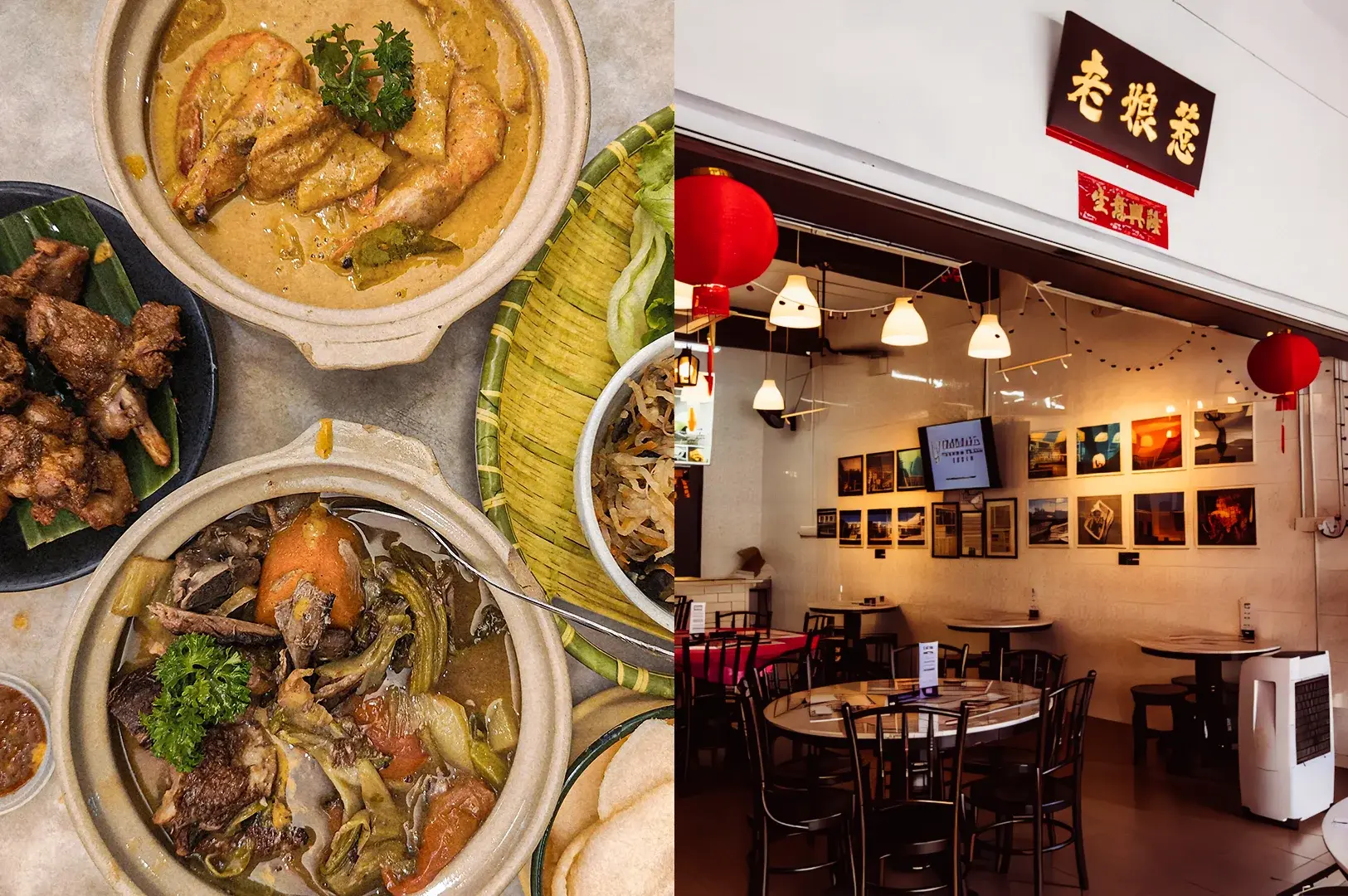
When you’re looking for nourishing comfort that honors tradition, Bibik’s Peranakan Kitchen offers exactly the kind of mindful dining experience that makes you feel good inside and out. This welcoming spot understands that authentic flavors and thoughtful eating can absolutely go hand in hand, especially when you’re exploring the rich, soul-satisfying world of Peranakan cuisine without stretching your budget.
For those who appreciate refined dining experiences beyond Peranakan cuisine, exploring the exquisite seasonal seafood offerings at Sushi Masa by Ki-setsu, one of the best Japanese omakase restaurants in Singapore, is highly recommended.
What’s Buzzing Lately: Other Modern Peranakan Restaurants
Bonding Kitchen (Orchard Road)
Bonding Kitchen is a modern Peranakan restaurant situated along Orchard Road, celebrated for its fresh take on traditional Peranakan cuisine. Chef Danny Chew, the chef owner, combines authentic rempah blends with contemporary cooking techniques to create dishes that honor heritage while appealing to modern palates. One of their standout offerings is the Wagyu Beef Rendang, featuring tender, richly marbled wagyu slow-braised in a fragrant spice paste, delivering bold and complex flavors.
Baba Chews (Joo Chiat)
Situated in the historic Joo Chiat Police Station, Baba Chews is a modern Peranakan restaurant that blends heritage with contemporary flair. Popular dishes such as sambal prawns and babi buah keluak are crafted using fresh ingredients and time-honoured recipes. Baba Chews also offers a weekend brunch menu, perfect for experiencing Peranakan flavors in a relaxed atmosphere.
National Kitchen (Ion Orchard)
National Kitchen by Violet Oon Singapore is a Michelin starred Peranakan restaurant that celebrates Singapore’s Peranakan heritage through refined, authentic dishes. Signature dishes like babi pong teh and kuay pie tee are staples here, alongside other popular dishes such as nonya chap chye and sambal udang.
Why The Best Peranakan Food Resonates with Today’s Food Lovers
There’s a deep nostalgia and authenticity in Nyonya food and Peranakan fare. The complexity of rempah, tangy flavors of tamarind, and spicy gravies speak to modern diners craving food with a story. Plated beautifully, these dishes—such as udang masak lemak nenas or minced pork-stuffed kueh—are as Instagram-worthy as they are delicious, especially when paired with bold colours, artistic garnishes, and traditional Peranakan ceramics.
Looking Ahead: Peranakan Cuisine in a New Era
Modern Peranakan food is Singapore’s hottest trend because it connects us to tradition while delighting with innovative peranakan food creations. As chefs continue to experiment with fermentation, heirloom vegetables, and plant-based takes on ayam buah keluak and chap chye, Peranakan cuisine will only grow more dynamic and global. If you haven’t yet, make a weekend date for the best Peranakan food—be it a modern Peranakan restaurant, Peranakan inn, or casual eatery—and taste the evolution of Singapore’s beloved food heritage for yourself. In every spicy stew, you’ll find a bridge between past and future, tradition and trend.
