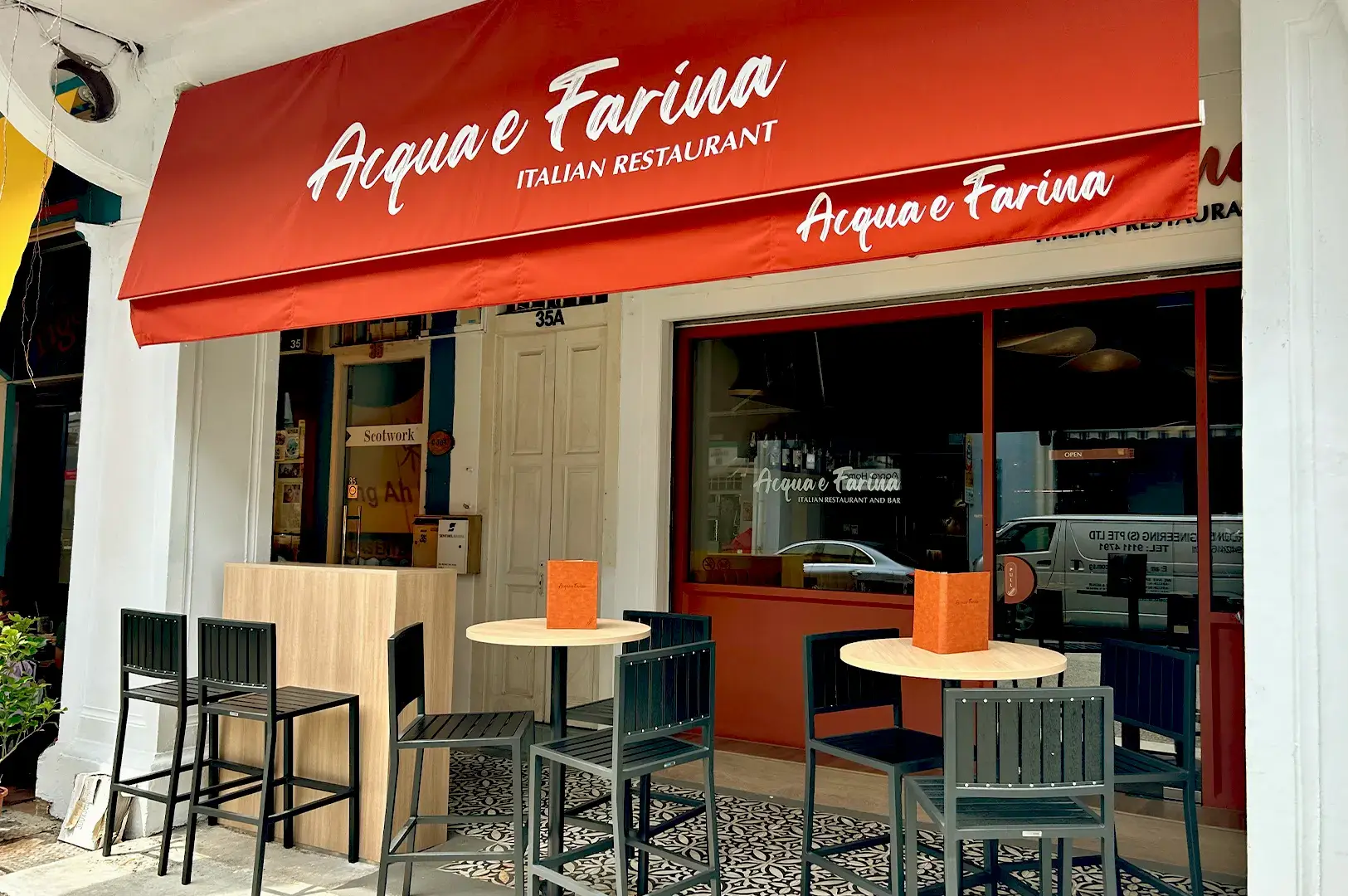
Acqua e Farina, just the name itself felt like a steady place with a refreshing breeze. I was right too. Upon checking, they seem to have a reputation for warm service, top quality ingredients, handmade dough, pasta, and a menu that connects Naples in the south with Milan in the north.
That was enough for me to be fully drawn to this place. For diners who are curious of the appeal, it’s in how approachable the meal feels. The restaurant keeps its Italian cuisine generous and comforting, but there is still enough balance on the table if you share well and choose with a little care.
Acqua e Farina Keong Saik Road at a Glance
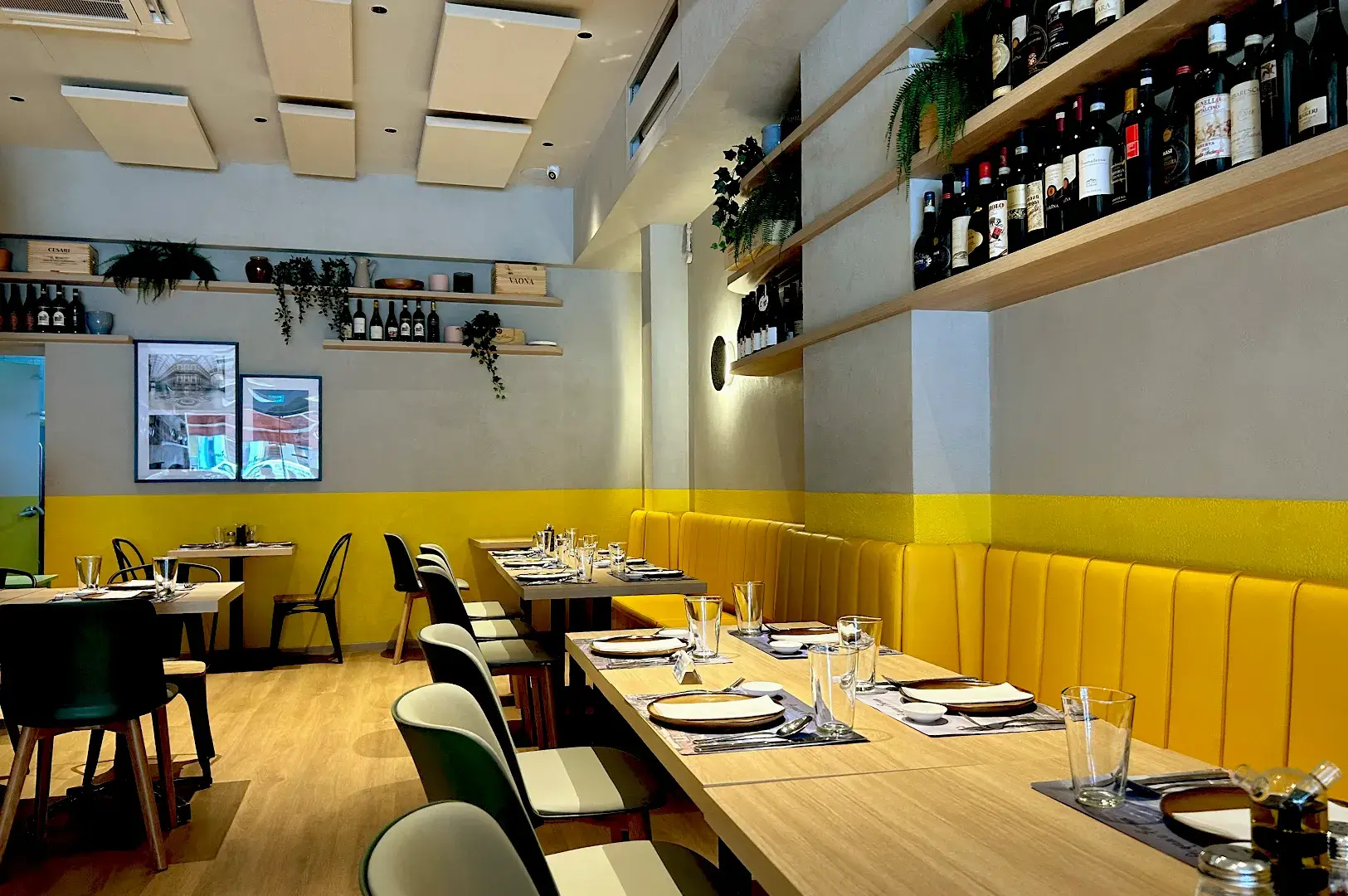
The Acqua e Farina I visited is located at 35A Keong Saik Road, Singapore 089142. The Keong Saik outlet opens Monday to Saturday from 11:30am to 2:30pm and 5:30pm to 10:30pm, while Sunday dinner ends slightly earlier at 10:00pm.
The restaurant suits diners who want Italian food in Singapore that feels casual, warm, and carefully cooked without becoming stiff. Its menu covers pizzas, pasta, risottos, mains, desserts, wines, and drinks, with gluten-free pasta and pizza options available upon request.
Starters and Sharing Plates at Acqua e Farina
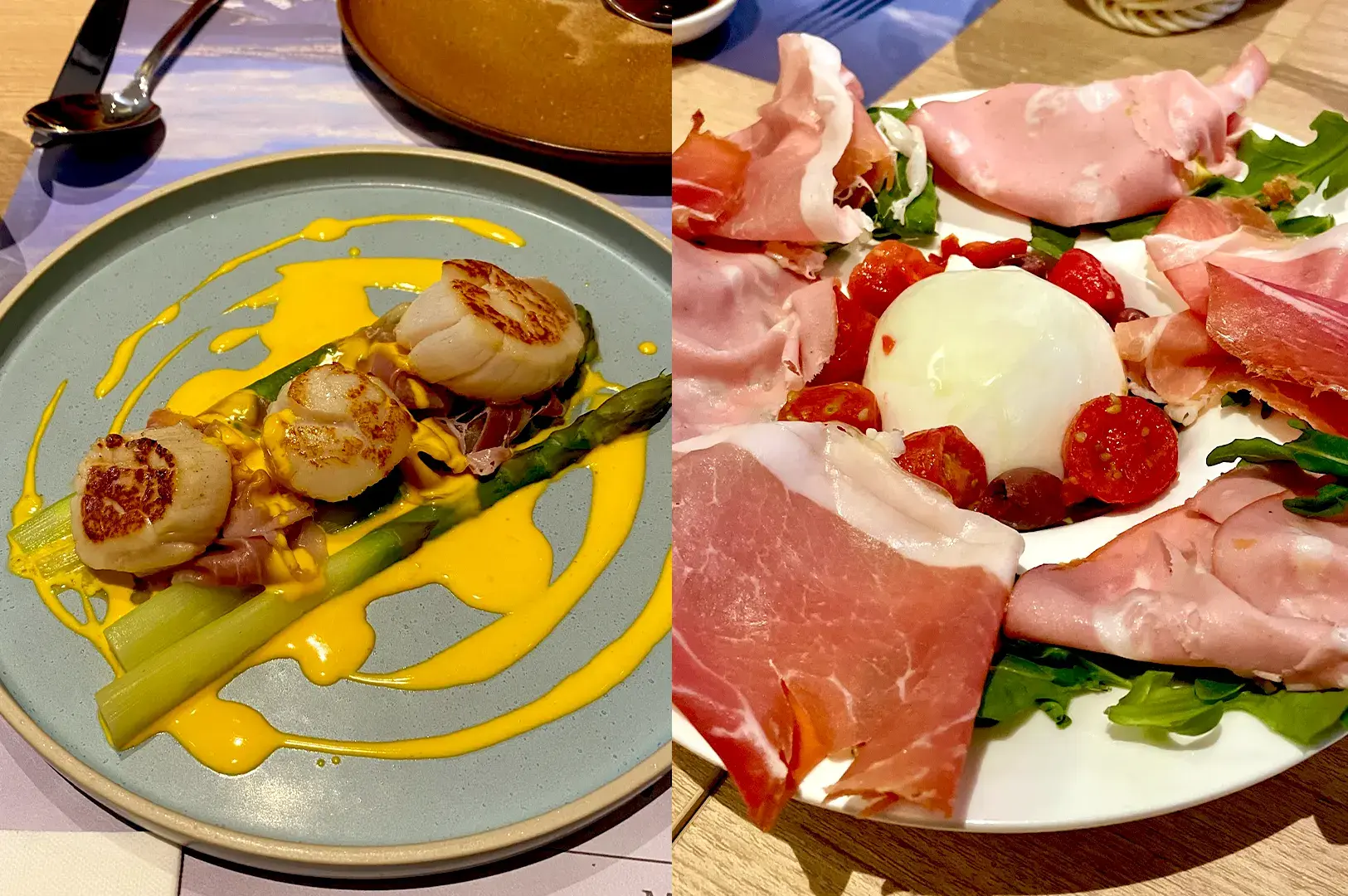
For starters, the Tegamino con Cipolle, Asparagi e Guanciale at S$33 is a good place to begin. It brings together sweet braised onions, green asparagus, and pan fried guanciale, with the guanciale adding savoury depth without making the dish feel like one heavy block of food.
The Burratina con Parma Ham and Mortadella at S$34.80 is a useful sharing starter, especially if the table wants burrata before moving into richer dishes. The Melanzane alla Parmigiana at S$27 is also worth considering, with baked eggplant layered with mozzarella, tomato sauce, parmesan cheese, and basil.
Pizza Montanara, Margherita, and Diavola at Acqua e Farina
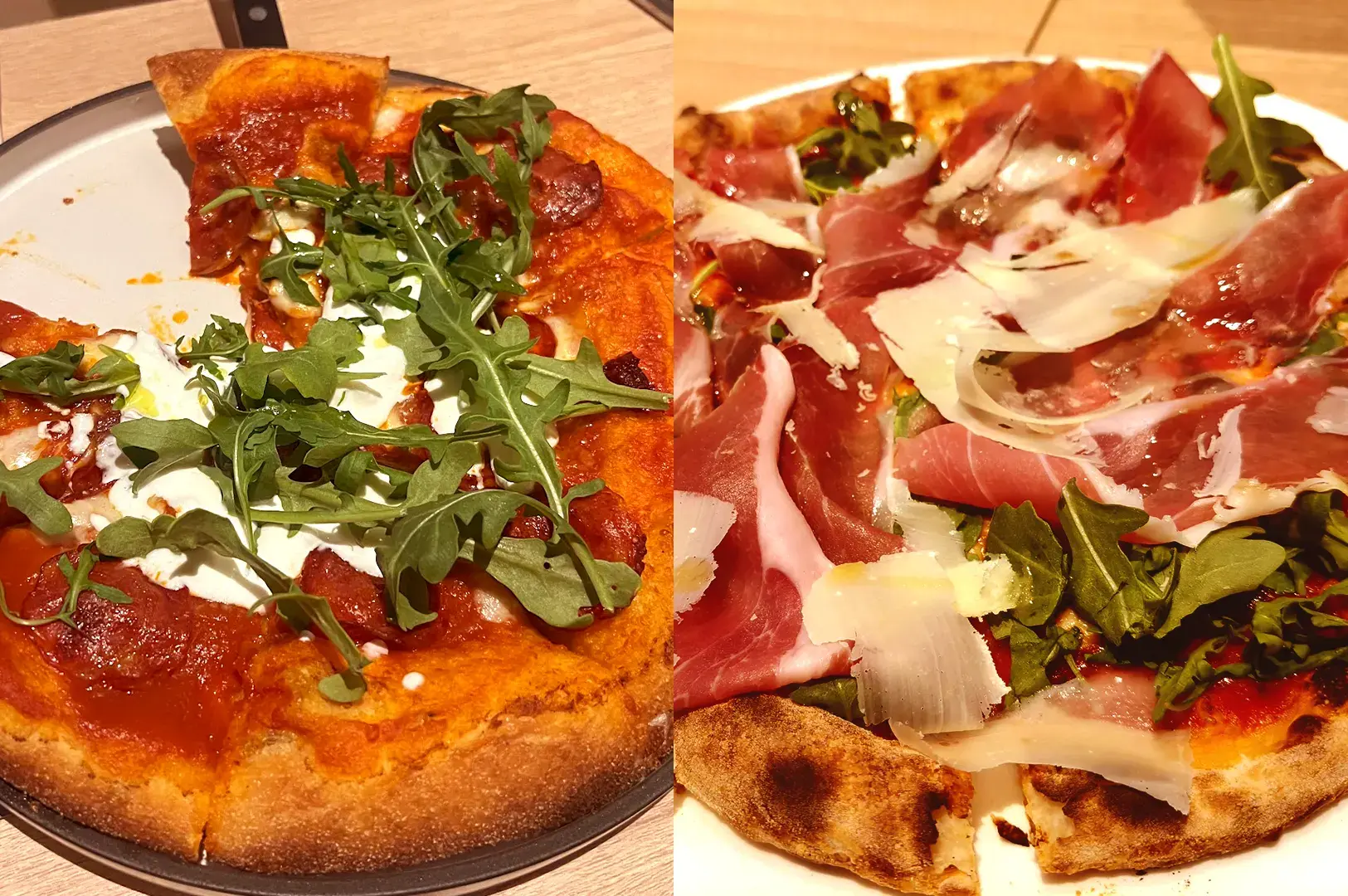
Pizza is where the flour side of acqua e farina becomes easiest to understand. I went for the Pizza Montanara for S$38, partly because the dough is first deep fried, then baked, which sounds heavier than it actually felt once it reached the table.
The toppings gave it enough richness without turning the meal into a block of cheese and meat. Naples-style tomato, pork salami, spicy nduja paste, burrata, and basil made it bold, but the tomato kept it from feeling flat or overly greasy.
The Pizza Montanara Acqua e Farina (not to be confused with the first pizza) at S$38 is the one I would vouch for, especially for its tomato, pancetta Italian pork belly, sautéed spinach, and ricotta cheese combination. For something simpler, the Pizza Margherita at S$25 gives diners a calmer way into the pizzas without overcomplicating the meal.
Pasta, Risottos, and the E Farina Side of the Menu
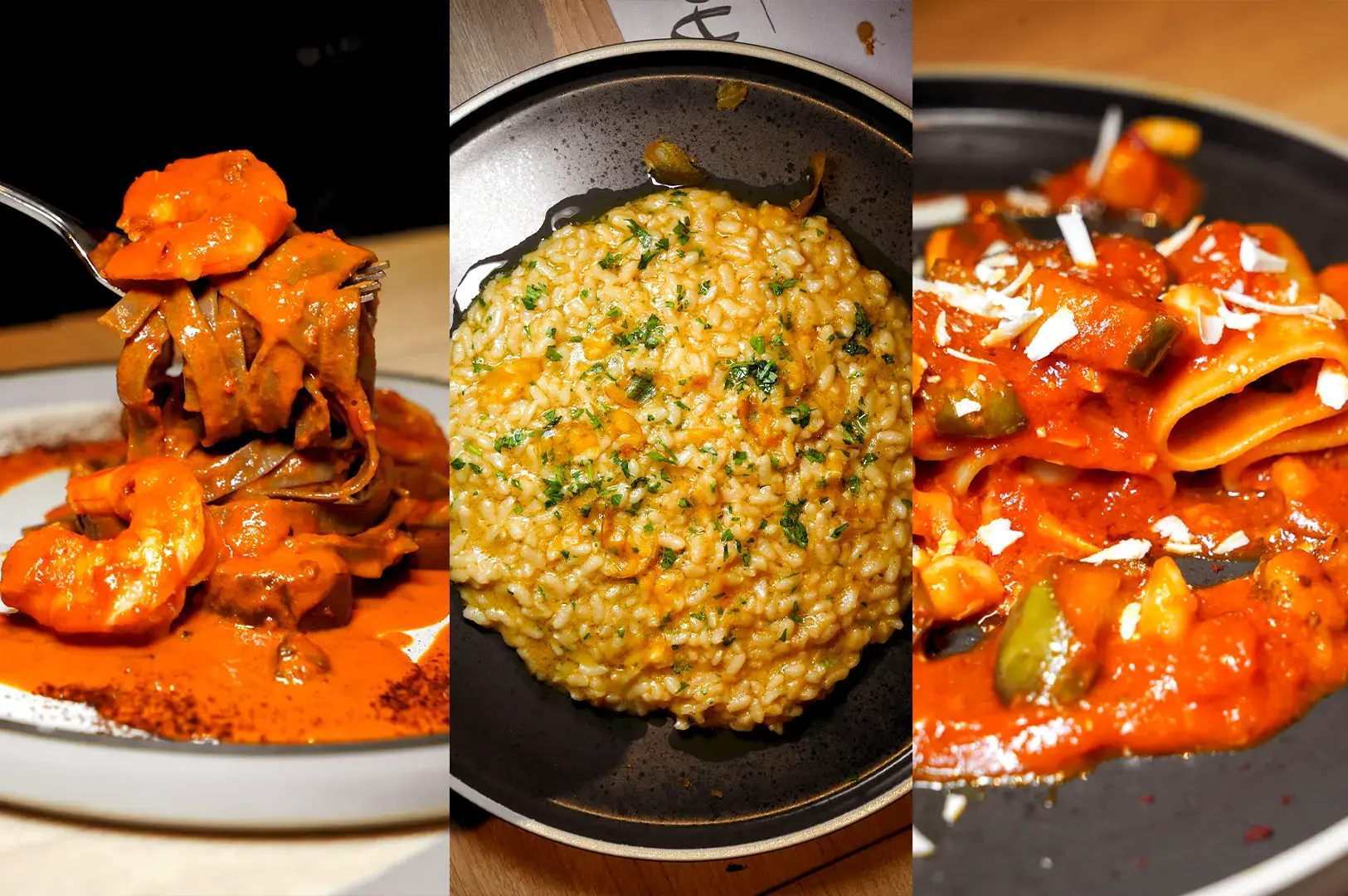
The Tagliatelle al Cacao con Gamberetti e Nduja at S$38 is one of the more distinctive pasta dishes on the menu. It is handmade cocoa pasta with portobello mushrooms, shrimp, spicy nduja, and cream sauce, with cocoa powder used to give the pasta its cacao note rather than to push it into dessert territory.
For rice, the Risotto ai Ricci di Mare e Bottarga at S$38 uses Italian short grain rice cooked with sea urchin broth and bottarga, with an estimated waiting time of about 25 minutes. That waiting time is worth noting if the table is hungry, but it also signals that the risotto is cooked with more care than speed.
This is where balance matters, especially because cream, butter, nduja, bottarga, and olive oil can make the meal feel rich quite quickly. Diners may opt for one rich pasta or risotto, then complement it with vegetables, eggplant, or a lighter starter so the rest of the meal still feels comfortable.
Paccheri alla Norma should be treated as a dish to check availability for rather than assumed as a permanent order. If Paccheri alla Norma appears as a special, it would fit the restaurant’s comfort-driven eggplant and tomato sauce style.
A Quieter Finish: Wine, Lava Cake, and One More Reason to Return
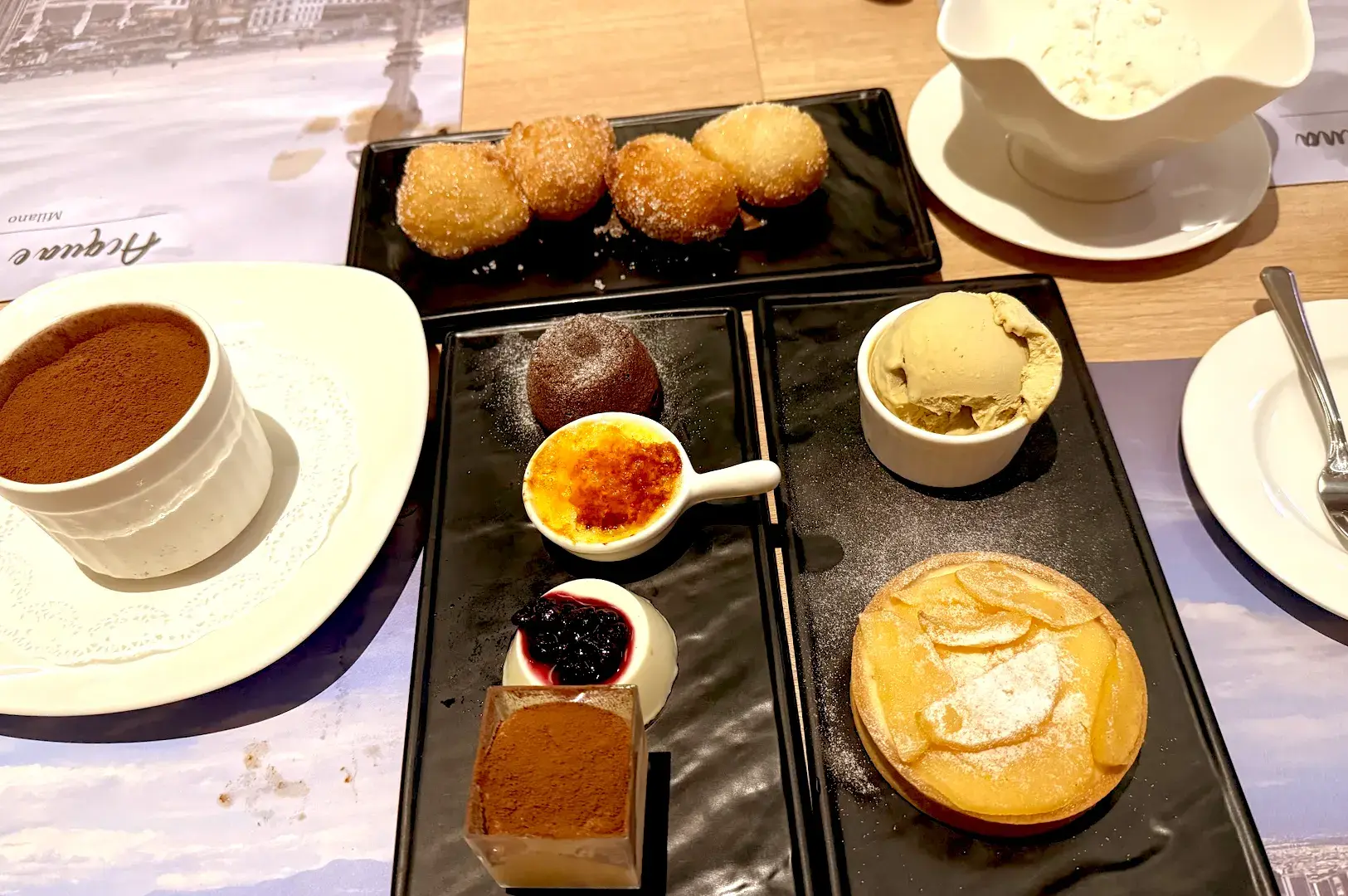
Dessert felt better as a shared finish than a second meal. At the next table, the Dessert Platter (S$20) arrived with mini portions of crème brûlée, lava cake, panna cotta, and tiramisu, and it looked like the kind of order that makes sense when no one wants to commit to just one sweet thing.
I had already opted for the Tortino Caldo con Gelato alla Vaniglia (S$17), so I stayed with that choice. The hot chocolate lava cake came with vanilla ice cream, rich enough to feel like a proper ending, but easier to enjoy with a glass of house red at S$12 than with another heavy dish.
That was the sweet spot of the meal for me. A little chocolate, a little wine, and enough restraint to let the pasta and pizza before it still feel like the main memory.
How Acqua e Farina Brings North and South Italy Together
The name Acqua e Farina means water and flour in Italian, which is a simple way to understand the restaurant’s base. Led by chefs Antonio Manetto and Roberto Galbiati, the kitchen brings together Antonio Manetto from Naples in the south of Italy and Roberto Galbiati from Milan in the north.
That combination shows up across the food, from dough and tomatoes to pasta, risottos, seafood, butter, olive oil, burrata, tomato sauce, and guanciale. It is not one narrow version of Italy, but a practical mix of northern richness and southern warmth.
From Rail Mall to Keong Saik: The Story Behind the Second Outlet
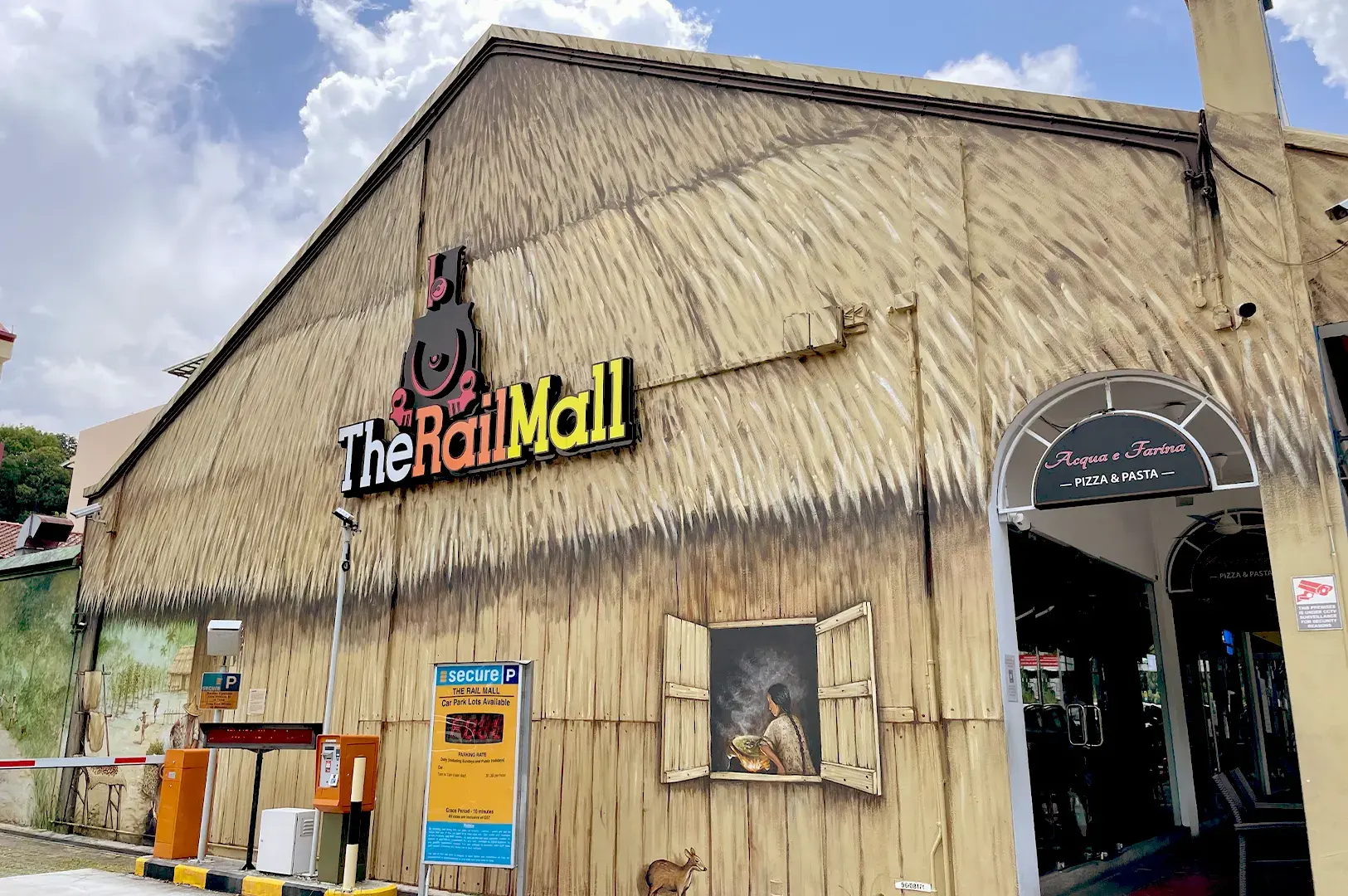
Before the Keong Saik Road restaurant, Acqua e Farina had its original outlet at The Rail Mall. The Keong Saik outlet is the second outlet, which makes sense for diners who want something established in a more central dining block.
There is comfort in knowing the restaurant did not appear suddenly just to catch a trend. From Rail Mall to Keong Saik, it feels like a move that gives more Singapore diners access to an Italian restaurant that is familiar, grounded, and not too showy.
Keong Saik also sits close enough to the wider Tanjong Pagar food stretch that it is worth looking at if your evening turns into a longer walk after dinner.
Not a Big Night Out, Just a Good One
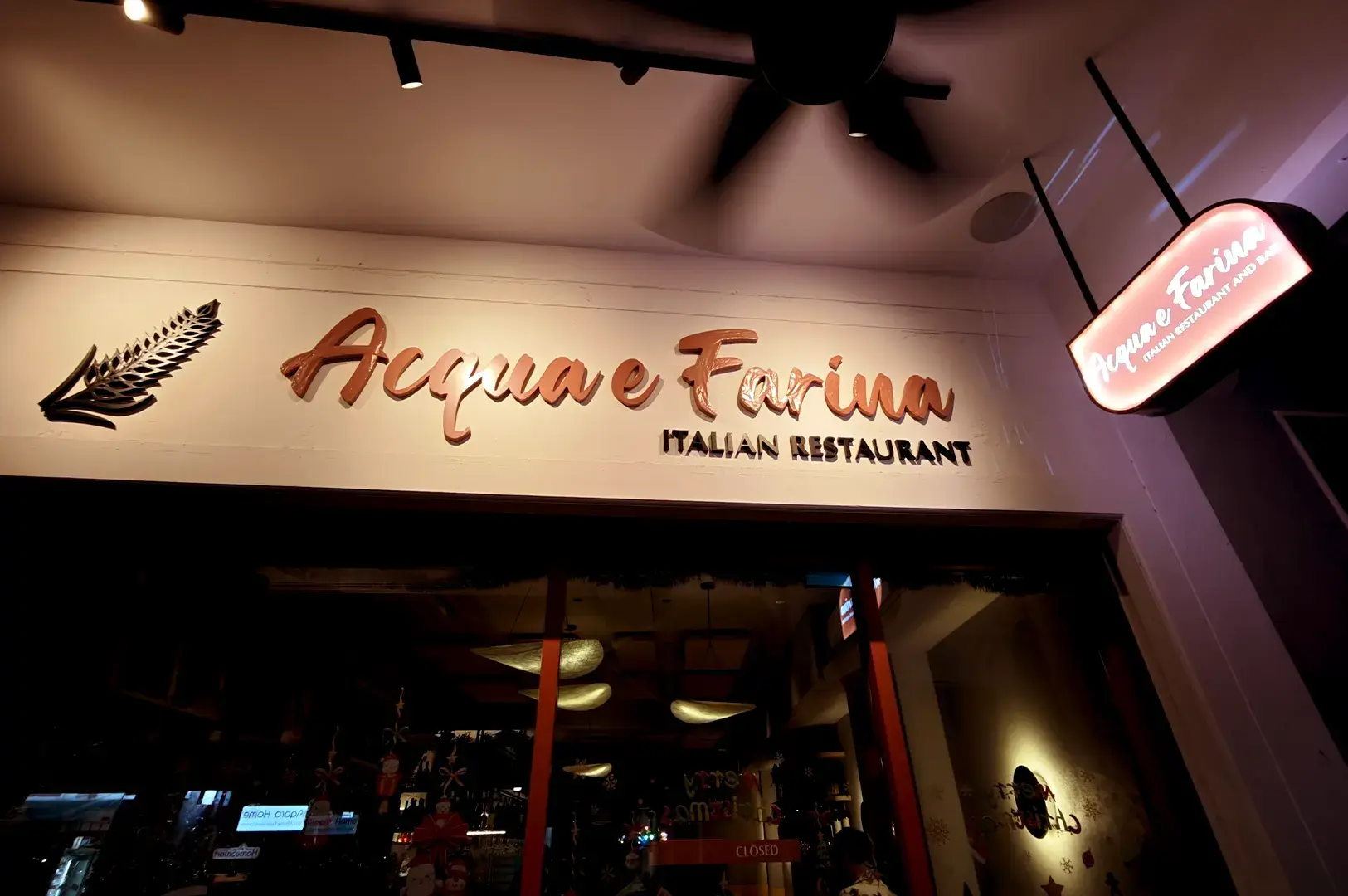
Acqua e Farina is worth visiting if you want Italian food in Singapore that feels warm, generous, and still grounded in the details. It is not the cheapest casual restaurant, but the pricing feels easier to understand once the food is on the table, especially with the handmade pasta, carefully worked dough, ingredient quality, and the experience of the chefs behind the menu.
You’ll feel it to, I believe. The way the meal settled into a comfortable flow. A starter, one pizza, one pasta or risotto, and a dessert are enough to understand the restaurant without overdoing it, which is probably the best way to let acqua, flour, tomatoes, cheese, seafood, and time do their quiet work.
