The first time we went to Todamgol, it was not meant to become anything. It was just a birthday dinner in Tanjong Pagar, chosen because someone wanted Korean food, someone else wanted a place that felt easy, and nobody had the energy to debate for another thirty minutes.
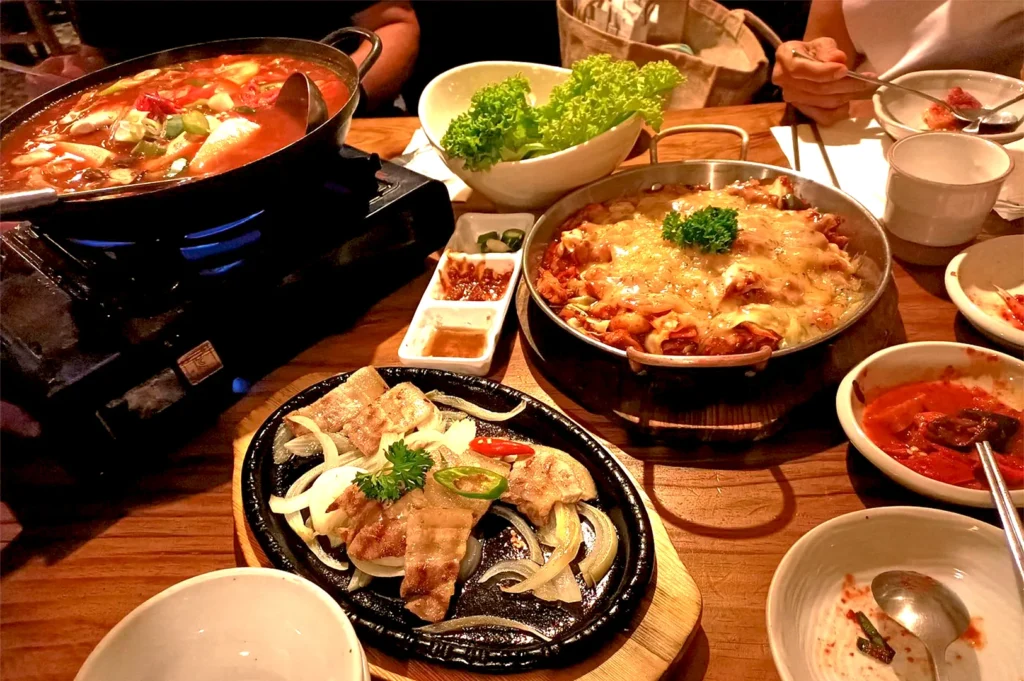
We ordered the way long time friends usually do, with too much confidence and not enough table space. A bubbling budae jjigae arrived first, red and noisy in the middle of the table, followed by seafood pancake, japchae, bossam, and bowls of rice that kept being passed around without ceremony. The stew had that steady warmth that makes conversation loosen. The pancake was crisp at the edges, soft inside, and gone faster than anyone expected. The bossam felt calmer, the kind of dish that asks people to slow down and build each bite properly.
But the celebrant kept returning to the japchae.
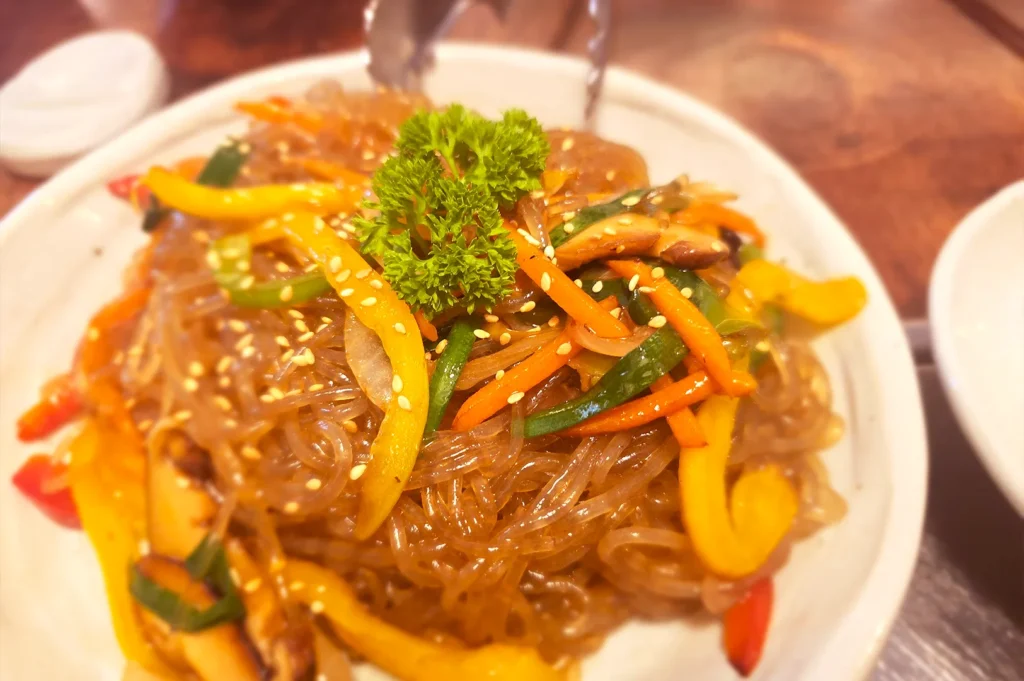
At first, it was just a comment. Then it became a speech. Then it became, in their words, “the best thing we ordered tonight,” repeated often enough that someone finally told them to quiet down. We laughed, of course. We rolled our eyes. But I noticed something else around the table. Everyone was secretly pleased that the birthday person had found something to love that much.
That is how traditions begin sometimes, not with planning, but with one person being unable to hide their happiness.
I later thought about it while walking past the familiar stretch of restaurants, the kind of place that makes tanjong pagar food feel less like a search and more like a memory map. We returned the next year because someone joked about the japchae. Then again because it felt wrong not to.
Some dinners become tradition because the food is good. Others stay because someone was happy, and everyone remembered.
