
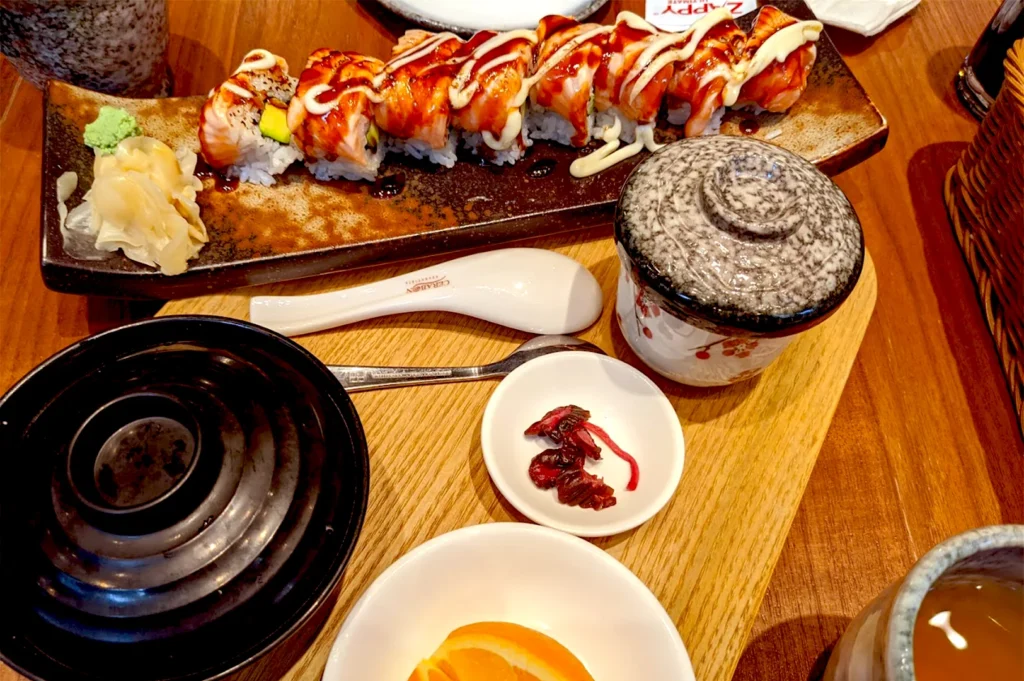
There are meals that arrive with noise, and then there are meals that seem to lower the room before they even reach the table.
Sushi, especially the kind built around maguro, belongs to the second category. It reminds me how quietly food can command attention. This memory revolves around my first ever visit to a restaurant using the maguro method, Kuro Maguro Sushi and Dining. Where they made sure the tuna was treated less like an ingredient and more like a spectrum.
I remember sitting at a counter where the chef barely spoke, only the soft rhythm of knife meeting fish and rice being shaped with quiet pressure. Everything felt deliberate, almost like the food was already decided long before it was served.
In Singapore, we move quickly between meals. Hawker stalls, late-night bowls, café plates that blur into conversation. But sushi interrupts that pace. It asks for attention in small, exact moments. The bite is not just taste; it is timing.
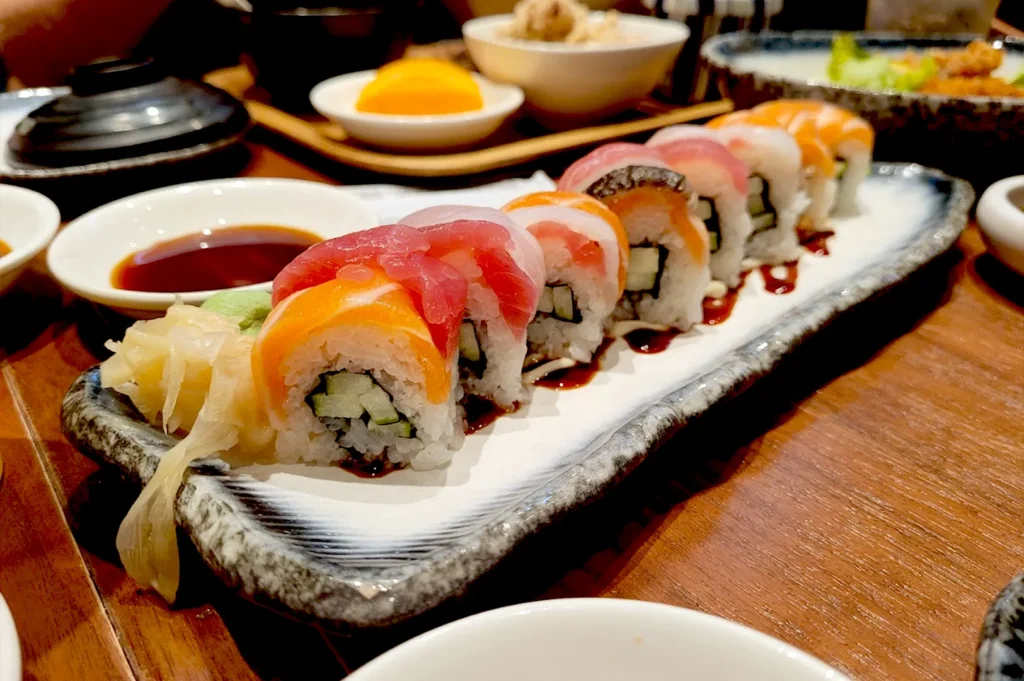
That first bite made me thankful for the kind of person I came to be. Someone who explores, who searches, and is curious about what is yet to be found. I always thought I was satisfied with visiting Tanjong Pagar for reliable Japanese food restaurants, but I was glad I woke up with a new determination to look beyond the familiar and trust the quiet pull of places I have not yet given a chance.
Here, I found myself noticing things I usually ignore; the temperature of rice, the way oil from the fish lingers, how silence between bites can feel structured rather than empty. It is strange how food can slow your thoughts without asking you to stop thinking.
Maybe that is why these meals stay longer in memory. Not because they are louder or richer, but because they are precise enough to make you aware of yourself eating.
Sometimes the smallest details change how you sit at a table.
And in that awareness, something shifts. Not about the restaurant, but about how I choose to be present at the table.
Some meals do not ask to impress; they simply teach you how to notice again.
