There is a moment at a good sushi bar when the chef sets down a single piece of nigiri and says nothing. The rice is still warm, the fish tastes fresh, and the best part is how much care sits in something so small.
That quiet exchange is where sushi in Singapore began for many diners, as a meal shaped by quality and restraint. Over time, promotions, lunch sets, and casual sushi restaurants made it easier to enjoy, whether for a perfect dinner or a quick craving.
What follows is not a ranking, and not a list of places to contact first. It is a look at how one craft travelled from Japan to Singapore, and how it changed along the way.
Started With Japan, Rice, and Season
Sushi came from Japan, where it grew around seasoned rice, fresh fish, and the patience of the seasons. Long before the plating and the trends, it was about rice pressed by hand and fish chosen for that particular day.
Why Rice Matters
People forget that sushi is not really about raw fish. It is about rice, its temperature, the vinegar folded through it, the way it holds together and then falls apart in your mouth. Get the rice wrong and nothing else matters.
How Sushi Singapore Grew From Special Dinner to Everyday Lunch
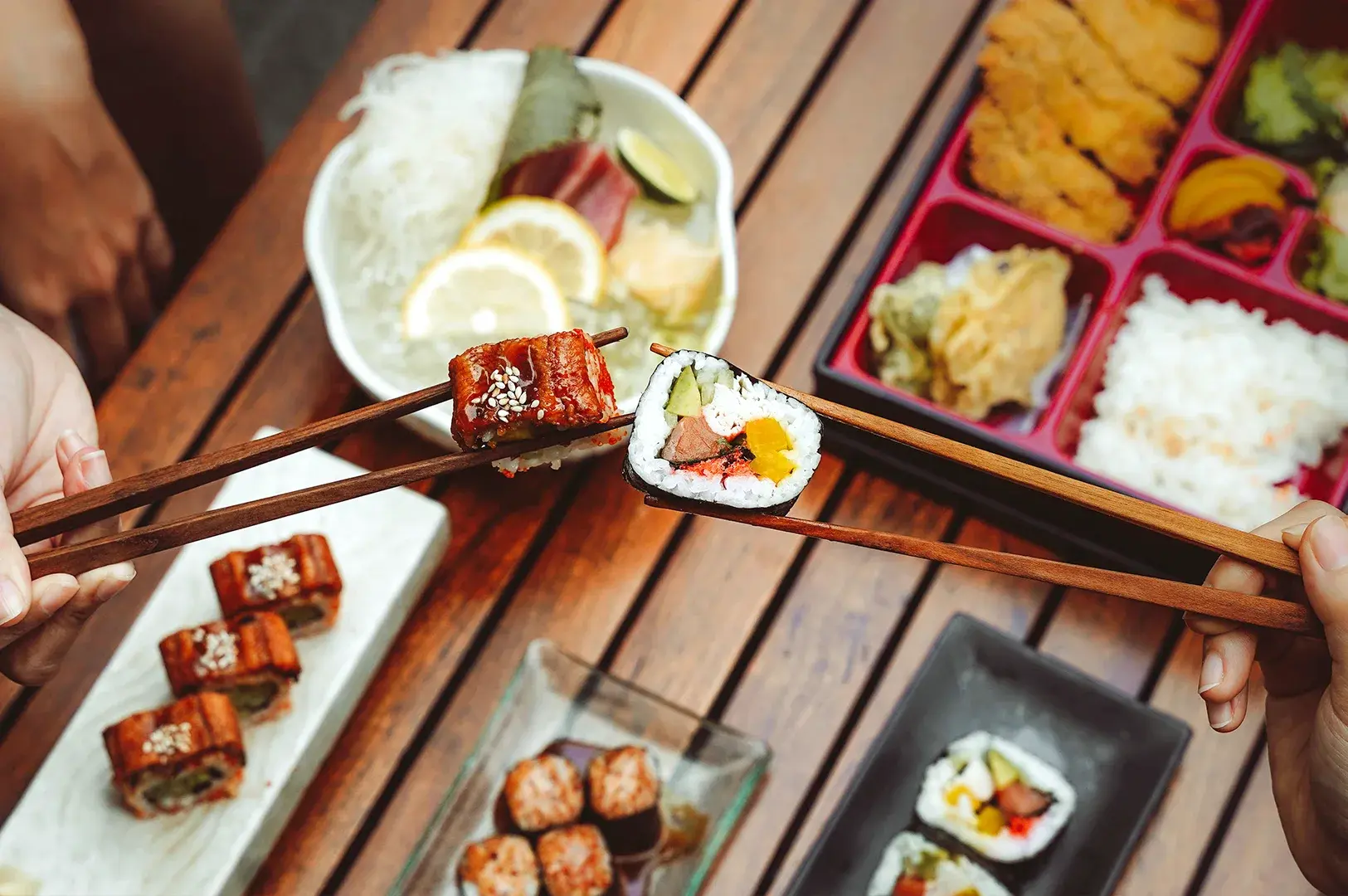
In Singapore, sushi once belonged to special occasions, a formal dinner tucked inside a hotel. It was something you saved for, not something you reached for on a Thursday.
That changed slowly, then all at once. Lunch sets made Japanese dining affordable for office workers and students, and sushi singapore became part of an ordinary lunch break rather than a celebration.
Sushi Restaurant Culture, From Sushi Bar Silence to Mall Energy
A quiet sushi bar asks you to slow down. The chef guides your order, the counter is small, and the pacing is part of the meal. There is a discipline to it that you feel more than you hear.
A casual sushi restaurant works differently, and that is fine. You check the menu, order quickly, and the room hums with families and clattering plates. Both are honest. They simply serve different moods.
The Everyday Side of Sushi in Singapore
Genki Sushi, Sushi Express, and the Affordable Choice
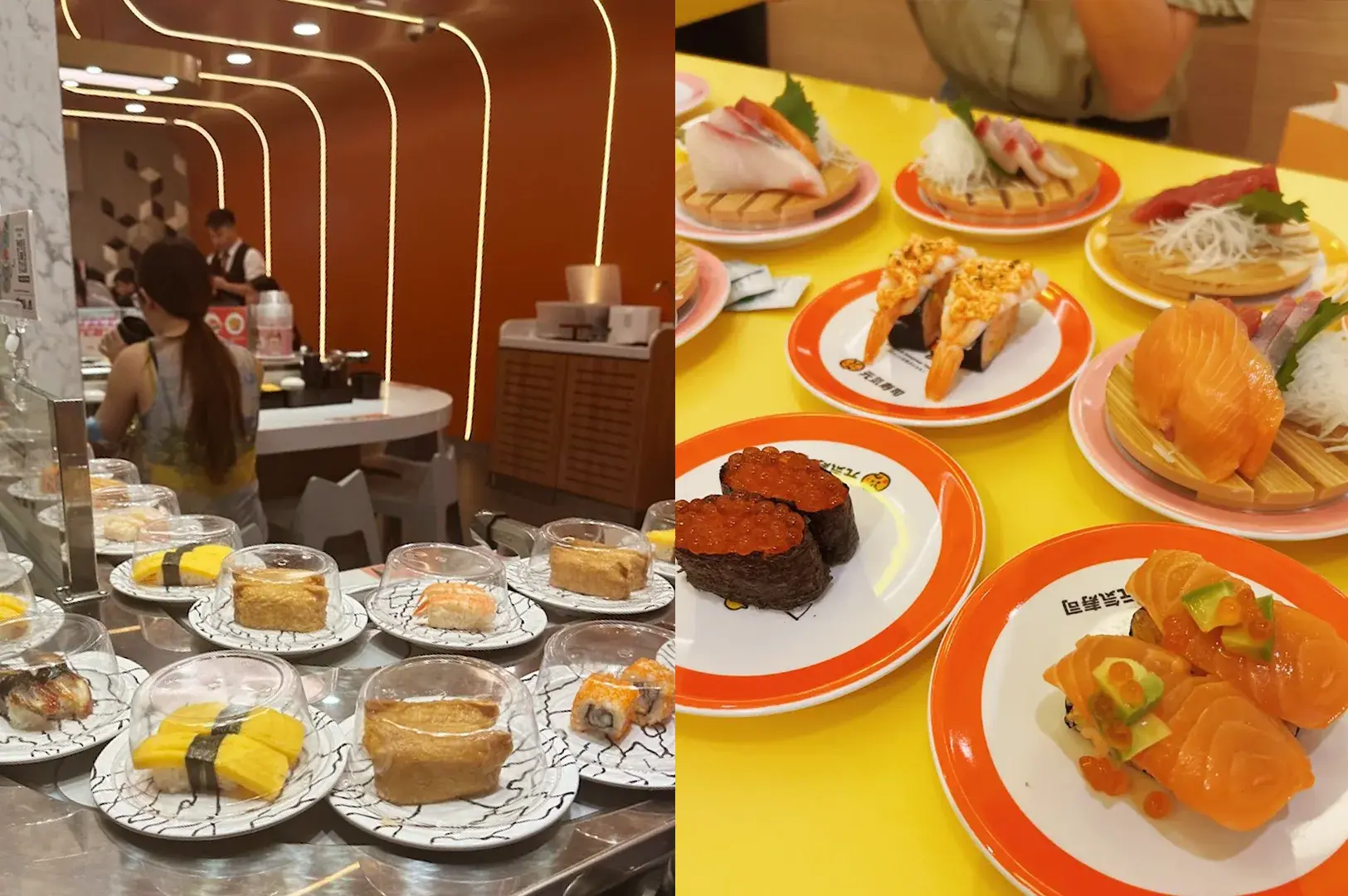
Conveyor belt sushi did something important. It took a food that felt distant and put it within easy reach. Sushi Express made plates cheap enough that sushi stopped feeling like a treat and started feeling like everyday food.
Genki Sushi carried that further with its order screens and fast, tech-led service. These places were never about the finest ingredients, and they never claimed to be. They mattered because they let more people, including students on a small budget, sit down and eat sushi without thinking twice.
Hei Sushi at Downtown East and the Wider Singapore View
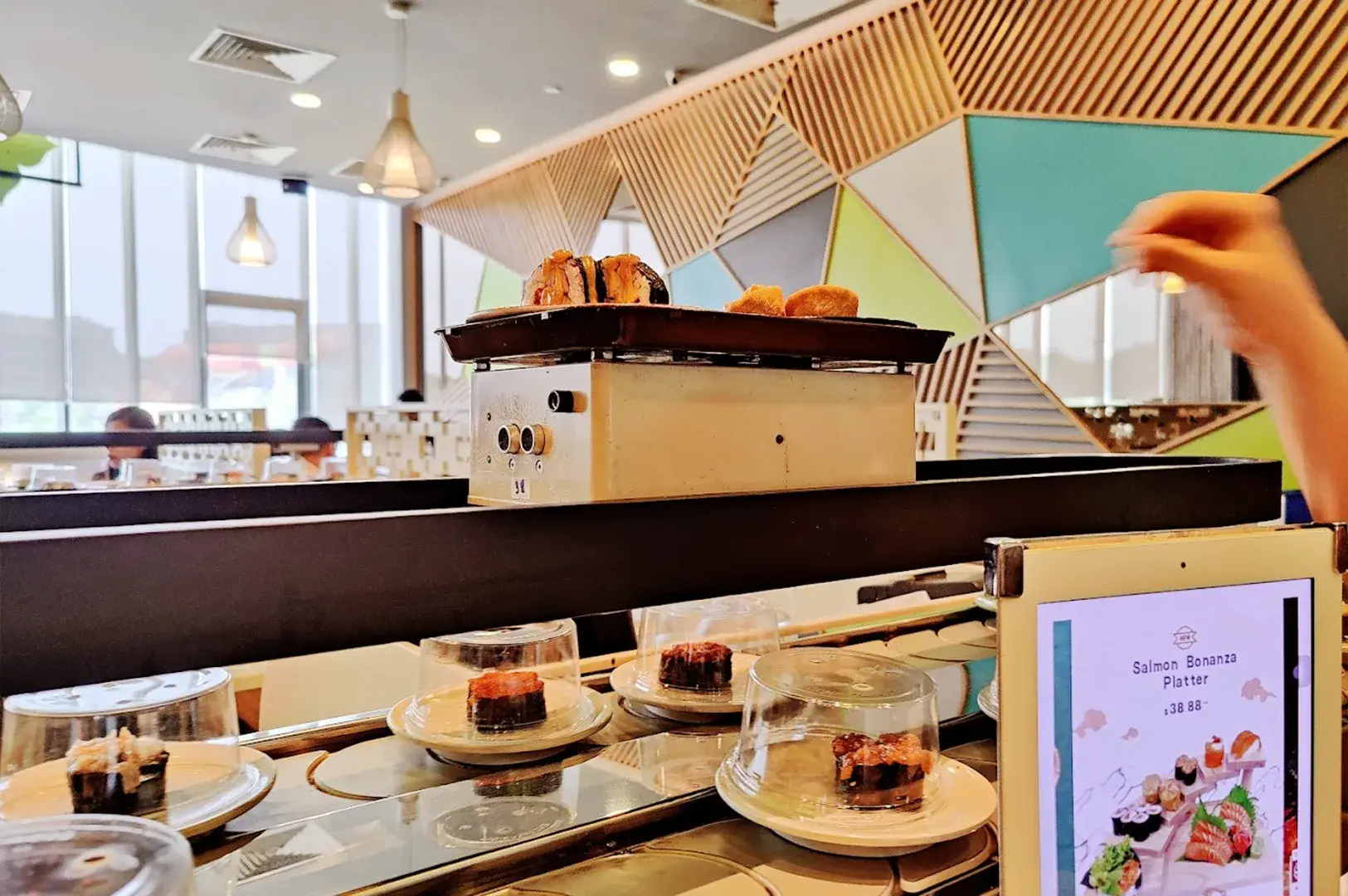
Access is not only about price. Hei Sushi brought halal belt sushi to diners who had long been left out of the Japanese table, with outlets in places like Downtown East where families gather on a slow weekend.
That shift said something quiet but real. Sushi in Singapore stopped being one community’s food and became present across neighbourhoods, on more tables, in more corners of the island.
Holland Village, Tampines, JEM, and the Neighbourhood Sushi Walk
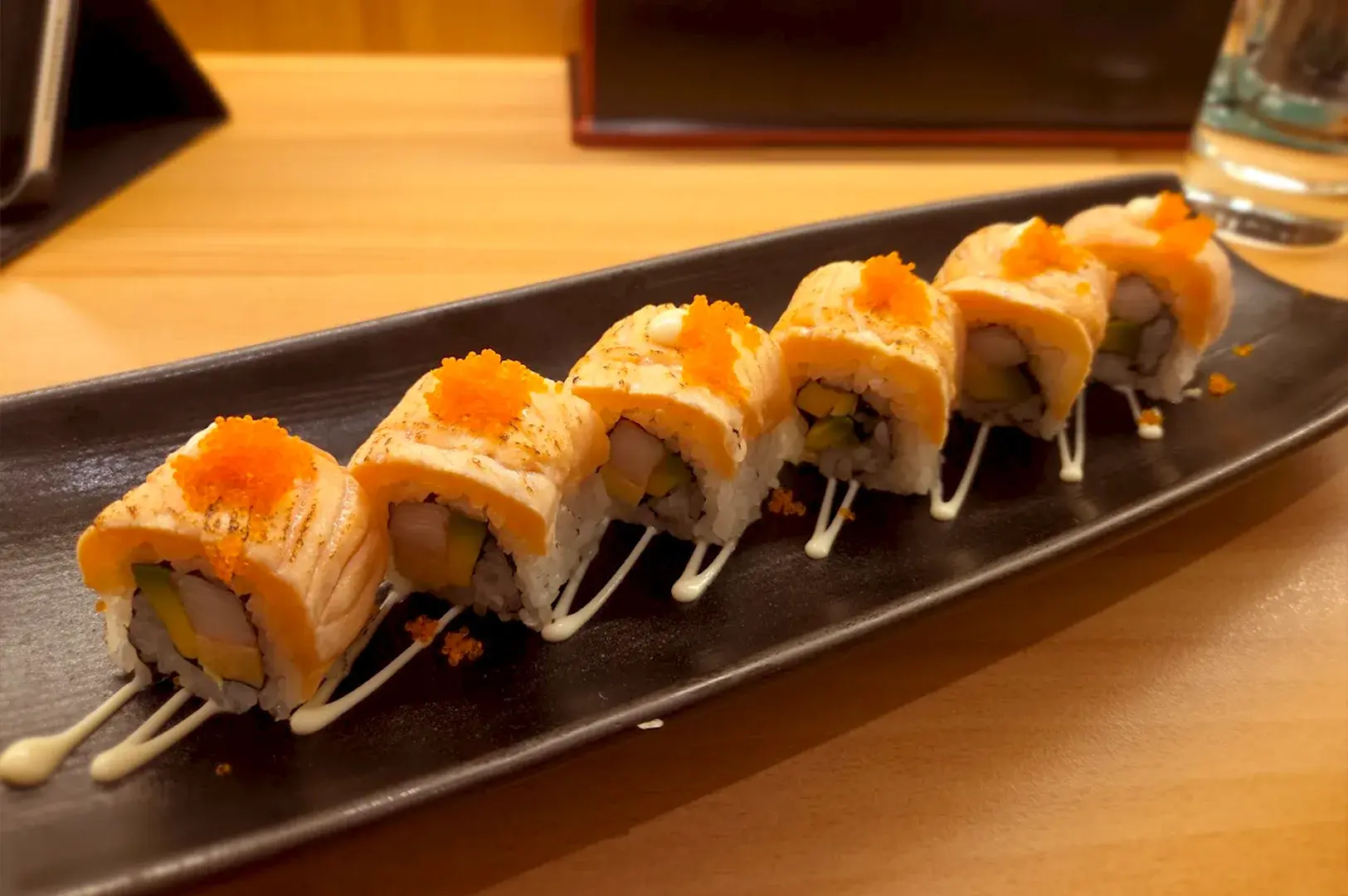
You can find sushi almost anywhere now. Holland Village, Tampines, JEM, and dozens of malls across SG carry a sushi restaurant or two, folded into the everyday rhythm of shopping and errands.
The way we reach it has changed too. Sometimes you check a website first, sometimes you just walk in on a whim. For a broader map of options, you might explore late dinner spots around Singapore when the craving arrives without warning.
Aburi Sushi, Sashimi, Handroll, Noodles, and Other Dishes to Know
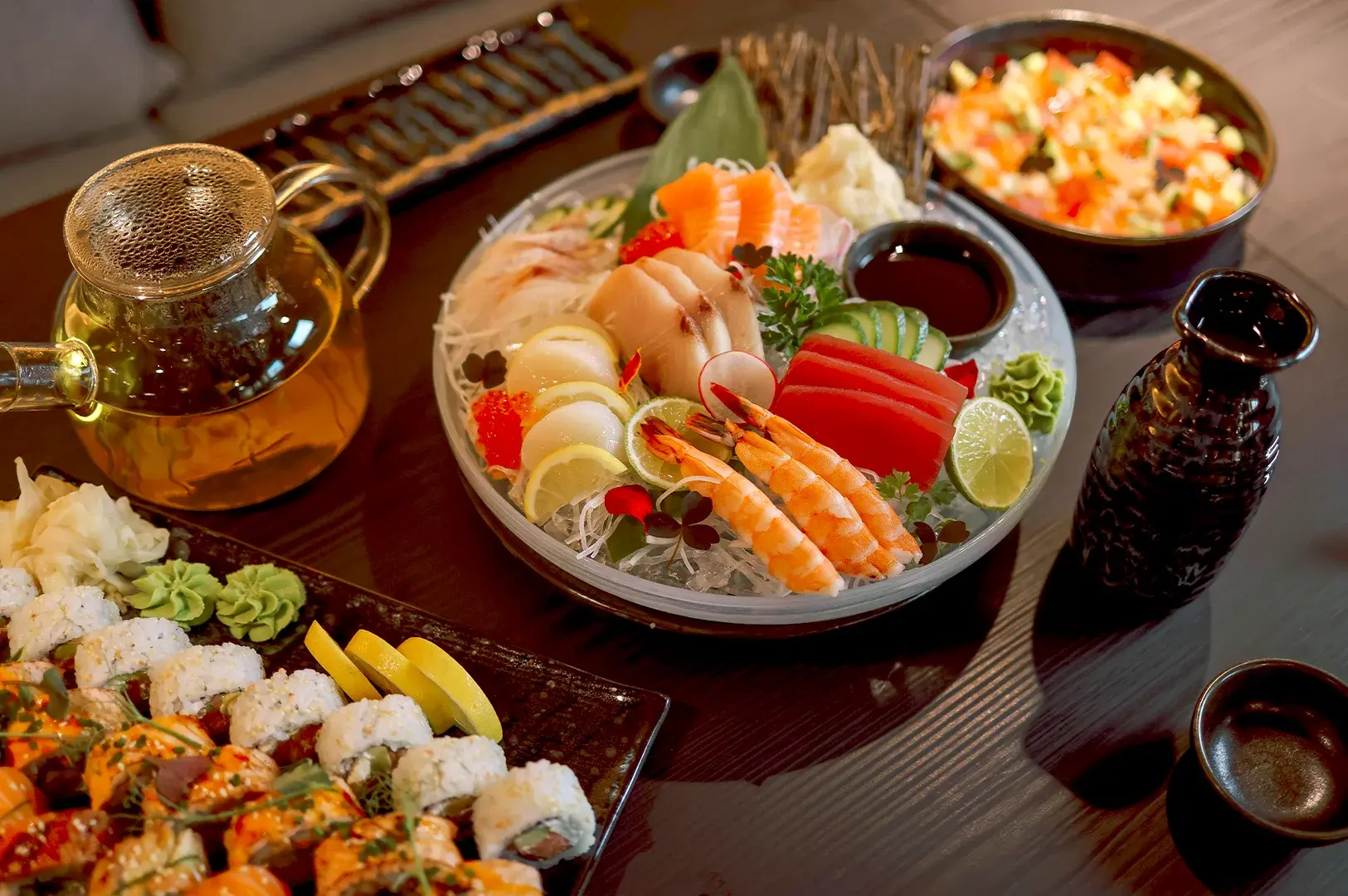
A modern menu holds more than nigiri. There is sashimi, aburi sushi, handroll, rice bowls, noodles, small sides, and light desserts like matcha parfait or mochi at the end. It helps to know what you are looking at.
Sushi vs Sashimi
The difference is simple. Sushi involves that seasoned rice, while sashimi is just the fish, sliced clean and served on its own. One is about balance, the other about the fish alone.
When to Order Aburi Sushi
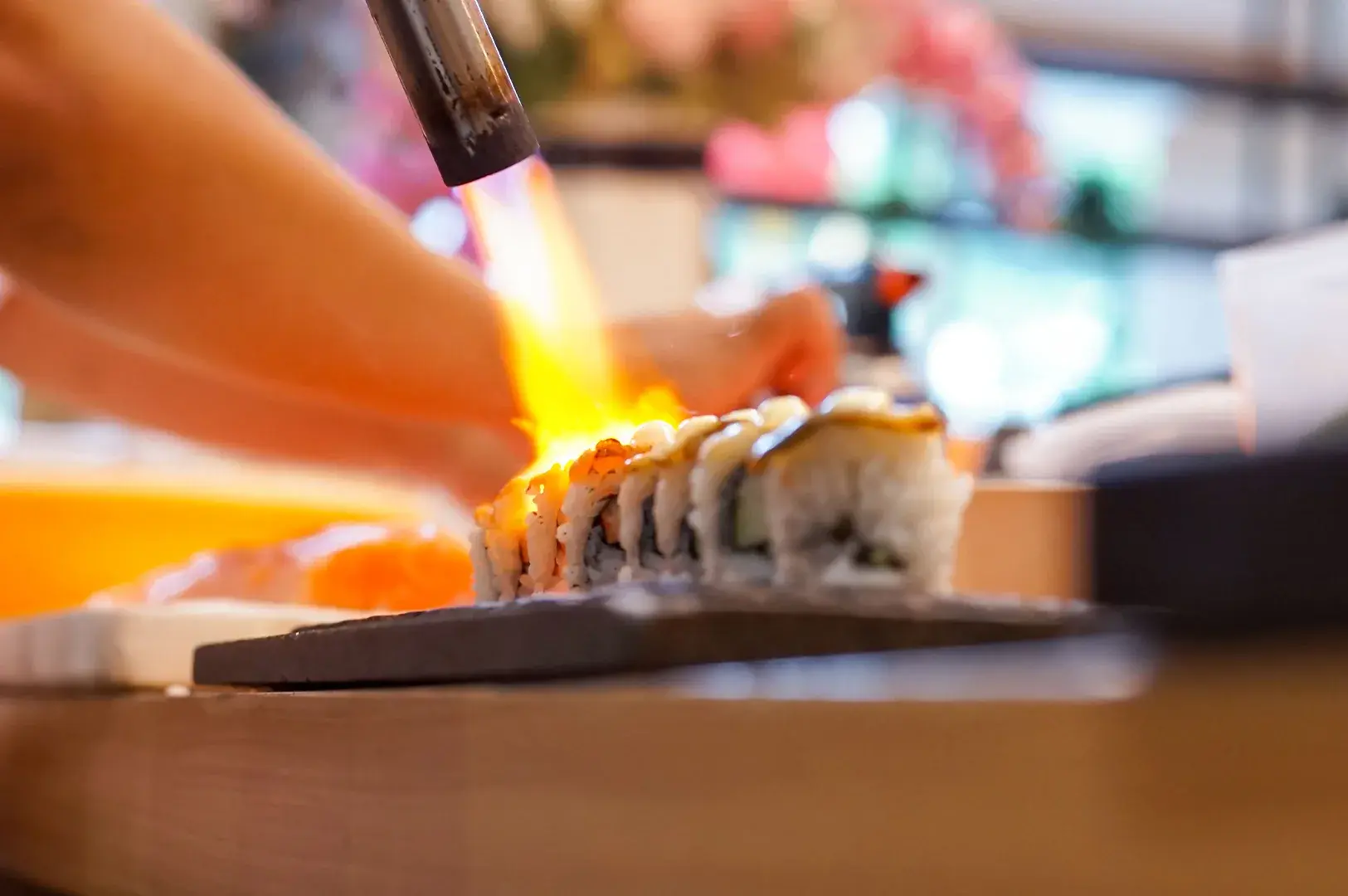
Aburi sushi is lightly torched on top. That quick flame gives it warmth, aroma, and a richness that raw fish does not have, which is why it won so many people over.
Why Handrolls Should Be Eaten Quickly
A handroll is best the moment it reaches you. The seaweed should still be crisp, so this is one dish you do not photograph twice. Eat it, then talk.
How to Eat Sushi in Singapore With an Open Mind
A few gentle habits help. Eat nigiri in one bite when you can, and go easy on the soy sauce so the rice does not fall apart or drown. The fish was chosen carefully. Let it speak.
Ask questions if you are curious, politely and without worry. No one expects you to know everything, and the best meals often come from admitting you do not. If you want to keep exploring, japanese food in Tanjong Pagar is a good place to keep wandering.
Sushi Omakase Singapore and the Finest Ingredients of the Day
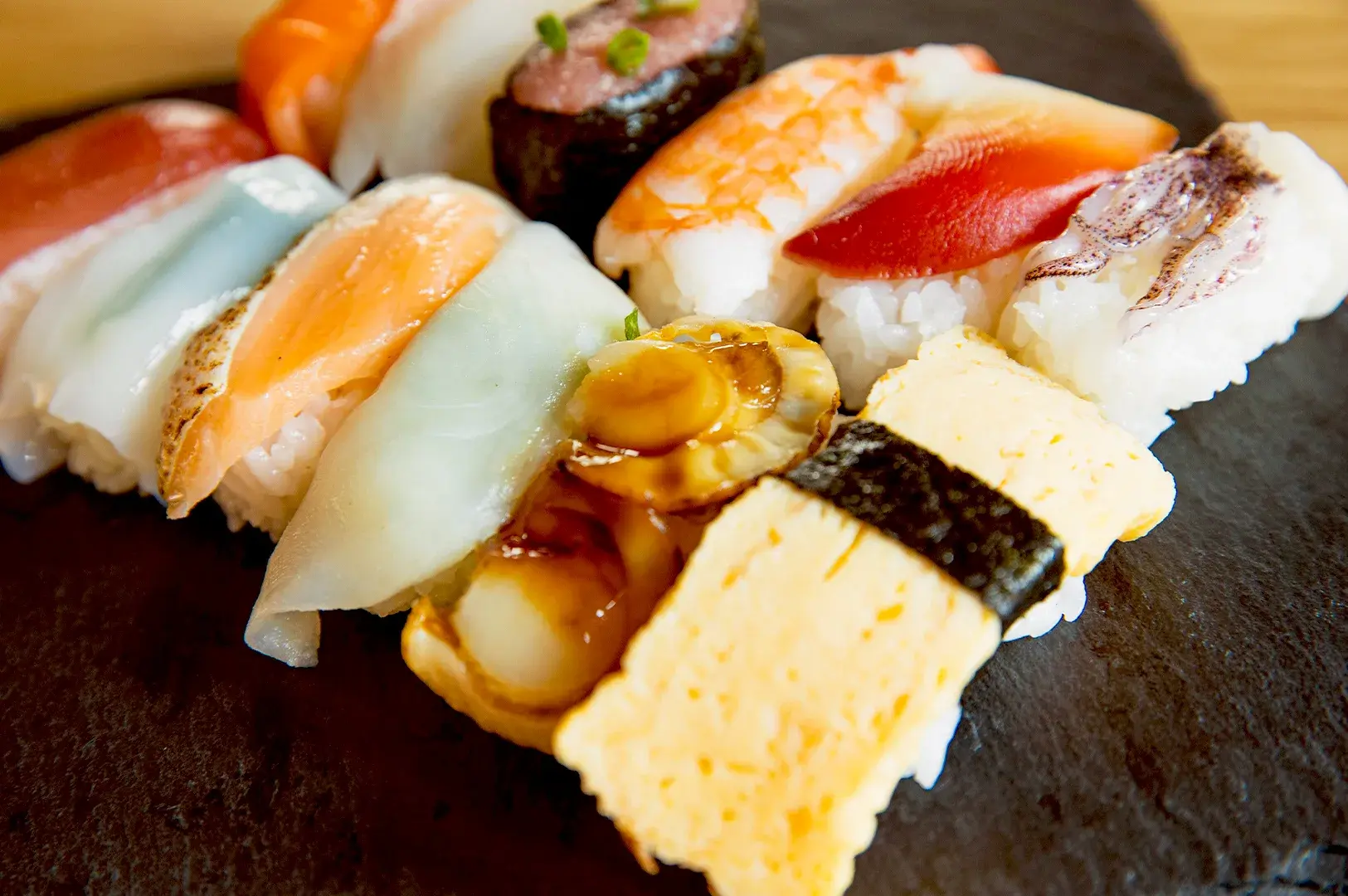
Omakase means trusting the chef. You do not order. You let the season, the fish, and the chef’s judgment decide, one piece at a time. The finest ingredients that day shape the whole meal.
The appeal of sushi omakase singapore is not one dramatic dish. It is the quiet progression, the pacing, the sense that someone is cooking for you and no one else. That trust is the oldest part of sushi, carried intact all the way here.
What Makes Sushi Worth Ordering This Week
Sushi in Singapore is no longer one thing. It is a hotel counter and a conveyor belt, a quiet omakase and a cheap plate grabbed between meetings. The choice depends on your mood as much as your budget.
So whether the craving arrives on a Thursday lunch break or during a slower dinner, there is a version of sushi waiting for you. It is shaped by craft, convenience, and memory now, and that quiet warm rice still says the most.
