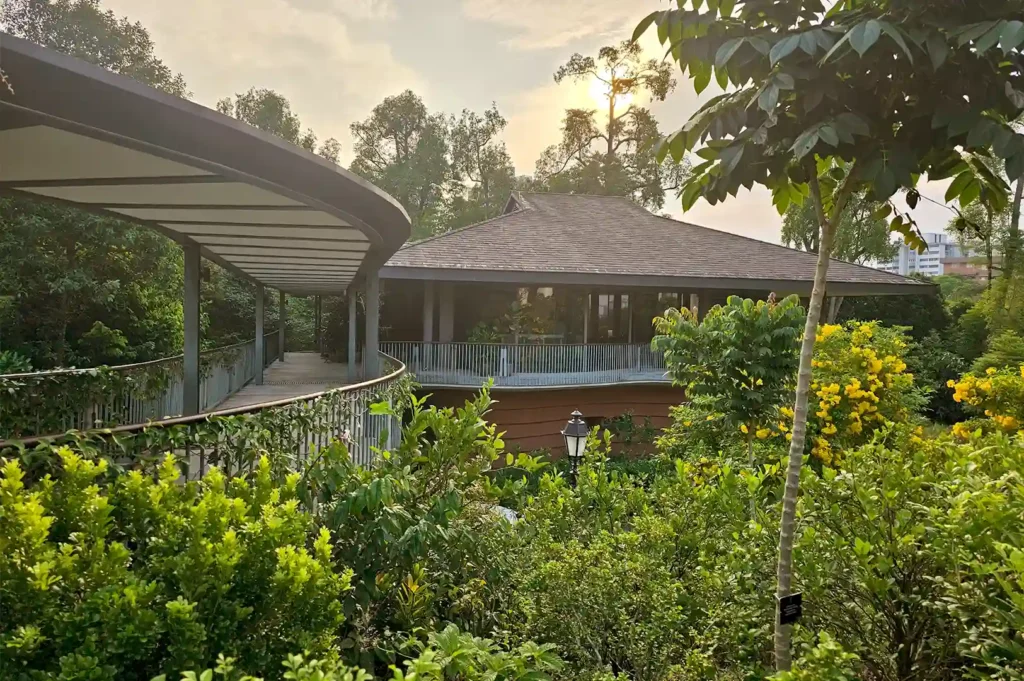
Pangium sits within the Gallop Extension of the Singapore Botanic Gardens, offering a dining experience surrounded by greenery away from the usual city bustle. I arrived through the Gallop Entrance for my visit, where the calm garden setting felt like a fitting introduction to Chef Malcolm Lee’s exploration of Straits cuisine.
With its Michelin recognition and focus on heritage flavours, Pangium brings together nature, tradition, and modern Peranakan cooking in a thoughtful way.
Pangium, Singapore Peranakan Cuisine, and a Fresh Take on Tradition
Pangium was opened by Chef-Owner Malcolm Lee together with the COMO Group, bringing his experience from Candlenut into a new exploration of Straits cuisine. While Candlenut became known for its Michelin recognition in Peranakan cuisine, Pangium looks at heritage flavours through a different perspective, combining tradition with modern techniques.
The Story Behind the Pangium Tree
The restaurant takes its name from the pangium tree, a plant that produces buah keluak seeds, one of the key ingredients in Peranakan cooking. For Chef Malcolm Lee, this ingredient represents the depth of flavours and traditions passed through generations.
Pangium’s menu draws inspiration from family recipes passed down over time, while exploring the stories behind the dishes and ingredients that shaped Straits cuisine.
The Tasting Menu and the Tok Panjang Idea
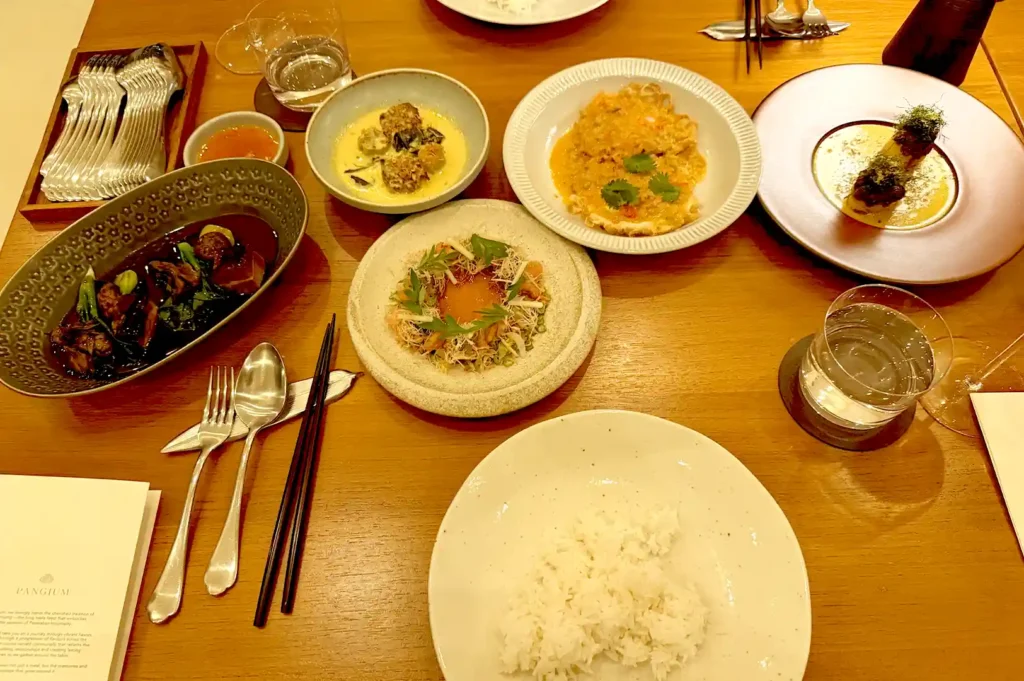
Pangium serves a tasting menu only. There are two formats: the Tok Panjang Kecil and Tok Panjang menus are priced from S$138++ and S$188++ respectively, keep in mind subject to menu updates.
The name comes from the Peranakan tok panjang, the long-table feast that stands for generosity and sharing. I liked that the menu carries that spirit even in a fine dining room. The meal unfolds course by course, but the feeling behind it is closer to a family table.
Signature Dishes and Straits Cuisine Reimagined
Pangium’s menu explores Straits cuisine through ingredients that carry deep cultural meaning. Instead of presenting heritage dishes exactly as they have always been served, Chef Malcolm Lee looks at how these flavours can appear in new forms while keeping their original character.
Buah Keluak, The Ingredient Behind Pangium’s Identity
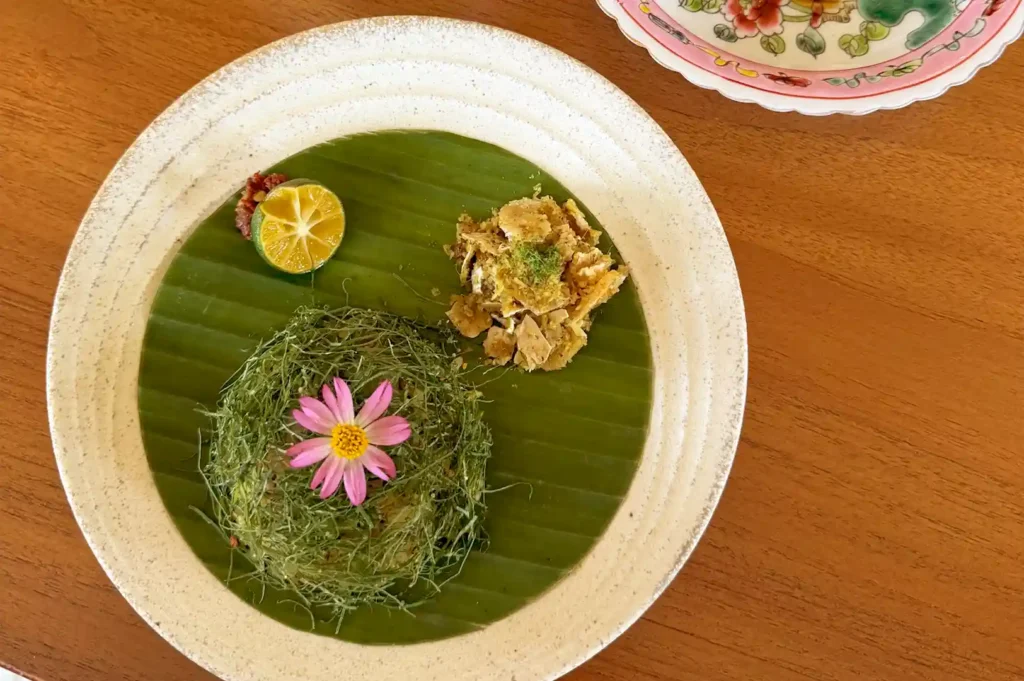
The buah keluak is at the heart of Pangium’s story. Named after the pangium tree, which produces buah keluak seeds, the restaurant uses this ingredient throughout the menu in different interpretations.
Its flavour is distinctive, with earthy, nutty, and slightly bitter notes that become richer when prepared properly. At Pangium, the ingredient is presented beyond the buah keluak dishes many diners may know, allowing guests to experience its depth in different textures and combinations.
For me, this was one of the most interesting parts of the meal because it showed how a challenging ingredient could still feel connected to its roots while taking on a different form.
Kueh Pie Tee, An Old Snack With a New Perspective
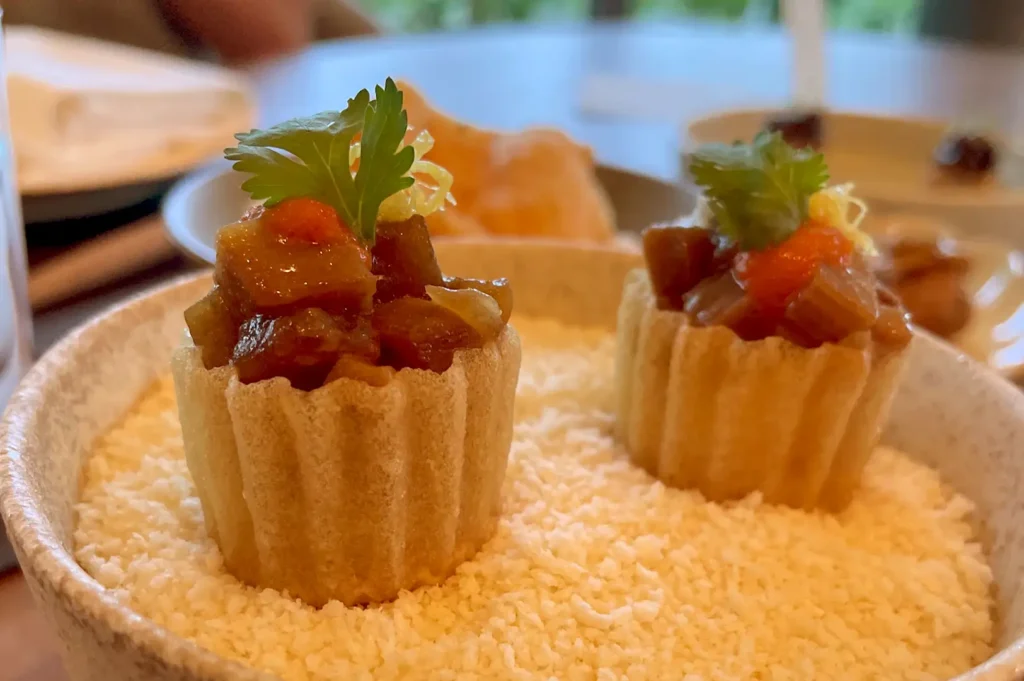
The Kueh Pie Tee arrived as a refined version of the Peranakan snack many Singaporeans recognise. The delicate pastry shell had a light crispness, while the filling brought together savoury and aromatic flavours.
Rather than relying only on nostalgia, Pangium presents it as a reminder of how much detail goes into even the smallest heritage dishes. The combination of textures made it an enjoyable introduction to the meal.
Nasi Ulam, Fresh Herbs and Layers of Flavour
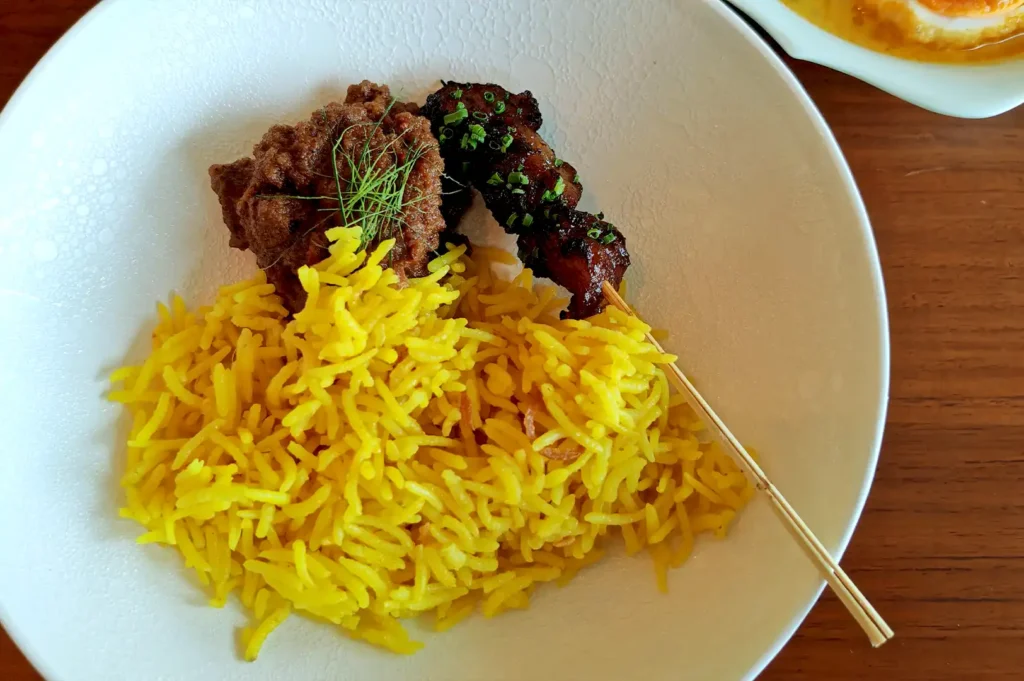
The Nasi Ulam brought a different side of Straits cuisine to the table. Known for its mixture of rice, herbs, and aromatic ingredients, the dish carried fresh and fragrant flavours.
The herbs added brightness, while the combination of ingredients created a balance between savoury, earthy, and refreshing notes. It was a dish that highlighted how simple components can create a complex experience when brought together thoughtfully.
Tau Yu Bak, A Soy-Based Classic With Deep Flavours
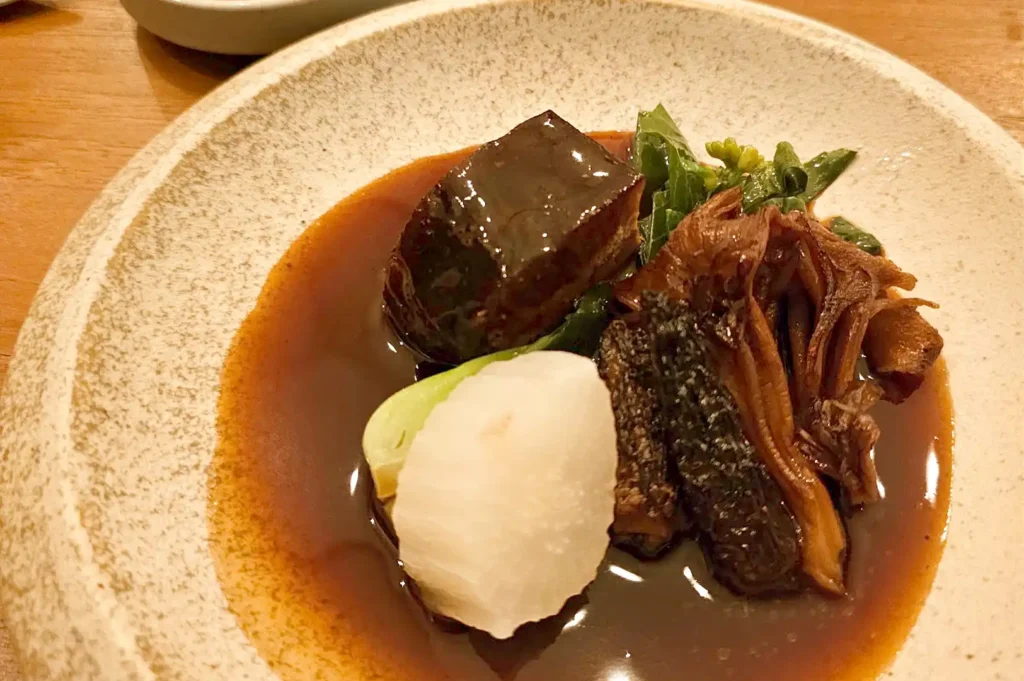
The Tau Yu Bak brought a richer, more savoury part of the menu forward. The pork was tender, with the kind of texture that comes from being slowly cooked until it absorbs the flavours around it. The soy-based sauce carried layers of sweetness and saltiness, with a deep savoury taste that surpringly elevated the flavours further and didn’t feel overwhelming.
At Pangium, the dish reflects the warmth of home-style cooking while being presented within a tasting menu format. The sauce carried the familiar richness associated with the dish, while the preparation allowed the flavours to develop gradually.
Inside The Orangery at Singapore Botanic Gardens
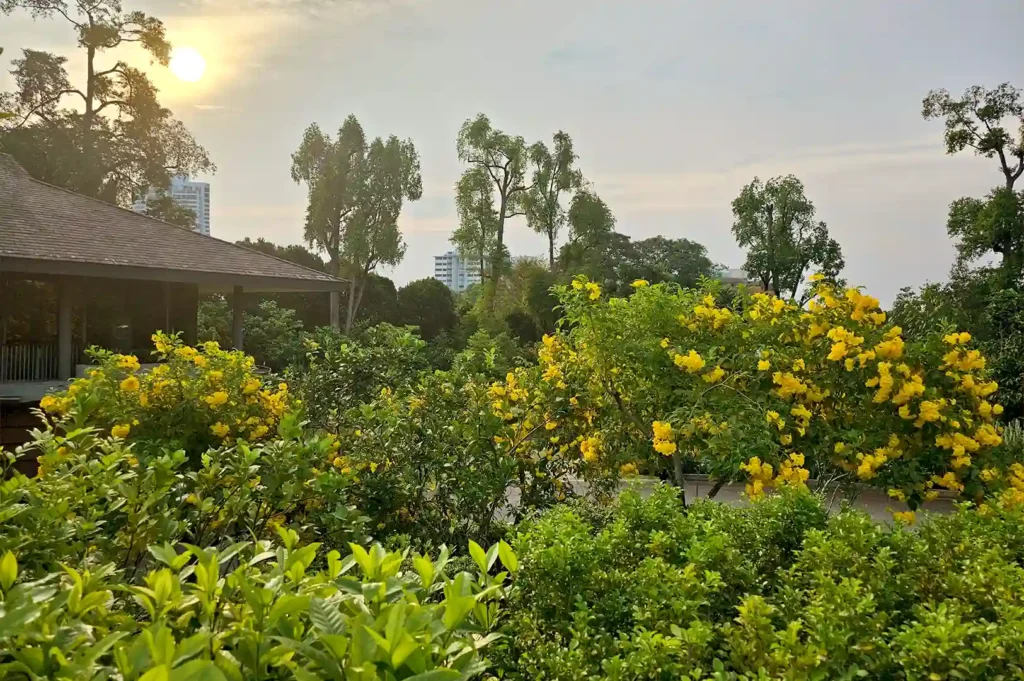
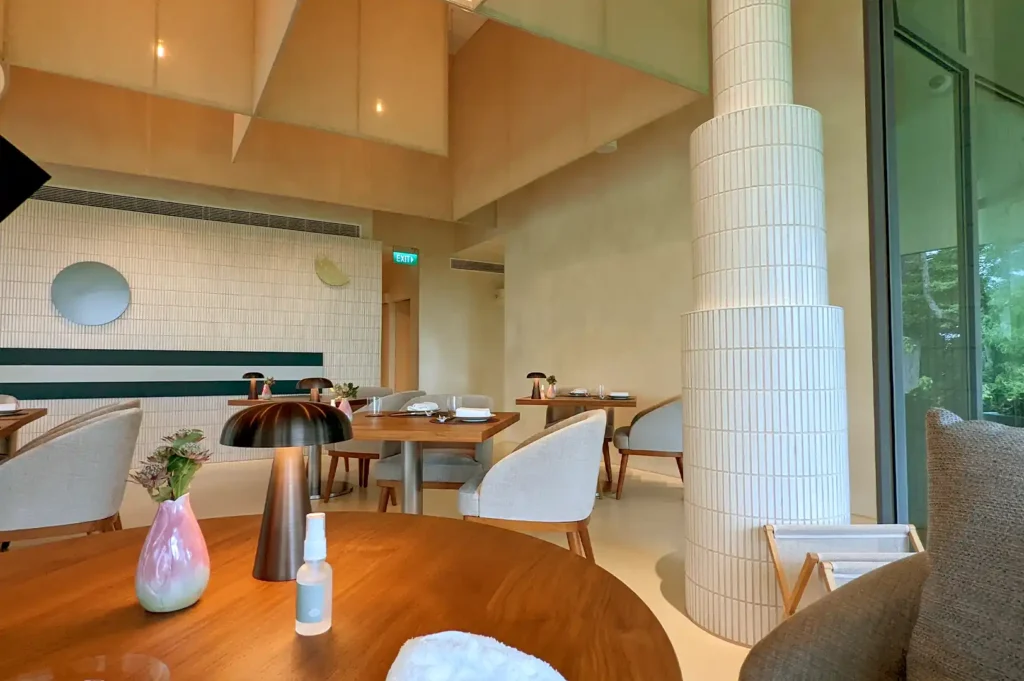
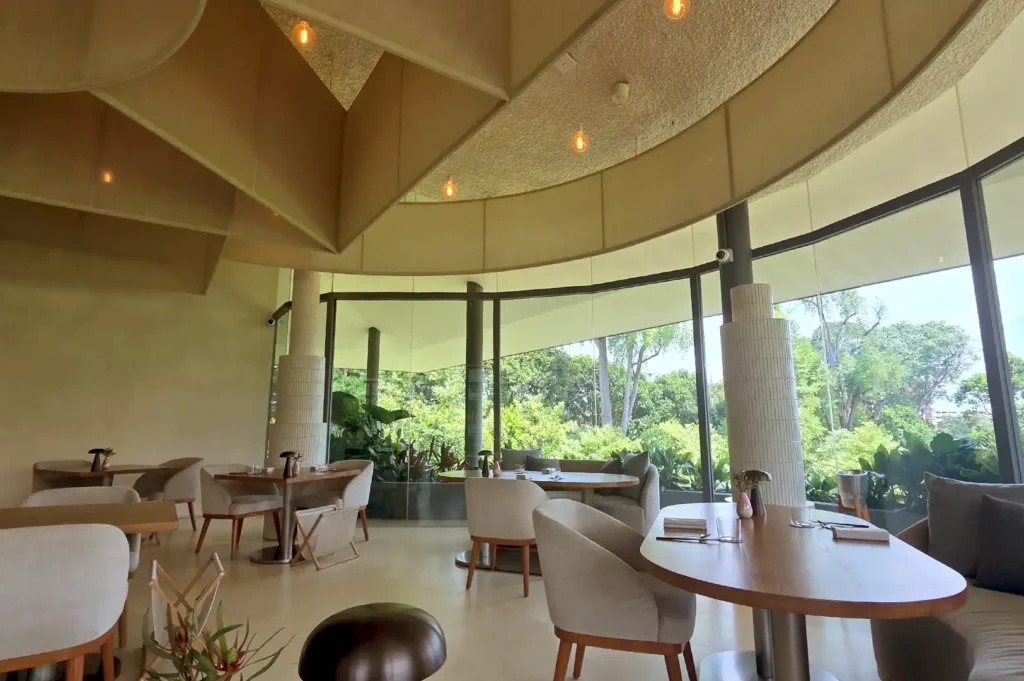
Pangium sits inside The Orangery at the Gallop Extension of the UNESCO World Heritage Site Singapore Botanic Gardens. When I arrived, the first thing I noticed was how much greenery surrounded the dining room, with large windows giving me a view of the gardens outside.
The intimate dining room reflects the restaurant’s concept of connecting nature, heritage, and cuisine. Every detail helps create a relaxed setting that matches Pangium’s commitment to presenting Straits cuisine in a thoughtful way.
The People Behind the Dining Experience
The service staff knew the food deeply. Each dish came with a little of its history: where it came from, why it mattered, and how it had changed. It never felt like a lecture. It felt like being welcomed into a story.
A Visit to Pangium Starts With Planning
Location and Opening Hours
- Address: 11 Gallop Road, Gallop Entrance, Singapore Botanic Gardens, Singapore 259015
- Lunch: Thursday to Saturday, from 12pm (last seating 1pm)
- Dinner: Wednesday to Saturday, from 6:30pm (last seating 7:30pm)
- Closed: Sunday, Monday, and Tuesday
Pangium’s limited opening days mean guests will need to plan ahead when choosing a date. Visitors arriving through the Singapore Botanic Gardens may also want to leave extra time for the walk to the restaurant.
Menu Pricing and Reservations
- Lunch tasting menu: From S$138++
- Dinner tasting menu: From S$188++
- Reservation seating times: Lunch from 12pm; Dinner from 6:30pm.
- Payment: Credit cards accepted
Guests can book their table through Pangium’s official reservation channels before visiting. For diners looking for more elevated restaurants around the city, this curated selection of fine dining restaurants in Singapore features some of the country’s most notable dining destinations.
Where Heritage Flavours Meet Modern Dining
Since opened Pangium, Chef Malcolm Lee has continued to present Straits cuisine through a contemporary lens, using heritage flavours as the foundation of the menu. Its One Michelin Star recognition places it among Singapore’s recognised dining establishments, while the dishes reflect an ongoing conversation between tradition and modern interpretation.
The restaurant requires planning, from its limited opening days to its tasting menu format. For diners interested in family recipes passed through generations and the evolution of Peranakan cuisine, it makes for an interesting place to consider how heritage food continues to change over the years.
