The reservation is made, the date is set, and a knot of anxiety begins to form in your stomach. Walking into a high-end restaurant for the first time can feel like stepping onto a stage without knowing your lines. Which fork do you use? How do you pronounce dégustation? What if you do something wrong? This feeling is completely normal. But the truth is, fine dining etiquette is not about rigid rules meant to trip you up; it’s about creating a beautiful, seamless dining experience in elegant surroundings. This guide is designed to be your friendly companion, demystifying the process so you can relax, indulge, and enjoy the incredible food crafted by Singapore’s finest chefs.
Singapore, a global leader in culinary sophistication, boasts over 50 Michelin starred restaurants, making it the ideal place to embark on your first culinary journey into fine dining. From restaurants with stunning views at Marina Bay Sands to classically refined establishments in heritage hotels, Singapore’s dining scene is alive with exquisite flavors and elegant ambiance. Whether you’re celebrating special occasions or simply want to experience refined cuisine, this Singapore fine dining guide will walk you through everything from reservations to the last glass of wine, ensuring your fine dining first time is memorable for all the right reasons. You’ll learn the essentials of proper etiquette, sophisticated table manners, and how to enhance your evening so you can enjoy every sense and moment in these elegant surroundings.
Fine Dining Restaurants: Preparation Essentials
A little preparation goes a long way in ensuring an enjoyable and sophisticated evening at most fine dining restaurants. Knowing what to expect will replace anxiety with pleasant anticipation and help you discover the elegant world of fine dining establishments.
Start by researching the restaurant. Learn about its cuisine—whether it’s modern European, Japanese, innovative fusion, or traditional Teochew cuisine—check the chef’s background, and explore their signature dishes. For example, chef-owner Emmanuel Stroobant of Michelin starred Saint Pierre curates a menu focusing on seasonal ingredients and exquisite French recipes. Most fine dining restaurants in Singapore have detailed websites, where you can view sample menus, get insights into the chef’s culinary expertise, and see examples of elegant ambiance or the restaurant’s artful décor.
Secure your reservations early, as high demand restaurants—especially a Michelin starred restaurant—may book out months in advance. Plan ahead for special occasions by mentioning them during booking, which could add a refined touch to your evening, like a custom dessert or celebratory drink. When preparing, review the fine dining dress code. In Singapore’s high-end restaurants, smart casual leans toward elegance: for men, collared shirts and shoes; for women, a refined dress or sophisticated ensemble. Always aim for an appearance that matches the sophisticated setting.
Lastly, plan your budget carefully. Fine dining can be an indulgence, so factor in service charges and GST. Some dining establishments offer seasonal tasting menus that present a complete culinary journey, while others feature à la carte options or set menus for a rich and accessible experience.
Fine Dining Arrival & First Impressions
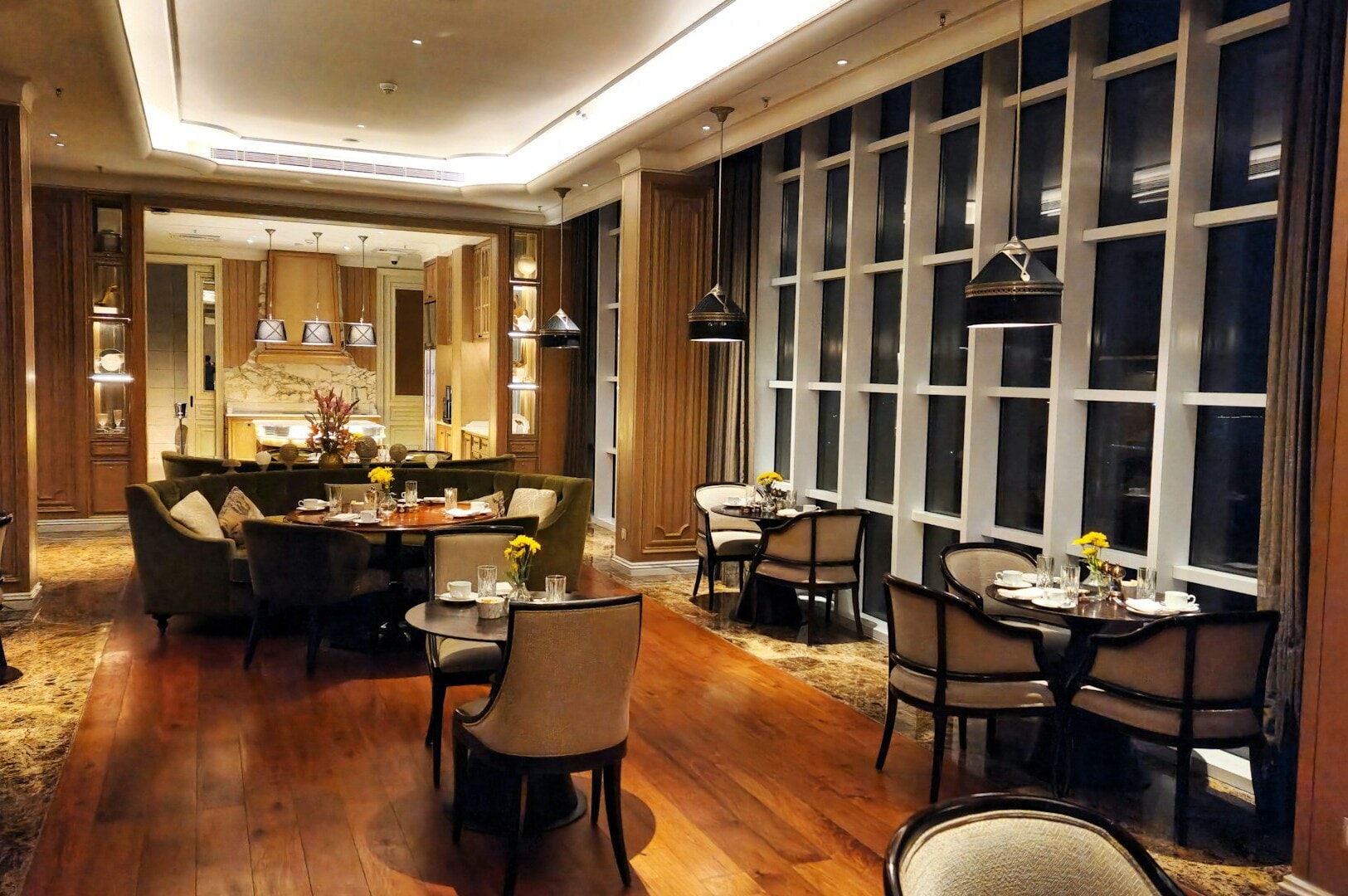
Arriving at your chosen restaurant is your first introduction to its sophisticated ambiance. Fine dining etiquette emphasizes punctuality; arriving on time shows respect for the restaurant and other diners. Many fine dining restaurants in Singapore—especially those at a hotel or offering stunning views—have valet parking or organized drop-off services. Upon entry, you’ll be greeted by the host or maître d’, who will confirm your reservations and escort you to your table.
Wait for the staff to pull out your chair and seat you; this small act adds elegance to the atmosphere and signals the attention to service. Your initial interactions set the tone for the evening, so be polite and appreciative with the service team. A pleasant word, a confident smile, and attentive posture as you are seated will make both you and your hosts feel at ease. In elegant surroundings, courteous and refined conduct leaves a wonderful first impression and enhances the overall dining experience.
Navigating the Table Setting
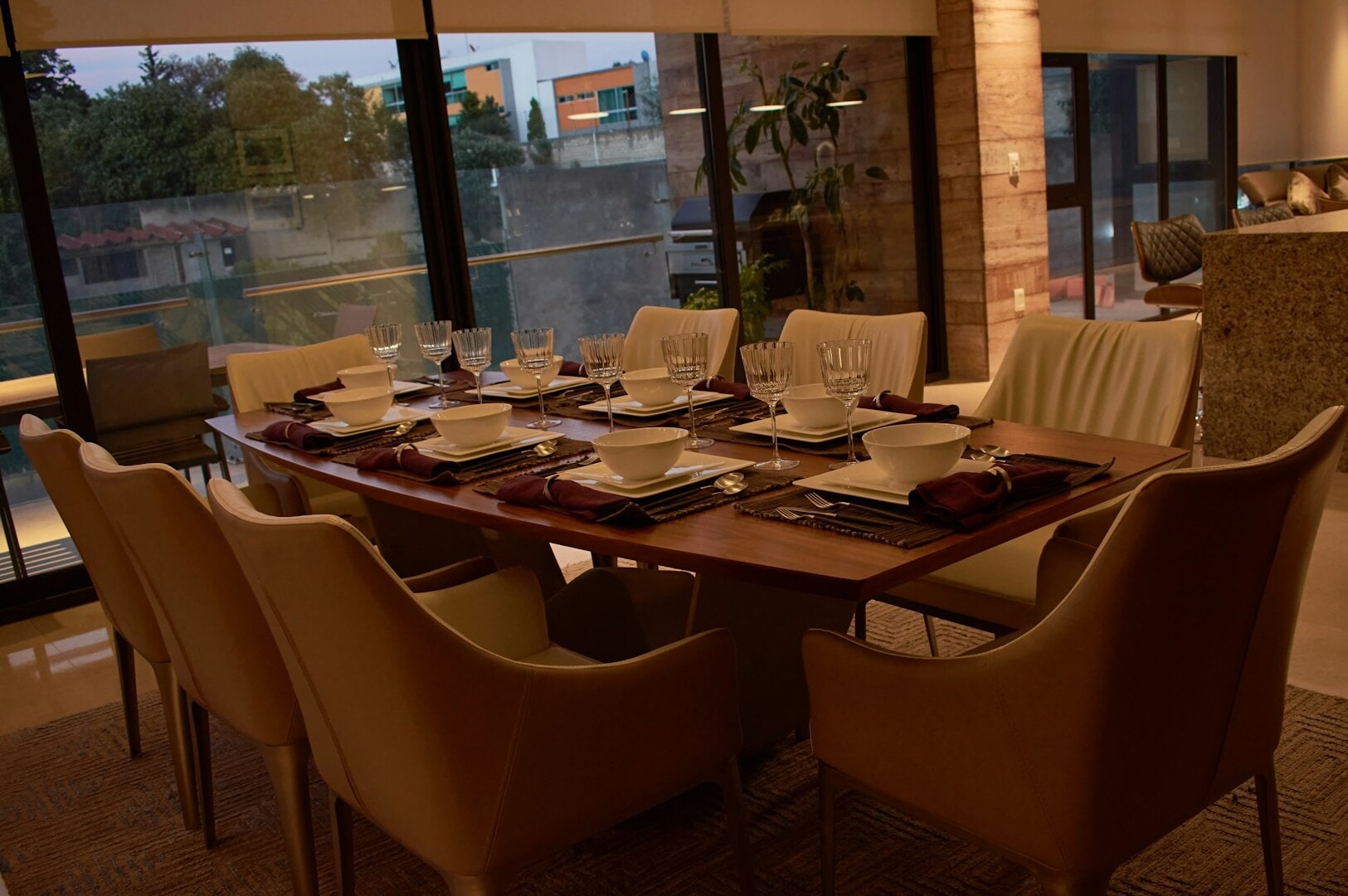
A classic hallmark of fine dining etiquette is the beautifully set table adorned with brilliant glassware, polished silverware, and crisp linens. At most fine dining establishments, you’ll encounter multiple sets of utensils and glasses arrayed before you. The key: work from the outside in as the meal progresses through each course.
To your upper left, you’ll find the bread plate, sometimes served with butter or olive oil. Directly above your plate are various glasses for water, wine, or champagne. The staff may provide additional glassware for other drinks throughout the evening. Specialty items like an oyster fork or soup spoon may be present, often depending on the menu.
Allow the attentive servers to clear or replace utensils as needed, so you can maintain focus on each exquisite dish. If unsure, observe fellow diners, wait for the staff’s cue, or simply ask—their goal is to guide you through every step, ensuring a refined and seamless meal.
Menu Navigation & Ordering
Menus at fine dining restaurants are often an art form in themselves, reflecting both the chef’s vision and the sophistication of the restaurant’s culture. You might encounter terms like prix fixe (a set menu of several courses), dégustation (a chef-curated tasting menu), or à la carte (individually ordered dishes). Tasting menu etiquette in Singapore leans toward savoring each course that the chef presents, allowing for a journey through the restaurant’s finest ingredients and culinary expertise.
Don’t hesitate to ask the server about dishes or highlight any dietary preferences. Experienced waitstaff in Singapore’s fine dining establishments are adept at suggesting suitable dishes or wines and helping you discover something new. Traditionally, servers may take orders from ladies first as a gesture of refined service. Whether you’re ordering the restaurant’s signature soup or embarking on a multi-course experience, remember that your comfort and enjoyment are what matter.
Wine & Beverage Etiquette
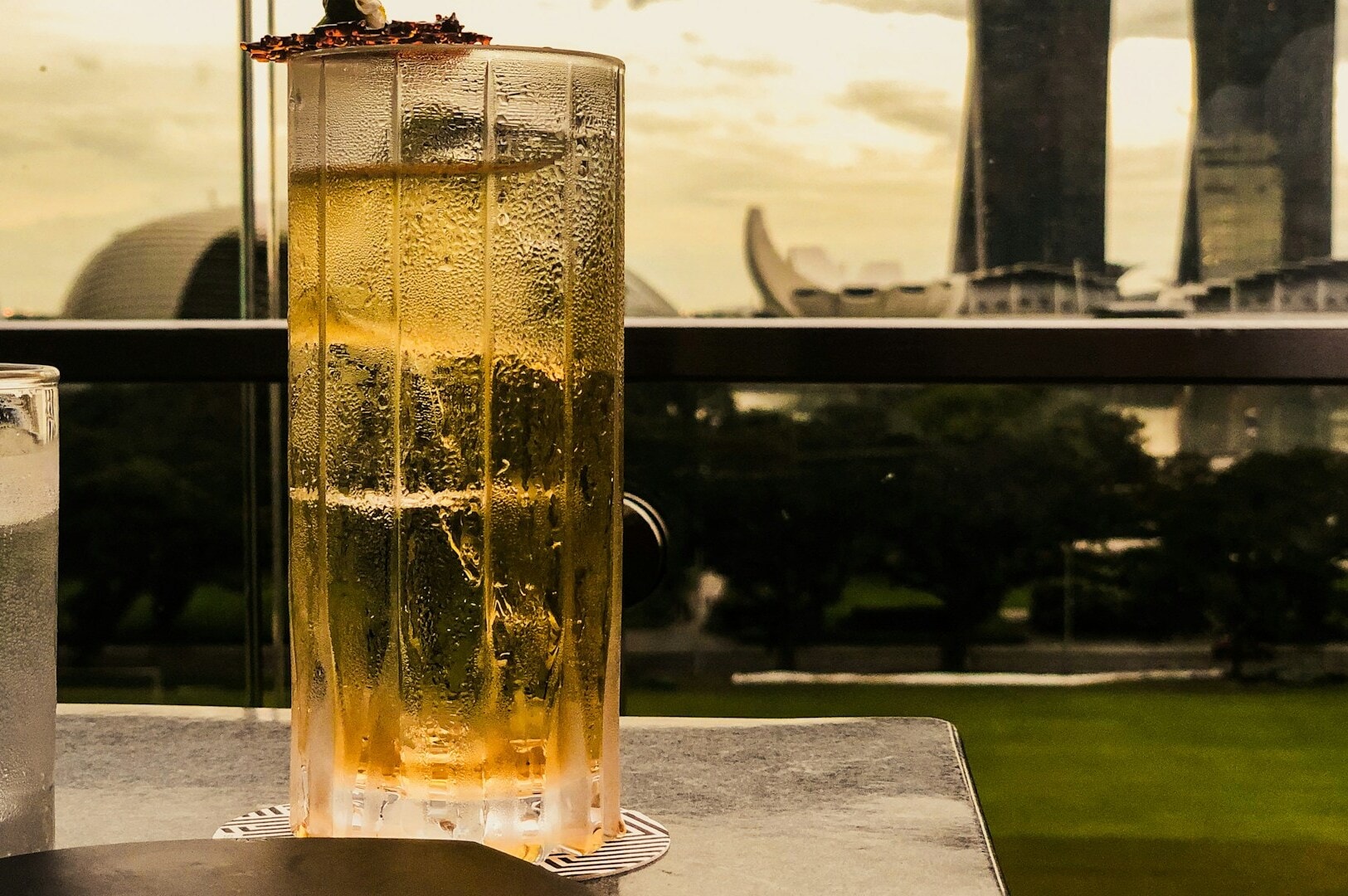
A hallmark of any memorable dining experience is the thoughtfully curated wine list. Many Michelin starred restaurants in Singapore employ a knowledgeable sommelier to help diners select the perfect pairing. When approached, share your preferences and budget openly—this ensures recommendations fit both taste and cost.
During the wine tasting ritual, inspect the bottle, observe the clarity and color through the glass, and taste a small pour. If the wine or drink meets your satisfaction, nod politely. Non-alcoholic pairings—such as specialty teas, artisanal sodas, or house-made juices—are increasingly offered in Singapore’s most sophisticated establishments. Don’t hesitate to explore these if you prefer something other than wine.
Dining Mechanics & Table Manners
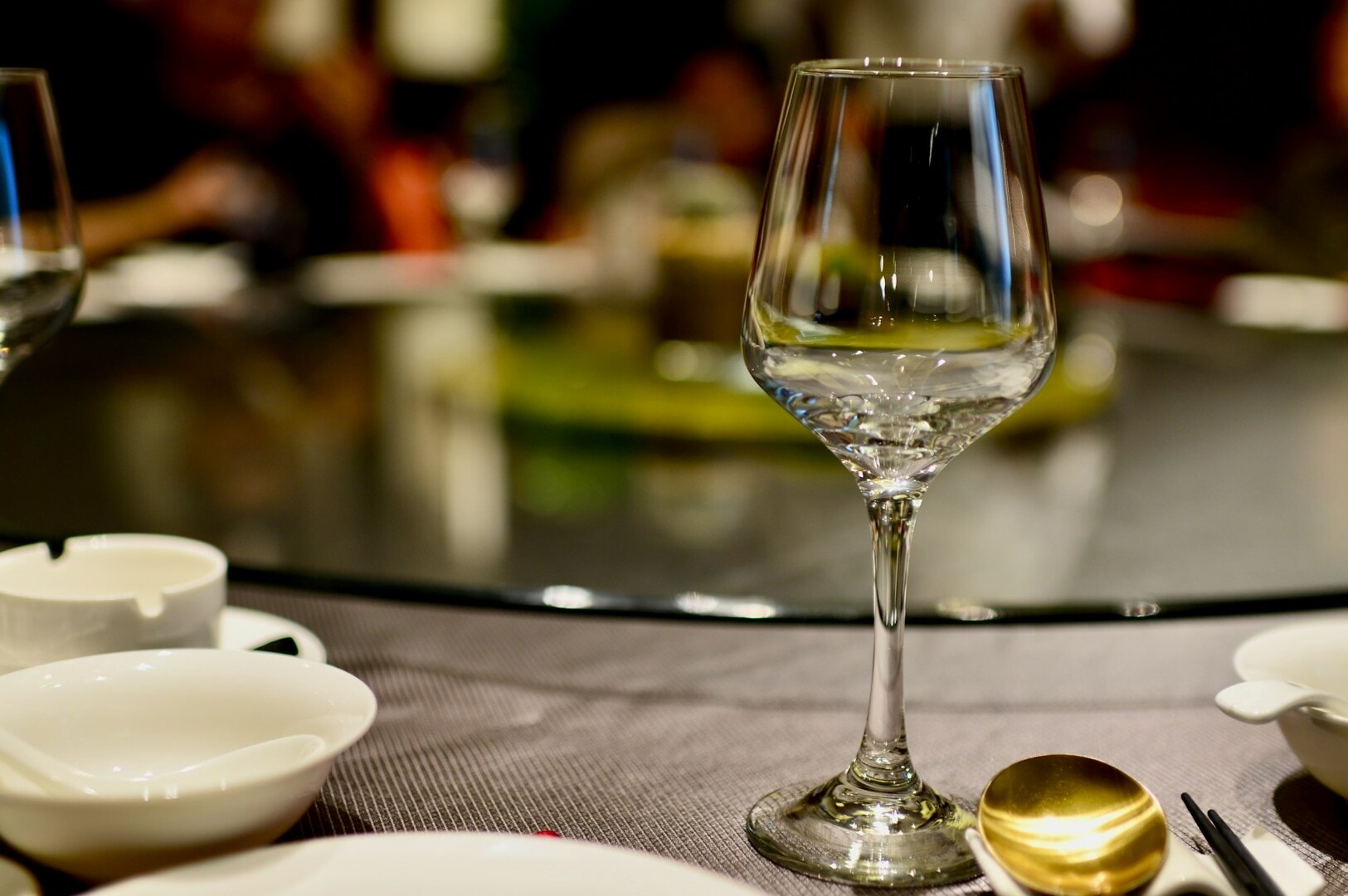
Proper etiquette and table manners are the foundation of every fine dining experience. Sit up straight, keep your napkin on your lap, and enjoy the sense of occasion the restaurant’s atmosphere creates. The Continental (fork in left hand, knife in right) and American (switching fork to right hand for eating) styles are both practiced in Singapore, and in sophisticated settings, either is acceptable.
When pausing between bites, rest your utensils on your plate in an inverted V or cross them for a polite, universal sign to wait. Once finished, place your knife and fork parallel at 4 o’clock—letting the service staff know you are done with your course. If you drop your utensils, discreetly excuse yourself and signal a staff member—never reach on the floor or disrupt the flow of conversation at the table. If you encounter challenging dishes—be it an unfamiliar ingredient or a sophisticated presentation—enjoy the opportunity to discover and learn; refined dining is about exploration as much as it is about elegance.
Service Interactions
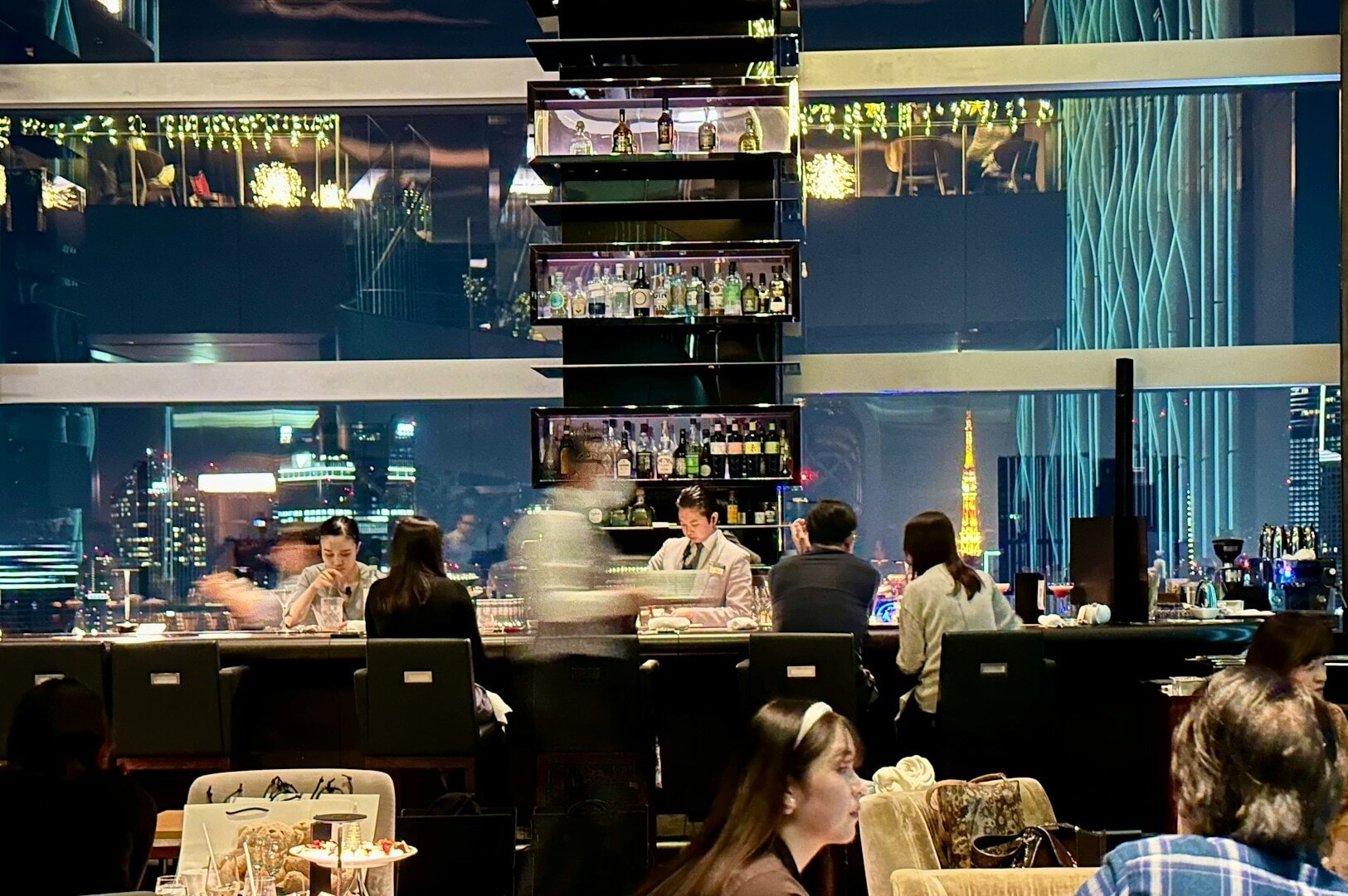
In world-class restaurants, service staff are trained to anticipate needs and enhance the dining experience. The maître d’ often orchestrates service, ensuring smooth transitions and attentive care. If you need to summon service, make eye contact or gently raise your hand—snapping fingers or calling out is never appropriate.
If a rare issue arises (for example, a dish is not to your liking), speak discreetly and politely. Fine dining establishments in Singapore pride themselves on hospitality and will strive to remedy concerns, whether it’s replacing a drink, adjusting the wine pairing, or making guests feel comfortable.
A genuine “thank you” at the end of the meal is always appreciated, and in some restaurants, especially those known for Teochew cuisine or with French influences, a polite word about the chef or service can go a long way.
Special Fine Dining Experiences with Chef Owner Emmanuel Stroobant
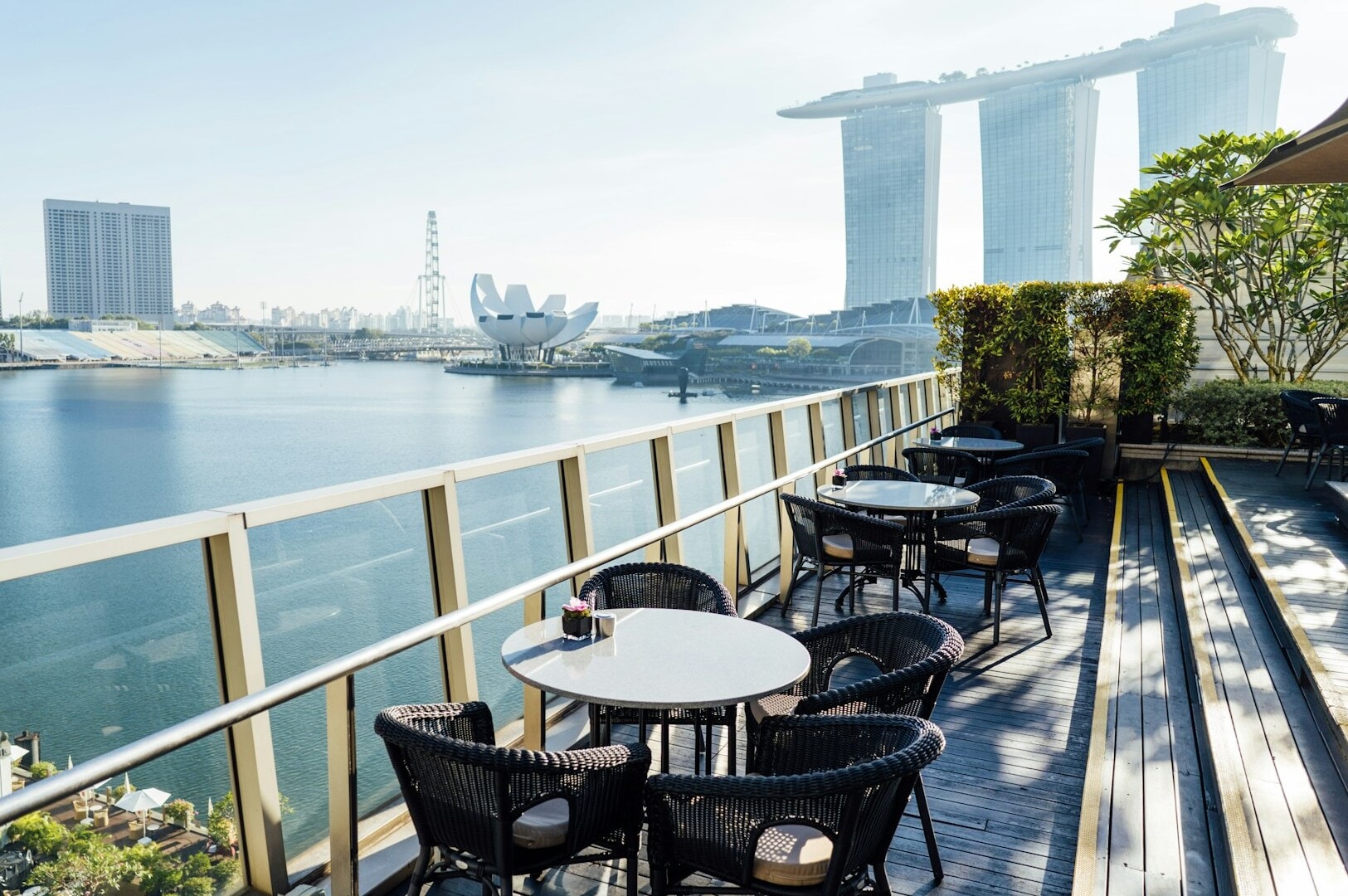
Many Michelin starred restaurants and high end hotels in Singapore offer unique experiential dining, such as a chef’s table or diners seated with a view into the kitchen. Chef Stroobant’s Saint Pierre, for example, is renowned for its sophisticated ambiance and the opportunity to engage directly with the chef. During your meal, you might be served an amuse-bouche, an intermezzo, or a surprise course inspired by seasonal ingredients.
Photography is generally welcomed, but tasteful and non-intrusive shots are preferred—after all, you’re in an elegant setting. When celebrating special occasions, alert the maître d’ in advance. Many establishments will create a custom dessert or bring a small cake to the table for the guest of honor. In this sophisticated culture, every detail is meant to make the evening feel rich and memorable.
Conclusion & Final Tips for Michelin Starred Dining
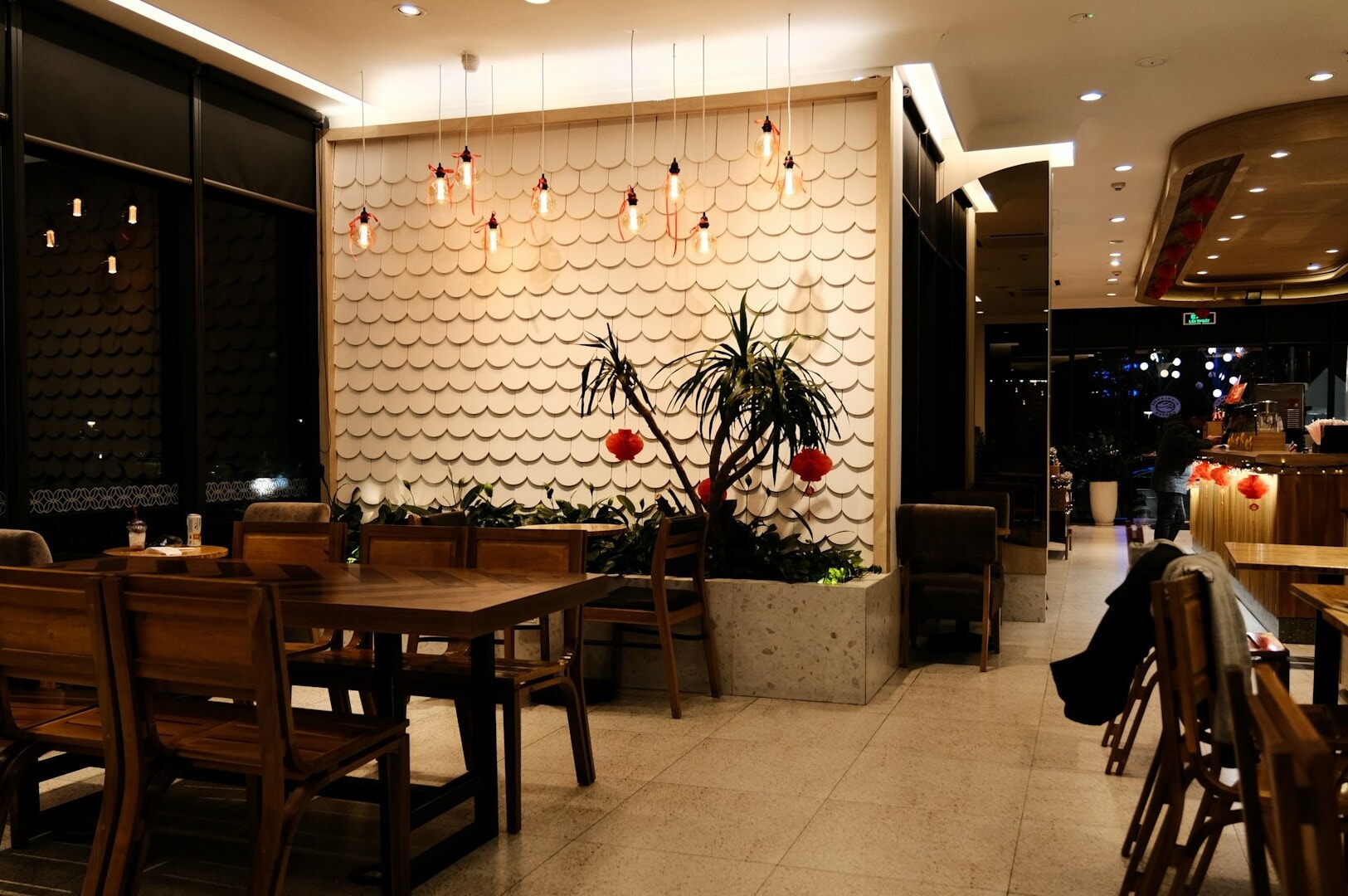
At the close of your meal, the bill is discreetly presented—review and settle it as smoothly as possible. The 10% service charge is customary, though an extra tip for extraordinary service may be left at your discretion. Thank the staff and maître d’ as you depart, leaving a lasting impression of your pleasant and sophisticated demeanor.
Fine dining etiquette is not designed to intimidate but to create an atmosphere of elegance, refinement, and appreciation for life’s finest moments. Armed with this guide, you are ready to discover the best of Singapore’s fine dining restaurants, indulge in exquisite flavors, and enjoy every sense and sensation offered by the city’s world-class culinary scene. For those new to the experience, start at a chic bistro or Bib Gourmand restaurant, and as your confidence—and taste for sophistication—expands, explore the incredible world of Michelin starred, high end establishments that make Singapore a global beacon for those who love to eat, drink, and celebrate special occasions in style.
For deeper insight, you may enjoy our feature on Singapore Michelin Chefs: Behind the Stars – Exclusive Interviews with Singapore’s Michelin-Starred Chefs and our neighborhood dining guide Holland Village Restaurants to Dempsey Hill: West Singapore’s Food Paradise.
