Singapore has firmly established itself as one of the world’s premier gastronomic capitals, a reputation built not just on its legendary hawker centers, but on an increasingly sophisticated landscape of fine Chinese dining Singapore. Cantonese cuisine is one of the most popular culinary styles in Singapore, and Chinese cuisine in Singapore is diverse, featuring regional subspecialties such as Teochew, Cantonese, and Shanghainese. For the epicurean, the city-state offers an unparalleled concentration of culinary excellence, particularly within the realm of Michelin-starred Chinese cantonese restaurants. While the island is a melting pot of cultures, the pinnacle of its high-end cantonese cuisine scene is dominated by the elegance and precision of premium Cantonese cuisine Singapore. Singapore’s high standards for Chinese cuisine are a reflection of its large Chinese ancestry population, ensuring authenticity and quality across its dining establishments.
Entering this world is about more than just sustenance; it is an immersion into centuries of culinary tradition refined for the modern palate. From the opulent main dining halls of hotels in Marina Square to heritage establishments near Raffles City, many of these restaurants are located within hotels in central locations, making them easily accessible for those wishing to visit. High-end Chinese restaurants Singapore offer a level of service and artistry that rivals the best in Paris or Tokyo. The integration of art and design in the interiors of these restaurants enhances the sophisticated ambiance, creating a truly aesthetic environment. This guide is designed to help you navigate this luxurious landscape, offering insights into the etiquette, expectations, and gastronomic delights that define luxury Cantonese dining Singapore. We invite you to visit these restaurants in Singapore to experience their unique blend of tradition and modernity, and to discover how local flavors influence Cantonese cuisine. Whether you are a seasoned gourmand or a curious traveler, understanding these nuances will elevate your dining experience from a simple meal to a memorable cultural event.
Understanding Fine Chinese Dining and Cantonese Cuisine Standards
To truly appreciate cantonese fine dining Singapore, one must first understand the criteria that separate a good meal from a world-class one. When the Michelin Guide inspectors award stars to Singapore Michelin Chinese restaurants, they are looking for consistency, mastery of flavor and cooking techniques, the personality of the chef in the cuisine, value for money, and the quality of the ingredients. In the context of Chinese dining, this often translates to the masterful execution of wok hei (breath of the wok), the clarity of double-boiled soups, and the delicate intricacy of dim sum.
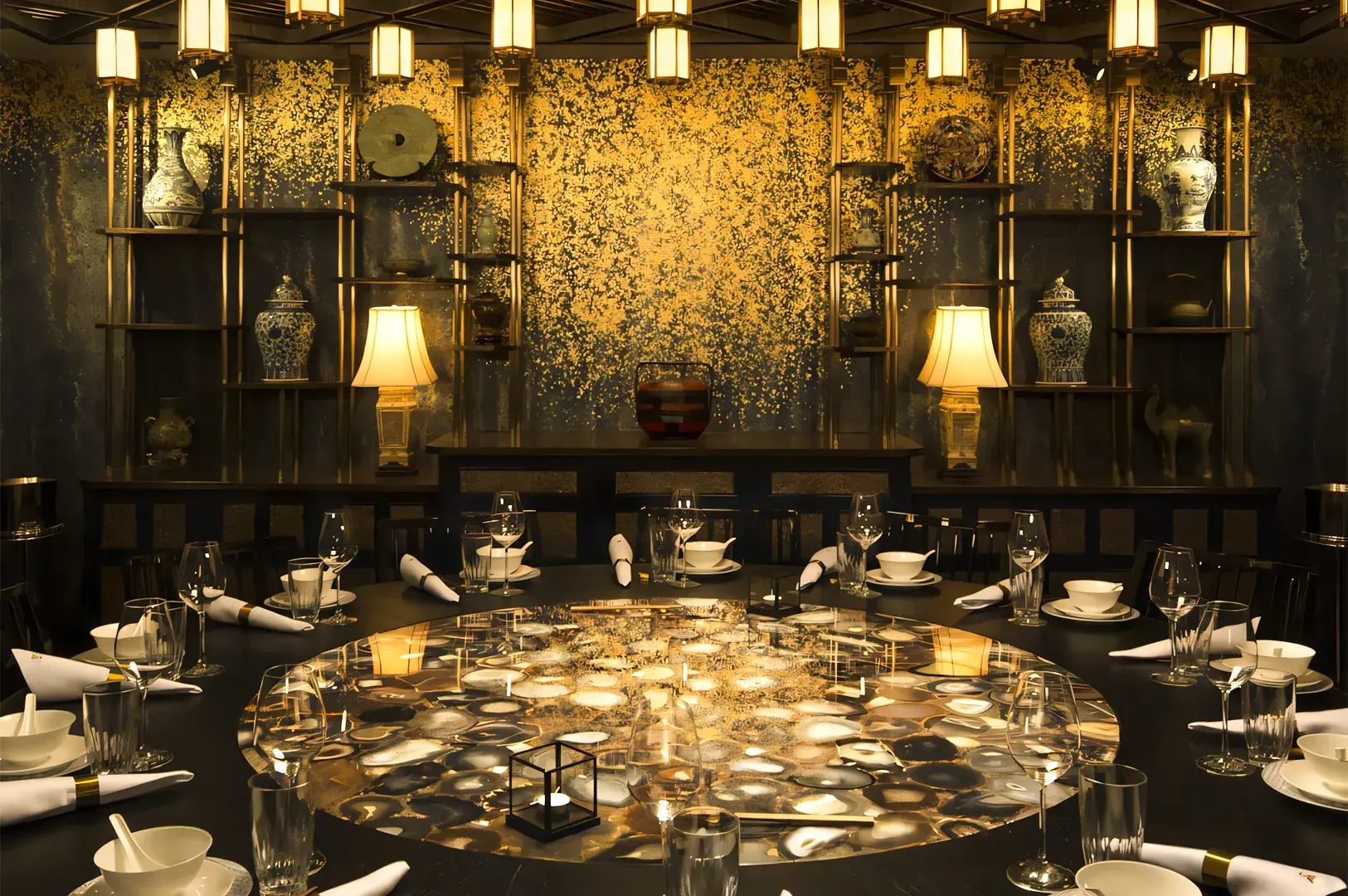
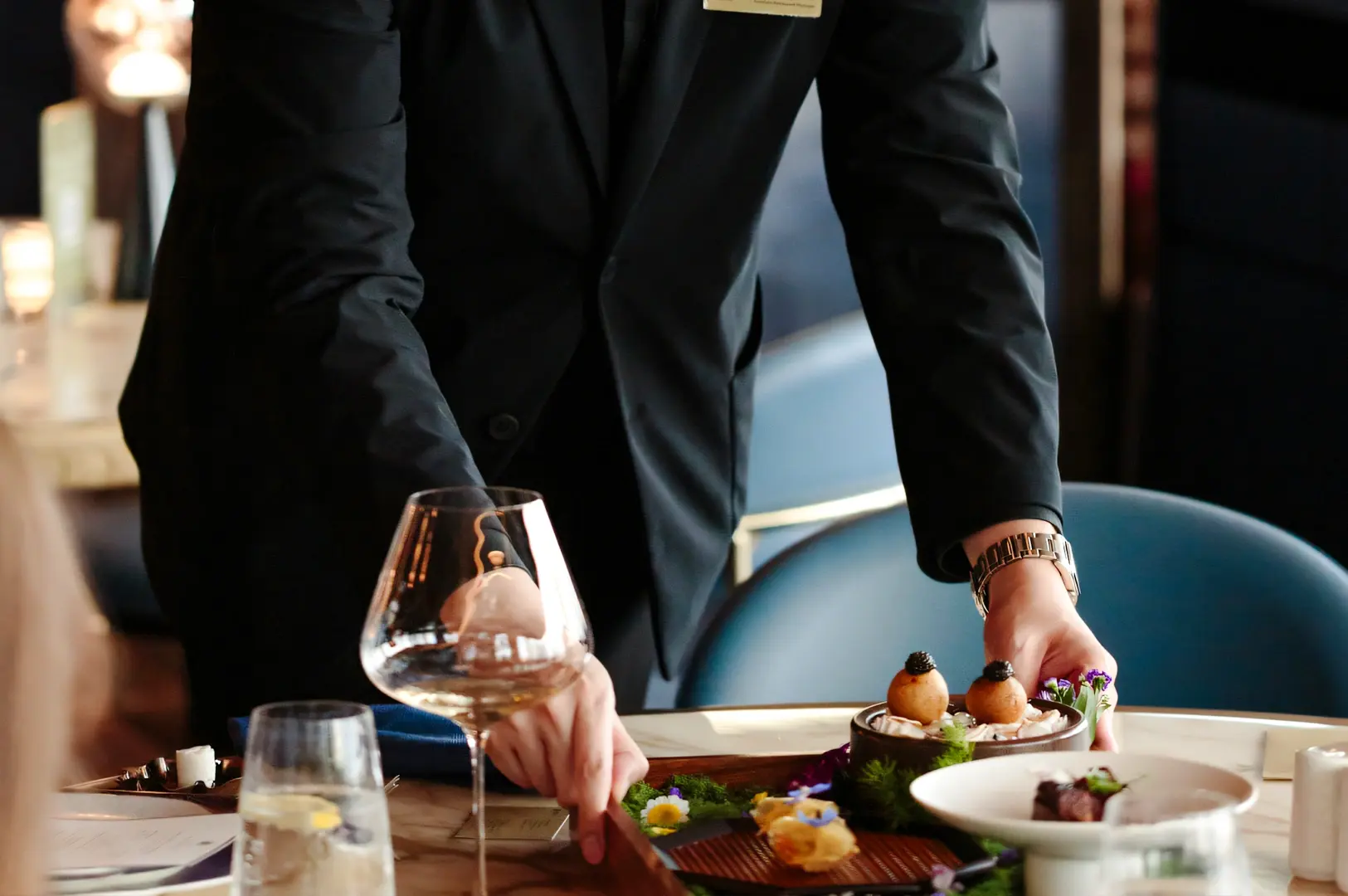
Premium Chinese restaurants Singapore are distinguished not just by their food, but by their service standards. Unlike the casual bustle of a zi char eatery, fine dining establishments operate with a quiet, synchronized efficiency. Waitstaff are trained to anticipate needs, often portioning individual servings from communal platters with surgical precision. The ambiance is equally important; expect plush interiors, fine china, and an atmosphere of timeless elegance and quiet reverence for the food. Cantonese fine dining restaurants in Singapore often feature elegant interiors and attentive service, referencing traditional Chinese motifs with contemporary finishes, and strictly enforce dress codes. The artful presentation of dishes and a focus on authentic taste cater to diverse palates, enhancing the overall enjoyment and making the dining experience both joyful and memorable.
Price expectations vary significantly depending on the time of day. A lunch service featuring dim sum can be a relatively accessible entry point, ranging from SGD $60 to $100 per person. However, a dinner service at a Michelin star Chinese food Singapore establishment, particularly one involving dried seafood delicacies like hairy crab or abalone, can easily command prices starting from SGD $200 and reaching well into the thousands for rare vintages and ingredients.
Michelin-Starred Chinese Cantonese Restaurant Dining Experiences
The landscape of Michelin-starred Chinese cantonese restaurants in Singapore is diverse, ranging from historic institutions like Jiang Nan Chun and Man Fu Yuan to modern, innovative kitchens. A one-star establishment typically signifies “high-quality cooking, worth a stop,” where you can expect excellent execution of traditional signature dishes. Two and three-star venues offer “excellent cooking, worth a detour” and “exceptional cuisine, worth a special journey,” respectively. At this tier, the dining experience becomes theatrical. Discover the curated menus and indulge in signature dishes such as Peking Duck and dim sum, elevating your fine Chinese dining Singapore journey. Across Singapore, various outlets allow diners to choose where to dine, each offering unique experiences and refined ambiance.
Menus are often divided into elaborate tasting courses and extensive à la carte options. For the uninitiated, the tasting set menus are the best way to experience the chef’s philosophy. It orchestrates a progression of flavors, usually starting with a trio of appetizers (like roast pork belly or jellyfish), moving through soup, seafood, meat, a vegetable dish, a starch (noodle or rice), and finally, dessert. Signature delicacies in fine dining Cantonese Singapore often feature premium ingredients: think braised superior bird’s nest, whole abalone in oyster sauce, or steamed soon hock fish.
Reservations are essential, especially for private dining rooms or private rooms ideal for corporate events, weddings, or special occasions. Many fine dining Chinese restaurants in Singapore offer private dining rooms for intimate gatherings and frequently host private events and celebrations. For three-star establishments, booking two to three months in advance is standard protocol. When booking, be mindful of the dress code. High-end Chinese restaurants Singapore generally enforce a smart casual or formal dress code—long trousers and covered shoes for men are mandatory. Guests should also be aware of the last order times at various outlets to ensure a complete dining experience. Dining protocols also emphasize respect; it is customary to let the most senior person at the table begin eating first, a nod to Confucian values that permeate the dining culture.
These benchmarks are reflected across the restaurants featured on Singapore Best Restaurants, where culinary consistency, ingredient integrity, and service excellence form the basis of every recommendation.
Premium Cantonese Cuisine Traditions in Singapore
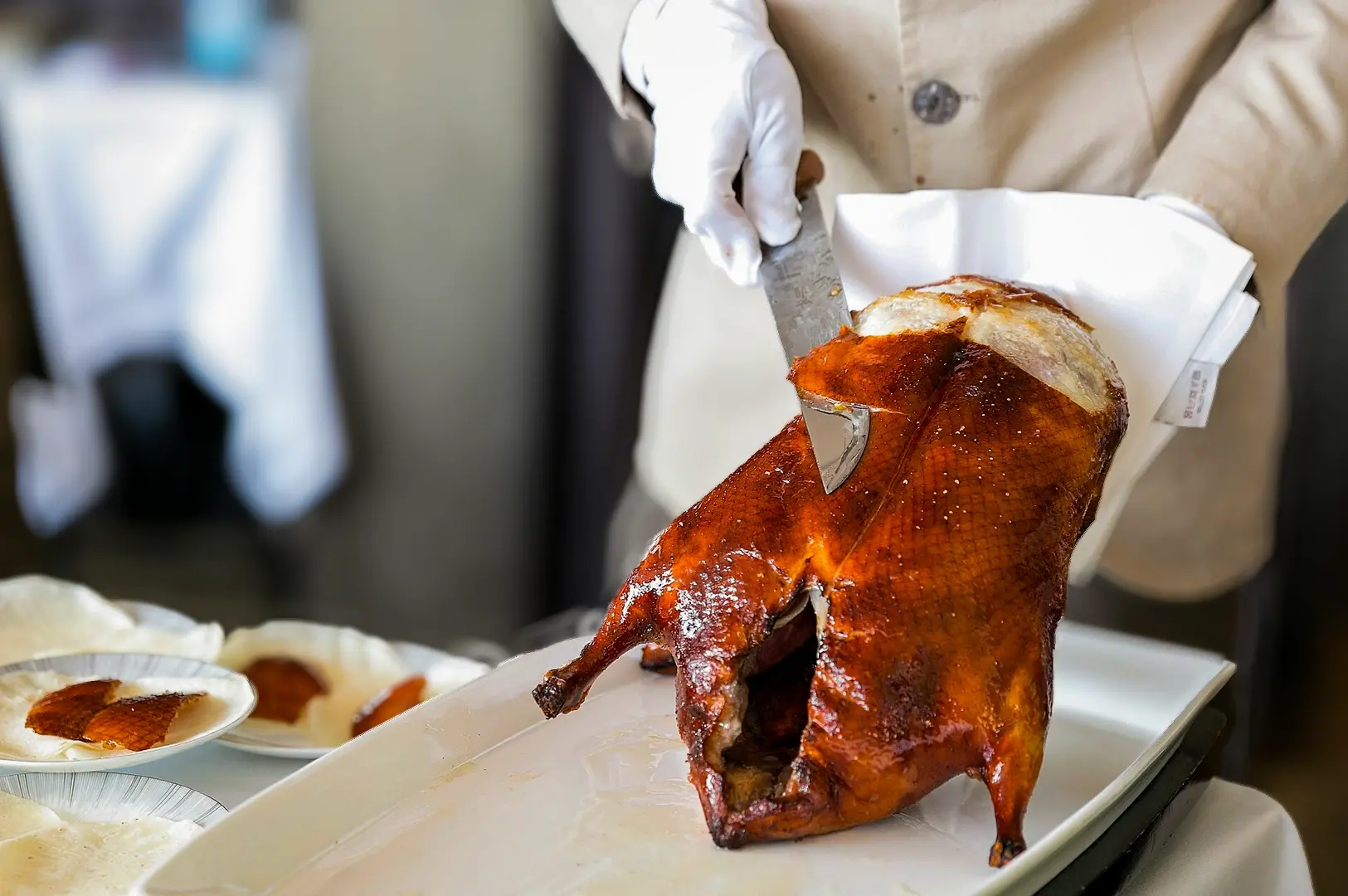
The heart of premium Cantonese cuisine Singapore lies in its respect for the natural flavor of the ingredients. Unlike cuisines that mask ingredients with heavy spices, Cantonese cooking seeks to highlight freshness through techniques like steaming, roasting, and braising. Diners can expect a wide selection of dishes, including both traditional and modern interpretations, with signature offerings such as Peking Duck and a variety of dim sum that showcase the diversity and quality of fine Chinese dining.
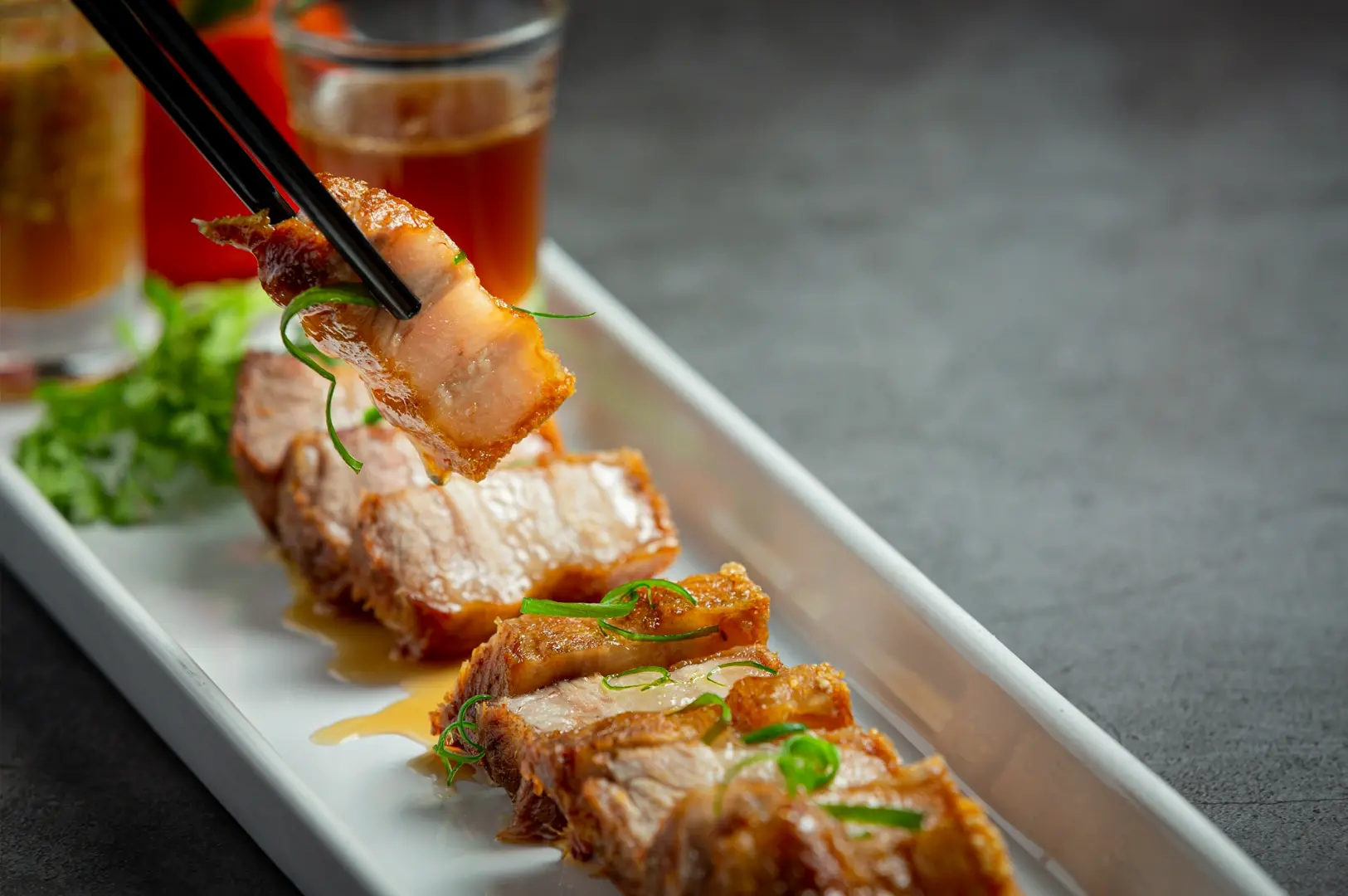
Roasting is perhaps the most visually iconic technique. A platter of Cantonese roast meats (siu mei)—featuring crispy roast pork (siew yoke), honey-glazed char siew, and roast duck—is a benchmark for any kitchen. The skin must be distinctively crisp, the meat succulent, and the fat rendered perfectly. The famous Peking duck is a must-try signature dish in many cantonese restaurants and chinese cantonese restaurants in Singapore. Steaming is another pillar, used primarily for fresh seafood. A live garoupa steamed with soy sauce, ginger, and scallions is the ultimate test of a chef’s timing; the flesh must detach from the bone effortlessly while retaining a slight bounce.
Ingredient sourcing in luxury Cantonese dining Singapore is obsessive. Chefs vie for the best dried scallops from Hokkaido, fish maw from New Zealand, and poultry from specific organic farms in Malaysia. Seasonal variations also play a role; hairy crab season in late autumn is a major culinary event, where menus transform to feature the rich, creamy roe of these prized crustaceans.
No discussion of fine Chinese dining Singapore is complete without tea. In addition to specialty teas, restaurants offer a variety of beverages and drinks, including a curated wine selection and other options that complement the cuisine, with some venues even allowing guests to bring their own beverages. Tea pairing is as sophisticated here as wine pairing in the West. A meal might begin with a light White Peony tea to cleanse the palate, move to a robust Pu’er to cut through the richness of roast meats, and end with a floral Tieguanyin.
Making the Most of Your Fine Chinese Dining Experience in Singapore
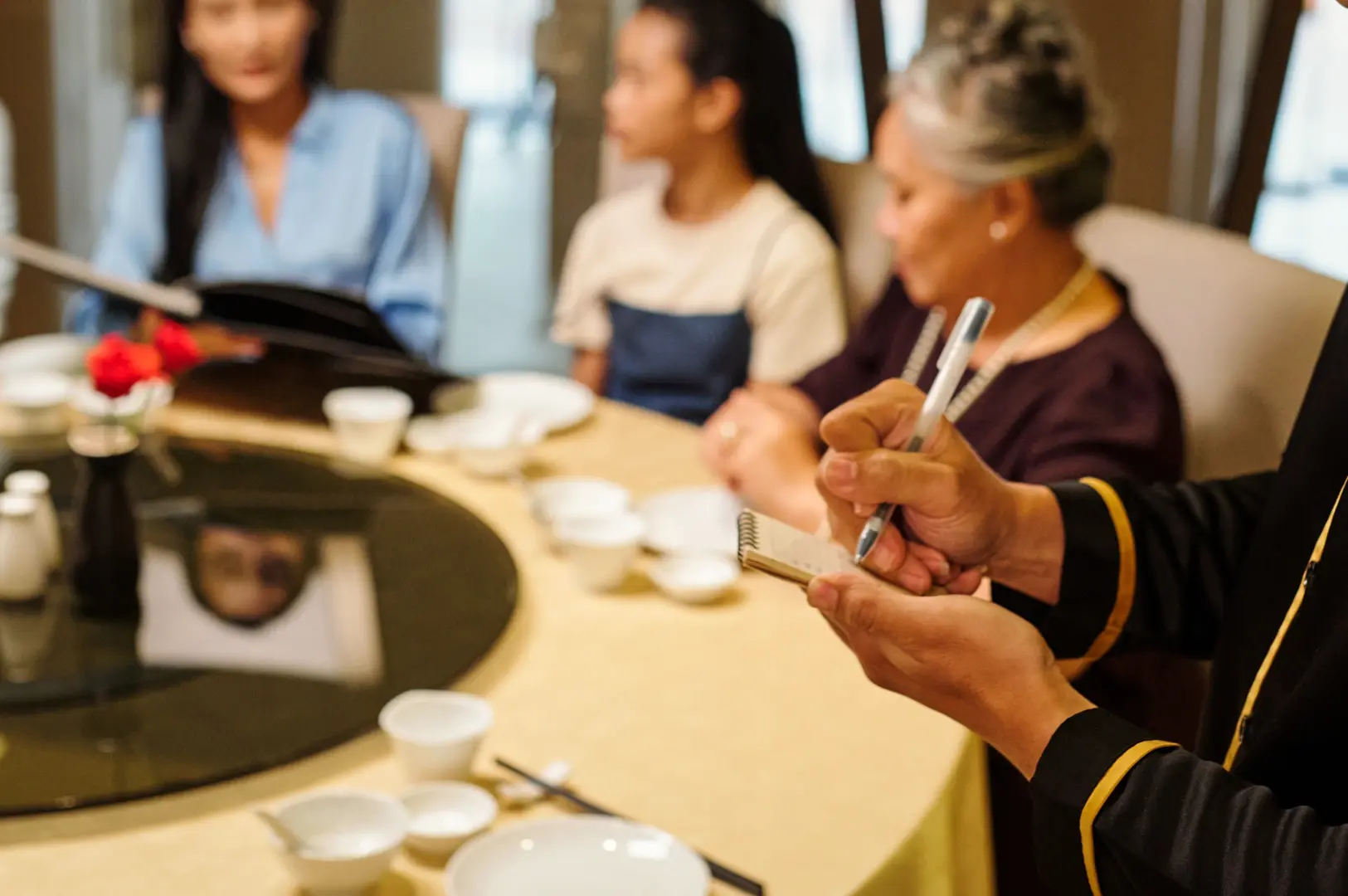
Navigating a meal at a Michelin star Chinese food Singapore venue requires strategy. If you are dining as a couple, tasting set menus are practical. However, Chinese dining is communal by design. A party of four to six guests is ideal, allowing you to order à la carte and sample a wider variety of textures and flavors. The main dining hall is designed to accommodate both regular diners and special events, and visiting during weekends (Saturday and Sunday) or public holidays may offer unique menu options or experiences.
When ordering, consider the balance of the meal—a concept known as yin and yang. Balance “heating” foods (fried, roasted) with “cooling” ones (steamed, boiled). Ensure a mix of textures: something crisp, something soft, something soupy. Pacing is key; unlike Western dining where main courses arrive together, dishes in fine dining Chinese restaurants are often served sequentially, course by course.
Timing also matters. Dim sum is traditionally a lunch affair. Visiting a premium Chinese restaurant Singapore for dinner expecting a full array of steamer baskets is a common faux pas; dinner menus focus on mains and delicacies. For business gatherings or intimate family celebrations, inquire about private dining rooms or private rooms. These spaces offer exclusivity and often allow for custom menu planning with the chef.
Finally, do not hesitate to ask the sommelier for wine recommendations. High-end Cantonese food pairs exceptionally well with Burgundy whites or Pinot Noir, which complement rather than overpower the delicate umami flavors. When planning your visit, check the restaurant’s opening hours, as some may be closed on Mondays or have extended hours on Fridays, and look out for limited time promotions.
Exploring Other Regional Chinese Cuisines Beyond Cantonese
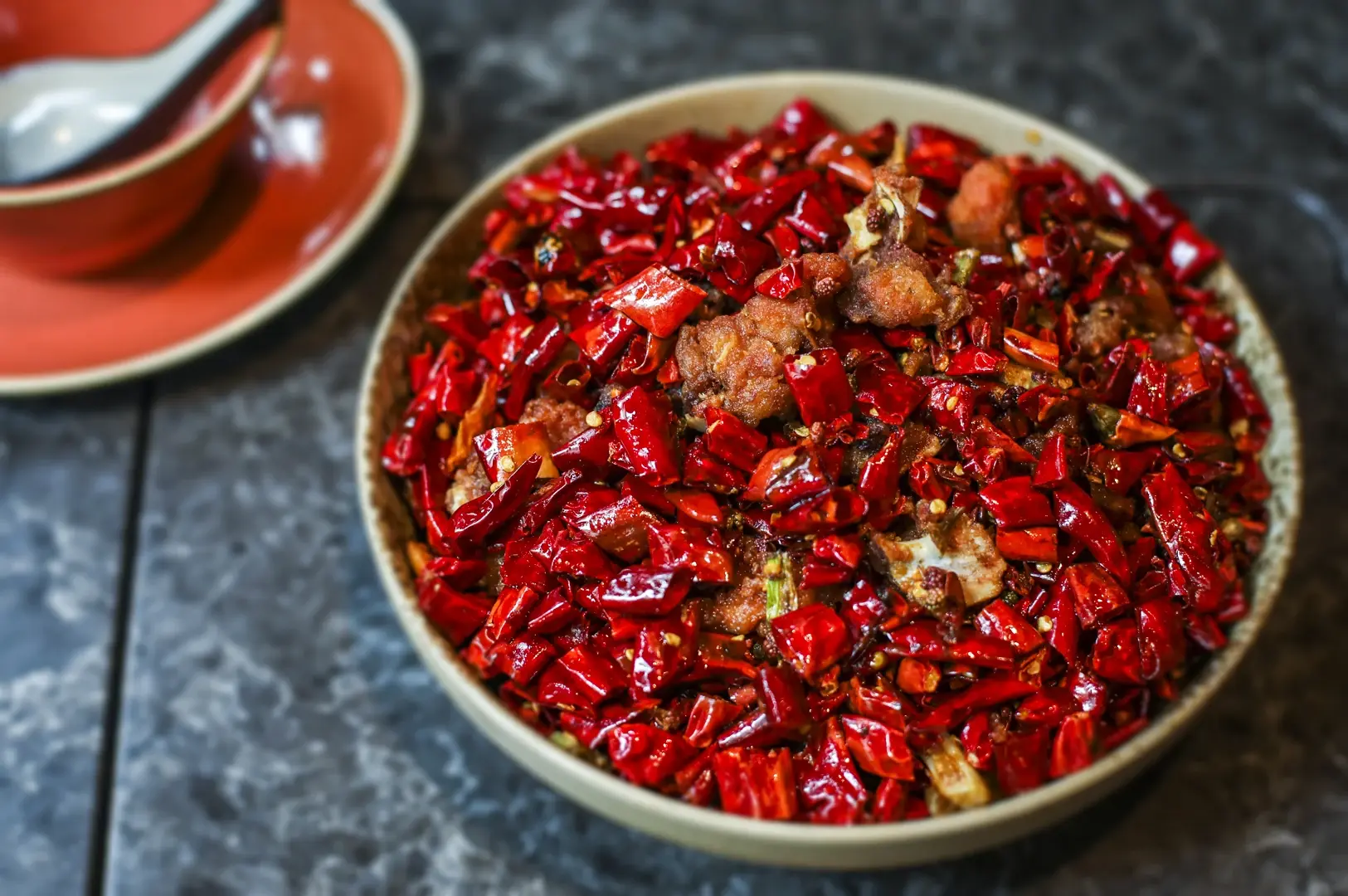
While cantonese fine dining Singapore dominates the luxury sector, the city is seeing a rise in other regional high-end concepts. Sichuan cuisine, often misunderstood as merely spicy, is finding its footing in the fine dining space. Here, the focus shifts to the complexity of the 24 distinct flavor profiles of Sichuan cooking, utilizing premium peppercorns and intricate knife work.
Similarly, Huaiyang cuisine—known for its incredible knife skills and light, sweet-savory profiles—is emerging as a sophisticated alternative. Exploring these options allows diners to appreciate the vastness of Chinese gastronomy beyond the familiar Cantonese staples. However, for the quintessential fine Chinese dining Singapore experience that defines the city’s Michelin success, the Cantonese table remains the gold standard.
Conclusion: An Unforgettable Experience in Singapore’s Fine Chinese Dining Scene
The fine Chinese dining Singapore scene is a testament to the city’s obsession with quality and tradition. From the precise fold of a dumpling to the complex broth of a double-boiled soup, every element tells a story of rich heritage and mastery. Whether you are seeking Michelin-starred Chinese restaurants Singapore for a once-in-a-lifetime meal or exploring premium Cantonese cuisine Singapore for a business lunch or corporate events, the experience promises to be culturally enriching and gastronomically profound. We encourage you to venture beyond the familiar, trust the chefs, and savor the artistry that makes Singapore a global beacon for Chinese cuisine.
Whether guided by personal exploration or curated resources by us, discovering Singapore’s fine Chinese dining scene is ultimately an invitation to slow down and savor culinary craftsmanship at its highest level.
