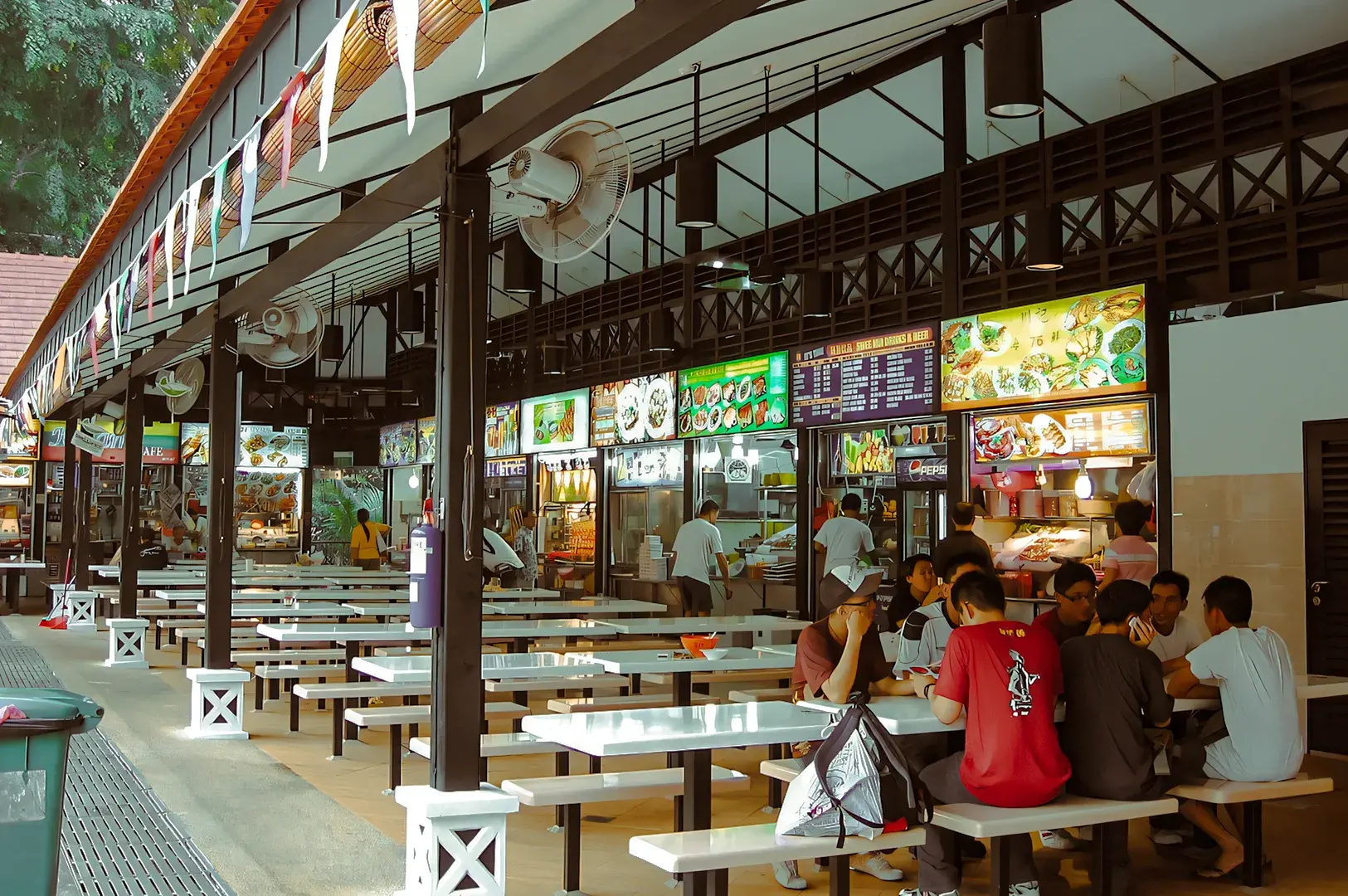
For an island so compact, Singapore’s culinary diversity is vast. The secret to understanding this richness lies in exploring its distinct districts, each with a unique food personality shaped by its history, demographics, and geography. To truly appreciate eating Singapore, one must explore the vibrant hawker stalls, traditional coffee shops with their nostalgic kopitiam culture and signature kaya toast, and renowned food centres that tell the story of each neighborhood. Singapore bars, from upscale cocktail lounges to casual local spots, also play a key role in the city’s dynamic food and drink scene.
This exploration reveals layers of Singapore’s identity, one plate at a time. The practice of eat in Singapore locals embrace daily shows that food is more than just nourishment; it’s an expression of community and culture. Peranakan cuisine, blending Chinese and Malay flavors, is a significant part of Singapore’s culinary identity. The influence of Indian cuisine is also evident, with popular dishes like murtabak and biryani enjoyed across the island. This journey through the island’s different areas highlights how location influences not just what people eat, but how and why they eat it.
Singapore’s culinary landscape is shaped by its history as a trading port, which introduced a variety of ingredients and cooking techniques. The city is known for its diverse food scene, offering everything from affordable hawker stalls to high-end restaurants, catering to all budgets. Hawker Centres in Singapore provide an authentic and affordable culinary experience, and are recognized by UNESCO for their cultural significance.
Eastern Singapore: Coastal Heritage and Peranakan Food Traditions
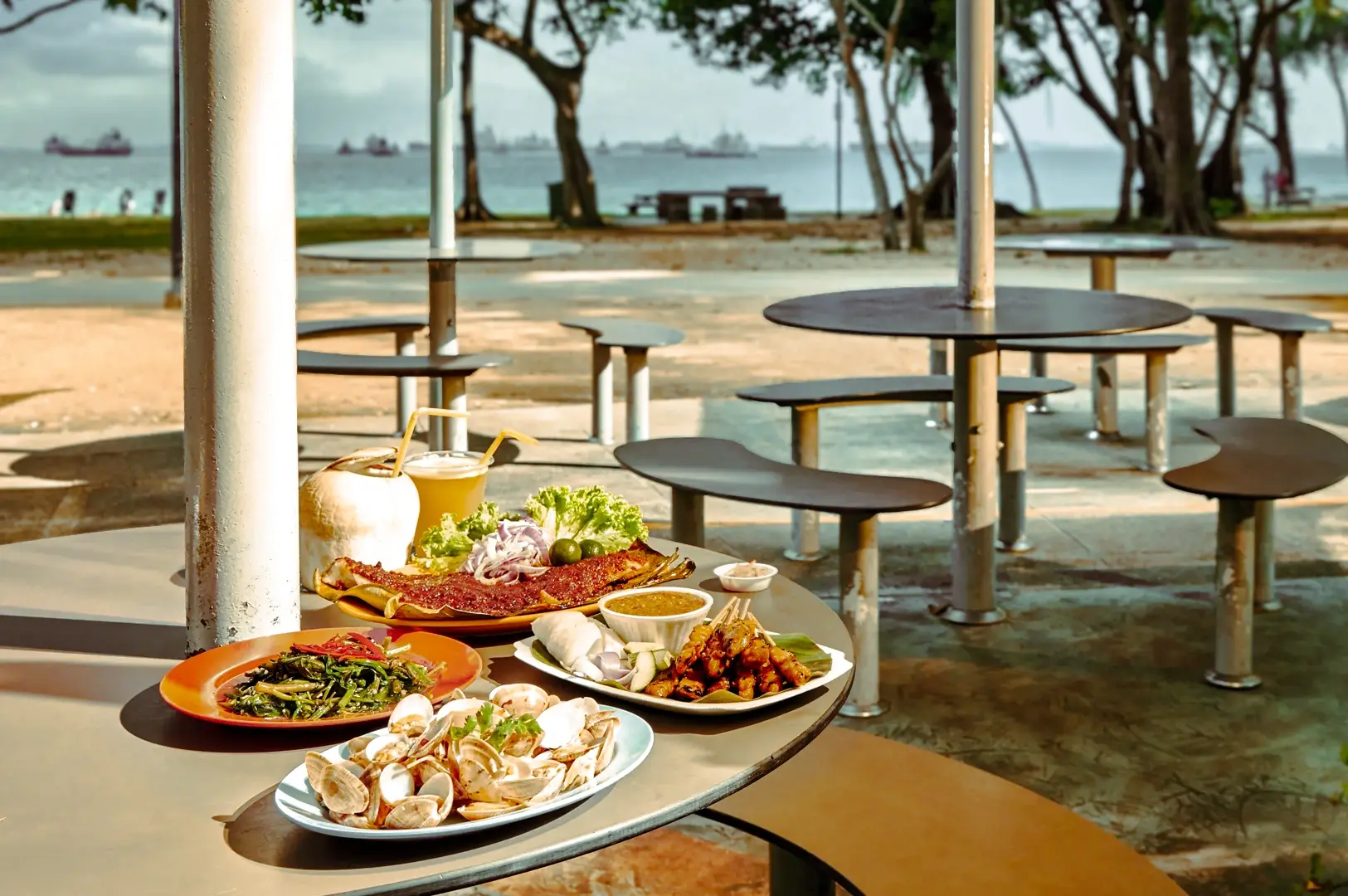
The eastern part of Singapore is defined by its coastal heritage and a more relaxed, residential pace. Katong and Joo Chiat are the heartlands of Peranakan food, a unique cuisine that blends Chinese and Malay influences, often featuring rich flavors and spices. Colorful shophouses serve iconic dishes like curry laksa — a popular dish in Singapore that combines Chinese and Malay flavors in a spicy noodle soup made with rich coconut milk and rice noodles. Kaya toast, a traditional breakfast dish, exemplifies the blend of Malay and Chinese cultures in Singapore. Here, you’ll also find fragrant rice cooked with local spices, reflecting the blend of Chinese and Malay culinary influences.
East Coast Lagoon Food Village offers a seafood lover’s paradise with grilled specialties and black pepper crabs, while Geylang is famous for its authentic Malay cuisine and late-night hawker stalls serving fried chicken, roti prata, and other street food delights, including deep fried snacks and local specialties featuring crunchy bean sprouts. Spicy sauce is a common accompaniment to many Malay dishes in the area, enhancing their flavor profile. Geylang is also home to iconic establishments like Hjh Maimunah Restaurant and Maimunah Restaurant, both renowned for their cultural significance, authentic Malay and Muslim cuisine, and extensive menus near the Sultan Mosque in Kampong Glam. Nasi lemak, a traditional Malay dish popular in Singapore, consists of rice cooked in coconut milk and served with various accompaniments. The residential neighborhoods like Bedok and Tampines feature bustling hawker centres where families gather for traditional meals featuring minced pork, fried tofu, and rice cakes.
Central Singapore: The Hub of Iconic Dishes and Food Centres
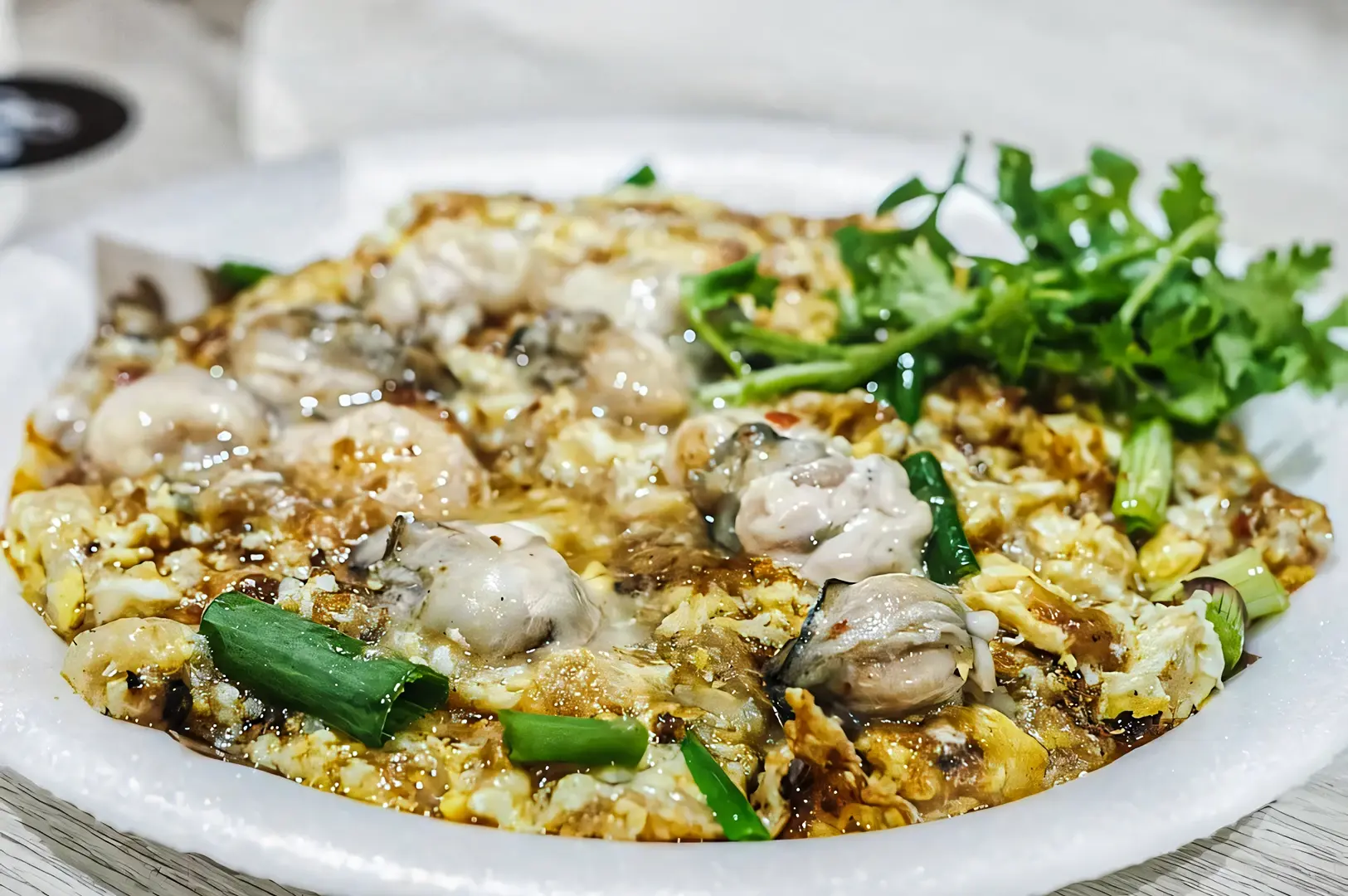
Central Singapore is the bustling heart of the island where cultures converge and culinary heritage thrives. Chinatown is a treasure trove of chinese origins dishes, from steamed dumplings and oyster omelette to char siu and pork belly. Char kway teow is a signature dish here—stir-fried flat rice noodles with shrimp and Chinese sausage, cooked over high heat with dark soy sauce for a smoky flavor that locals love. This popular dish is a staple at many hawker stalls and is often enjoyed with a cold beer in the lively street food atmosphere.
The famous Maxwell Food Centre is a must-visit, known for its best hawker stalls like Tian Tian Hainanese chicken rice, where the chicken is tender and the fragrant rice is cooked with a flavorful broth. The flavorful rice is a key highlight, complemented by pureed ginger as a traditional dipping sauce and a dash of white pepper for seasoning. Soy sauce is also commonly served as a condiment for breakfast dishes and noodles. Many hawker stalls here have gained recognition, with some even being Michelin starred or listed among Michelin starred restaurants—Hawker Chan, for example, is renowned as the first street food vendor in the world to receive a Michelin star for its soy chicken and rice.
Fish cake is a common ingredient in traditional dishes like yong tau foo and laksa, adding texture and flavor to soups and noodle bowls. Chili crab, often referred to as one of Singapore’s national dishes, is a must-try for visitors, featuring crabs cooked in a sweet and spicy thick sauce that is perfect for mopping up with bread.
Nearby, Little India offers vibrant flavors with banana leaf rice and spicy curries such as beef rendang, while Kampong Glam showcases Malay and Arab influences with dishes like nasi lemak featuring coconut rice and chili sauce. Murtabak, a stuffed flatbread filled with spiced meat, and nasi padang, a rice dish served with a variety of side dishes, are also popular dishes in these districts. These food courts and hawker stalls provide an authentic taste of Singaporean life, blending tradition with modern dining, and are perfect spots to enjoy a cold beer with your meal.
Central Singapore is also home to many famous dishes and signature dishes that define the local food scene. Bak kut teh, meaning ‘meat bone tea’, is a famous dish of pork ribs in herbal broth. Wanton mee features egg noodles with wanton dumplings and char siu. Hokkien mee is a popular fried noodle dish with yellow egg noodles and white rice noodles. Carrot cake (Chai Tow Kway) is made from daikon radish and rice flour, fried with eggs. Fish bee hoon is a noodle soup with fish in a milky broth. Bak chor mee consists of egg noodles topped with minced pork and a vinegar-based sauce. Oyster omelette (Orh Luak) combines eggs, potato starch, and fresh oysters. Yong tau foo offers stuffed tofu pieces in a light broth. Roast meat, including duck and pork, is widely available. Rojak is a sweet and savory fruit and vegetable salad with shrimp paste dressing. Satay is skewered grilled meat with peanut sauce. Ice kacang is a dessert of shaved ice, jellies, and sweet syrups. Sambal stingray is grilled stingray in spicy sambal, and fish head curry blends Indian and Chinese flavors. Roti prata is a crispy Indian flatbread served with curry.
The Raffles Hotel is an iconic landmark, known for the Singapore Sling—a gin-based cocktail that originated there and remains a must-try for visitors seeking a taste of history.
Western Singapore: Everyday Comfort and Kopitiam Culture
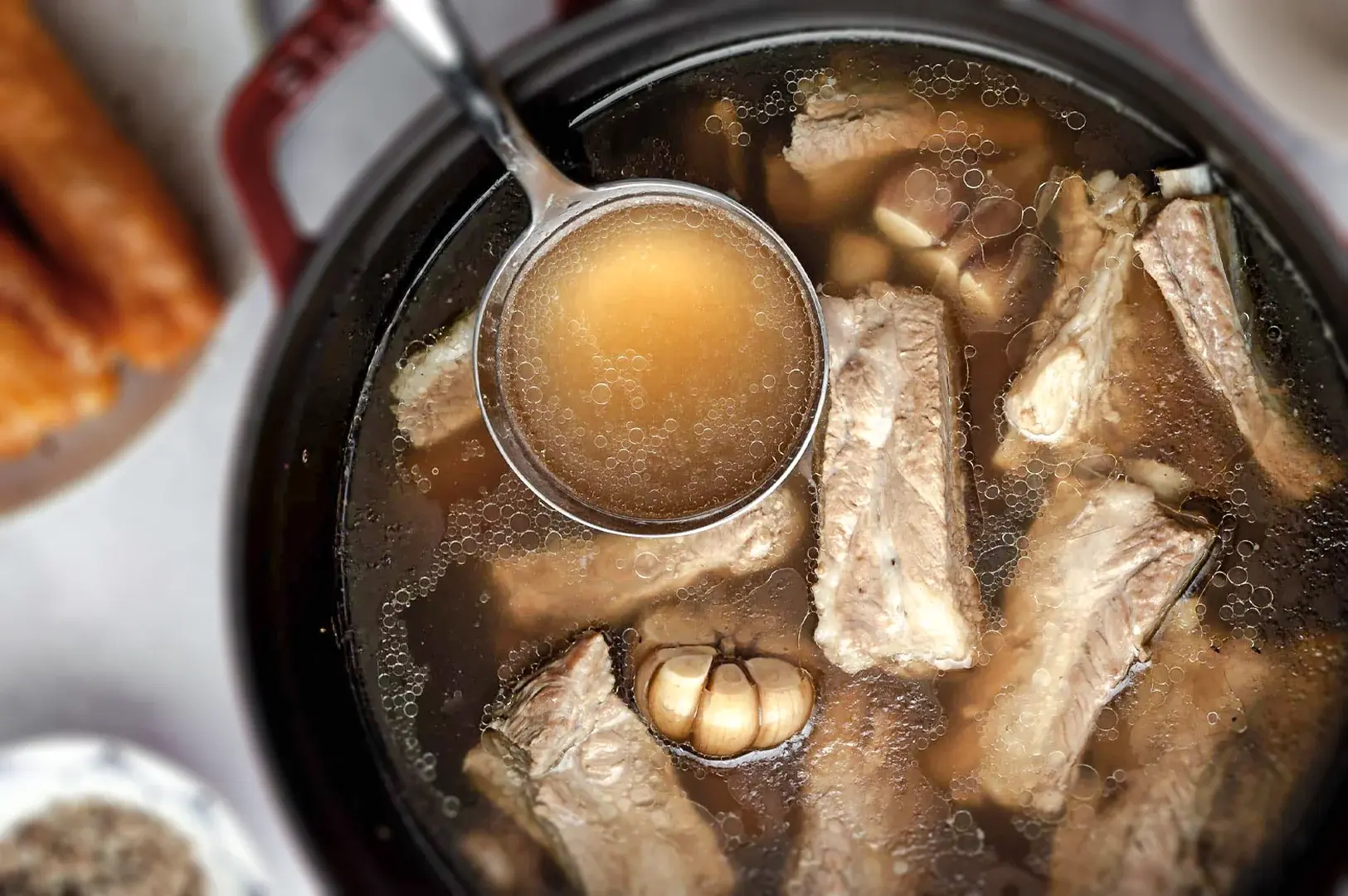
Western Singapore, once industrial, now thrives with a practical food culture centered around community. Jurong’s large hawker centres and coffee shops serve as social hubs where locals enjoy affordable, delicious meals. The area is known for hearty dishes like bak kut teh, a famous dish featuring a peppery broth with tender pork bones, and fried chicken cooked to perfection. Some local dishes also feature basmati rice, prized for its aroma and quality.
Here, the kopitiam culture flourishes, offering ya kun kaya toast with condensed milk and perfectly soft boiled eggs for breakfast, which are traditionally eaten as part of the local morning routine. Chwee Kueh, steamed rice cakes topped with preserved radish, is another traditional breakfast option. Popular drinks in Singapore include Kopi (local coffee) and Teh (tea), while dessert options like Cendol are also enjoyed. The emphasis is on accessibility and comfort, with many hawker stalls run by multi-generational families serving delicious food that’s both familiar and satisfying.
Northern Singapore: Suburban Flavors and Hidden Gems
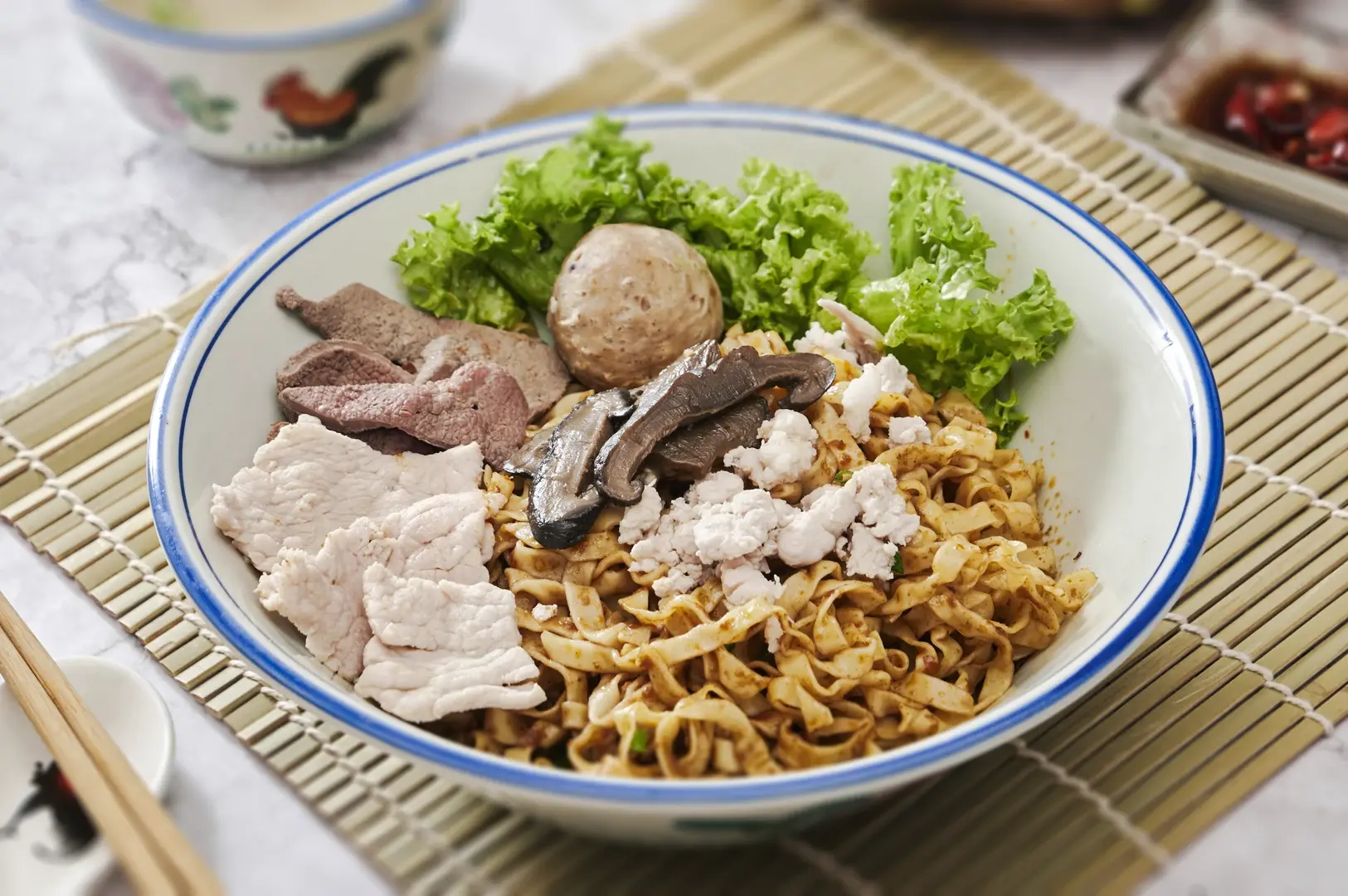
The northern districts provide a quieter, suburban food scene with authentic local flavors. Places like Sembawang and Yishun boast hawker centres known primarily to residents, where dishes like carrot cake (made from glutinous rice and radish), bak chor mee with egg noodles and pork lard, and local favorites like oyster omelette or Hokkien Mee—often topped with crunchy, fresh bean sprouts—are typically served. Deep fried snacks and sides are also a highlight, adding a crispy, golden texture to many meals. Fish cake is a common ingredient or topping in dishes such as yong tau foo and laksa, showcasing the diversity of local street food. Bukit Canberra Hawker Centre was voted the crowd’s favorite in 2025, reflecting its popularity among locals. Many hawker stalls close once they run out of food, emphasizing the freshness of the meals served daily. You can easily eat well on under $10 a day if you stick to hawker centres in Singapore, with many dishes typically costing between $3 and $6. Singapore is also home to some of the cheapest Michelin-star meals in the world, with dishes available for around $6. Most Singaporeans still eat at hawker centres, which offer a wide range of local flavors at unbeatable prices. Even in trendy neighborhoods known for upscale dining, you can find budget-friendly gems. Hawker centres are beloved by locals and visitors alike for their affordable and delicious food options.
These neighborhoods offer an unhurried dining experience where the food is incredibly tasty, and the taste buds are treated to classic flavors. The airport road food centre is a notable spot here, famed for its variety of roast meats, chilli crab, and fried tofu dishes that have stood the test of time.
Conclusion: Discovering Singapore Through Its Hawker Centres and Hawker Stalls
From the Peranakan delights of the east to the hidden gems of the north, Singapore’s districts each tell a unique culinary story. Exploring the island’s hawker centres, food centres, and best Singapore restaurants reveals a rich tapestry of flavors and traditions that define eating Singapore.
Whether indulging in the iconic chicken rice at Maxwell Food Centre, savoring the spicy kick of chili crab, or enjoying a refreshing shaved ice dessert with lime juice, Singapore offers an unforgettable gastronomic adventure. The blend of cultures, ingredients, and cooking styles makes it a true paradise for food lovers eager to experience authentic Singaporean food in every bite.
For those interested in exploring more of Singapore’s diverse culinary scene, check out this personal taste guide to the best Japanese curry Singapore has to offer.
