Finding the best yakitori in Singapore isn’t just about the chicken thigh or how well the meat handles high heat. I’ve come to appreciate the different textures, the care in preparation, and how a few simple sides can complete a meal.
Some people love the traditional counter experience with sake, while others prefer something easy to bring home. There’s no general rule for what makes good yakitori, and that’s part of the appeal. These six places offer different ways to enjoy it, whether you’re new to Japanese skewers or already have a favourite style.
From Yakitori Izakaya Counters to a S$1.50 Stick
The best yakitori in Singapore depends on the kind of evening you’re after.
- Nanbantei for a taste of Singapore’s yakitori history, dating back to 1983.
- Skewers Yakitori Izakaya for exploring different chicken cuts in a cosy Cuppage Plaza setting.
- Yatagarasu for curious eaters who have questions about the less familiar parts of a chicken.
- Kazu Sumiyaki for charcoal-grilled pieces and seasonal Japanese specials.
- Toriei for a chef-led omakase experience, just a few doors from Skewers.
- TORI-Q for an easy takeaway dinner when sitting down for a full meal isn’t the plan.
And when the evening calls for more than skewers, there’s plenty to explore among Singapore’s izakaya spots, especially when good food and another round of drinks are equally appealing.
1. Nanbantei Japanese Restaurant (Far East Plaza)
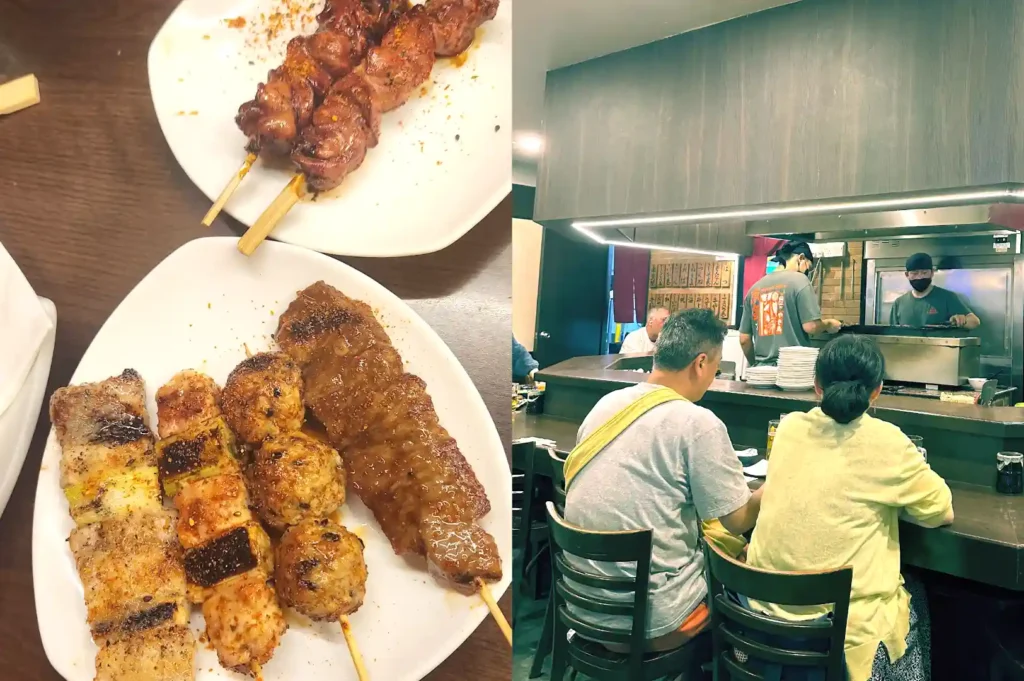
Find Nanbantei at 14 Scotts Road, #05-132, Far East Plaza, Singapore 228213.
Chicken meatballs aren’t usually the first thing that gets me excited about yakitori, but Nanbantei’s Tsukune is a good reason to give them more attention. The combination of minced chicken and seasoning makes texture especially important, and it’s the kind of skewer I tend to judge more closely than I probably should.
Nanbantei has been at Far East Plaza since 1983, long before Japanese restaurants became so common across Singapore. Its skewers are grilled over charcoal, with pork, seafood and vegetables available alongside the chicken selections.
The Skewers I’d Order Again
I’d put the Negima alongside the Tsukune on my shortlist. Chicken and leek make a combination I rarely get tired of, especially when the savoury meat is balanced by the vegetable’s sweetness. The Tebasaki and Bonjiri offer something different, with the wings and chicken tail bringing richer textures to the selection.
What appeals to me about Nanbantei is how much variety there is within a seemingly simple menu. You can stick to the classics or explore cuts you wouldn’t normally order.
2. Skewers Yakitori Izakaya (Cuppage Plaza)
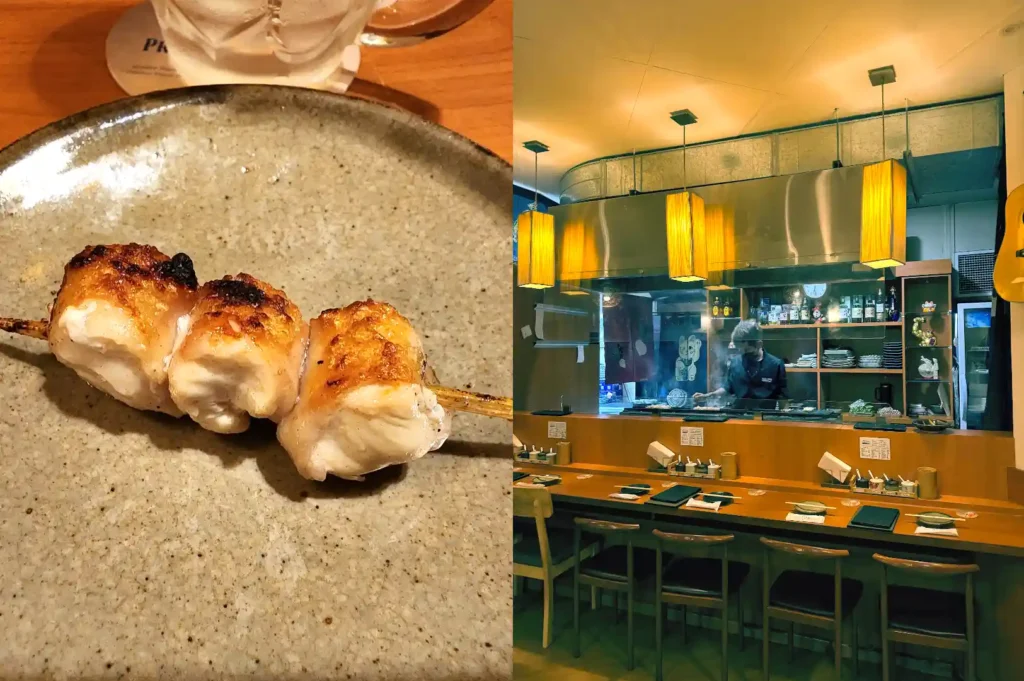
Find Skewers Yakitori Izakaya at 5 Koek Road, #04-01, Cuppage Plaza, Singapore 228796.
I like that Skewers Yakitori Izakaya focuses so heavily on chicken. There’s something interesting about a restaurant that gives you so many ways to experience one ingredient, especially when most of us tend to order the same cuts.
The compact dining space has counter seats overlooking the grill, along with a handful of tables. One detail I particularly appreciate is how the skewers are labelled by chicken part. It’s a small addition, but it makes exploring unfamiliar cuts much easier without having to question the staff about every order.
Chicken Oysters, Crispy Skin and a Little Ramen
The chicken oyster (S$9) is one of the more interesting options on the menu. It’s a small, tender cut near the thigh that doesn’t appear on every Japanese restaurant menu. The chicken tail (S$6) offers a richer alternative, while the chicken meatball (S$7) comes with the option of adding an egg yolk for S$2.
I find the contrast between different chicken cuts more interesting than simply ordering more skewers. It’s the sort of menu that makes me pay attention to texture rather than just seasoning.
3. Yakitori Yatagarasu (Circular Road)
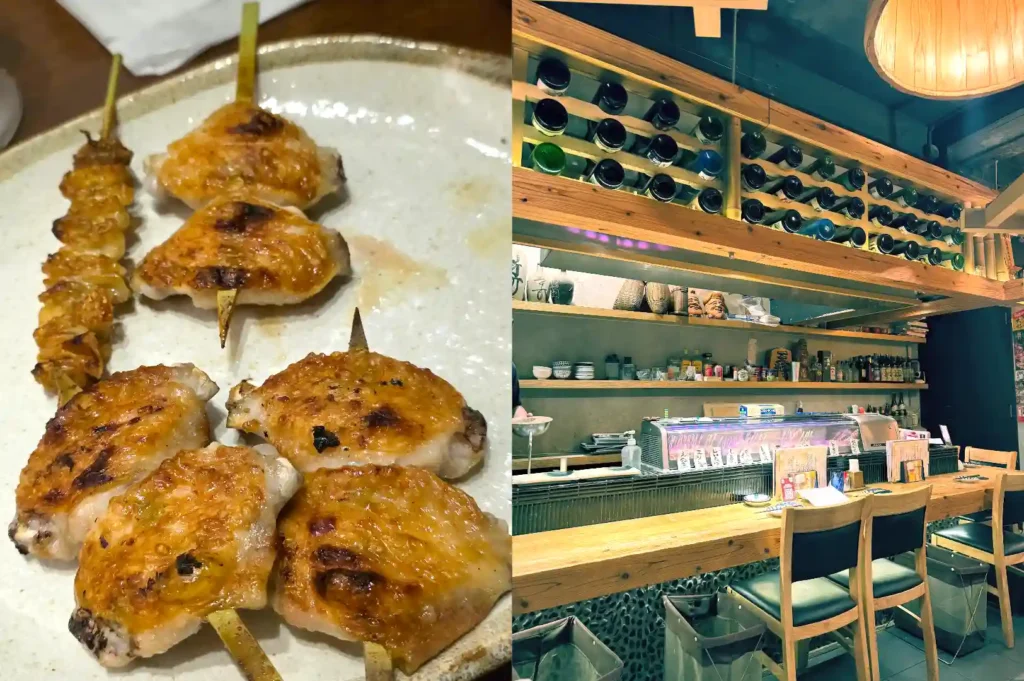
Find Yakitori Yatagarasu at 72 Circular Road, #01-01, Singapore 049426.
Yakitori Yatagarasu brings a traditional Japanese izakaya experience to Circular Road, with a menu that makes use of nearly every part of the chicken. Rather than sticking to the usual grilled meat skewers, there’s Momo (chicken thigh), Hatsu (heart), Kawa (skin), liver, gizzard and Bonjiri (tail).
The restaurant also serves vegetables wrapped in pork belly and Japanese drinking snacks. I like that there’s enough variety to make a meal out of several smaller orders, especially when sharing with someone who has different preferences. For anyone planning a visit, I’d recommend checking the reservation arrangements in advance, as booking conditions can change over the months.
Getting Past the Usual Chicken Cuts
Chicken skin is usually high on my list when ordering yakitori. I like the contrast between the crisp exterior and the fat underneath, especially when the seasoning isn’t overpowering. Yatagarasu’s Kawa is one I’d put alongside the Hatsu, which has a firmer, meatier texture.
Chicken innards aren’t everyone’s first choice, and I can understand why. Texture is usually the issue, especially if you’re more accustomed to chicken thigh or breast. But I’ve always found that a good yakitori menu gives you a reason to reconsider the cuts you’d normally skip.
4. Kazu Sumiyaki (Cuppage Plaza)
Find Kazu Sumiyaki at 5 Koek Road, #04-05, Cuppage Plaza, Singapore 228796.
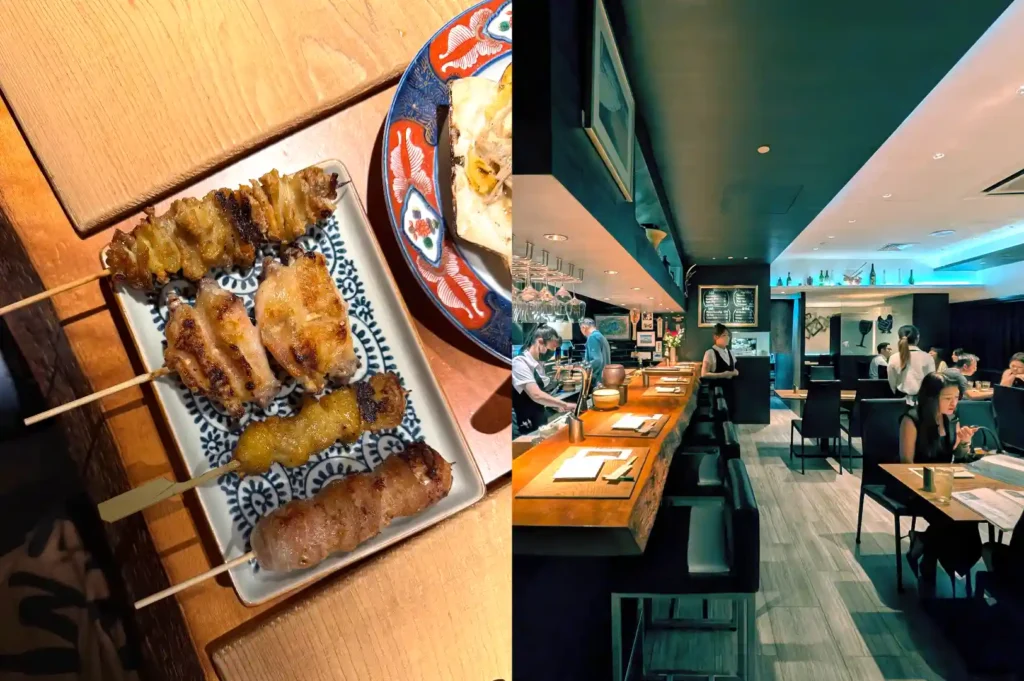
Kazu Sumiyaki has been serving Japanese charcoal-grilled dishes at Cuppage Plaza for decades, with a menu that goes beyond the usual chicken skewers. Seafood, vegetables and seasonal Japanese ingredients are just as much a part of the experience. There’s also a chalkboard of changing specials, giving customers something different to consider depending on what’s available that day.
I like the idea of checking the specials before deciding what to eat. Kazu’s selection includes Nekubi (chicken neck), Hatsu (heart), Sunagimo (gizzard), chicken liver and Tebasaki (wings). The garlic fried rice is another option when you want something more substantial alongside the grilled dishes.
When the Specials Board Changes Dinner Plans
I’m usually drawn to chicken skewers first, but Kazu’s broader menu makes me reconsider sticking to my usual order. There’s something appealing about a restaurant where the seasonal selection can influence what ends up on the table. I’d be tempted to order a few chicken skewers before seeing which seafood dishes are available.
The charcoal grilling is another reason Kazu interests me. Chicken neck and gizzard have quite different textures, and I find that contrast particularly enjoyable when they’re cooked over high heat. I’d probably finish with garlic fried rice, especially after several rounds of skewers.
5. Toriei (Cuppage Plaza)
Find Toriei at 5 Koek Road, #04-15, Cuppage Plaza, Singapore 228796.
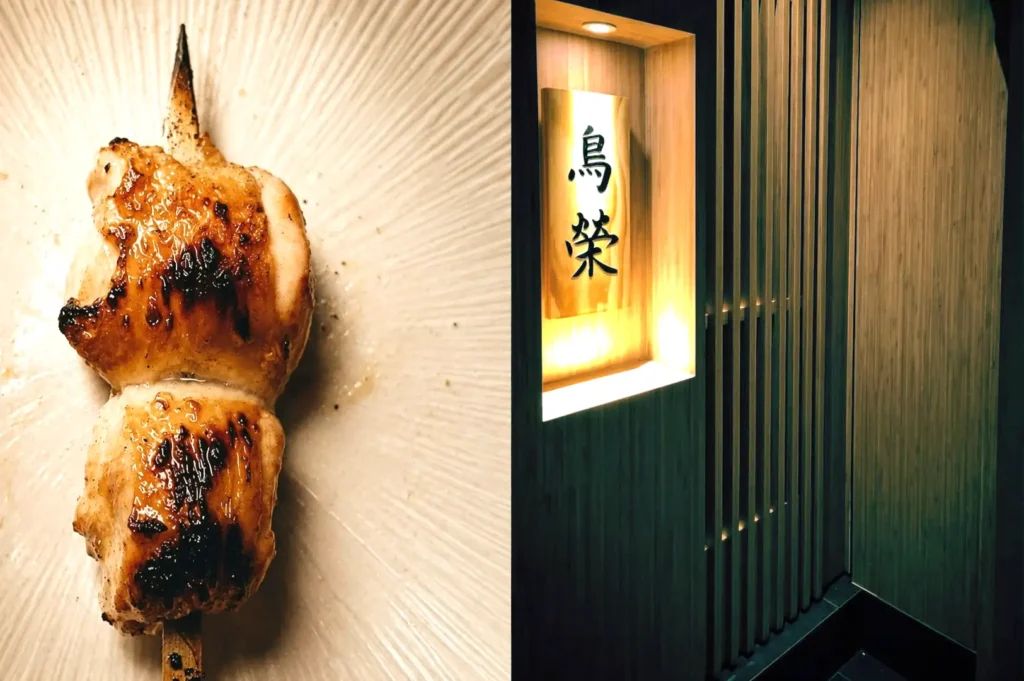
Toriei brings a more intimate yakitori experience to Cuppage Plaza, with just 10 counter seats and a chef-led omakase by Chef Roy Koh. He’s also behind Skewers Yakitori Izakaya on the same floor, although the two restaurants are related more by their chef than their dining styles. At Toriei, guests watch the chef grill each skewer over charcoal as the courses are served.
The S$180++ omakase includes seasonal appetisers, chicken and vegetable skewers, a donabe rice course and dessert. I particularly like the idea of having vegetables throughout the meal, especially when chicken makes up such a large part of the menu.
A Different Way to Experience Yakitori
I’ve always been curious about how chefs approach yakitori when they’re responsible for the entire meal. It’s less about ordering your favourite cuts and more about discovering combinations you might not have chosen yourself.
Chicken skin and tsukune would be my first points of interest, although the chicken chawanmushi sounds equally appealing. I’ve read about similar omakase experiences in Tokyo, and I find it interesting how chefs can develop an entire menu around one ingredient.
For a Saturday dinner, I’d book ahead since Toriei only has 10 counter seats. I’m also particular about knowing what goes into an omakase, so I’d check with the restaurant beforehand if there were ingredients I preferred to avoid.
6. TORI-Q (Takashimaya)
Find TORI-Q at 391 Orchard Road, #B2-07-8-3, Takashimaya Shopping Centre, Singapore 238873.
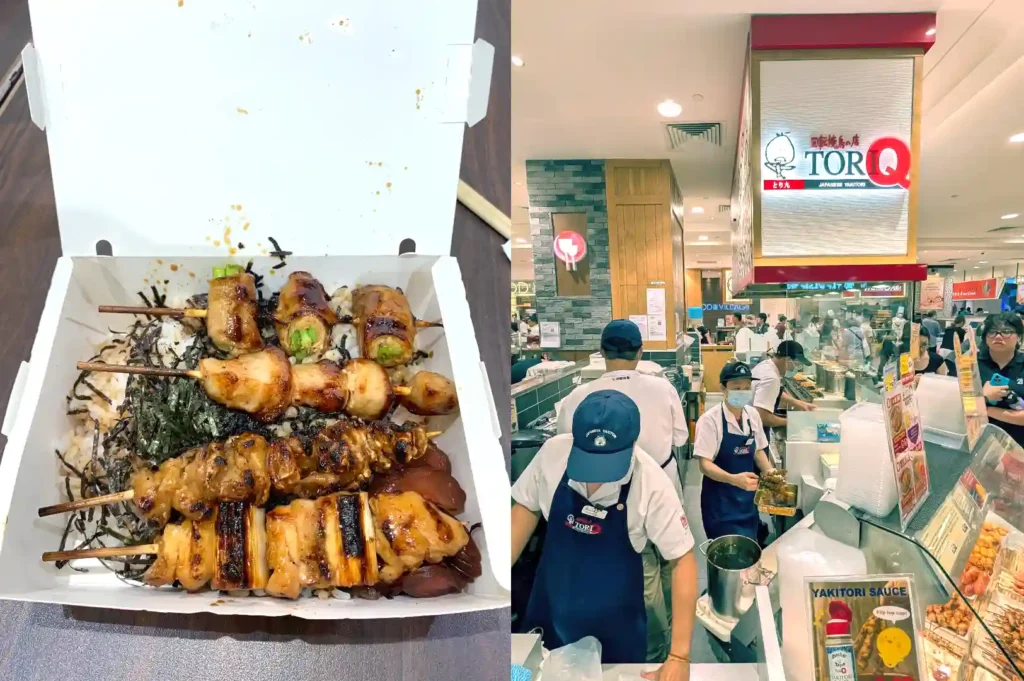
TORI-Q has been serving affordable Japanese skewers in Singapore since opening its first outlet at Takashimaya in 2000. Today, the brand has over 20 outlets, making it one of the more accessible options for yakitori in Singapore.
Unlike traditional yakitori restaurants, TORI-Q uses an automated broiler rather than charcoal grilling. Its central kitchen prepares ingredients, including homemade chicken balls and the brand’s signature tare sauce. The automated heating element helps keep the cooking process consistent across outlets, which makes sense for a takeaway-focused chain.
My Kind of Quick Yakitori Fix
The chicken skewer (S$1.50) and chicken with leek (S$1.60) would be my usual starting points. I’d add the chicken ball (S$1.70) for something different, although the pork with asparagus (S$2.70) is tempting when I want a little variety.
I also appreciate that Bento B (S$8.80) comes with rice alongside the skewers. It’s the sort of meal I’d pick up after an afternoon at Orchard. On days when I’m craving something saucier, though, the best Japanese curry places in Singapore offer a different take on a satisfying rice-based meal.
If I were writing a post about everyday Japanese meals, TORI-Q would definitely get a mention. My only comment is that takeaway yakitori and charcoal-grilled yakitori satisfy different cravings, and I wouldn’t judge one by the standards of the other.
What to Know Before Ordering Chicken Skewers
Yakitori and Kushiyaki
Yakitori usually refers to chicken skewers. Kushiyaki is the broader word for grilled skewers, so it covers pork, seafood and vegetables too. Most places on this list serve both, from pork-wrapped asparagus to shiitake.
Salt or Tare
Skewers are usually seasoned one of two ways. Shio means salt. Tare is a sweet-savoury sauce. If you’re unsure which suits a cut, ask the staff what they’d suggest.
Learn a Few Chicken Part Names
Menus often use Japanese names. A few will help you order with confidence:
- Momo: thigh
- Negima: chicken with leek
- Tsukune: chicken meatball
- Kawa: skin
- Hatsu: heart
- Sunagimo: gizzard
- Bonjiri: tail
- Tebasaki: wings
- Nekubi: neck
Finding Your Own Favourite Yakitori in Singapore
I’ve always thought that good yakitori comes down to the little things. The quality of the ingredients, the care in preparation, and knowing when to leave something alone over the heat. Everyone has their preferred method and style, whether it’s something picked up from a trip to Tokyo or suggestions from friends.
Sometimes, half the fun is ordering another skewer when you thought you were finished, or sharing a small bowl of rice to round things off. You don’t need to know every chicken cut to appreciate good yakitori. A little curiosity is usually enough, and your preferences will develop naturally the more you try.
