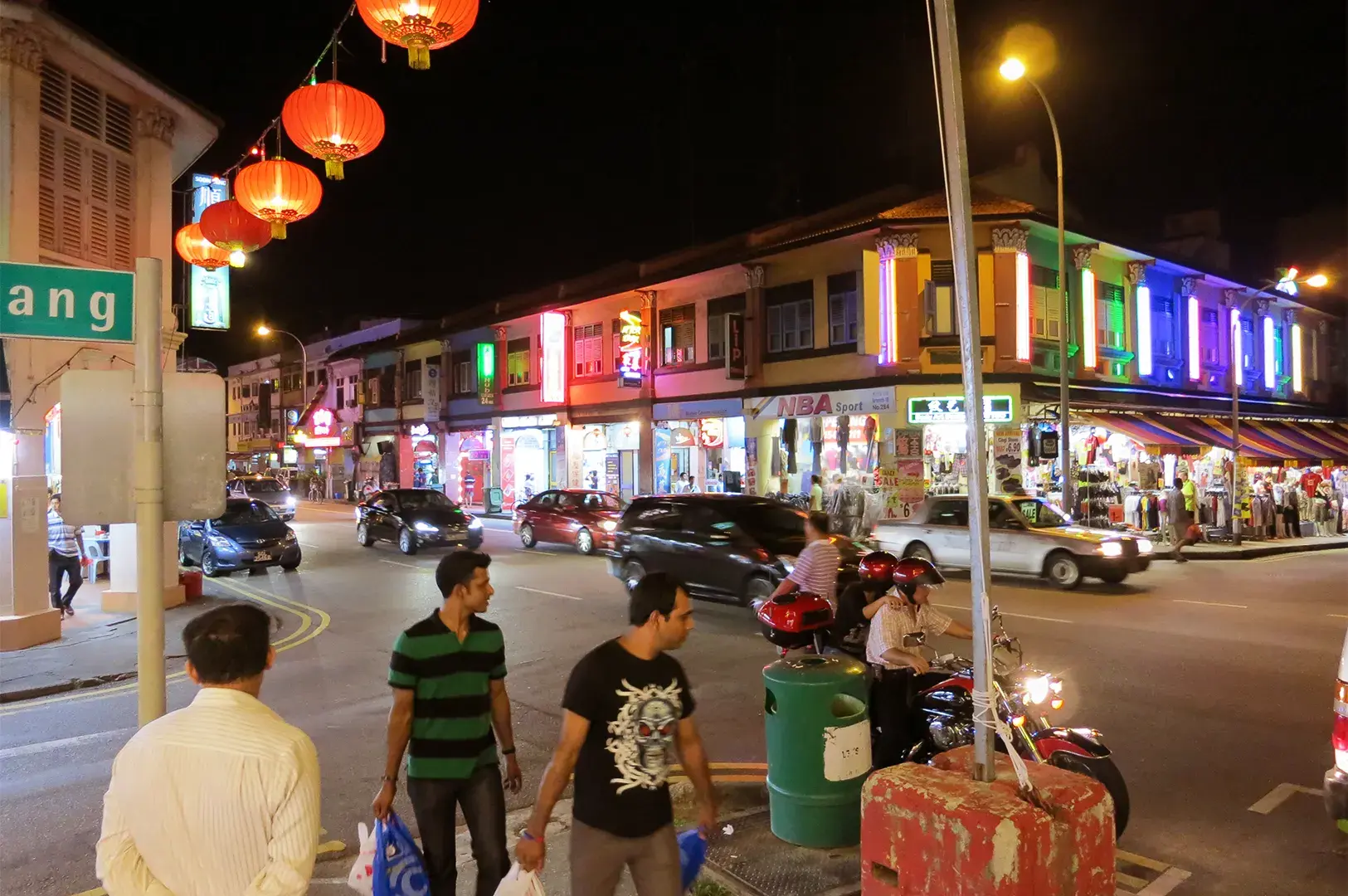
Geylang is often introduced through its night-time reputation, but the more interesting story begins at the table. While Geylang is known for supper culture, it sits within a wider late night food scene in Singapore shaped by different neighbourhood rhythms. Under fluorescent lights and around busy food centres, the neighbourhood becomes a melting pot of porridge, zi char, steamed rice, fresh vegetables, duck meat, and noodles built for
Between the quick scrape of a wok, the patience of robust pork stock, succulent beef slices folded into thick gravy, and plates passed across a table before anyone says much, this is where Geylang’s food story begins.
Geylang Supper Classics: Frog Porridge, Dim Sum, and Skewers
Frog Porridge and Frog Leg Porridge
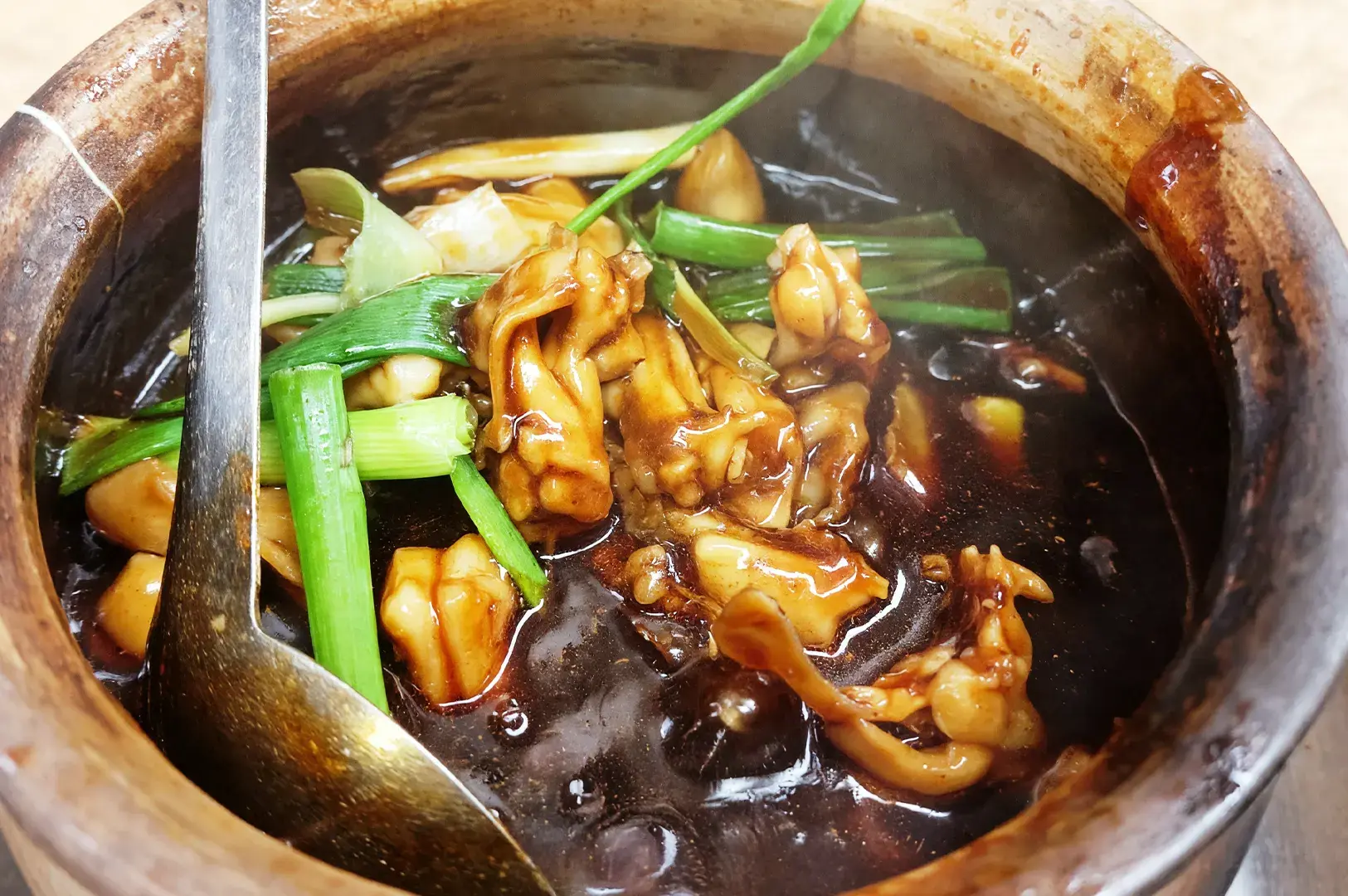
Frog porridge is an iconic dish in Geylang, I felt it most when I ate it at Eminent Frog Porridge. The dish features frog legs cooked in various sauces; dry chilli, spring onion, chicken essence, and Chinese herb soup. It is served alongside smooth, piping hot porridge. The succulent frog meat blends perfectly with the mild porridge, creating a comforting, slow-paced supper.
Dim Sum After Dark
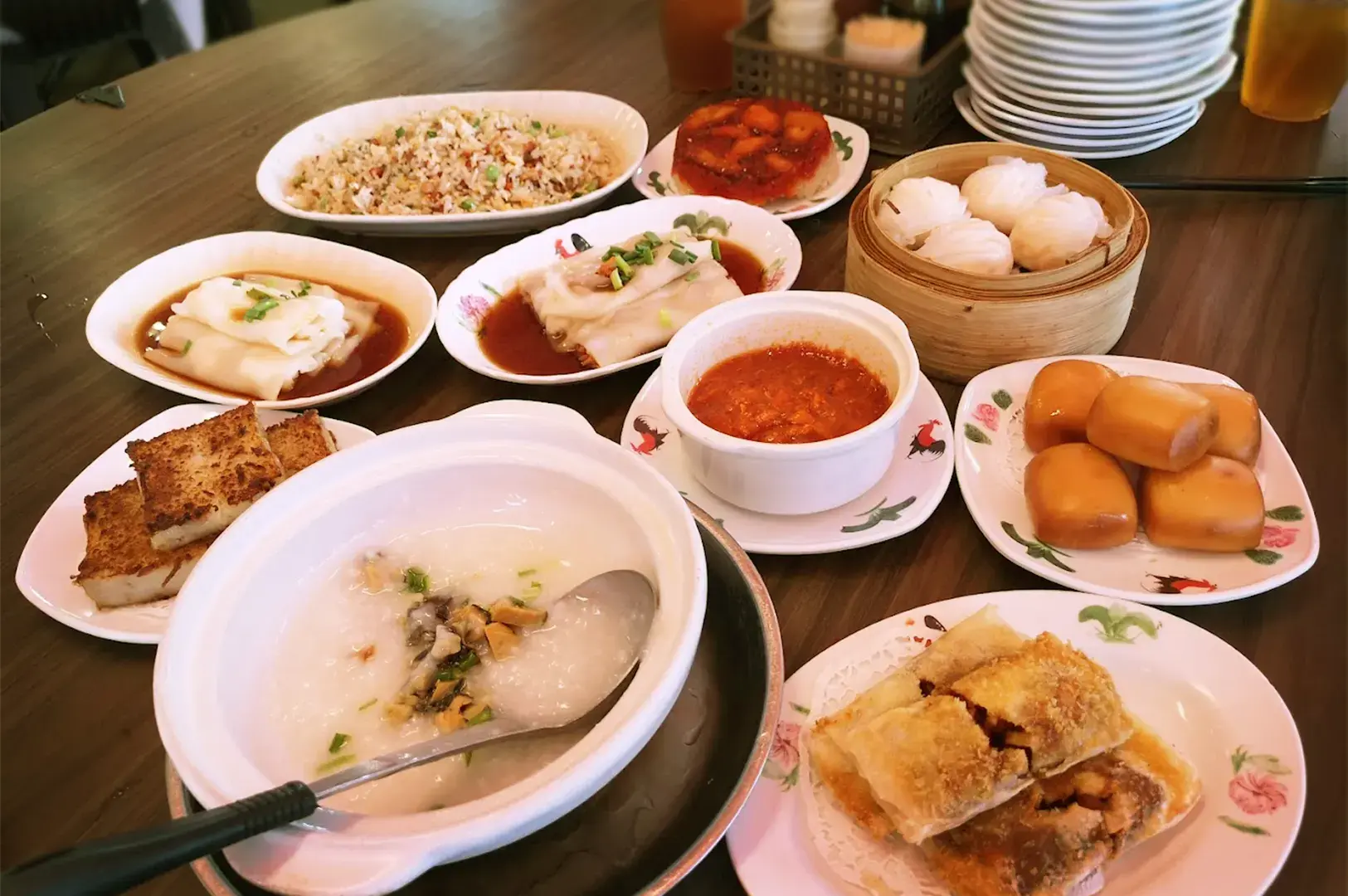
There is something different about eating dim sum at night. In the morning, it can feel orderly and familiar. After dark, it becomes looser and more instinctive. A basket of har gow, custard buns still warm inside, maybe a bowl of porridge on the side.
I had mine at Hong Kong Mongkok Dim Sum, with har gow, chee cheong fun, custard buns, and hot porridge that made the meal feel light, shared, and unhurried.
Late-Night Skewers and Flavourful Meats
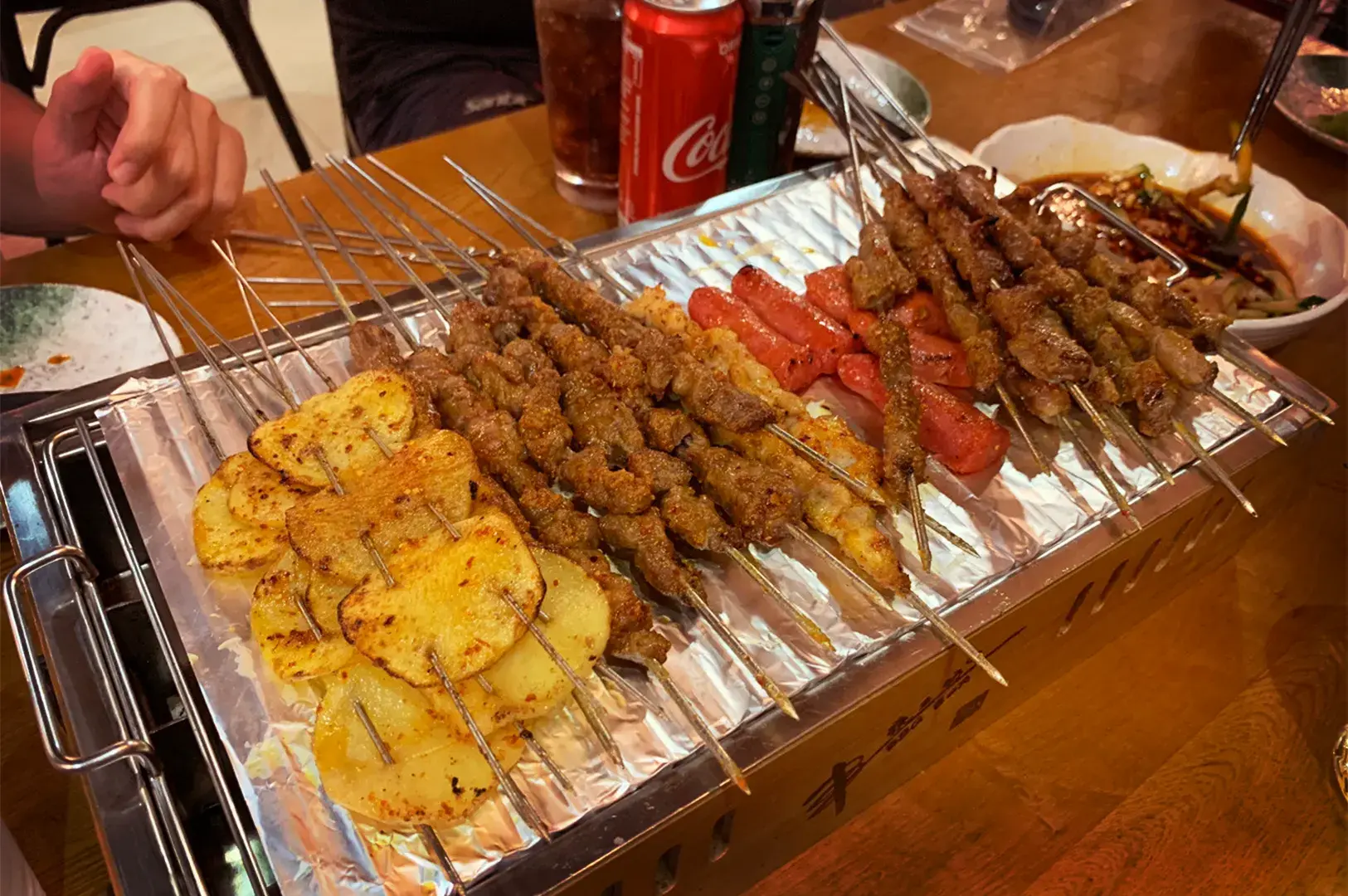
Skewers is a different kind of supper energy to the red light district. They are smoky, direct, and built around appetite rather than ceremony. Lamb skewers carry spice and fat, chicken wings take on a crisp edge from the grill, and the seasoning clings in a way that makes each bite feel sharper.
The draw is less about a polished dining experience and more about the smell of charcoal and the ease of ordering something small that can become a satisfying meal. It fits Geylang well: casual, fragrant, a little loud, and best eaten while the night is still moving.
Wok Hei, Braised Meats, and Broths That Carry the Night
Zi Char Dishes and Wok Hei Delights
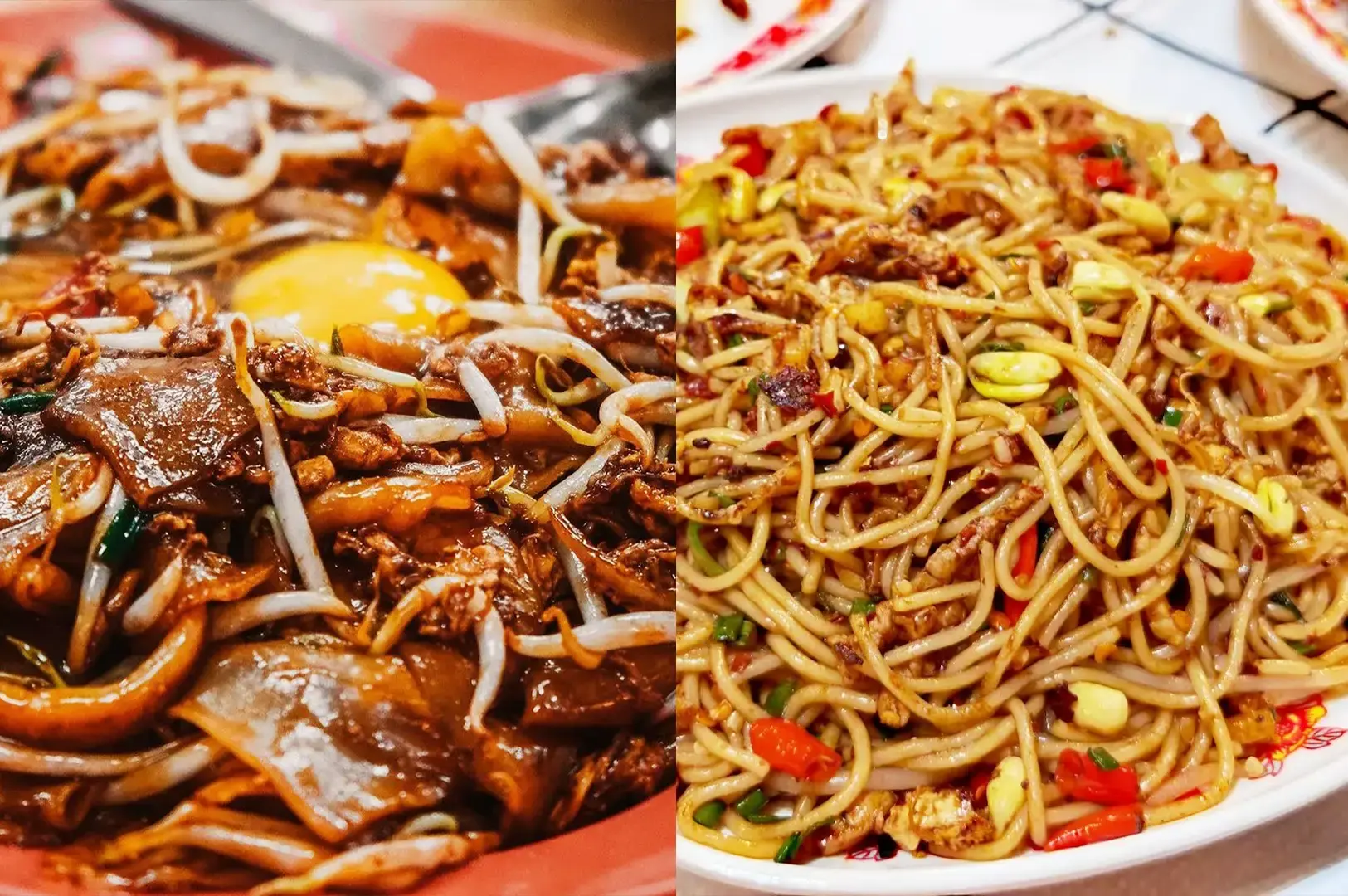
Geylang zi char is built around heat. Wok hei gives fried noodles, hor fun, sambal kangkong, seafood, and salted egg dishes that smoky depth that makes the plate feel alive. The flavours are rarely shy: white pepper crab, salted egg prawns, thick sauce-coated rice noodles, and stir-fried greens all bring salt, spice, sweetness, and char to the table.
Places such as Penang Seafood Restaurant and Signboard Seafood Restaurant are often linked with this style of food in Geylang, but the real pull is the zi char itself in most restaurants I’ve visited. It is fast, generous, shared, and best eaten while the plates are still hot.
Boneless Braised Duck Rice
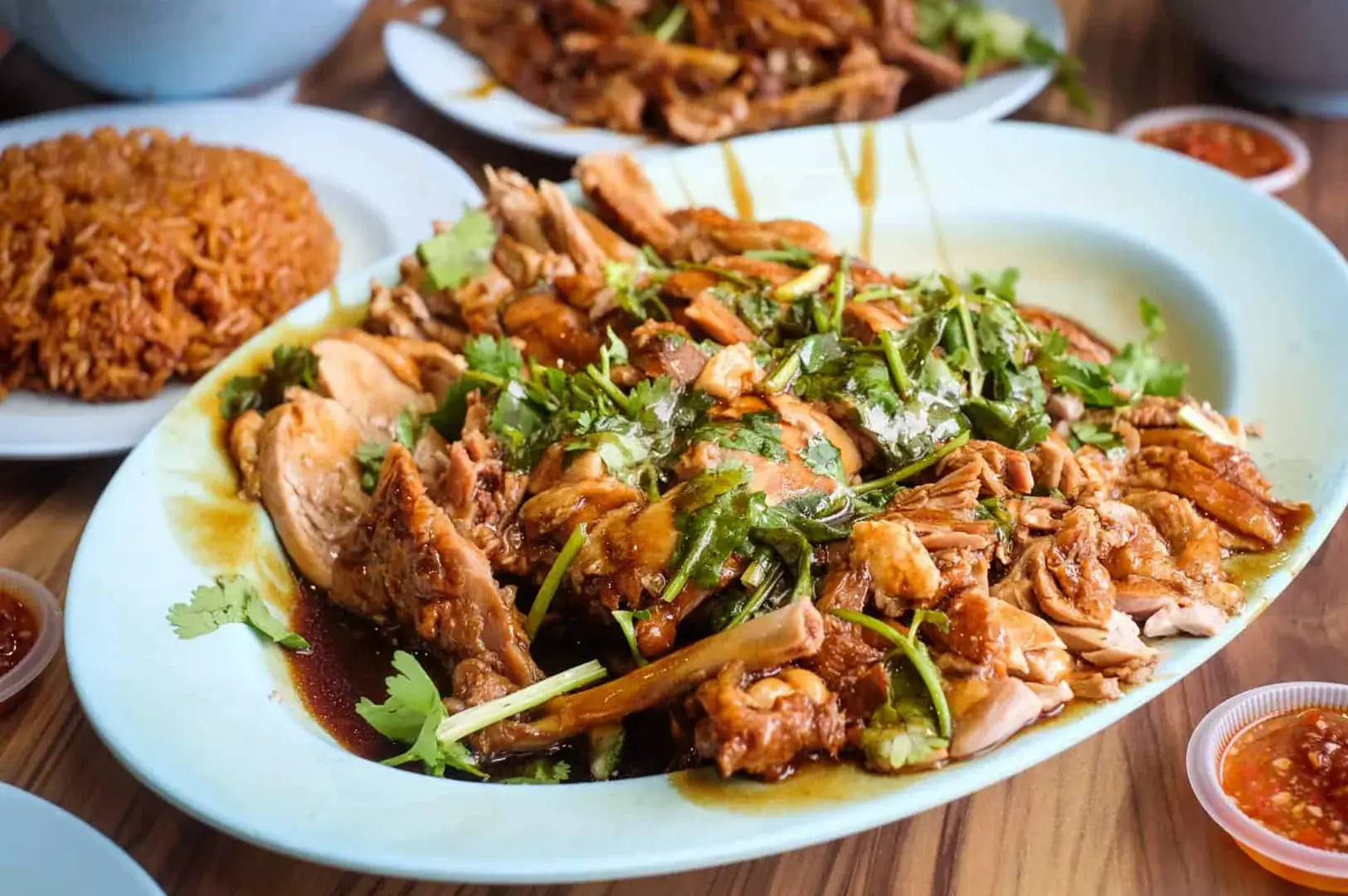
Boneless braised duck rice gives the section a quieter weight. The duck is tender, darkened by soy-based gravy, and laid over rice that catches the sauce as it settles. A mixed duck platter adds egg, fishcake, bean sprouts, peanuts, and sliced duck, turning a simple plate into something better shared.
At stalls like Sia Kee Duck Rice and Sean Kee Duck Rice, this is one of the best food in Geylang choices when you want something filling but not as heavy as a full zi char spread.
Broths, Porridge, and Herbal Bowls
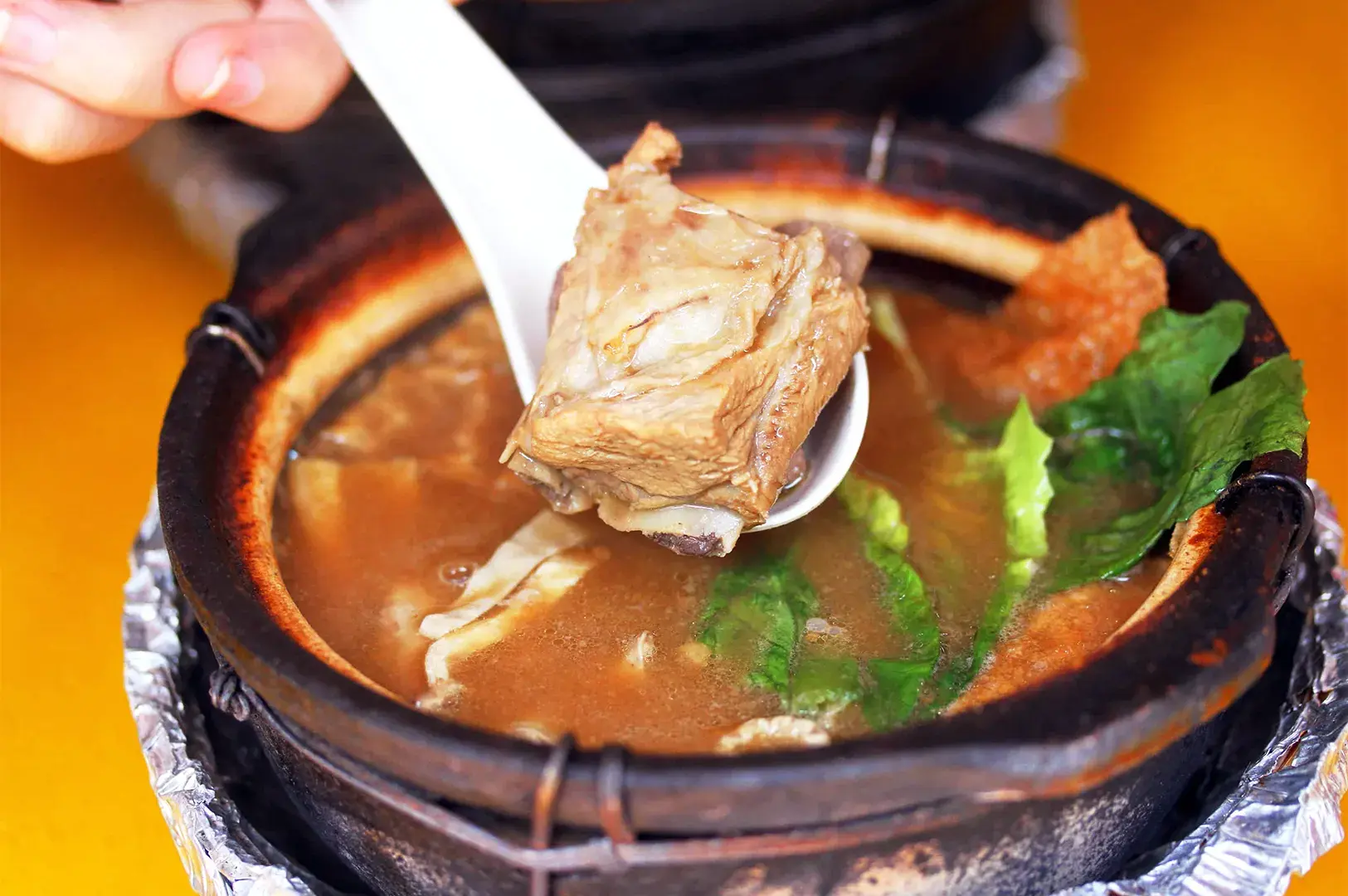
- Bak kut teh can be peppery, herbal, or dry-style, with tender pork ribs served beside rice and you tiao. Leong Kee Klang Bak Kut and Klang Bak Kut Teh are tied to this slower, broth-led side of Geylang food.
- Prawn mee brings a lighter sweetness, especially when fresh prawns and dry chilli sauce meet a seafood-rich broth. Jalan Sultan Prawn Mee is one place where this style appears.
- Fish soup and duck porridge soften the meal further, with spring onion, rice, and gentle savoury depth. Hong Qin Fish & Duck Porridge fits this quieter side of the neighbourhood.
- Turtle soup and herbal soup belong to an older style of eating, where Chinese herbs, earthy broth, and slow simmering carry the flavour.
Rice and Noodles: The Familiar Weight of a Good Meal
Nasi Lemak and the Pull of Coconut Rice
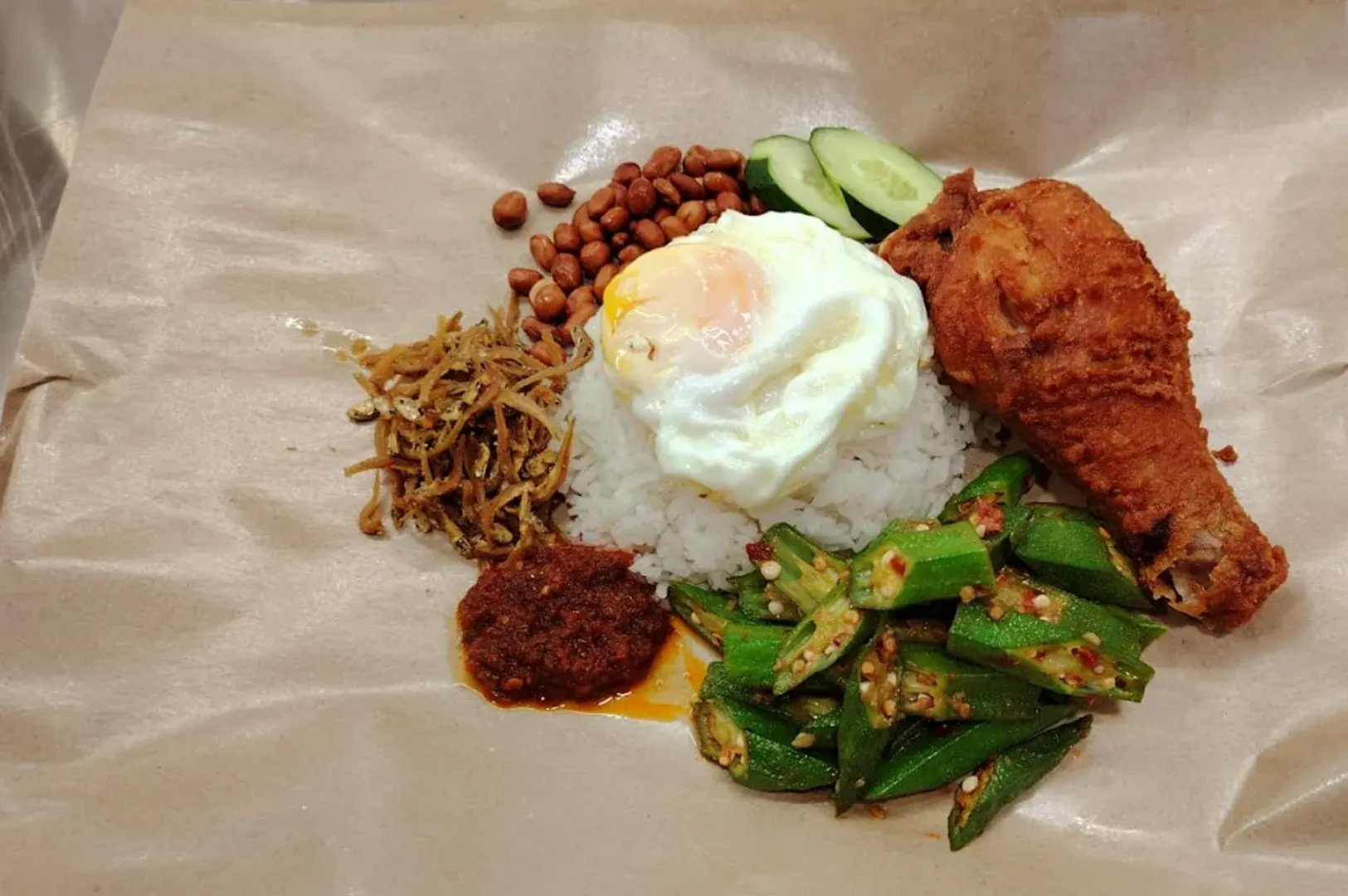
Nasi lemak sits comfortably in Geylang’s mixed food landscape. The rice carries the fragrance of coconut milk, the sambal gives it heat and sweetness, and darker sauces like kicap manis. At heart of Geylang like Bali Nasi Lemak, they serve the dish with the desired pleasure: warm rice, chilli, crunch, and a plate that works as well for dinner as it does for supper.
Noodles Worth Slowing Down For
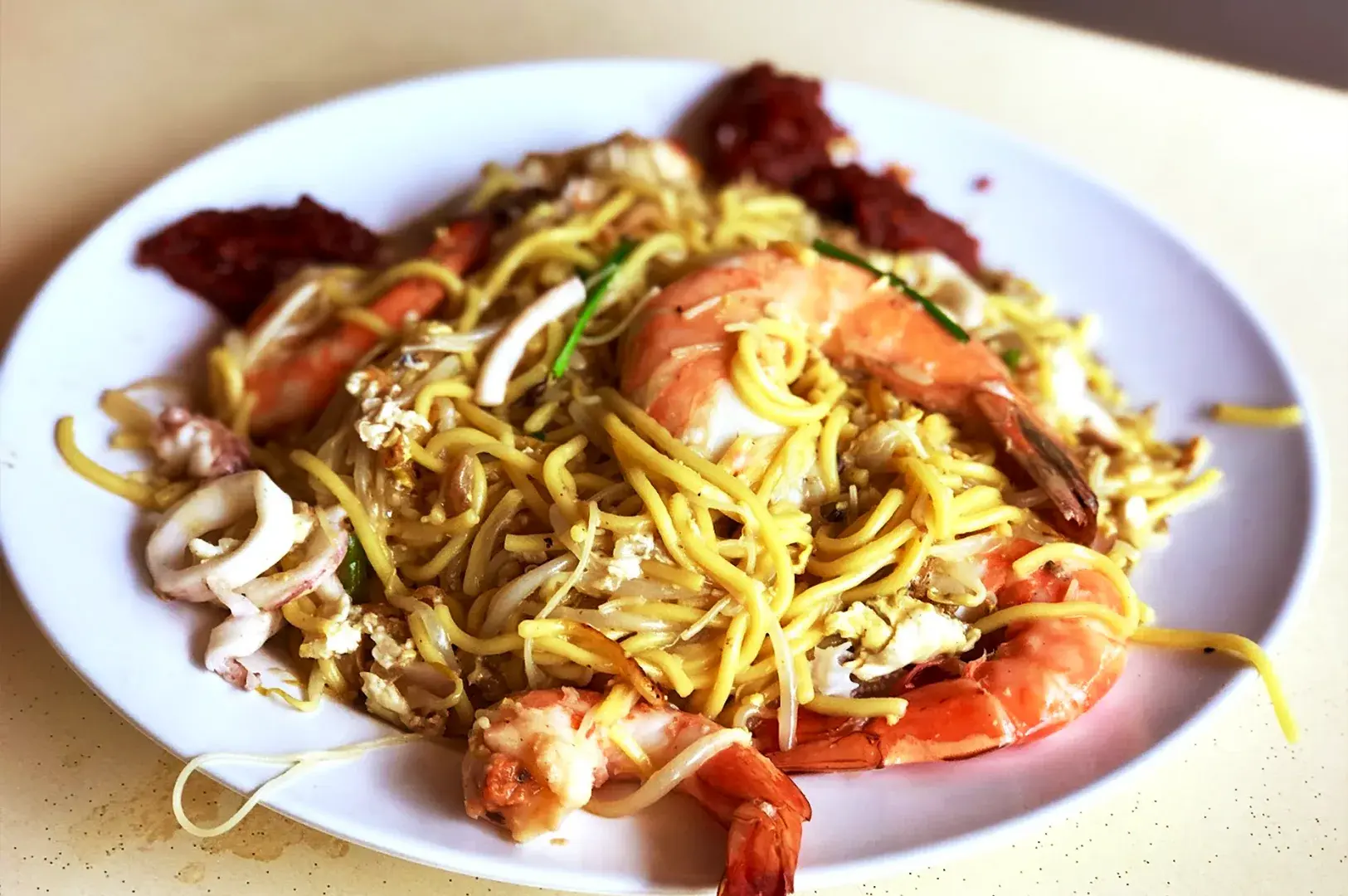
- Charcoal-fried Hokkien mee: Smoky, glossy, and seafood-rich, with yellow noodles and bee hoon soaking up prawn stock. At Swee Guan Hokkien Mee itself, what stayed with me was the wok heat: that slightly charred depth clinging to the noodles long after the first bite.
- Beef kway teow: Silky rice noodles, tender beef slices, and thick savoury gravy give this dish its weight. Lor 9 Beef Kway Teow is an eating house often tied to this style, serving a texture of soft noodles, rich sauce, and beef that holds the dish together.
- Handmade noodles and ban mian: Springy noodles, minced pork, prawns, egg, vegetables, and a light but savoury broth make ban mian a quieter choice. L32 Handmade Noodles is often mentioned for this dish, but what matters most is the contrast between firm noodles and warm soup.
The Smaller Cravings That Keep Geylang Moving
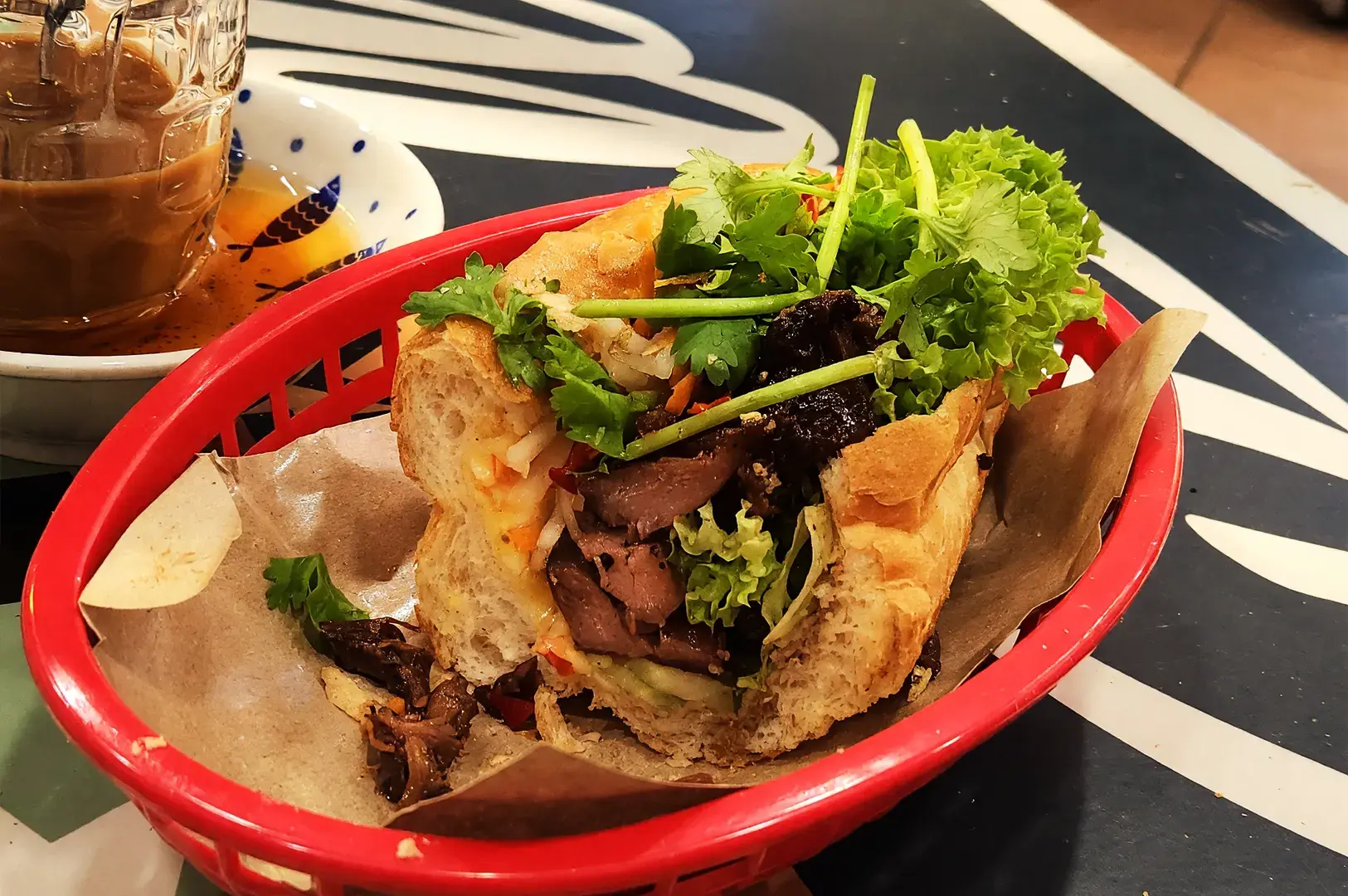
Not every meal in Geylang needs to be heavy or slow. Between the bigger supper dishes, the area also has casual bites, strong coffee, and sweet finishes that work well when you want something lighter.
- Banh mi and Vietnamese coffee: Banh Mi Thit adds a sharper, fresher contrast with banh mi sandwiches filled with vegetables, fried egg, and meat. Vietnamese coffee makes it a good stop for a quick pick-me-up.
- Durian stalls: Geylang is also known for durian, with popular varieties often drawing late-night crowds.
- Traditional desserts: For a gentler finish, look for kuih, cheng tng, beancurd, grass jelly, or custard buns. These sweet options help round off Geylang’s heavier, more robust flavours.
How to Read and Explore Geylang Food Places Without Rushing It
- Many spots get busy late at night; arriving early can reduce wait times.
- Carry cash as not all eateries accept cards.
- Sharing dishes like frog porridge or zi char is encouraged.
- Explore Geylang Road Singapore by foot to fully experience the food culture.
- Check opening hours, as some places focus on daytime while others thrive at midnight.
What Geylang Leaves on the Table
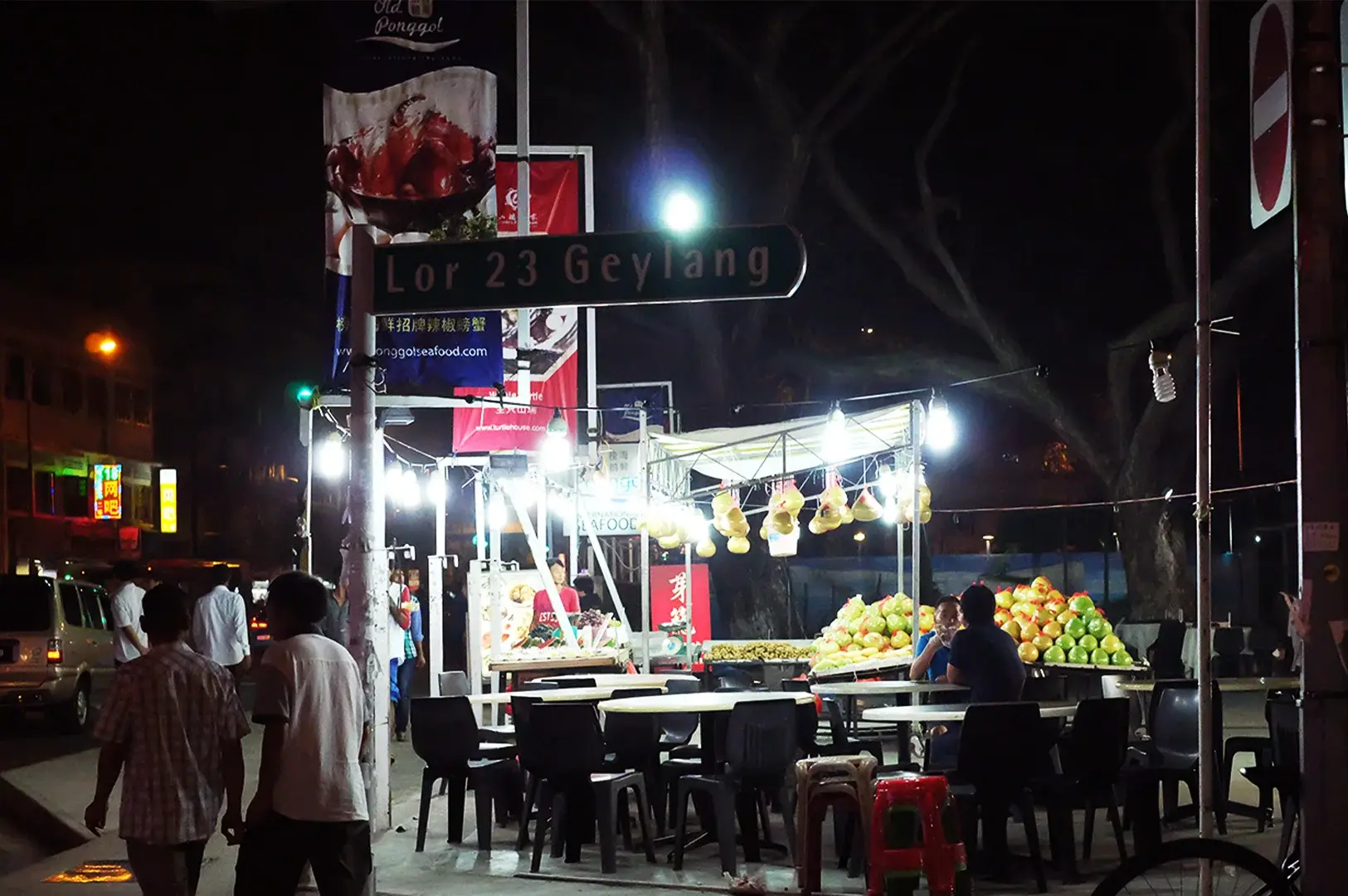
Geylang food is not held together by one dish, but by the way its flavours keep shifting through the night. One table may be choosing between a dry or soup version of noodles, while somewhere nearby, the smoke of Penang Char Kway Teow or the deeper pull of dry bak kut teh makes the evening feel harder to end.
There are nights when you think you are craving something simple like rice and miso soup, only to realise what you really want is the heavier rhythm of Geylang food: thick gravy, claypot heat, chilli, broth, steamed rice, and dishes beef hor fun that ask to be shared. That is the quiet appeal of the district. It does not offer one neat answer to hunger, but many small ways to follow it.
