
By Jim Park
Dear first bite,
You are always the one we trust the most.
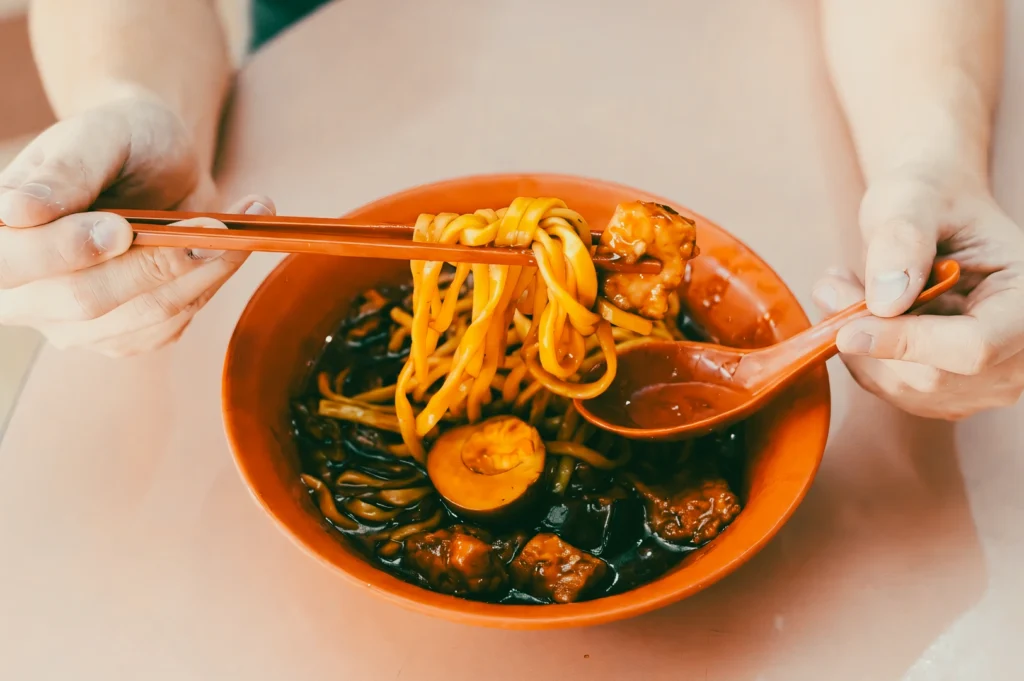
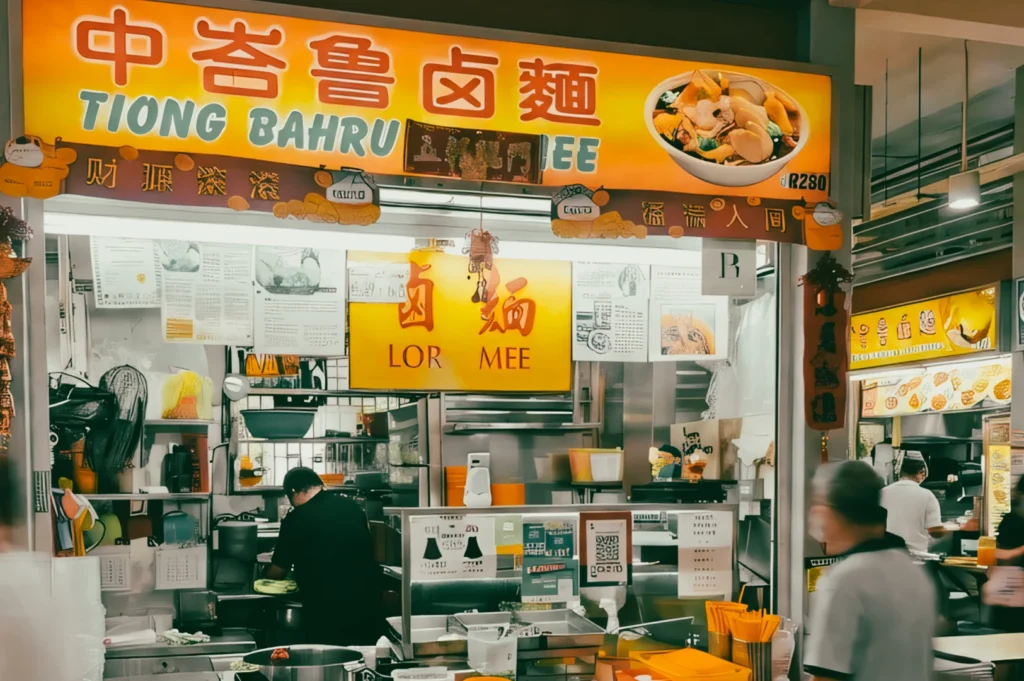
I noticed it again recently at Tiong Bahru Market. I ordered a bowl of lor mee from a stall I had not visited in a while. The first mouthful felt heavier than I remembered. The gravy was thick, almost too thick, and the garlic came through sharper than expected. For a moment, I wondered if I had chosen poorly.
If I had stopped there, I would have left with that impression.
But I didn’t.
By the third or fourth bite, something shifted. The noodles loosened the sauce. The vinegar cut through the richness in a way that felt more balanced. The garlic settled into the background rather than standing out. What felt overwhelming at first began to make sense. Not perfect, but deliberate.
It made me think about how often we let the first bite decide everything.
There is an urgency in the way we eat now. We taste, we judge, we move on. Especially in a place like Singapore, where there is always another stall, another dish, another recommendation waiting nearby. The first impression becomes the final one, even when it shouldn’t be.
I have done this more times than I would like to admit.
I once ordered a plate of chicken rice on a particularly crowded afternoon. The first bite felt surprisingly mild. The chicken was tender, but the flavor did not stand out immediately. I remember thinking it was overhyped.
But as I continued eating, the details became clearer. The rice carried more of the aroma than I had noticed at first. The chili added a quiet heat that stayed longer than expected. The combination worked in a way that did not announce itself loudly. It revealed itself slowly.
That is the nature of many dishes here.
They are not designed to impress in a single moment. They are built to hold together across a full plate. Texture, seasoning, and temperature all adjust slightly with each bite. The first mouthful is only one part of that experience, but we often treat it as the whole story.
I understand why.
The first bite is immediate. It asks nothing from us. It gives us something to react to quickly, and in a busy day, that feels enough. But food, especially the kind that comes from repetition and habit, is rarely meant to be understood that quickly.
Some dishes need time to settle into place. Others need a few bites before the balance shows itself. Even something as simple as a bowl of noodles can feel different once the ingredients begin to mix, once the temperature drops slightly, once your pace slows down without you noticing.
You do not lie on purpose.
You are just incomplete.
That may be where the mistake comes from. Not in the bite itself, but in how much we expect from it. We ask you to represent the whole dish, the whole experience, the whole decision. That is a lot to carry for something that lasts only a second.
So I have been quietly trying to wait.
To give a dish a few more bites before deciding what it is. To notice how it changes, or doesn’t. To accept that some meals unfold slowly, and that this is not a flaw, but part of how they are meant to be eaten.
You are still important.
But you are not the full story.
And I am learning not to treat you like you are.
