Singapore has no shortage of omakase options across every price point, from affordable omakase experiences to absolute expensive lunch courses. Most are good. A handful are genuinely exceptional. Sushi Masa by Ki-setsu belongs in that second category—and not because of its reputation, or because it has the most expensive interior design, but because of how it actually operates every single day.
When you strip away the branding, the buzzwords, and the marketing spin that saturate the high-end Japanese restaurants and omakase dining scene within the Singapore outpost, you are left with operations. That is where the truth of a restaurant lives.
The reason this particular sushi omakase counter deserves your attention as one of the best omakase in Singapore is operational integrity. It is a restaurant built around constraints that most owners would consider bad for business, but which are absolutely essential for quality and freshness. This article explains the evidence behind that claim.
What Makes the Best Omakase in Singapore Stand Apart
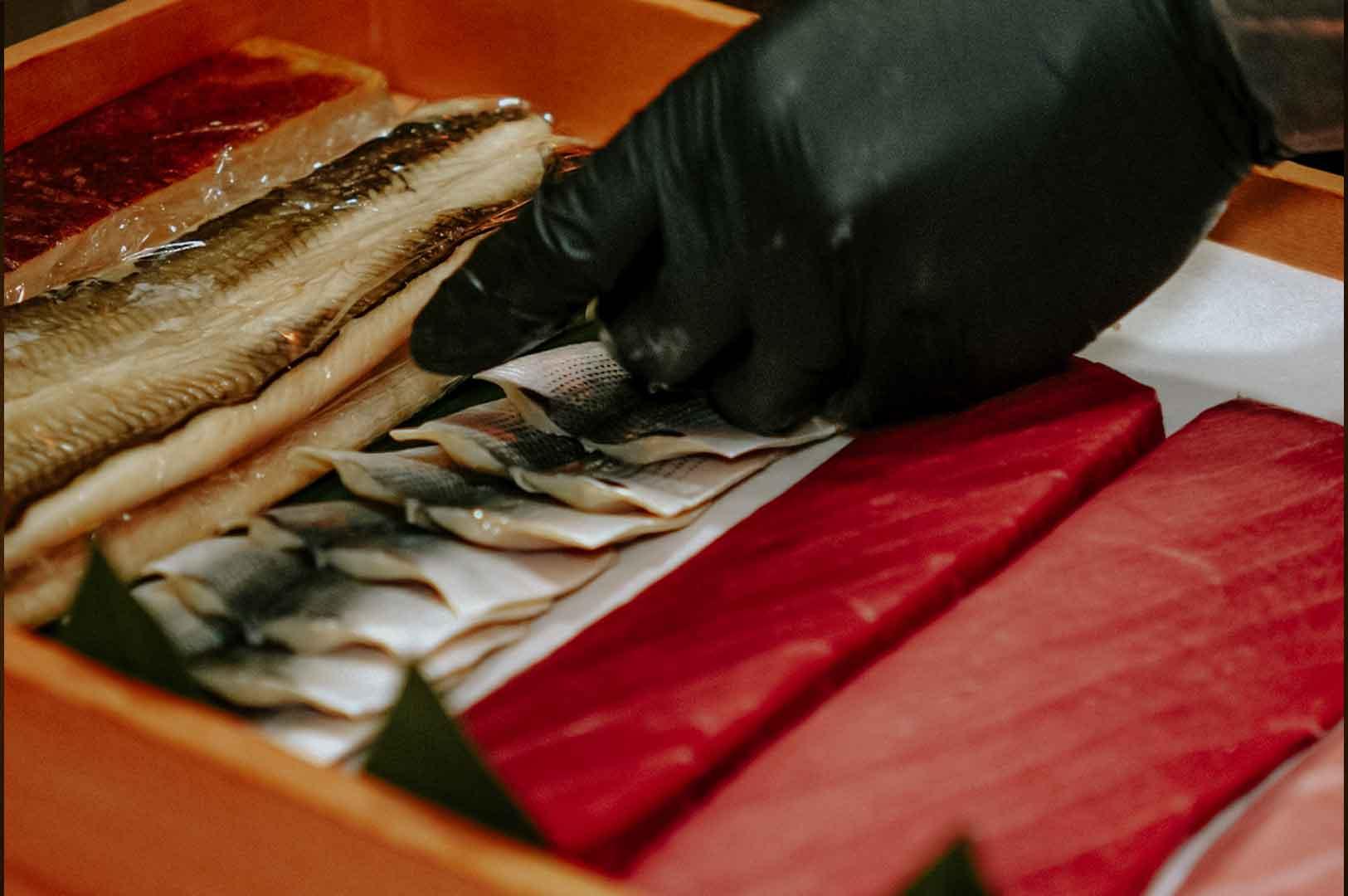
In a city saturated with Japanese fine dining, distinguishing the best omakase Singapore has to offer requires looking past the surface. Many restaurants operate on a template: fly in fresh ingredients and fish three times a week, prep it in bulk, and serve a standardized menu to as many seatings as possible to maximize revenue. Even adding meat, beef, or other kinds of dishes in order to get the best full review within the distance. This is a business model, and a successful one.
However, the best restaurants operate on a different logic. They reject efficiency in favor of precision and the art of omakase. They limit their seating capacity not to create artificial exclusivity, but because their sourcing model physically cannot support more diners.
They do not have a standard menu because they do not have standard ingredients. This is the league in which Sushi Masa by Ki-setsu operates. It is not trying to be the biggest or the most famous. It is trying to be the most accurate reflection of what the ocean provided that morning, showcasing premium seafood with a good balance of freshness and flavor.
The Standard Begins Before the First Guest Arrives
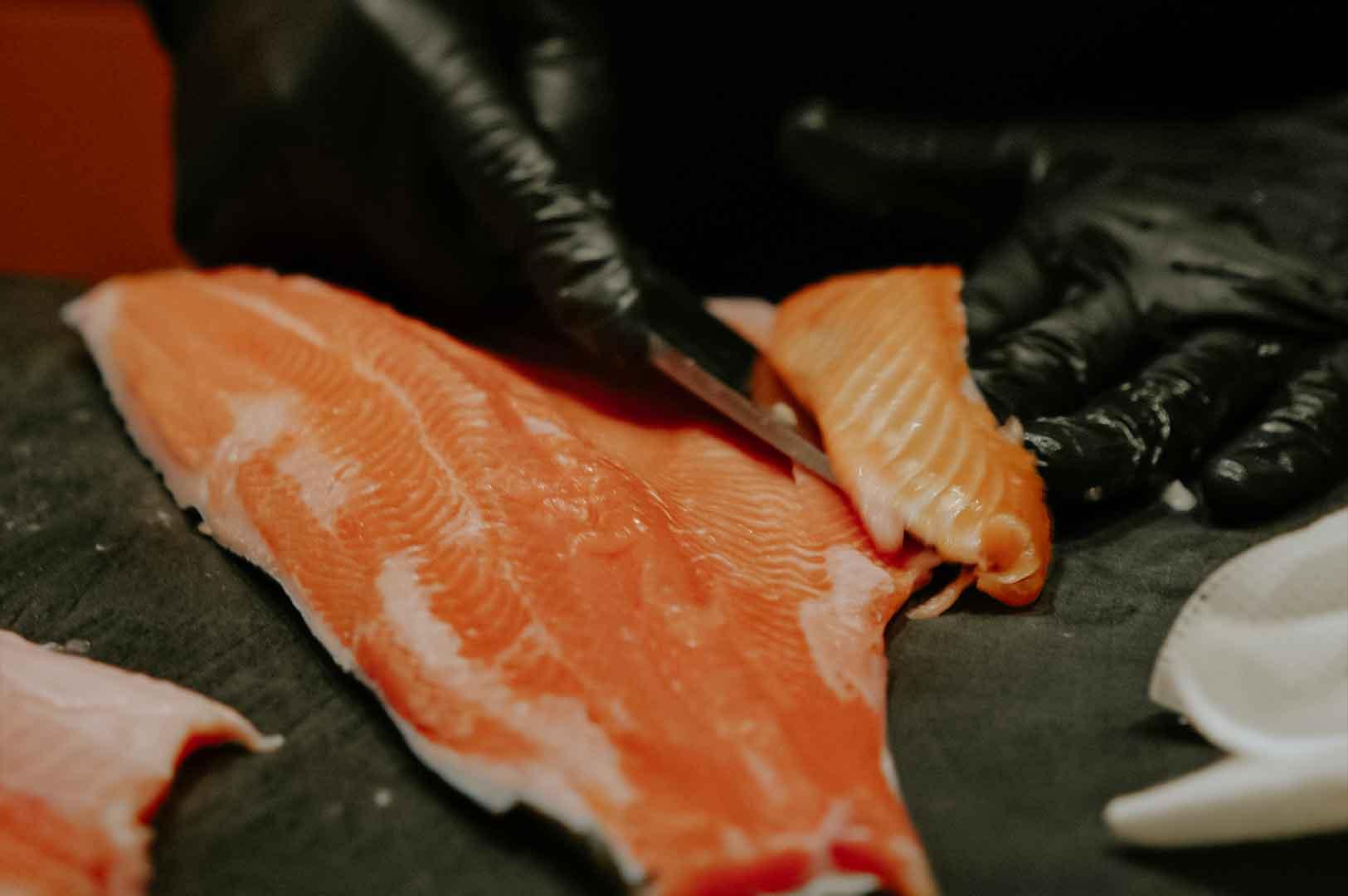
The quality case for Sushi Masa starts not at the 8-seat counter but at Toyosu Market each morning. In many establishments, the menu is written weeks in advance. The kitchen orders ingredients to fit the menu. Here, the process is reversed. The menu does not exist until the market opens.
This distinction is critical. When a kitchen commits to daily sourcing without a fixed script nor a budget skip, they remove their own safety net. There is no frozen backup in the freezer to save a service if a shipment is underwhelming. There is no pre-portioned prep done two days ago. The evening’s 16+ course seasonal omakase menu is built from scratch around exactly what the market delivered that day.
Why the 8-Seat Counter at Cuppage Plaza Sets the Benchmark
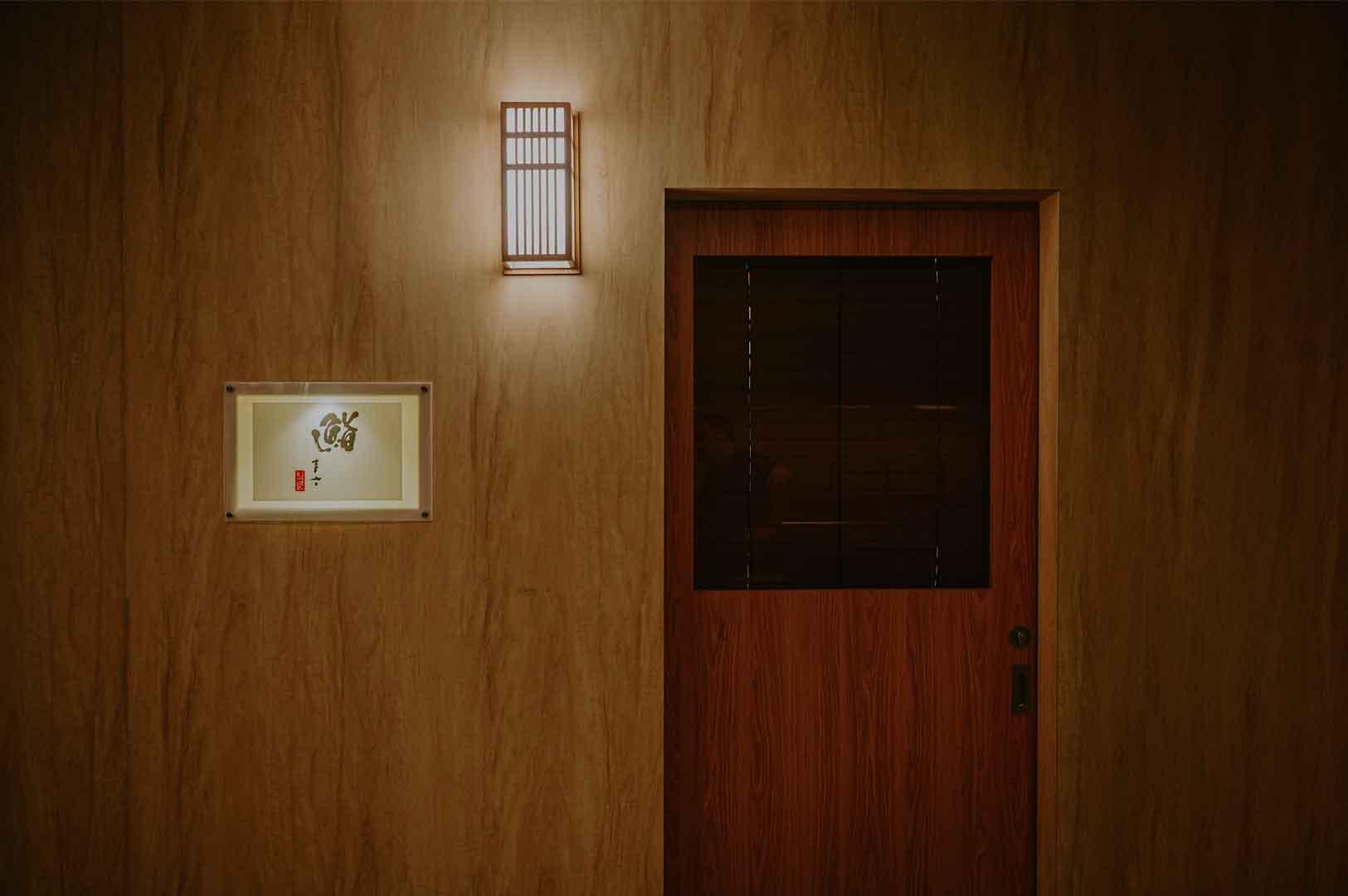
Located at Level 6 of Cuppage Plaza, the venue is intimate by design, not accident. The decision to limit the counter to just eight seats is the most significant operational choice Chef Masa has made. It is an honest arithmetic: this is the precise number of guests the day’s finest ingredients can serve perfectly.
No Script. No Repeats. No Shortcuts.
This daily reinvention is operationally significant. It prevents the kitchen from settling into a repeatable rhythm. In a standard restaurant, cooks can memorize a dish and execute it on autopilot after a month. At Sushi Masa, the rhythm changes daily. Chef Masa must engage with the product anew every single morning to force a genuine excellence every single service.
Daily Sourcing from Toyosu Market: The Quality Difference
Ingredients arrive daily from Japan, flown fresh from Toyosu Market. This logistical commitment is expensive and stressful, but it yields a palpable difference on the plate. When you eat here, you are tasting fish that was selected hours ago, not days ago.
This shortens the supply chain to its absolute minimum. The result is a vibrancy and texture that you simply cannot fake with aging techniques or heavy sauces. The produce speaks clearly because it hasn’t been sitting in a walk-in fridge waiting for a reservation to match its shelf life.
When the Ingredient Supply Determines the Guest List
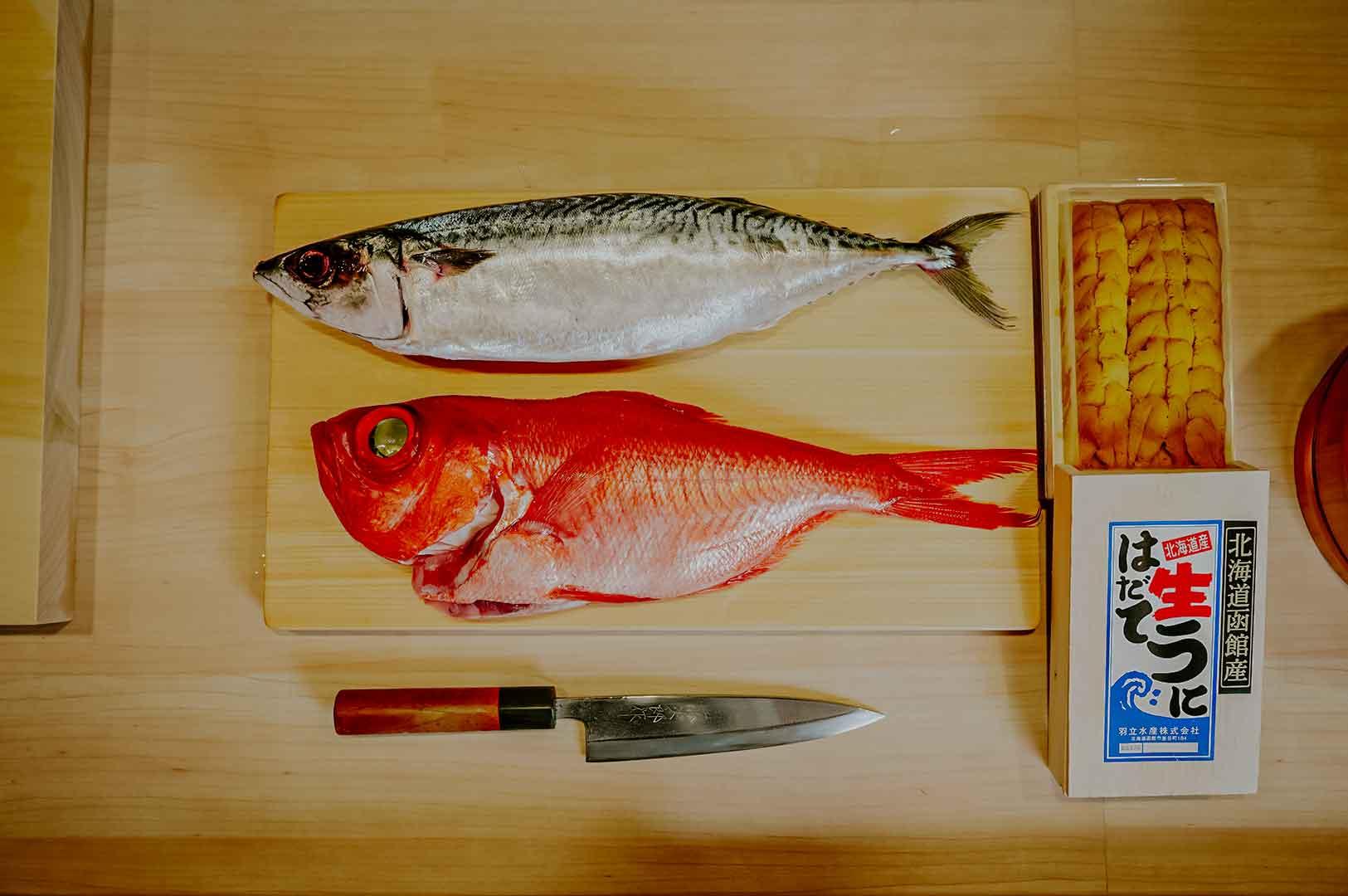
Chef Masa sources micro-seasonal, limited-catch seafood in quantities so small that larger restaurants cannot access them. A specific fish from a specific region of Japan on a specific morning may yield exactly enough for eight people—no more. If a restaurant has 20 seats, they cannot buy that fish. They must buy the fish that is available in larger quantities, which is almost always of a different tier of quality.
By capping the guest count at eight, Sushi Masa unlocks access to these finite ingredients. This is not a romantic detail. It is the operational mechanism that produces the quality. When you secure a reservation here, you are accessing a tier of seasonal ingredient quality that the wider Singapore dining market simply cannot reach because of their scale. The ingredients set the guest count, not the other way around.
The Seasonal Omakase Menu: 16+ Courses Built That Morning
The result of this sourcing philosophy is a dinner experience that spans approximately 2–3 hours and includes over 16 courses. Because there is no fixed menu, the progression feels organic. It is a narrative of the season, told through temperature, texture, and flavor. At the moment, Sushi Masa by Ki-setsu has three omakase dinner menu:
- Hiseki “The Hidden World” – 22+ Seasonal Courses (SGD$680+ Above)
- Harukaze – 16+ Seasonal Courses (SGD$230+)
- Shidarezakura – 18+ Seasonal Courses (SGD$320+)
One night might feature a run of shellfish because the cold waters of Hokkaido were particularly productive; another night might lean heavily into silver-skinned fish because the catch off Kyushu was exceptional. You are eating the reality of the season, not a chef’s abstract idea of it.
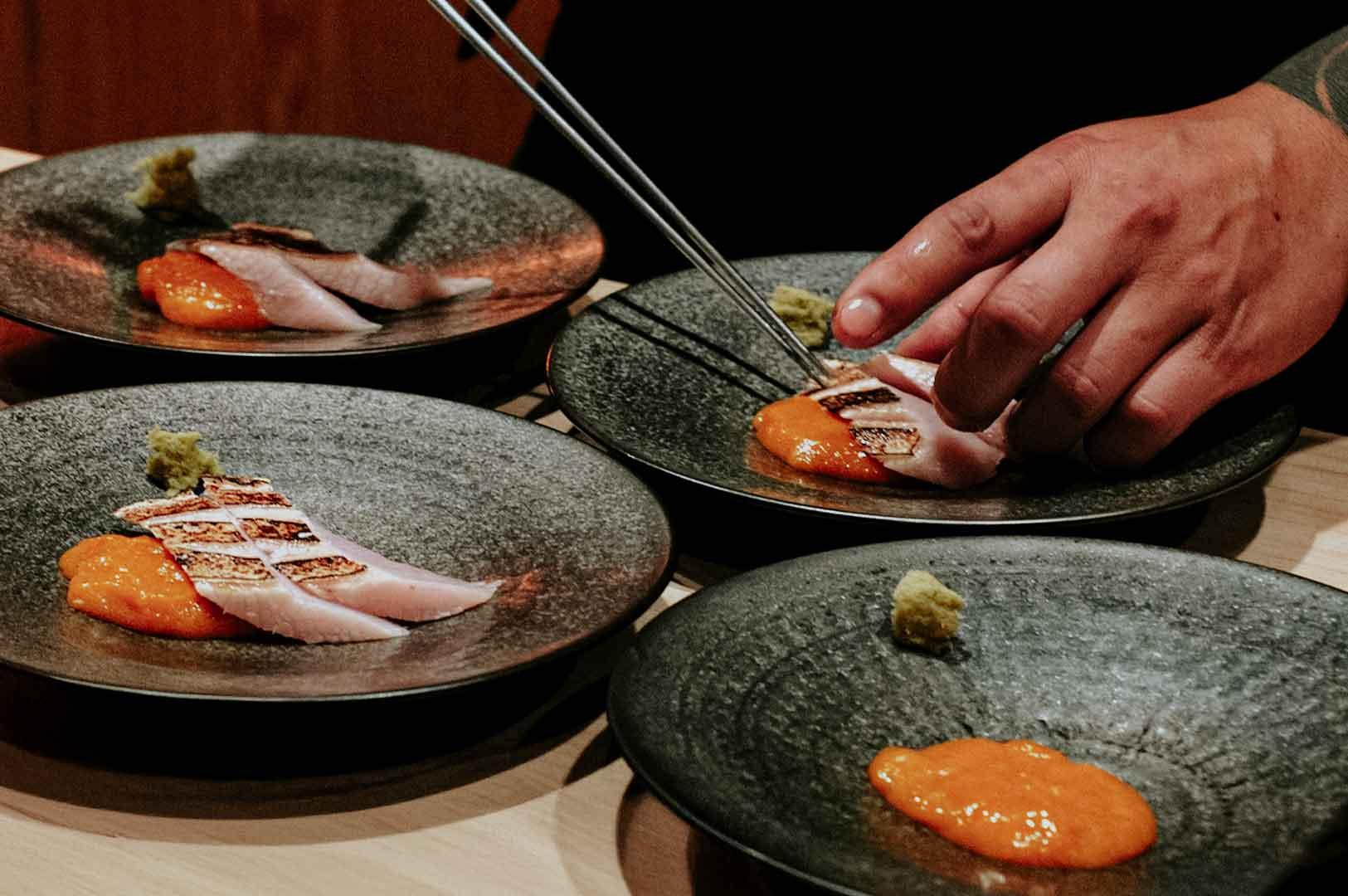
The omakase menus ranging from sashimi to nigiri and warm courses reflect the freshest premium seafood flown in daily. Each dish is crafted to impress and tell a story of the ocean’s bounty, with an appetiser to start and dessert to finish, providing a memorable dining experience at this unique location.
One Chef. Eight Guests. Undivided Attention.
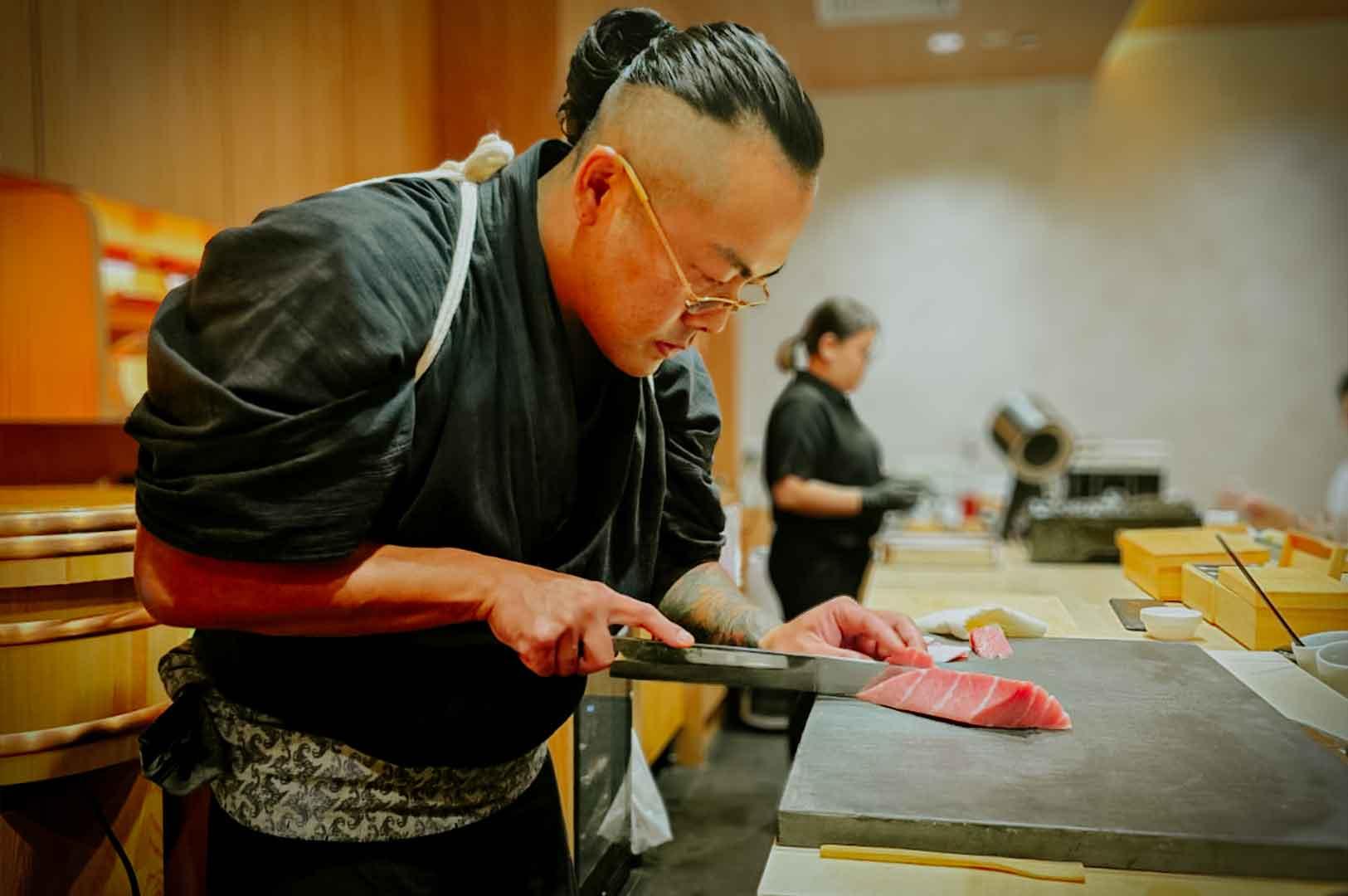
The final and most compelling proof point is the human element. At eight seats, Chef Masa maintains complete awareness of every guest. He is not managing a brigade of junior chefs plating dishes in a back kitchen. He prepares all dishes personally. This intimacy allows for a kind of precision larger venues cannot achieve; each piece timed to your pace, angled naturally to your hand, and served with rice kept at the perfect warmth to meet the fish.
This is not a luxury service feature. It is the core product. Singapore has many good omakase restaurants, but what places Sushi Masa among the best omakase in Singapore is that the chef’s undivided attention is itself the meal—and that product has a hard physical limit of eight recipients per evening. The waitlist exists because the standard cannot be maintained at greater scale.
Chef Masa has chosen standard over scale at every opportunity. That consistency of choice is what makes this counter genuinely buzz-worthy and a unique concept in the world of Japanese restaurants in Singapore.
Is Sushi Masa by Ki-setsu Worth the Wait?
Yes — without qualification. If you value food that is intellectually honest and technically precise, this is one of the best investments you can make in Singapore’s dining scene.
The operational evidence is clear: the daily reinvention ensures you are eating the best of today rather than a plan from last month; the sourcing arithmetic gives you access to limited ingredients that larger restaurants cannot buy; and the 8-seat limit guarantees the chef’s full technical attention, which is the defining characteristic of true omakase.
These are not marketing claims.
They are the structural reasons this counter belongs within the space of Singapore’s finest omakase restaurants, offering an authentic omakase dining experience that food connoisseurs and serious diners will savour.
How to Book Sushi Masa by Ki-setsu – Dinner Omakase Menu Only
Because of the strict 8-seat capacity and the reliance on daily air-flown ingredients, walk-ins are not possible. Advance booking is essential — reservations are recommended weeks to months ahead. Dinner service runs Tuesday to Saturday, with the restaurant closed on Mondays.
Private bookings are available on Sundays for groups seeking an exclusive sitting. The dinner omakase is priced at $230+ or $320+ per person. Sushi Masa by Ki-setsu is located at Level 6, Cuppage Plaza, Singapore, a location that guests can easily discover on maps and online.
If you are looking for a meal where the operations serve the quality rather than the bottom line, this is the benchmark. Book the counter seat, watch the process, and taste the difference. Don’t miss this chance to enjoy one of the best omakase experiences in Singapore, where every moment at the table is thoughtfully curated with surprises and a good balance of freshness and flavor.
For more details and to check availability, visit the official website’s reservation page here and secure your place at this intimate omakase concept.
