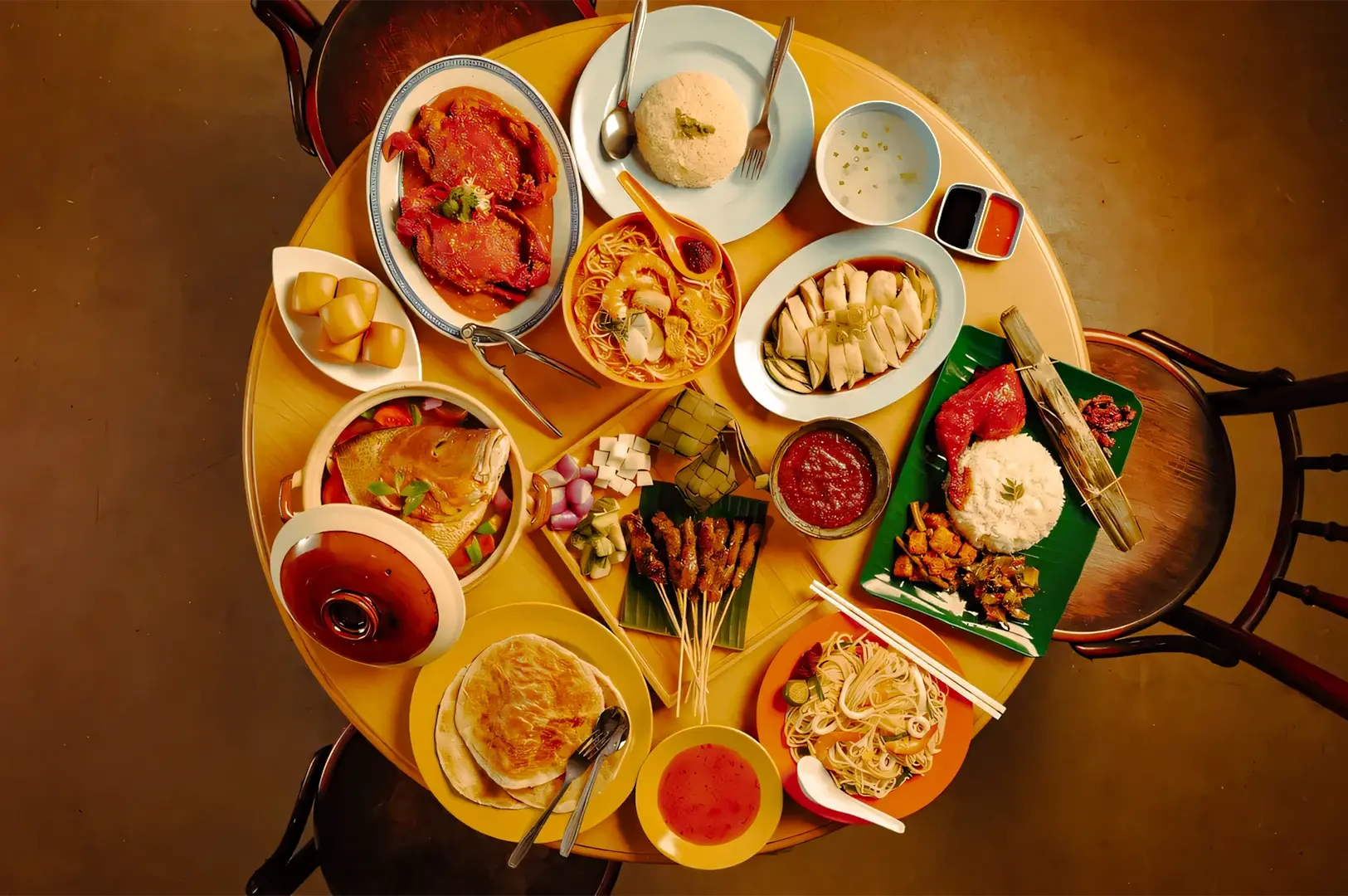
In Singapore, singapore eating is more than just sustenance; it is the language of daily life. It permeates every social interaction, defines cultural identity, and marks the passing of time. To truly understand this city-state is to understand its profound relationship with food. The unique Singapore eating landscape is shaped by a confluence of Chinese, Malay, Indian, and Eurasian influences, creating a rich tapestry of flavors and rituals that include iconic dishes like chicken rice, nasi lemak, and curry laksa with its creamy coconut milk broth. Whether you are dining at a humble hawker stall or an upscale Singapore restaurant, the city offers a remarkable variety of options to satisfy every craving.
Singapore is renowned for its delicious food, with many famous dishes that excite the taste buds of both locals and visitors alike.
From the first meal of the day to a late-night supper, dining patterns reflect the nation’s multicultural soul. This article explores how eat in singapore culture is woven into the very fabric of society, showing how mealtimes, social customs, and community bonds are all expressed through the simple act of sharing a meal.
This living food culture is also captured by curated resources such as Singapore Best Restaurants, which trace how daily eating habits and restaurant dining together shape Singapore’s culinary identity.
Dining in Singapore can range from inexpensive hawker food to high-end Michelin-starred restaurants, offering something for every budget and preference. The vibrant and bustling atmosphere of hawker centers, especially during meal times, is a defining feature of Singapore’s food culture. Many Singaporeans prefer to eat at hawker centers due to their affordability and the wide variety of food available.
The Rhythm of Daily Meals in Singapore’s Hawker Centres and Food Courts
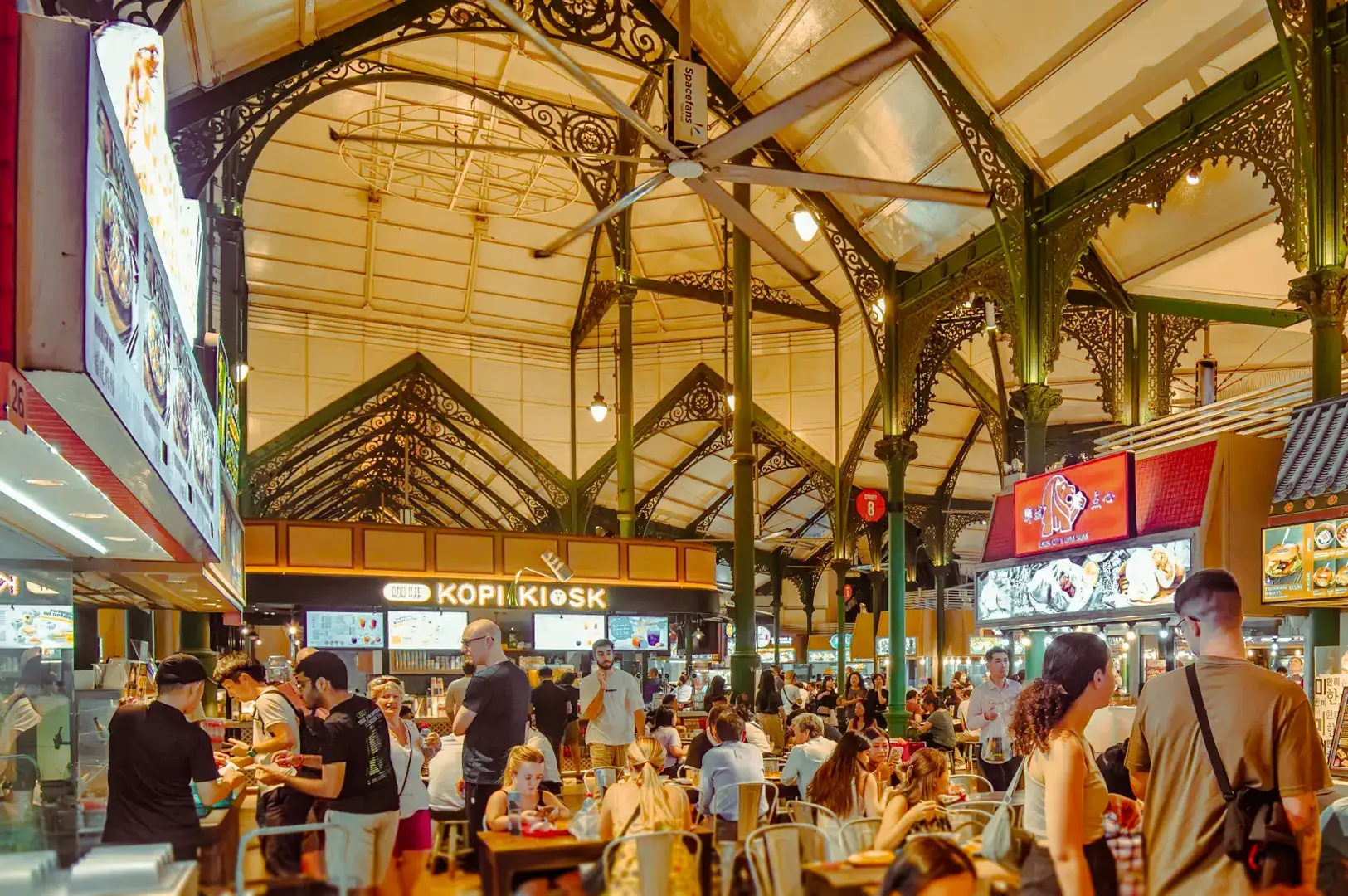
The daily life of a Singaporean can be charted through a series of distinct daily food rituals singapore residents hold dear. Breakfast is a multicultural affair. In a local kopitiam—a traditional coffee shop popular for breakfast and casual dining—or food centre, you will see office workers enjoying kaya toast with soft boiled eggs drizzled with soy sauce and a sprinkle of white pepper, while others might opt for a hearty bowl of spicy noodle soup, a savory plate of nasi lemak featuring fragrant basmati rice or glutinous rice cooked in coconut milk, or a crispy roti prata served with a side of spicy chilli sauce.
Lunchtime brings the city to a standstill as people from all walks of life descend upon the nearest hawker centres and food courts. Places like the famous maxwell food centre and airport road food centre are bustling hubs where you can find best hawker stalls offering everything from hainanese chicken rice—a simple dish of poached chicken and seasoned rice, served with chili sauce and cucumber garnishes—to char kway teow, a stir-fried noodle dish made with flat rice noodles, shrimp, Chinese sausage, and bean sprouts. You’ll also find laksa, a popular dish featuring rice noodles in a spicy coconut milk soup, often topped with fish cake and sometimes fried tofu. Hokkien Mee is another favorite: a fried noodle dish made with a mix of yellow egg noodles and white rice noodles, often served with seafood and a squeeze of lime juice. This midday rush is a testament to the importance of hawker culture. It is a swift, efficient, and delicious affair, providing a much-needed break from the workday.
Dinner is traditionally a time for families to gather, sharing several communal dishes over rice, including peranakan food specialties like beef rendang and minced pork dishes, where glutinous rice is often used in traditional recipes. The day doesn’t end there. Supper culture is deeply ingrained, with many eateries in neighborhoods like Geylang or Jalan Besar staying open late to serve night owls dishes such as fried chicken, oyster omelette, and bak kut teh—meaning ‘meat bone tea’, a comforting broth made with pork ribs simmered in a herbal broth.
This rhythm of meals reflects social priorities, offering moments for personal comfort, professional networking, and family connection throughout the day. Modern lifestyles may have altered some patterns, but the core structure of everyday dining singapore remains.
Food as Social Currency and Community Connector at Hawker Stalls
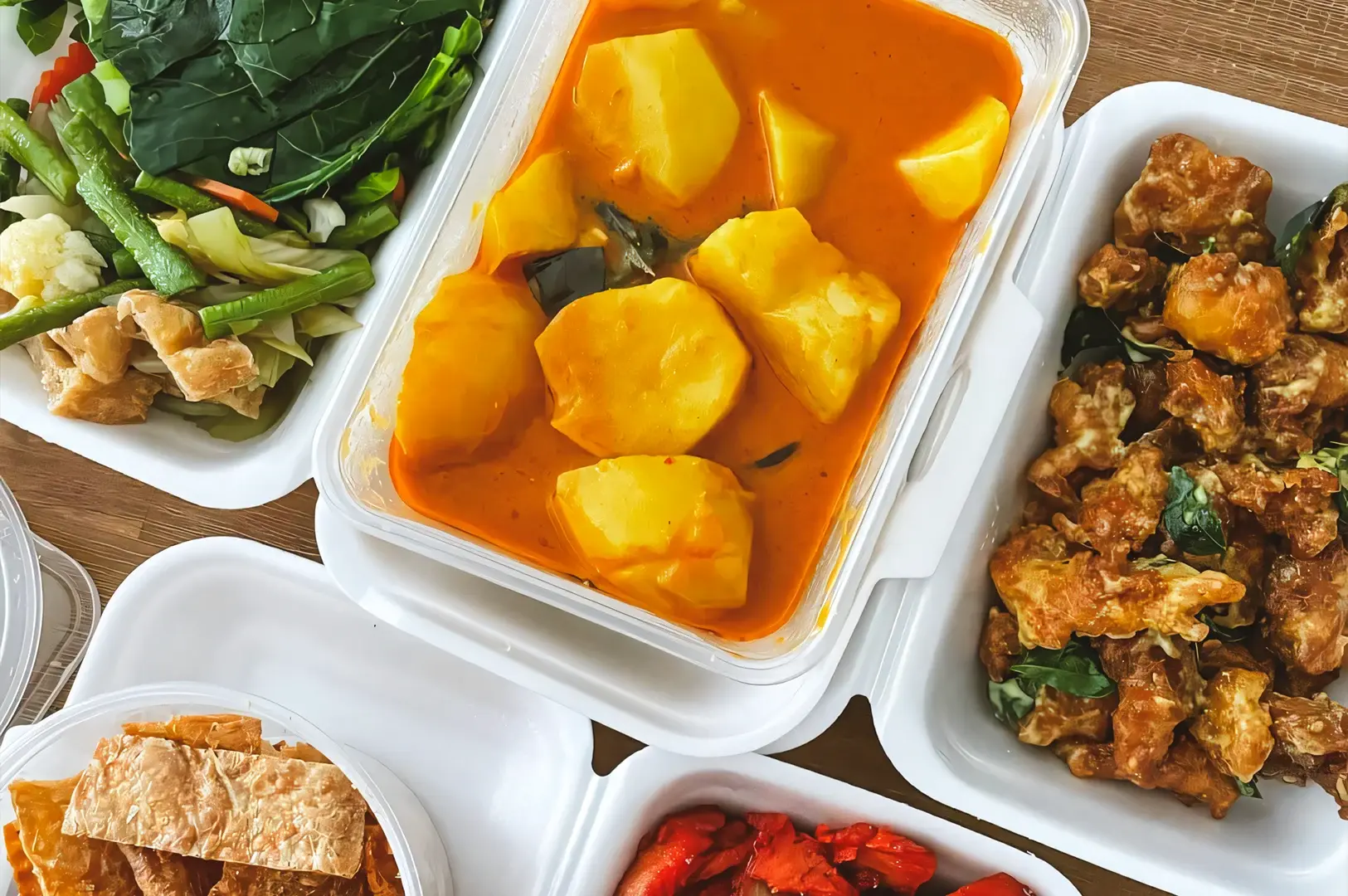
In Singapore, food is the primary currency of care and community. The common greeting is not “how are you?” but “have you eaten?” This question is a genuine expression of concern, a way to check in on a friend or colleague’s well-being. The culture of dabao (takeaway) is another example. Bringing food home for family members who couldn’t join a meal is a tangible act of love and consideration.
Hawker stalls function as the nation’s democratic social spaces. Here, a CEO in a tailored suit might sit next to a construction worker, both enjoying the same $5 plate of chicken rice with dark soy sauce or a bowl of bak kut teh. This food lifestyle singapore fosters is one of inclusivity, where community is built over shared tables. Food recommendations are a form of social bonding; sharing a tip about a great new stall is an act of generosity and trust.
Neighborhood kopitiams serve as community gathering points where residents catch up on local news over a morning coffee sweetened with condensed milk. These Singapore dining customs, from sharing dishes to leaving a tissue packet to reserve a seat, all reinforce a collective identity built around the joy of eating.
Multicultural Influences on Daily Eating Habits and Signature Dishes
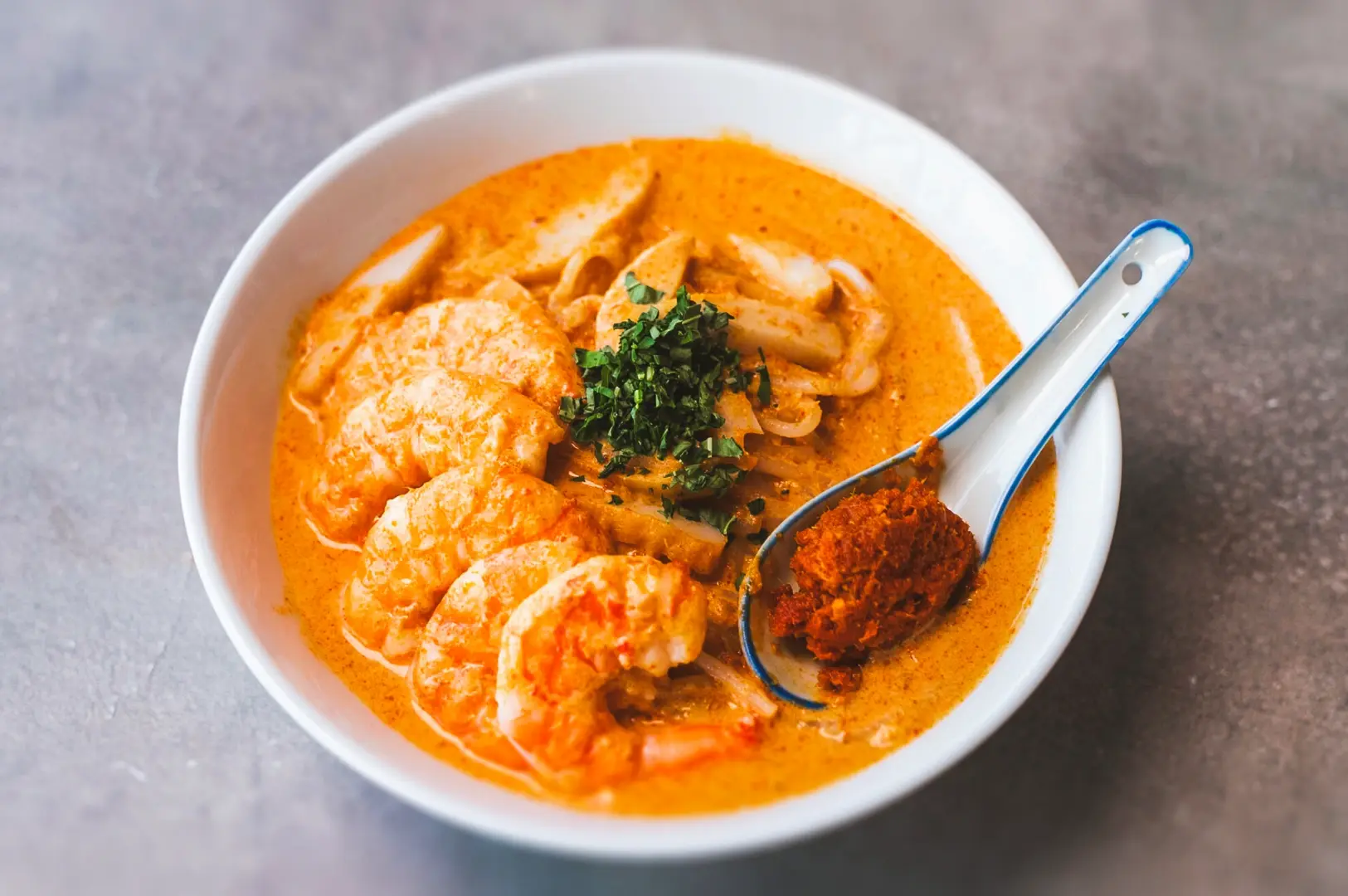
Singapore’s fusion pioneers—often working quietly in hawker stalls and neighborhood kitchens—have defined a culinary innovation that feels natural rather than forced.
The ease of multicultural dining singapore offers is remarkable. On any given day, a person might have a Chinese-style breakfast such as the popular Ya Kun Kaya Toast, an Indian lunch, and a Malay dinner without traveling more than a few kilometers. Many popular dishes have Chinese origins, with traditional preparation methods and deep cultural significance. Singapore culinary traditions from different ethnic groups coexist seamlessly, not just in separate enclaves but often within the same hawker centres. Steamed dumplings, especially those served at places like Din Tai Fung, are a must-try Chinese dish that highlights this heritage.
This close proximity has led to the natural creation of fusion dishes. For example, the Katong Laksa is a peranakan food creation that exemplifies the fusion of Chinese and Malay flavors, featuring Chinese rice noodles in a spicy Malay-style coconut milk gravy. Peranakan cuisine is a unique blend of Chinese and Malay culinary traditions, characterized by bold and aromatic flavors from ingredients like coconut milk, galangal, tamarind, and a variety of local vegetables and spices. The Peranakan culture includes people originally from the Hokkien, Hakka, and Teochew communities who settled in the Malay Peninsula and surrounding islands. This organic mixing is a hallmark of the local food scene.
Religious practices also shape food accessibility and acceptance. The widespread availability of halal food ensures the Muslim community is well-catered for, while many establishments offer vegetarian options. Dishes like nasi lemak, consisting of rice cooked in coconut milk and served with sambal, are staples in both Malay and Singaporean cuisine and are traditionally eaten during specific meals or festivals. Murtabak, a stuffed flatbread reflecting Arab and Indian culinary influences, is often filled with spiced meat and served with curry. This celebration of dietary diversity means that during festivals like Chinese New Year or Hari Raya, special foods from one culture are often shared and enjoyed by all, further strengthening the multicultural fabric of singaporean food.
Don’t miss exploring the rich flavors of Japanese curry, as detailed in this personal taste guide to the best Japanese curry in Singapore.
The Unspoken Rules and Rituals of Eating at Hawker Centres and Food Courts

Navigating the local dining scene involves understanding a set of unwritten rules. The most famous is “chope” culture, the uniquely Singaporean method of reserving a seat at a busy hawker centre by placing a tissue packet on the table. This system, built on mutual trust, is a perfect example of the city’s pragmatism.
Queue etiquette is also paramount. Singaporeans are famously patient when it comes to lining up for good food, and a long queue is often the most reliable indicator of a stall’s quality. In crowded settings, table-sharing with strangers is common and expected.
When it comes to ordering, hawker centres navigation involves a simple system of ordering from a stall, paying in cash, and carrying your own food to your table. Tipping is not a part of the culture. Finally, there is a strong “finish your plate” mentality, a holdover from leaner times that instills a deep respect for food and a disdain for waste.
Signature Dishes like Hainanese Chicken Rice that Define Singapore Eating Culture
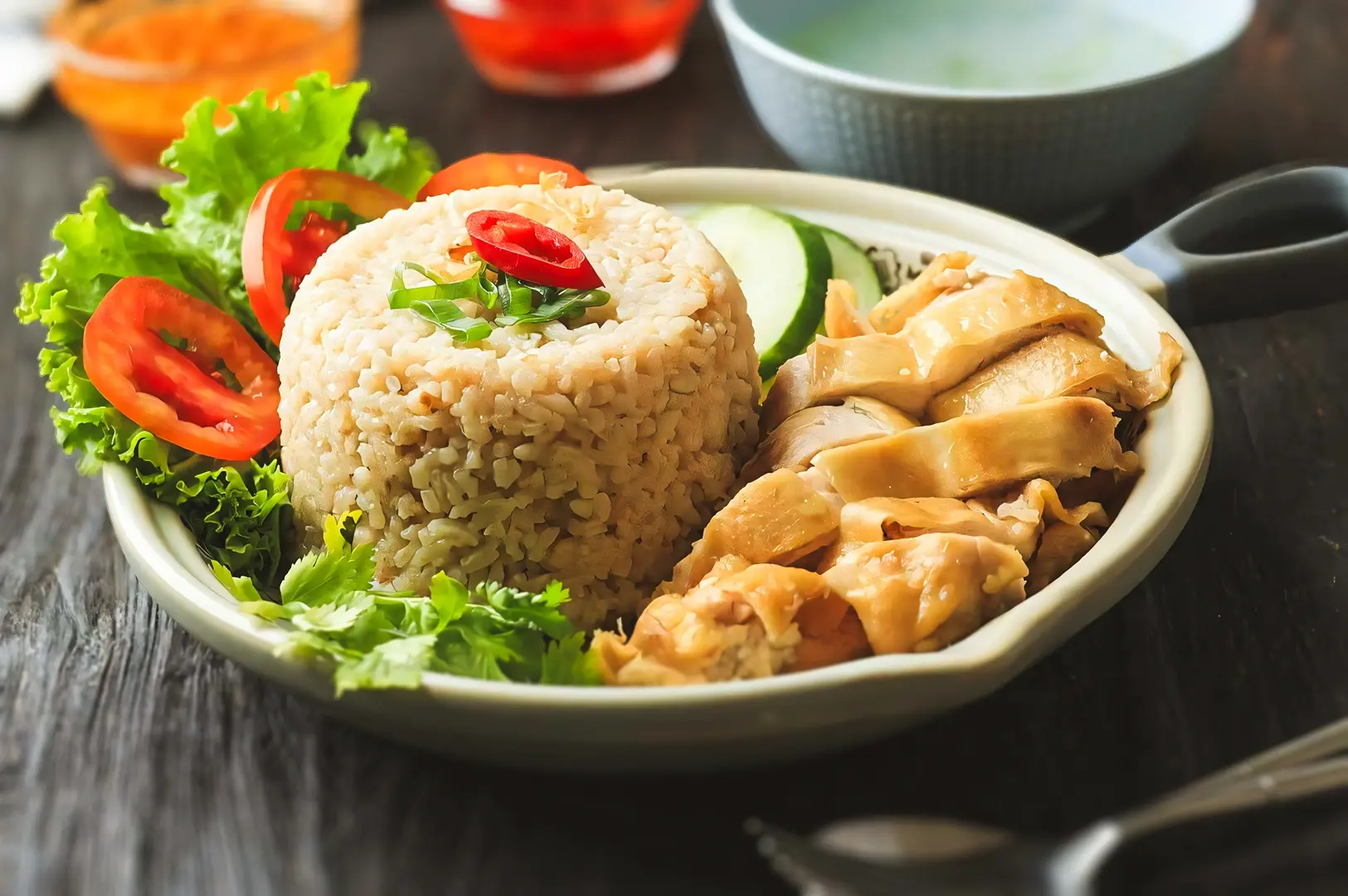
Among the best singapore restaurants and best hawker stalls, several signature dishes stand out. Hainanese chicken rice is often called Singapore’s national dish, featuring tender poached chicken served with fragrant rice cooked in chicken broth, accompanied by a trio of dipping sauces including pureed ginger, dark soy sauce, and a spicy sauce that enhances the flavors of the dish.
Chili crab and black pepper crabs are other famous dishes, cooked in a thick thick sauce that is sweet, savory, and mildly spicy, perfectly paired with steamed buns to soak up every drop. Chili crab is often referred to as one of the national dishes of Singapore and is a must-try for visitors. The fiery char kway teow, stir-fried with egg noodles, pork lard, and bean sprouts, is a beloved street food favorite.
Cantonese-style roast meats are also a highlight, with char siu (barbecued pork marinated in a sweet-savory sauce and roasted to a smoky finish), crispy pork belly, and roast duck being popular dishes. These roast meats are often served with rice or noodles and are prized for their flavorful marination, tender texture, and crispy skin.
Other notable dishes include bak kut teh, a hearty pork rib soup seasoned with white pepper and herbs; carrot cake, made from steamed rice cakes and fried with eggs and preserved radish; and oyster omelette, a crispy, deep fried treat often enjoyed with a cold beer. Hokkien Mee is a popular fried noodle hawker dish in Singapore, made with a mixture of yellow egg noodles and white rice noodles. Bak Chor Mee, meaning minced pork and noodles, is a true Singaporean dish that is served dry with a light broth on the side.
For Indian and Malay cuisine, murtabak (stuffed pan-fried bread) and Fish Head Curry—a dish with South Indian and Chinese origins, prepared by stewing a whole fish head in curry—are must-try signature dishes. Maimunah Restaurant and Hjh Maimunah Restaurant, both located near Sultan Mosque, are renowned for their traditional Malay dishes, diverse menus, and welcoming cultural atmosphere, making them popular with both locals and tourists.
Little India is a key area for authentic Indian cuisine, vibrant food tours, and bustling hawker centers, offering a rich cultural and culinary experience.
Singapore is also home to several Michelin-starred restaurants, such as Candlenut, which specializes in Peranakan food and showcases the rich flavors and techniques of this culinary tradition. Michelin-starred restaurants are prestigious dining destinations known for their excellence and exclusivity, contributing to Singapore’s reputation as a global food capital.
Famous hawker stalls include the original Liao Fan Hawker Chan at Chinatown Complex Food Centre, known for soya sauce chicken rice; Maxwell Food Centre’s Tian Tian Chicken Rice and excellent roast duck stalls; Amoy Street Food Centre’s Michelin Bib Gourmand stall A Noodle Story; East Coast Lagoon Food Village for seafood and BBQ with a beachfront vibe; Sungei Road Laksa, beloved by laksa lovers; 328 Katong Laksa, famous for its spicy Peranakan curry laksa; and Hill Street Tai Hwa Pork Noodle, legendary for its vinegar-y and spicy bak chor mee.
For those with a sweet tooth, kaya toast is a traditional breakfast dish made with kaya jam spread between slices of toasted bread, paired with a cup of local coffee or tea sweetened with condensed milk, and is a perfect start to the day. Cendol, a dessert of shaved ice with coconut milk, palm sugar syrup, green rice flour jelly, and red beans, provides a refreshing finish to a flavorful meal.
Don’t miss the iconic Singapore Sling, a historic cocktail created at Raffles Hotel, known for its fruity, fizzy character and status as a symbol of the city’s cocktail heritage.
Conclusion
The act of singapore eating is the central thread that weaves through the city’s complex multicultural fabric. It is a daily practice that goes far beyond nutrition, touching on identity, community, family, and respect. In Singapore, food is the way people connect with their heritage and with each other.
To understand the soul of this nation, one only needs to observe these daily culinary rituals. The unspoken rules of a food centre, the casual generosity of sharing a meal, and the diverse flavors found on every corner all tell the story of Singapore. It is this unique, food-centric lifestyle that creates the city’s vibrant and unmistakable cultural identity.
