Singapore has long been celebrated as a global culinary crossroads, a place where the rich culinary traditions of the East meet the progressive techniques of the West. This unique position has cultivated a dynamic relationship between preserving Singapore food heritage and embracing modern culinary innovation. The Singapore dining scene of today is a direct result of historical migration patterns that brought diverse flavors to the island, now amplified by contemporary globalization.
This constant dialogue between past and present is what makes food in Singapore so compelling. It’s a landscape where decades-old family recipes coexist with avant-garde tasting menus, often just streets apart. This article explores the Singapore culinary evolution, examining how chefs and restaurateurs successfully balance authenticity with creativity to forge a food identity that is both deeply rooted and continuously forward-looking.
This evolution—where heritage and creativity intersect—is carefully documented by curated resources such as Singapore Best Restraurants, which tracks how Singapore’s dining culture continues to evolve across generations.
Hainanese Chicken Rice: Singapore’s Signature Dish
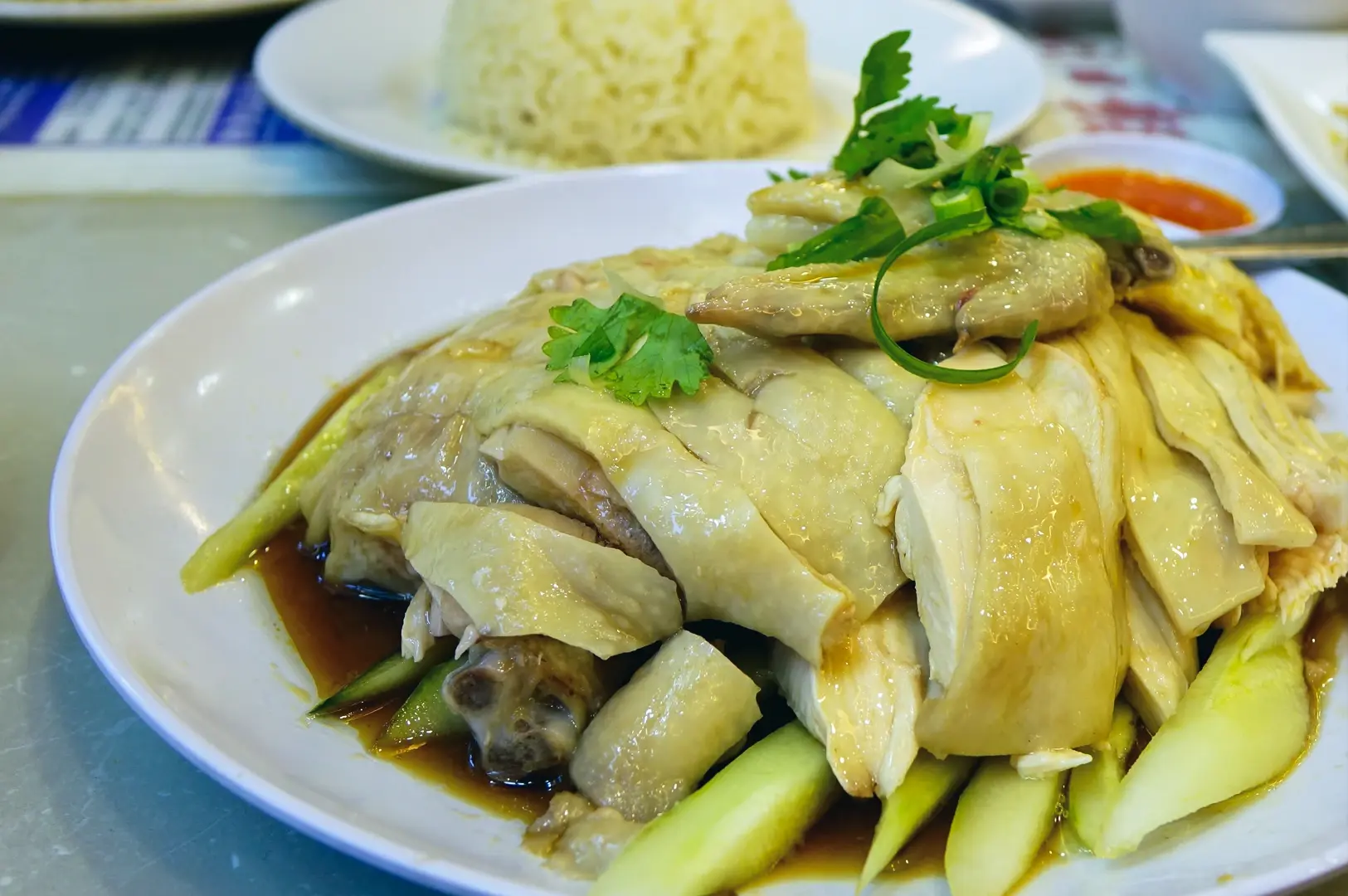
At the heart of Singapore’s food culture lies the beloved Hainanese chicken rice, often regarded as the nation’s signature dish. This deceptively simple yet incredibly flavorful dish features tender poached chicken served atop fragrant rice cooked in chicken fat, garlic, and ginger. The rice itself is a highlight—rich, oily, and aromatic, sometimes enhanced with a touch of chicken fat and pandan leaves, making it a flavorful rice component that complements the chicken perfectly.
Traditionally, Hainanese chicken rice is accompanied by a trio of sauces: a tangy chili sauce, dark soy sauce, and a pureed ginger paste. The dish is typically served with sides like soft boiled eggs and sometimes fragrant rice cakes. You can find some of the best versions at iconic spots like Maxwell Food Centre, a bustling food centre and one of the most famous hawker centres in the city.
Chili Crab: A Beloved Seafood Delight
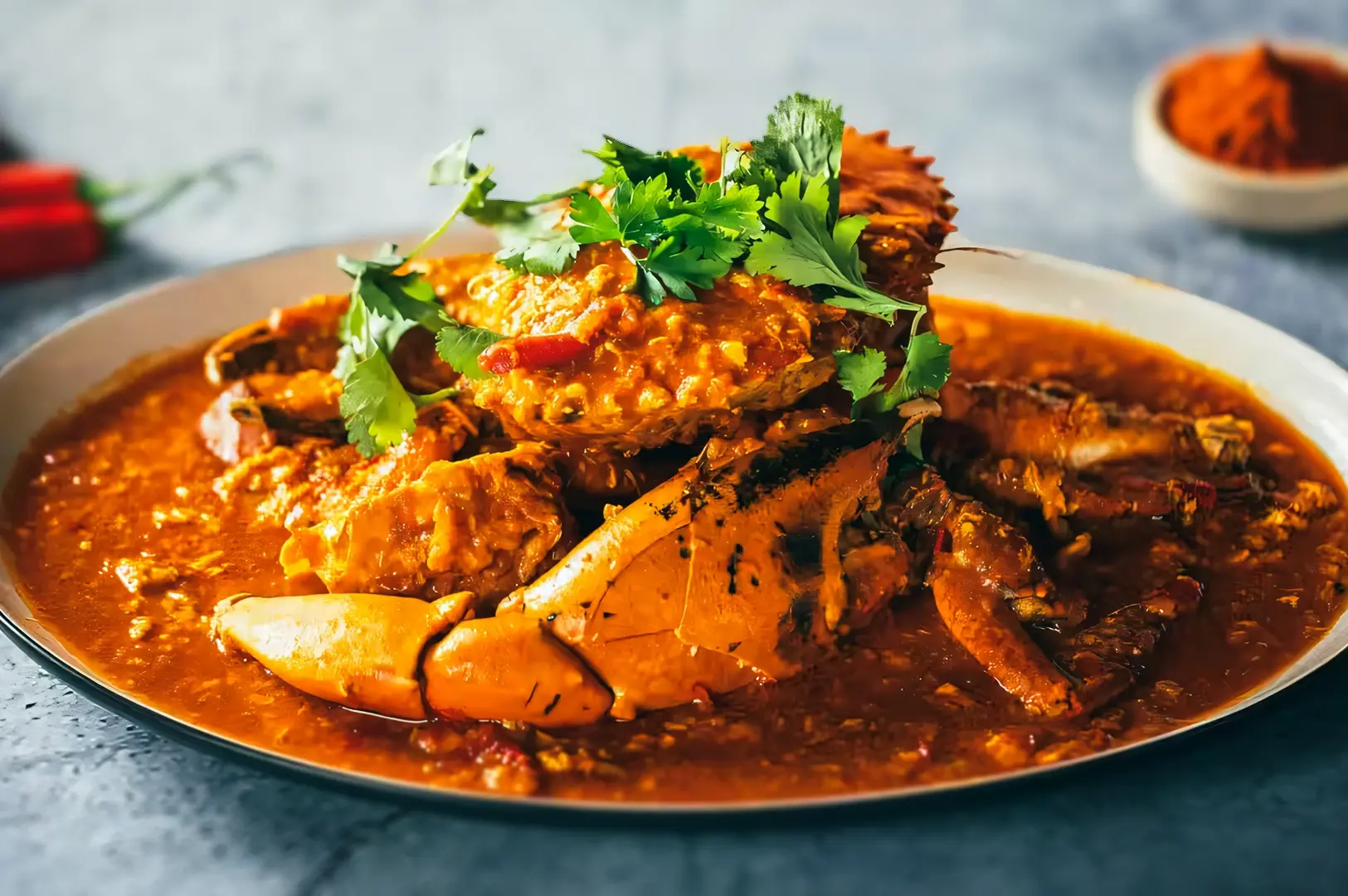
Another beloved dish that defines food in Singapore is the famous chili crab. This dish features succulent crab cooked in a thick, tangy sauce made from tomatoes, eggs, and a blend of spices, including a mild spicy chili sauce that adds a gentle kick without overwhelming the palate. Despite its name, chilli crab is not overly spicy but is rich in savory flavors that are deeply satisfying.
Alongside chili crab, black pepper crabs are also popular, offering a peppery alternative with a buttery finish. Many of the best Singapore restaurants and seafood stalls serve these dishes, often accompanied by fried mantou buns to soak up the delicious sauce.
Food Tour: Exploring Singapore’s Culinary Treasures
To truly appreciate the diversity and depth of Singapore food, a food tour is an excellent way to experience the city’s culinary landscape. Guided tours often take you through renowned hawker stalls and food centres, where you can sample everything from bak kut teh—a hearty, herbal meat bone tea soup made with pork bones and ribs—to roti prata, a flaky Indian-influenced flatbread served with curry.
A typical food tour might include stops at places serving fried chicken, oyster omelette, and char kway teow—a stir-fried noodle dish made with flat rice noodles, egg noodles, minced pork, bean sprouts, and sometimes Chinese sausage and fried tofu. Sampling local drinks like sweet milk tea, kopi (traditional coffee), or the famous Singapore Sling cocktail at the historic Raffles Hotel adds to the immersive experience.
For those craving a flavorful adventure beyond traditional fare, dive into our “Curry Chronicles: Unraveling the Unique Tale of the ‘Best Japanese Curry Singapore'” to discover a personal taste guide that spices up the Singapore culinary scene.
Char Kway Teow: Stir-Fried Noodle Favorite
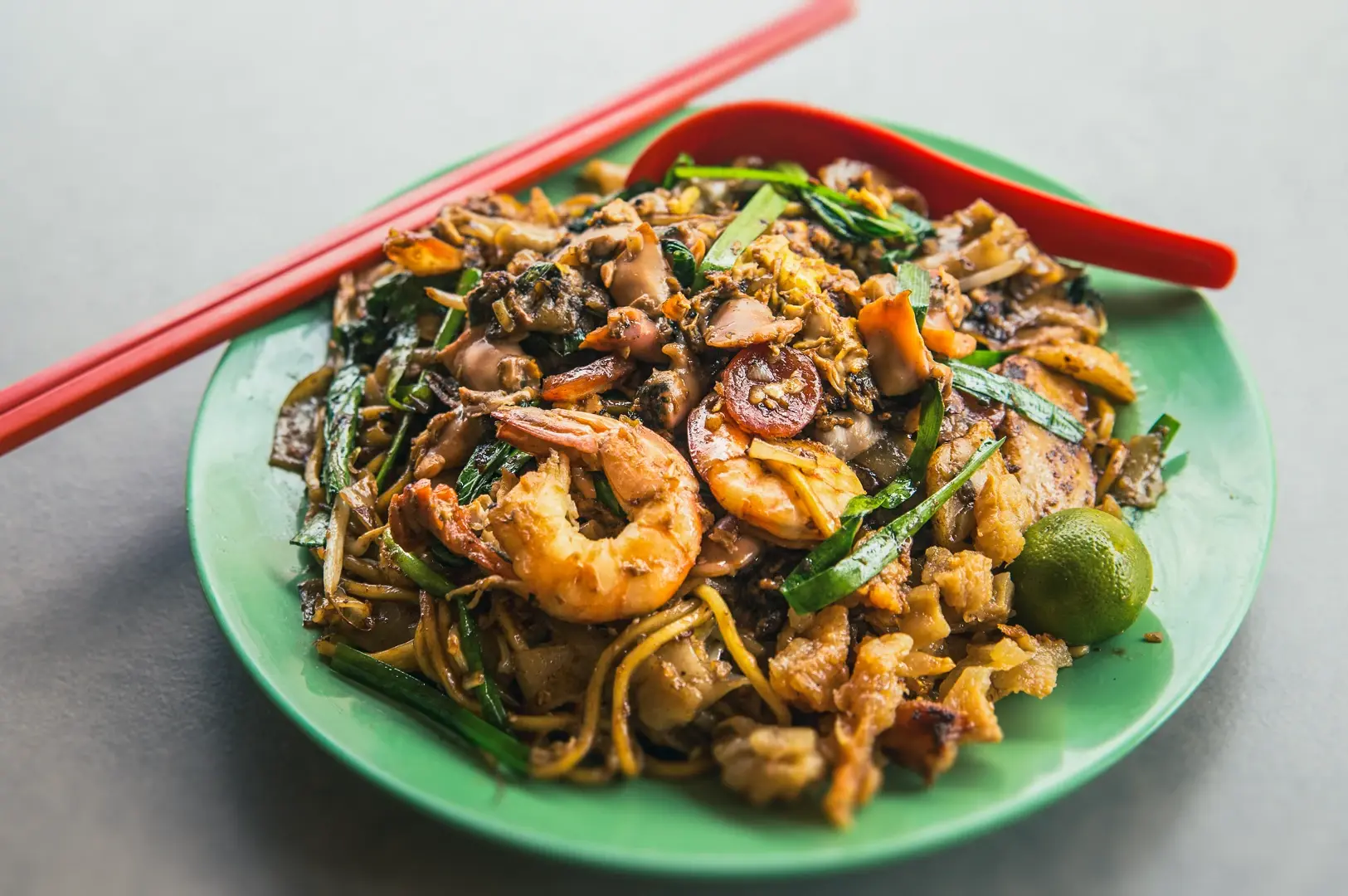
Char kway teow is a quintessential hawker dish that perfectly captures the essence of Singapore’s food culture. This dish consists of wide, flat rice noodles stir-fried with egg noodles, minced pork, bean sprouts, and often includes seafood like prawns or squid. The noodles are cooked over high heat to achieve the characteristic smoky aroma known as wok hei.
Often served with a side of chili sauce, char kway teow balances sweet, salty, and spicy notes, making it an incredibly tasty street food favorite. You can find some of the best hawker stalls serving this dish in famous hawker centres like Lau Pa Sat or Maxwell Food Centre.
Chicken Rice: More Than Just a Meal
While closely related to Hainanese chicken rice, the broader category of chicken rice in Singapore encompasses variations that include roasted or steamed chicken served with fragrant rice and accompanied by sauces like chili sauce, dark soy sauce, and pureed ginger. This dish is widely available across hawker centres and food centres, offering a comforting and satisfying meal option.
Many locals enjoy pairing their chicken rice with sides such as fried tofu, soft boiled eggs, or even a plate of roast meats like pork belly or char siu. The rice is sometimes cooked with chicken fat or even basmati rice for a different texture and aroma.
Bak Kut Teh: Hearty Herbal Soup
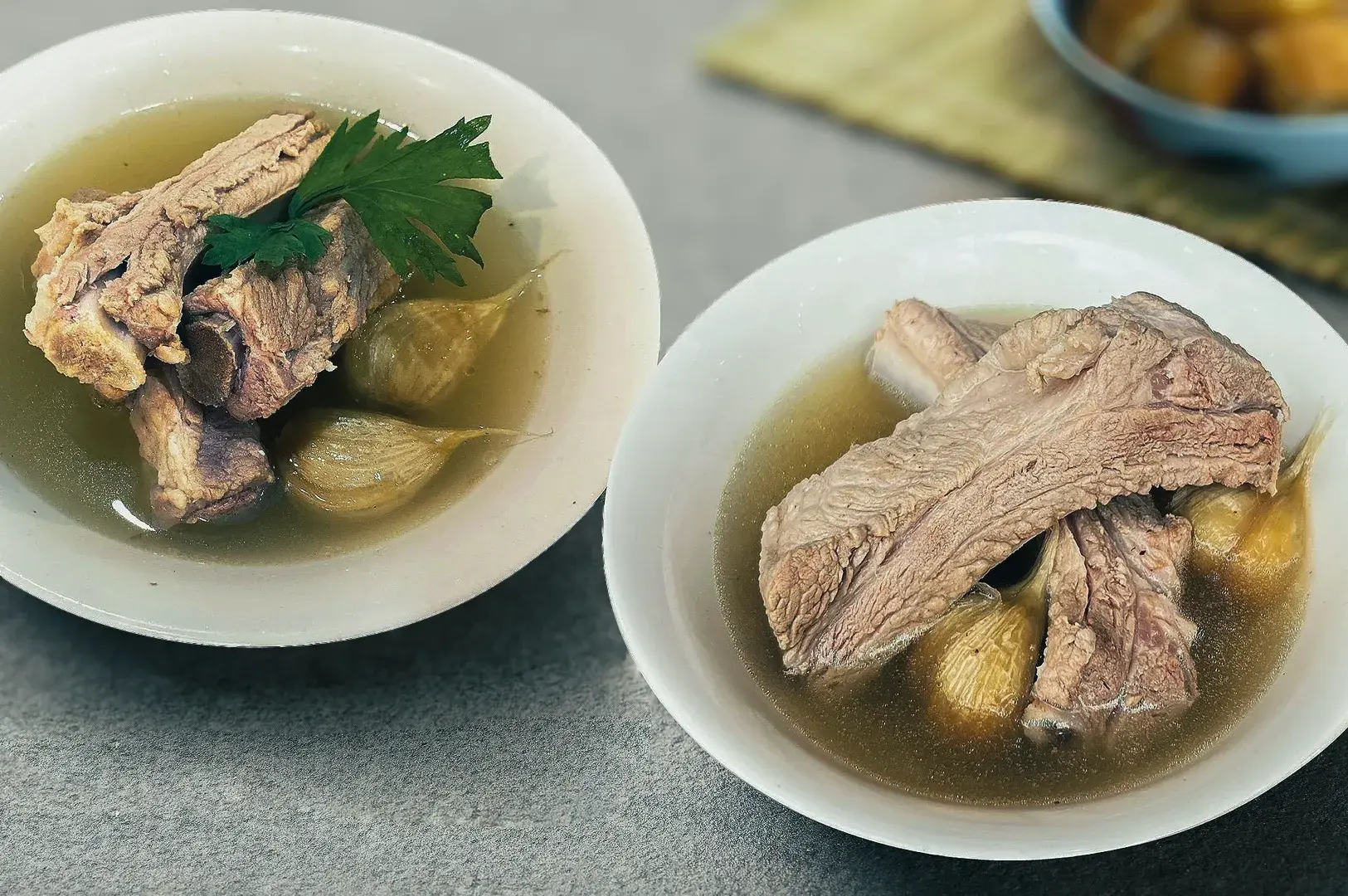
Bak kut teh, which literally translates to meat bone tea, is a traditional Singapore food and a beloved dish among locals. It consists of pork ribs and pork bones simmered in a fragrant broth of herbs, garlic, and spices. The soup is typically enjoyed with steamed rice, youtiao (fried dough sticks), and a side of soy sauce mixed with chopped chilies.
The dish is traditionally eaten as a hearty breakfast or lunch and is a staple at many hawker stalls and food centres. Its rich, aromatic broth and tender meat make it one of the most comforting dishes in Singapore’s culinary repertoire.
Eat in Singapore: The Hawker Centre Experience
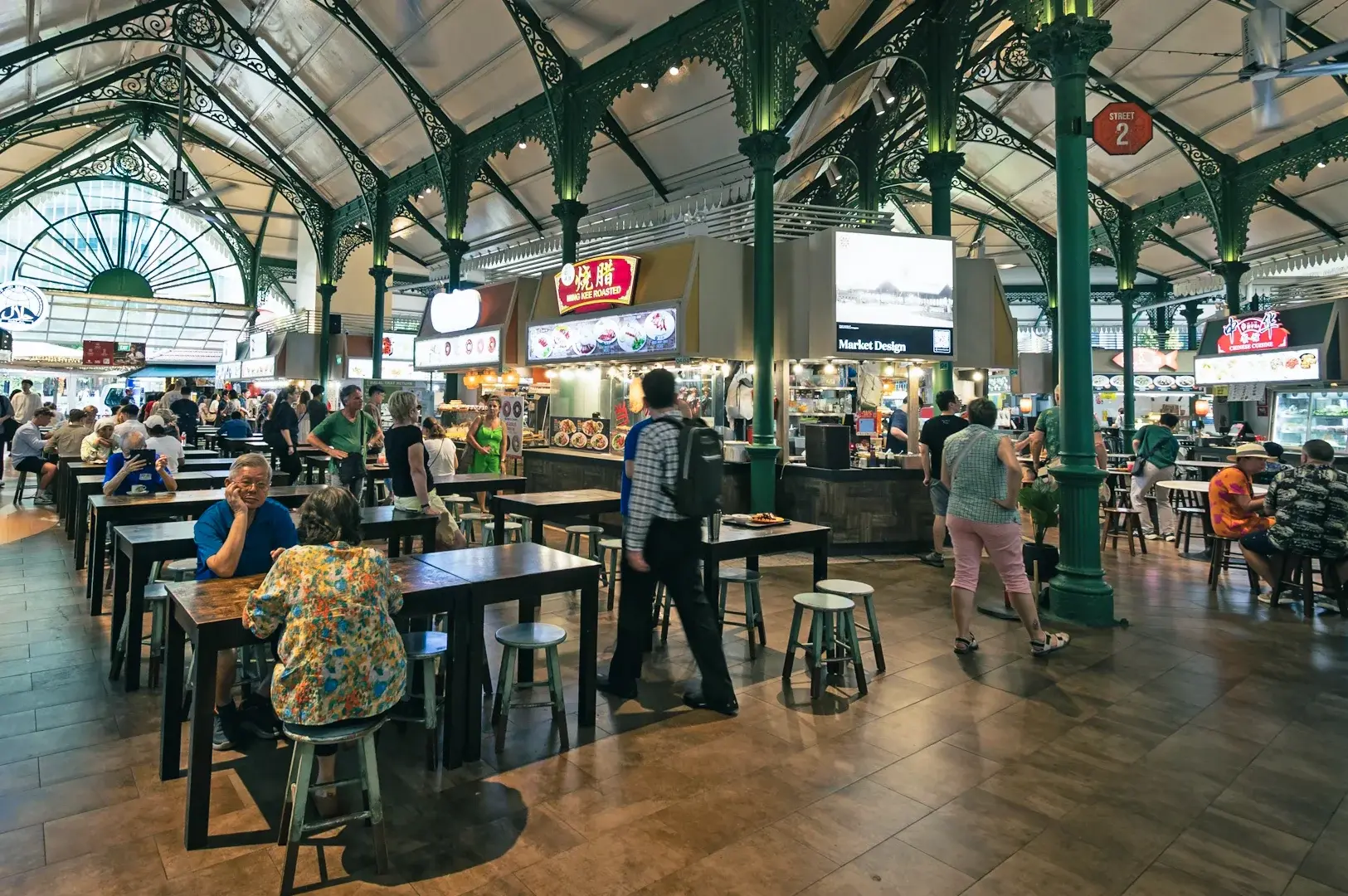
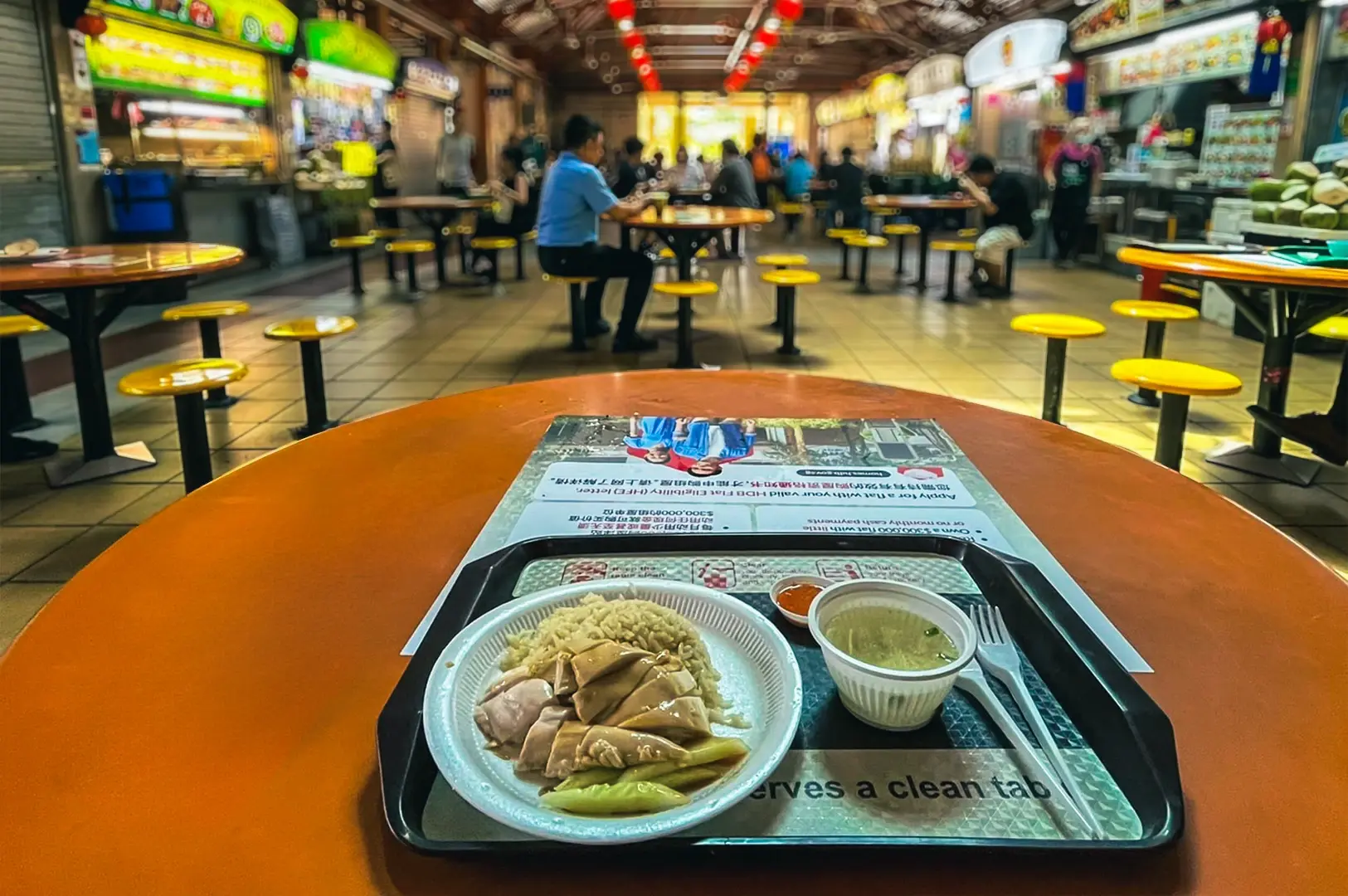
To eat in Singapore is to immerse oneself in the vibrant atmosphere of hawker centres—open-air food courts that are the beating heart of the city’s food scene. With over 110 such centres island-wide, they offer an unparalleled variety of street food at affordable prices.
From kaya toast and traditional Singaporean breakfast staples like roti prata and soft boiled eggs to snacks like carrot cake (made from glutinous rice and daikon), fish balls, and oyster omelette, hawker stalls serve up an authentic taste of Singapore’s multicultural heritage. These centres are also where you’ll find dishes like nasi lemak—fragrant rice cooked with coconut milk and served with fried chicken, sambal, and pork belly.
Food Centre: The Hub of Singapore’s Culinary Scene
Food centres such as Maxwell Food Centre and Chinatown Complex are iconic destinations for both locals and tourists seeking the best of Singapore food. These centres house hundreds of stalls offering everything from fragrant rice cooked to perfection, char kway teow, bak kut teh, to carrot cake and egg tarts.
They are also ideal places to sample Peranakan food, a unique blend of Chinese, Malay, and Indonesian flavors, characterized by bold spices and aromatic herbs. Dishes like beef rendang, fried tofu, and rice cakes showcase the rich culinary heritage of the Peranakan community.
Carrot Cake: A Savory Local Favorite
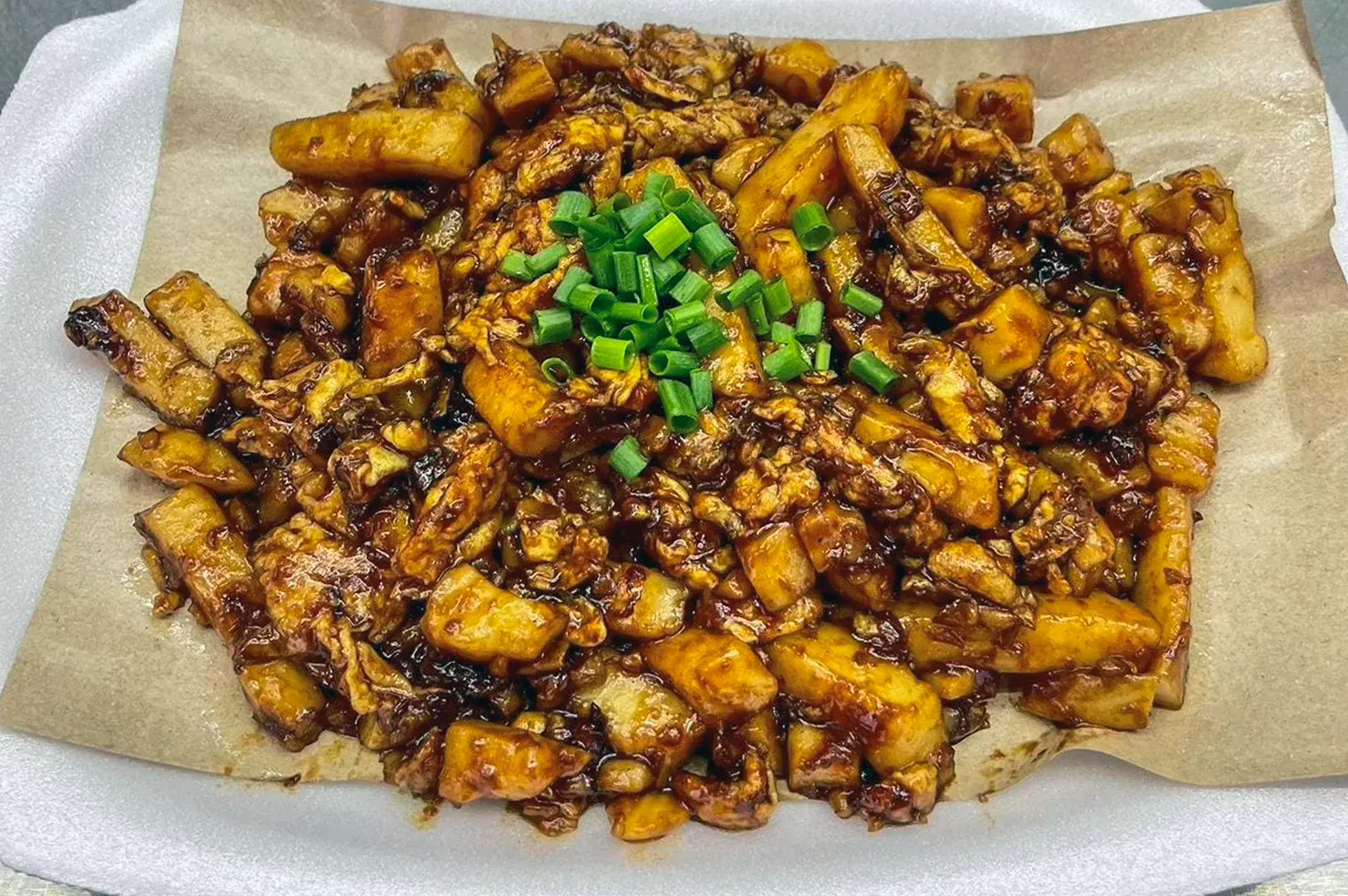
Despite its name, Singapore’s carrot cake is not sweet but a savory dish made from steamed glutinous rice flour and daikon, stir-fried with eggs, preserved radish, and sometimes pork lard or fried tofu. It is a staple at many hawker stalls and is often enjoyed with a side of chilli sauce.
This dish exemplifies the inventive use of local ingredients and flavors that define Singapore food. It’s a must-try for those keen to explore the diverse tastes found in the city’s food centres.
Best Singapore Restaurants: Where Tradition Meets Innovation
Singapore boasts an impressive array of best Singapore restaurants that range from humble hawker stalls to Michelin-starred establishments. These restaurants celebrate traditional dishes like Hainanese chicken, bak kut teh, and chilli crab, while also embracing innovation through creative reinterpretations.
Places like Candlenut, the world’s first Michelin-starred Peranakan restaurant, offer elevated versions of classic dishes, blending Chinese immigrants’ heritage with modern culinary techniques. Meanwhile, historic venues like the Raffles Hotel serve the iconic Singapore Sling cocktail, a symbol of the city’s rich gastronomic history.
Many of these establishments, from heritage icons to modern kitchens, are featured on Singapore Best Restaurants, where traditional recipes and innovative interpretations are explored side by side.
Fish Balls and Other Street Food Delights
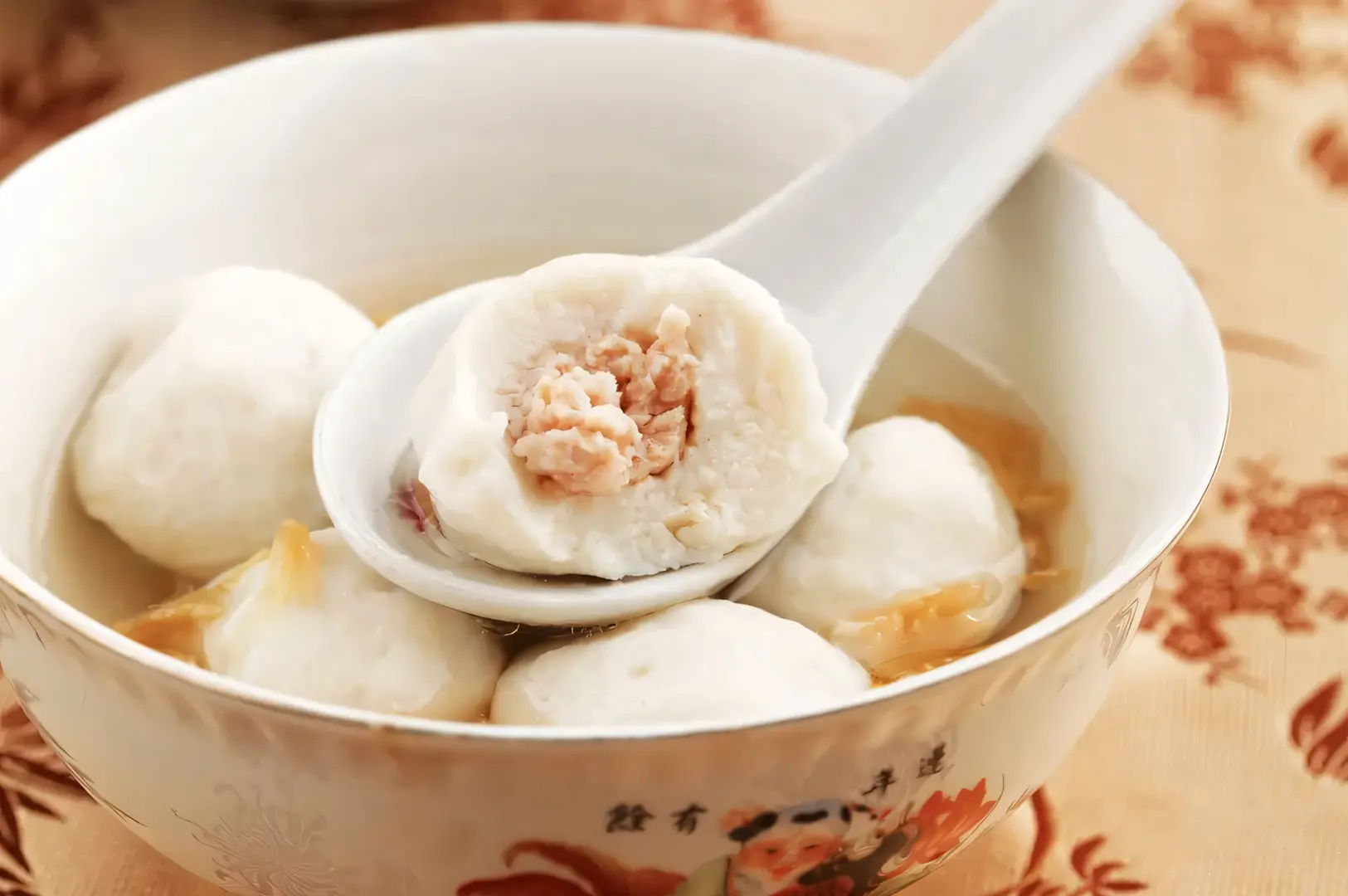
No exploration of food in Singapore is complete without tasting popular street snacks such as fish balls and roti prata. These items are widely available at hawker centres and are beloved for their satisfying textures and bold flavors.
Fish balls are often served in soups or skewered with spicy sauces, while roti prata offers a flaky, crispy flatbread experience, typically paired with curry. These dishes, along with kaya toast and sweet milk tea, represent the everyday delights that make Singapore’s culinary scene so vibrant and accessible.
Hainanese Chicken: A Culinary Legacy
The legacy of Hainanese chicken in Singapore is a testament to the city’s multicultural roots. Adapted from the Chinese immigrants who settled here, this dish has evolved into a national treasure, celebrated in countless eateries from hawker stalls to fine dining.
Its preparation, featuring poached chicken and fragrant rice cooked with chicken fat, remains a cherished tradition. Accompanied by chili sauce, dark soy sauce, and pureed ginger, it continues to delight locals and visitors alike, embodying the essence of Singapore food culture.
Conclusion
Singapore’s unique ability to honor its culinary heritage while embracing forward-thinking innovation is the cornerstone of its world-class dining scene. Tradition and innovation are not competing forces here; they are complementary elements in a continuous dialogue. This dynamic ensures the Singapore food culture is a living, breathing entity that constantly reinvents itself.
We encourage every food lover to explore both sides of this fascinating coin. Savor a delicious bowl of noodles prepared from a recipe perfected over fifty years, and then experience how a young chef is reinterpreting those same flavors for a new era. This rich and varied exploration is the true essence of the Singapore culinary evolution, guaranteeing its vibrancy and relevance for years to come.
Whether discovered through personal exploration, local recommendations, or curated resources like Singapore Best Restaurants, Singapore’s food culture reveals itself as both deeply rooted and constantly evolving.
