When I first heard Seroja had earned two Michelin stars, I was curious about what made this restaurant stand apart. Singapore has no shortage of fine dining restaurants, but few are built around the flavours and memories of the Malay Archipelago.
There are tons of restaurants today searching for the next big idea, but Seroja looks somewhere closer to home.
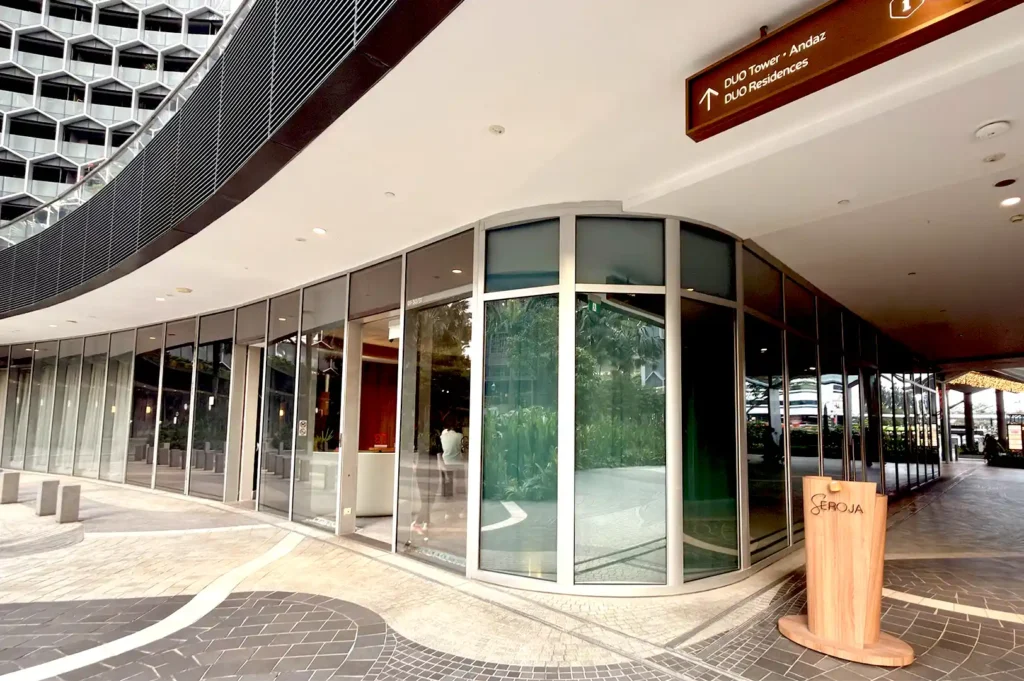
Inside DUO Galleria, Chef Kevin Wong’s menu takes familiar ingredients and presents them in a way that feels deeply connected to their origins. From seafood and spices to traditional techniques passed through generations, every course carries a bit of the region’s life inside it.
The Food: Malay Archipelago on a Plate
Roti Paung with Johorean Milk Butter
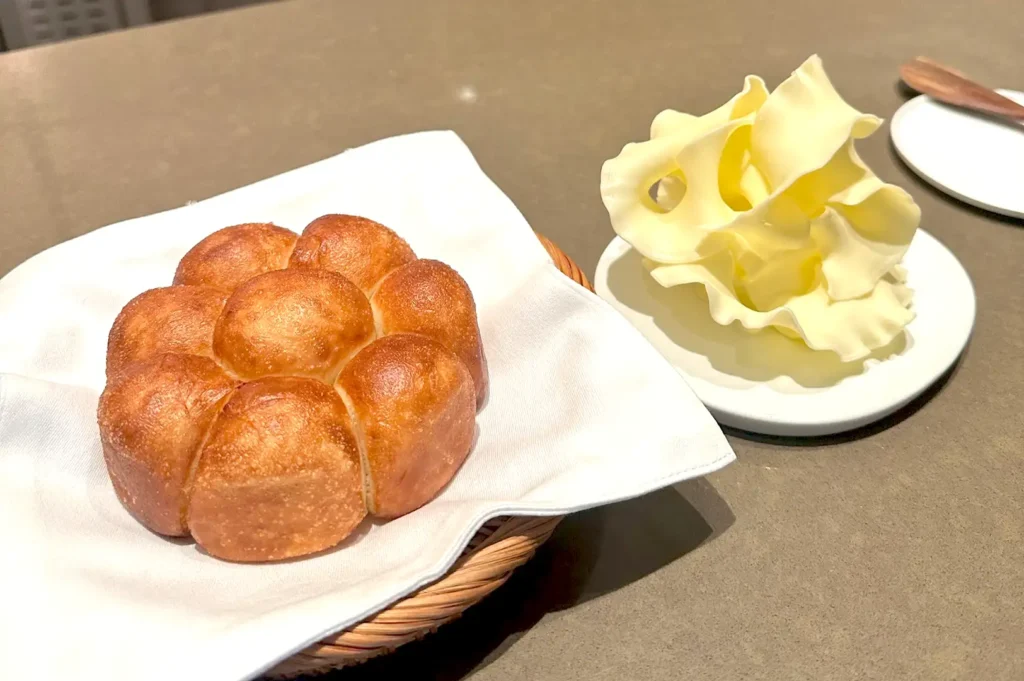
The roti paung with Johorean milk butter looked almost too simple beside the seafood courses that followed. Soft, warm, and easy to pull apart, the buttery bread carried a familiar sweetness that reminded me more of a dessert than a savoury starter course.
The texture was light, with the rich butter melting into each layer and making it difficult to stop at just one piece. It was a familiar flavour presented in a new setting, the kind of dish that feels comforting without needing to rely on anything complicated.
Mangrove Wood-Charred Blue Lobster with Laksa Leaf Sauce
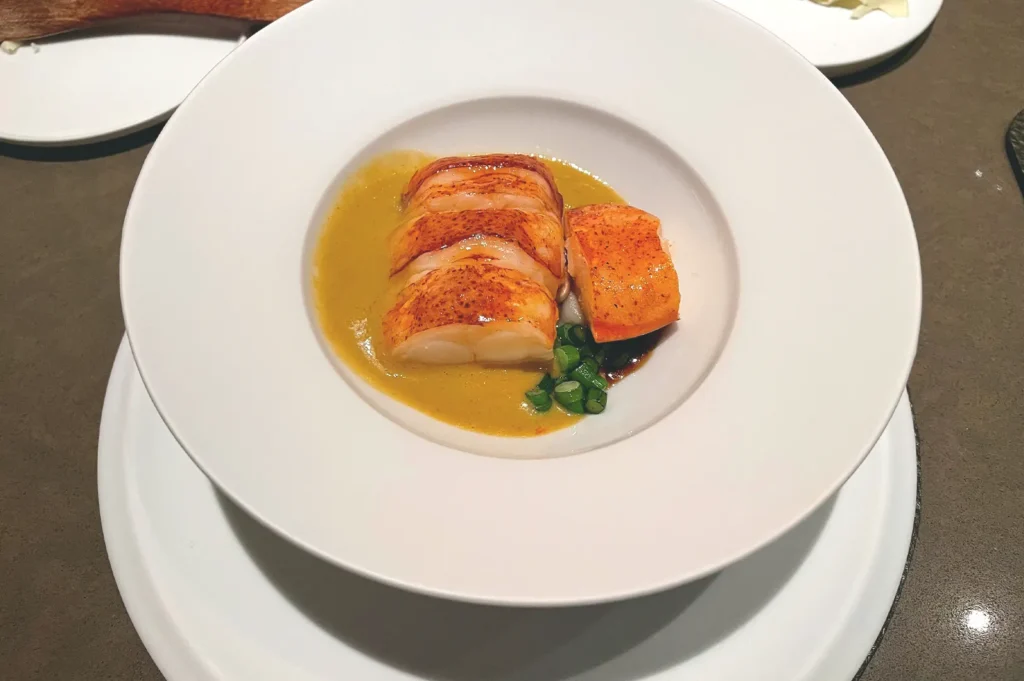
The mangrove wood-charred blue lobster with laksa leaf sauce brought a different side of Seroja to the table. The smoke from the mangrove wood arrived first, followed by the natural sweetness of the lobster and the unmistakable fragrance of laksa leaf.
What stood out was how familiar flavours were presented with such care. The dish carried the character of the region without becoming too heavy, showing the attention behind every ingredient and technique.
Silver Pomfret and Jade Abalone
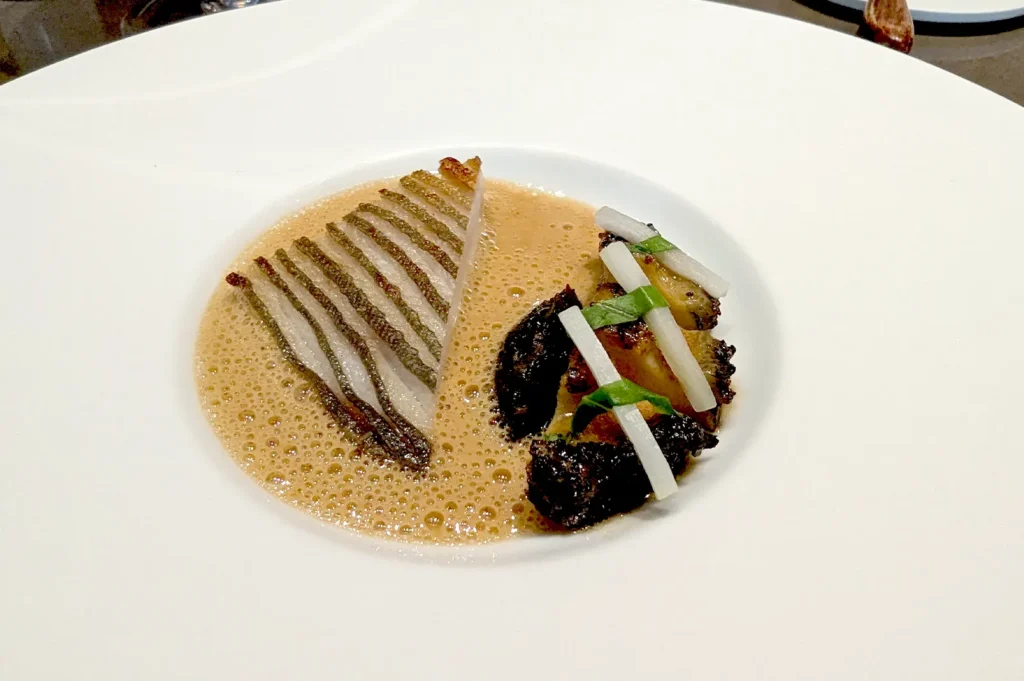
I had been hoping to see Spanish mackerel on the menu, but the pomfret quickly changed my mind.
It was the dish I was most looking forward to as the main course. After seeing several reviews and posts about this dish before my visit, I was curious whether it would live up to the attention it received.
The fish was served with a roasted fish-bone sauce that tied the course together. The pomfret skin had crisp ridges, while the sauce added depth without covering the seafood’s natural flavour. It had this clean sweetness, with the sauce adding a savoury richness that made each bite feel more complete.
Betel Leaf Noodles with Ulam Dressing and Mud Crab
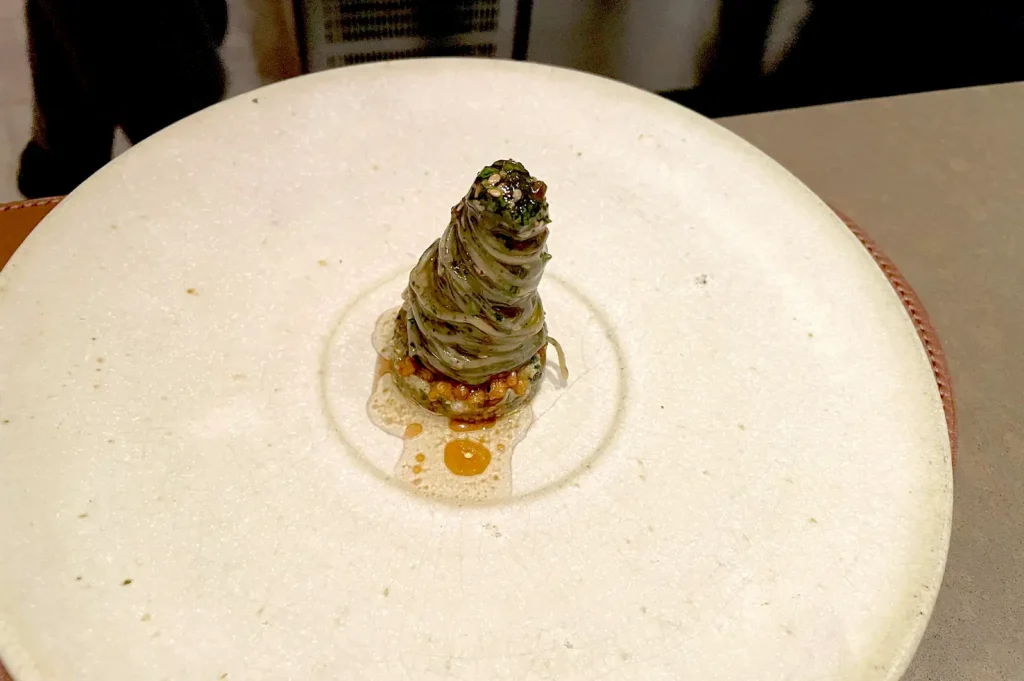
The texture is definitely worth mentioning first. The noodles carried a slight bite, while the betel leaf brought an herbal, almost peppery character that lifted the sweetness of the mud crab underneath. The dish felt refreshing at first, but there was still a rich layer from the sambal, spices, and coconut notes that slowly came through.
It reminded me of the kind of flavours found in a kampung kitchen, where every bowl has a story behind it. The difference here was seeing those familiar ingredients presented with the precision of fine dining.
What I enjoyed most was the sense of familiarity. Nothing about it felt like a dish chasing attention. It felt born from memories of the region, with flavours that many Singaporeans and Malaysians would recognise, but presented in a way that gave them a new place on the table.
The Drinks: Wine and Non Alcoholic Pairings
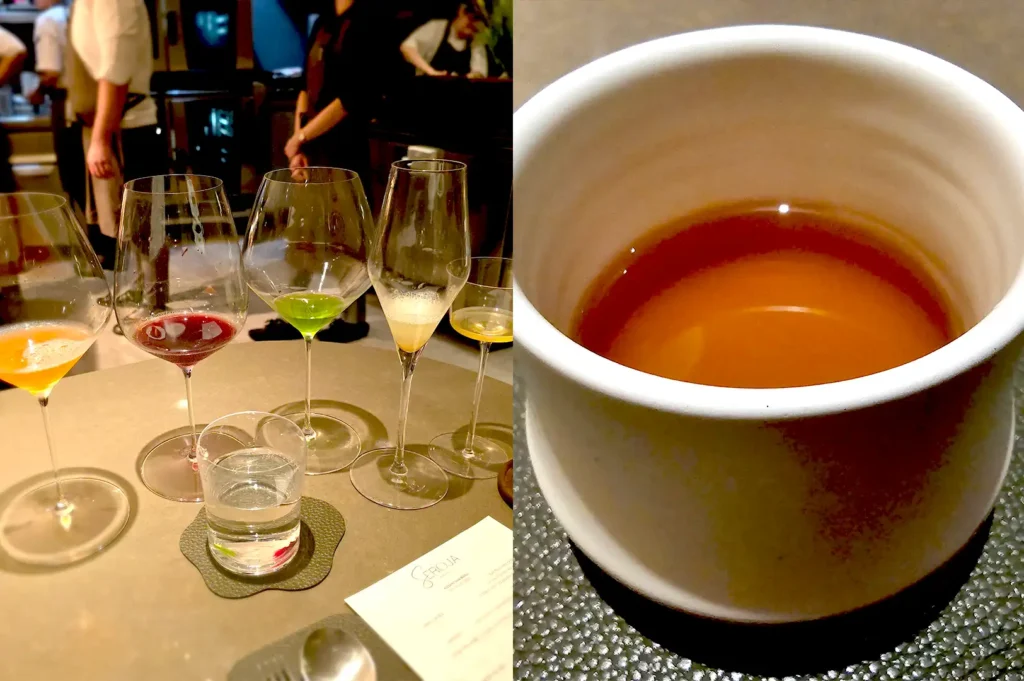
The Wine
I went with the wine at Seroja, though guests can also choose the non-alcoholic pairing at S$148++. What I appreciated was that each drink felt considered rather than added simply as an extra part of the meal.
A sip alongside the seafood brought out a different sweetness, while another glass helped soften the stronger spices that appeared throughout the menu.
The Jasmine Tea
The drink that surprised me most was the jasmine tea served towards the end of the meal. After tasting so many carefully prepared combinations, the familiar floral notes felt like it was the one thing I had been missing from the experience.
There’s something about seeing a traditional drink appear after a menu filled with modern techniques. In a world where chefs constantly experiment with new mixes and unusual ingredients, this simple cup showed another side of Seroja’s craft.
Art is not only in creating something completely new. Sometimes its in knowing when a familiar flavour could bring the entire experience together.
What Seroja Means To The Head Chef, and Why It Matters
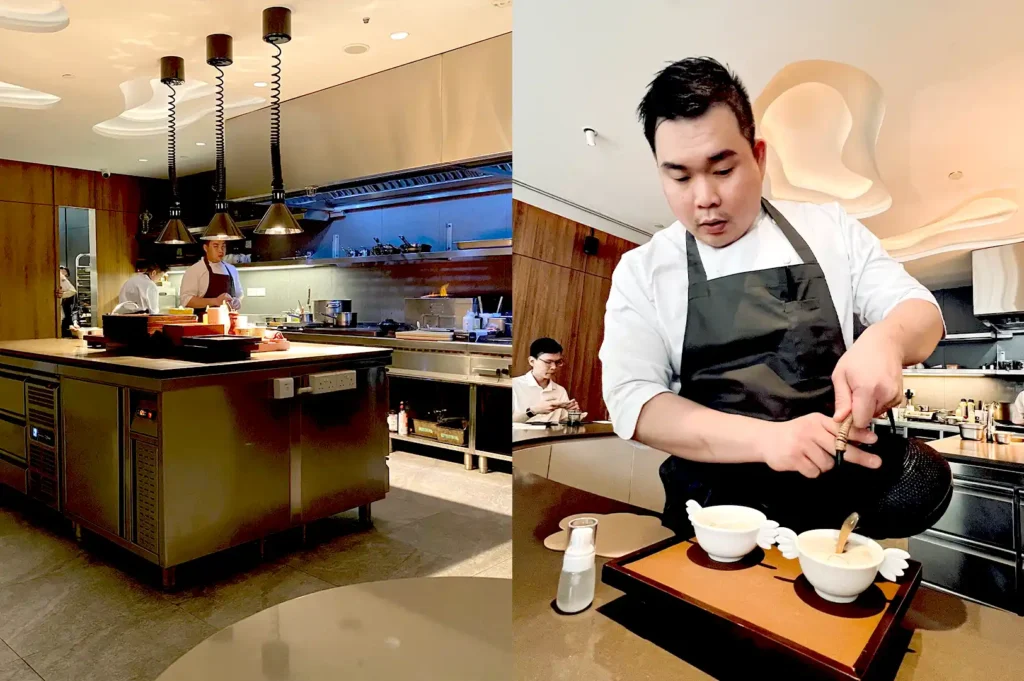
Seroja means lotus flower in the Malay language, but what interested me more was what Chef Kevin Wong chose to place around that name.
After years of seeing Southeast Asian cuisine adapted through different lenses, sometimes influenced by France or modern European techniques, Seroja feels like a chef looking back at where those flavours began. The rice, seafood, herbs, and spices are not background details. They are the foundation.
Chef Kevin’s journey is part of why the restaurant feels personal. A chef’s experiences, the kitchens they have worked in, and the places they have called home all leave small marks on the menus they create.
A Room That Lets the Kitchen Do the Talking
The space has around 24 seats in total. Thirteen of those wrap around the open kitchen at the counter, and that is where you want to be.
The interiors of the restaurant, designed by Open Studio, are all curved, organic edges and warm ambient light. Nothing sharp. Nothing loud. The plating on the pass glows under soft lamps, and you find yourself watching the cooks the way you might watch rain outside a window.
What You Should Know Before Booking
- Location: 7 Fraser Street, #01-30/31/32/33, DUO Galleria, Singapore, near Bugis MRT
- Booking: Reservations open 60 days ahead and go quickly, with a S$200 credit card authorisation per diner
- Time: Set aside about 3 hours for dinner
- Lunch: Only available on Friday and Saturday
- Tip: Finding it from the basement car park is genuinely confusing, so ask for their directions guide first
Seroja joins a growing list of restaurants shaping Singapore’s fine dining landscape, alongside other destinations featured in our guide to Marina Bay restaurants offering high-end dining experiences.
Michelin Star Fine Dining That Feels Like Someone’s Home
I booked the Nusantara dinner menu at S$288++, and the three-hour experience felt carefully considered from start to finish.
One detail pleasantly surprised me. As a left-handed diner, I noticed the server had adjusted my cutlery and glass placement without me asking. It was a small gesture, but it showed the level of attention behind the service.
The food carried the same care, from the spices and seafood to familiar flavours from Malaysia like coconut milk. For a Michelin-starred restaurant, what stood out most was how personal it felt. Beyond the techniques and recognition, there was a sense of love behind every dish.
