The sheer variety of Singapore’s dining scene, from hawker stalls to the best restaurant Singapore has to offer, can be overwhelming. Different areas in Singapore, such as Orchard, Tanjong Pagar, and Chinatown, are each known for unique dining experiences and a concentration of diverse restaurant options.
Singapore’s culinary landscape is shaped by a rich blend of Chinese, Malay, Indian, and Peranakan influences, creating a vibrant food culture. The city is also home to a wide range of international cuisines, including Japanese, Korean, Italian, and Middle Eastern, making it a global dining destination. Hawker centres are a staple of Singapore’s dining culture, offering a variety of affordable local dishes that are beloved by both locals and visitors.
This city boasts an exciting array of restaurants that serve everything from refined dishes to bold, heritage-inspired cuisines. For visitors and newcomers eager to discover where to dine, understanding how locals make restaurant decisions provides insight into the heart of Singapore’s food culture.
Exciting Restaurants and the Role of Budget and Value
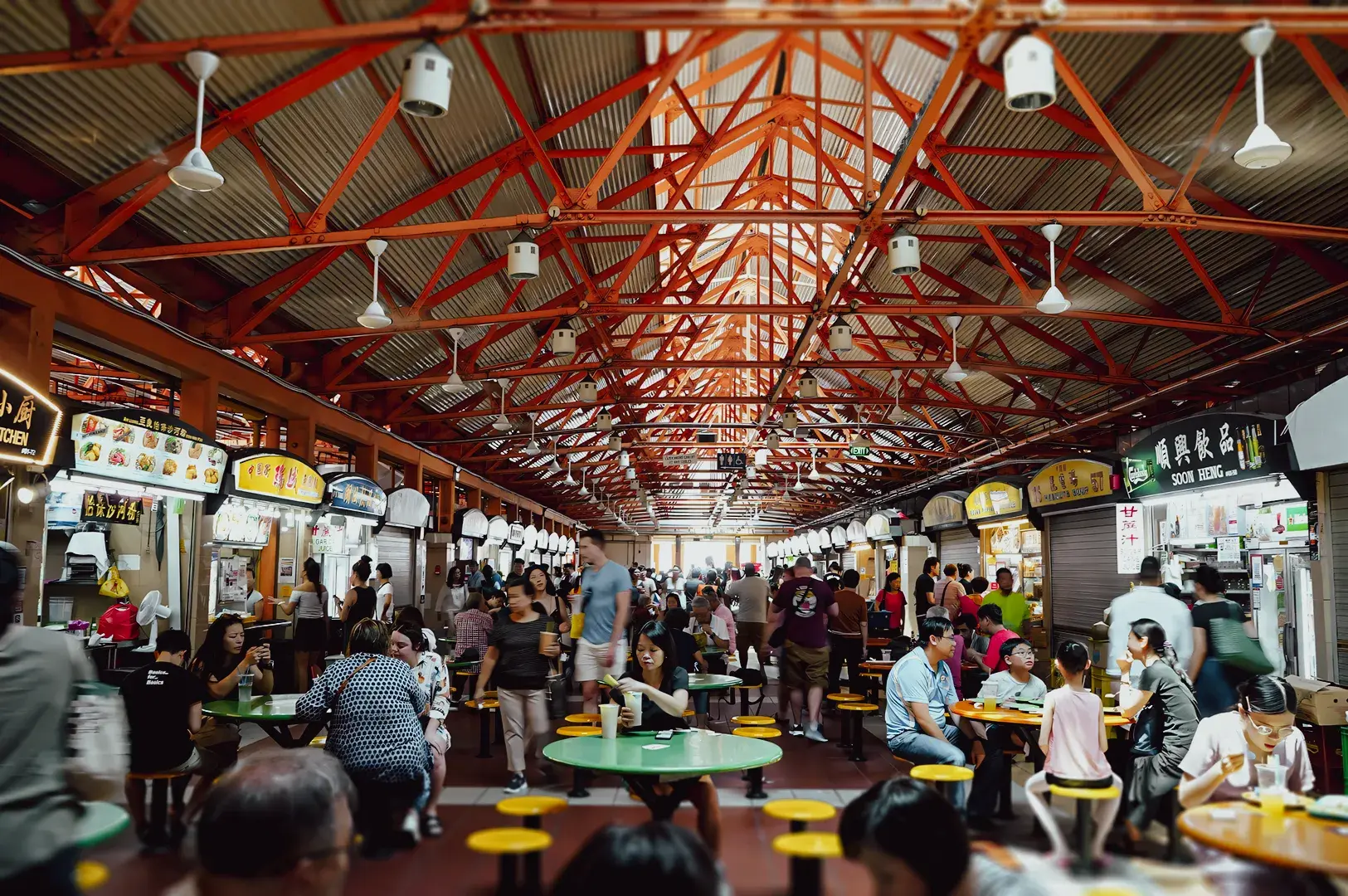
Budget and value form the foundation of every dining decision in this island city. Hawker centres are open-air food courts that serve a variety of local dishes and are beloved by locals and visitors alike. Locals categorize dining into different price points: affordable hawker meals, mid-range spots perfect for casual gatherings, and high-end restaurants like Burnt Ends, known for its expertly crafted grills and wagyu dishes. Most Singaporeans eat at hawker centres, which serve local dishes for under $5, and you can eat well on under $10 a day if you stick to hawker centres. Dishes like char kway teow, chicken rice, mee rebus, and laksa typically cost between $3 and $6 at hawker centres. Many hawker centres have long or flexible opening hours, making it easy to grab a meal at almost any time. Hawker centres serve up a wide range of affordable, delicious food straight to diners in a no-frills, straightforward manner. The key is the price-to-quality ratio—whether it’s a $5 meal at a food stall or a multi-course tasting menu at a fine dining space, locals weigh portion sizes, ingredient quality, and overall satisfaction.
Refined Dishes for Every Occasion
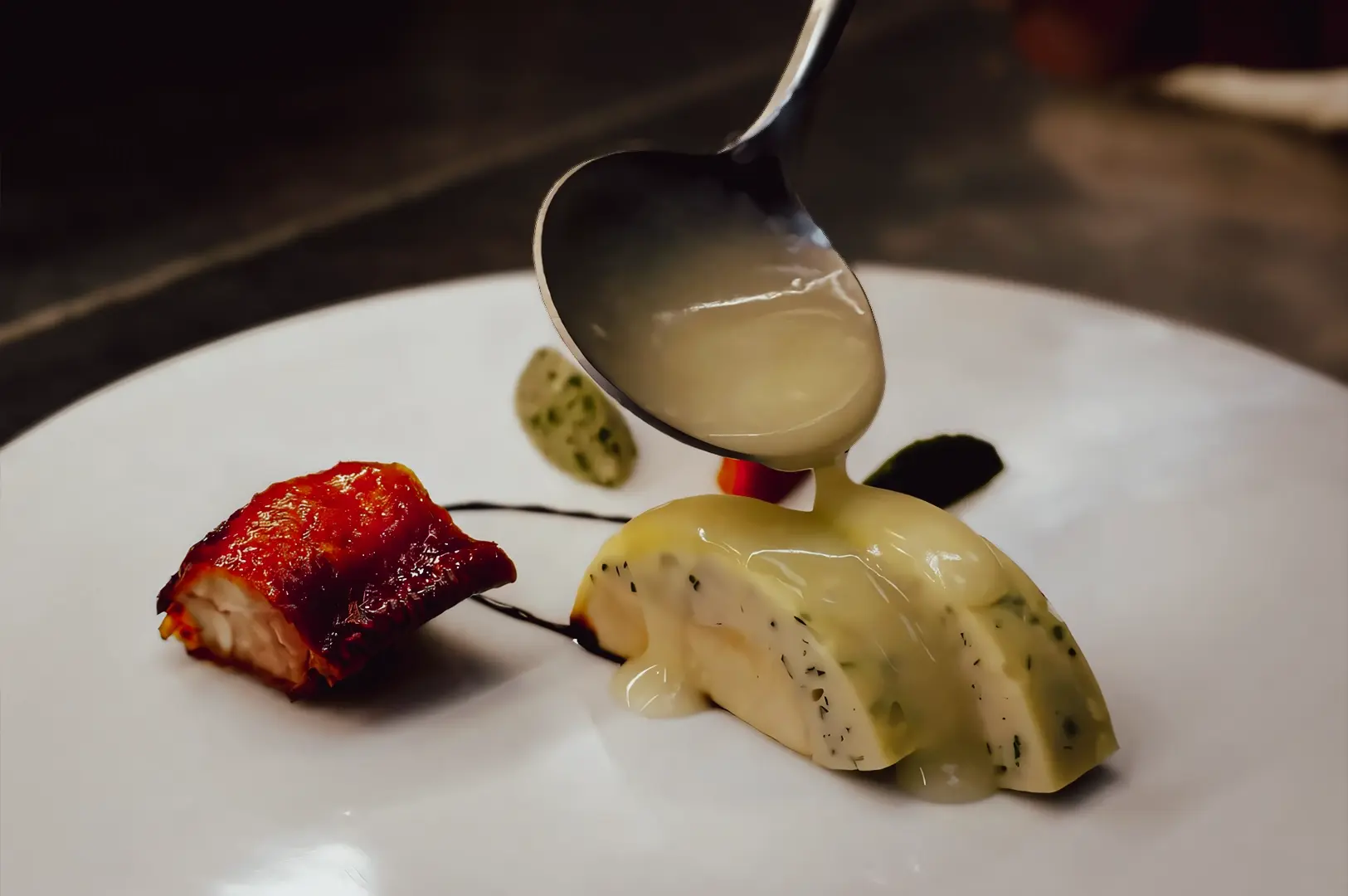
The occasion plays a crucial role in choosing where to eat. A quick lunch calls for convenience and speed, often found at local hawker centres or casual bars serving craft cocktails alongside good food. Special occasions, however, inspire diners to indulge in refined dishes and tasting menus at restaurants that offer an intimate space and memorable ambience. Singapore is home to several Michelin-starred restaurants, known for their exceptional cuisine and high-quality cooking—a true treat for any food lover. Examples include Odette, which blends French cuisine with Asian flavors, Thevar, a Michelin-starred restaurant offering a set tasting menu featuring South Indian flavors, and Candlenut, renowned for its elevated Peranakan cuisine. In total, Singapore boasts 3 Michelin-starred restaurants with 3 stars, 7 with 2 stars, and 30 with 1 star. Whether it’s a romantic night or a family feast, the selection of restaurants in Singapore caters to every mood and group size, with tables designed for sharing and celebrating. The taste of these refined dishes often leaves diners with a sense of love for the experience, making every meal a memorable treat.
Tasting Menus and the Balance of Familiarity and Adventure
Singapore’s diners balance familiarity with culinary adventure. While comfort food like chicken rice remains a beloved choice, many are eager to explore new tastes inspired by the rich heritage and diverse cuisines across Asia and the world. For example, local dishes such as Hainanese chicken rice, laksa, and roti prata are essential to Singapore’s culinary identity, and what makes them special is their unique blend of flavors and cultural significance. Tasting menus provide a curated journey through seasons and flavours, allowing diners to experience a range of dishes that engage all senses. Restaurants based on Japanese omakase or modern interpretations of Peranakan food exemplify this blend of tradition and innovation, and what makes these tasting menus memorable is the chef’s ability to craft a sequence of dishes that surprise and delight.
Burnt Ends and Location Logic: Dining in the Right Surroundings
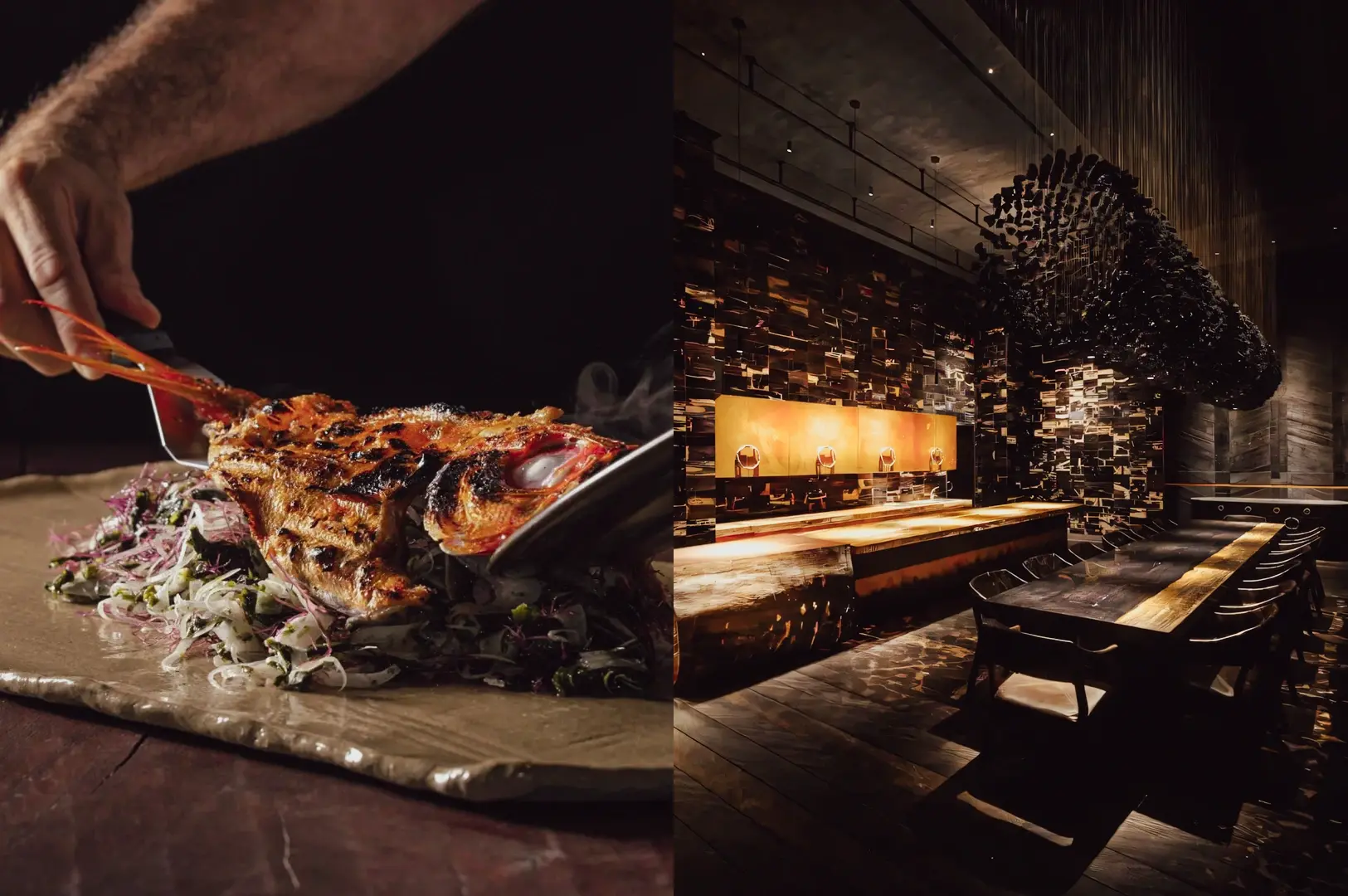
Locals also factor in proximity and surroundings when choosing where to dine. Burnt Ends, a standout in the Singapore dining scene, owes much of its success to its talented team of chefs and staff, delivering a bold homage to fire-cooked food with its custom grills and open kitchen design, making it a favorite spot for both locals and visitors. In town, glamorous bars like Atlas are must-visit destinations, renowned for their Art Deco design, extensive gin collection, and iconic status in Singapore’s nightlife. Neighborhoods like Tiong Bahru, Little India, and Marina Bay are known for their culinary strengths, and locals often have a roster of trusted picks nearby. At Marina Bay Sands, scenic waterfront cafes and rooftop bars offer a unique dining experience, with rooftop dining on the 57th level providing breathtaking views and exquisite cuisine. Wakuda Restaurant & Bar in Marina Bay Sands also provides a lively atmosphere for pre-dinner drinks or post-dinner gatherings, enhancing the overall experience. Many of these establishments have built their reputations over decades, celebrating milestones and awards year after year. Convenience, access, and the vibe of the area all contribute to making a meal truly worth the time, and the opening of new restaurant concepts in these areas continues to attract both locals and tourists.
Trust Signals: Social Proof and the Stories Behind the Food
Beyond online reviews, locals rely heavily on word of mouth, queues, and media features when deciding where to eat. Many of the best restaurant Singapore establishments have been featured in well-known publications or have received prestigious awards, further enhancing their credibility. A long line often signals a restaurant’s quality and popularity, while appearances in food blogs and awards add credibility. Diners appreciate when a restaurant’s story and craft are as compelling as the dishes served. For example, Song Fa Bak Kut Teh is famous for its clear, peppery Teochew-style pork rib soup, making it a must-visit for those seeking authentic local flavors and a compelling culinary story. Traditional local breakfast items like kaya toast, often found in heritage cafés, hold nostalgic and cultural significance for many Singaporeans. From the careful crafting of wagyu at Burnt Ends to the seasonal seafood flown in from Japan at omakase counters, these stories deepen the dining experience and keep patrons coming back.
Conclusion: Dining Like a Local in Singapore
Making restaurant decisions in Singapore is a multi-layered experience that blends practicality, occasion, trust, and curiosity. By understanding this local framework, visitors can navigate the city’s vibrant food scene with confidence, indulging in a feast of flavours that define Singapore’s dynamic culinary identity. Whether you’re seeking the best restaurant Singapore offers or exploring exciting restaurants across the island, there’s always a perfect meal waiting to be enjoyed under the sun or the city’s night sky.
