I’ve always had a rather generous opinion of my own appetite. Put me in front of a menu with enough interesting dishes, and I’ll start imagining a table full of food before I’ve even decided what I’m actually hungry for.
This happened during a visit to a zi char restaurant with two friends. We were looking through the menu, and everything seemed like a good idea. Cereal prawns? Absolutely. Sambal kangkong? Definitely. Claypot tofu? We should have that too. Then I spotted the seafood hor fun and suggested adding fried rice, just in case we needed something else.
My friends looked at me as though I’d lost track of how many people were eating.
I assured them we’d manage.
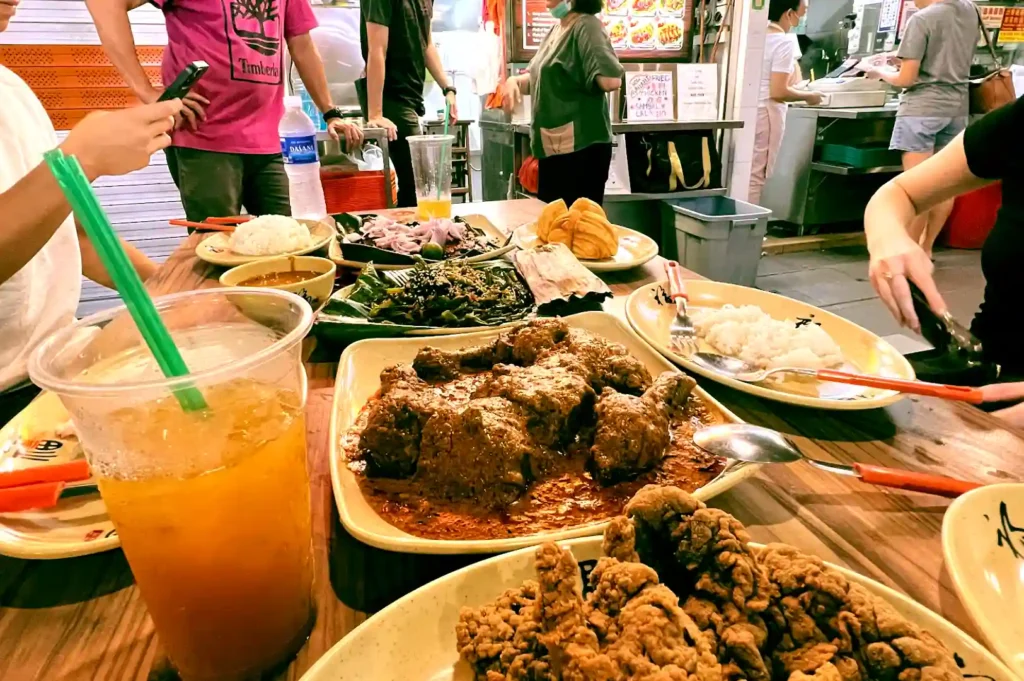
When the food arrived, I was still rather pleased with my decisions. The cereal prawns were crunchy, coated in fragrant salted egg crumbs, while the claypot tofu came bubbling with gravy and vegetables. The hor fun had that lovely wok-fried aroma, and the sambal kangkong brought enough heat to keep things interesting.
For the first twenty minutes, I was convinced we’d made the right call.
Then my appetite started negotiating with me.
The fried rice was barely touched, the hor fun still had a generous portion left, and there were several prawns sitting on the plate. I looked around the table, hoping someone might volunteer for another helping. My friends were already leaning back in their chairs.
My eyes had ordered dinner for five, but my stomach had only prepared for three.
This is the part of eating out that I find surprisingly difficult. Once the conversation winds down and everyone is full, the remaining food becomes a small puzzle. Do we keep picking at it? Should we pack everything? Or do we accept that our enthusiasm at the ordering stage was considerably greater than our appetite?
We eventually asked for takeaway containers. I took the fried rice and some of the hor fun home, while my friends claimed the remaining prawns.
I’ve since learned that ordering food is an entirely different skill from finishing it. I still enjoy having several dishes on the table, especially when eating zi char, but I’ve started listening to my stomach before making suggestions.
A good appetite is wonderful. Knowing when you’ve overestimated it is another lesson entirely.
For more stories about the amusing habits and unexpected moments that come with eating out, take a detour through Singapore Best Restaurants and see which dining tale catches your appetite next.
