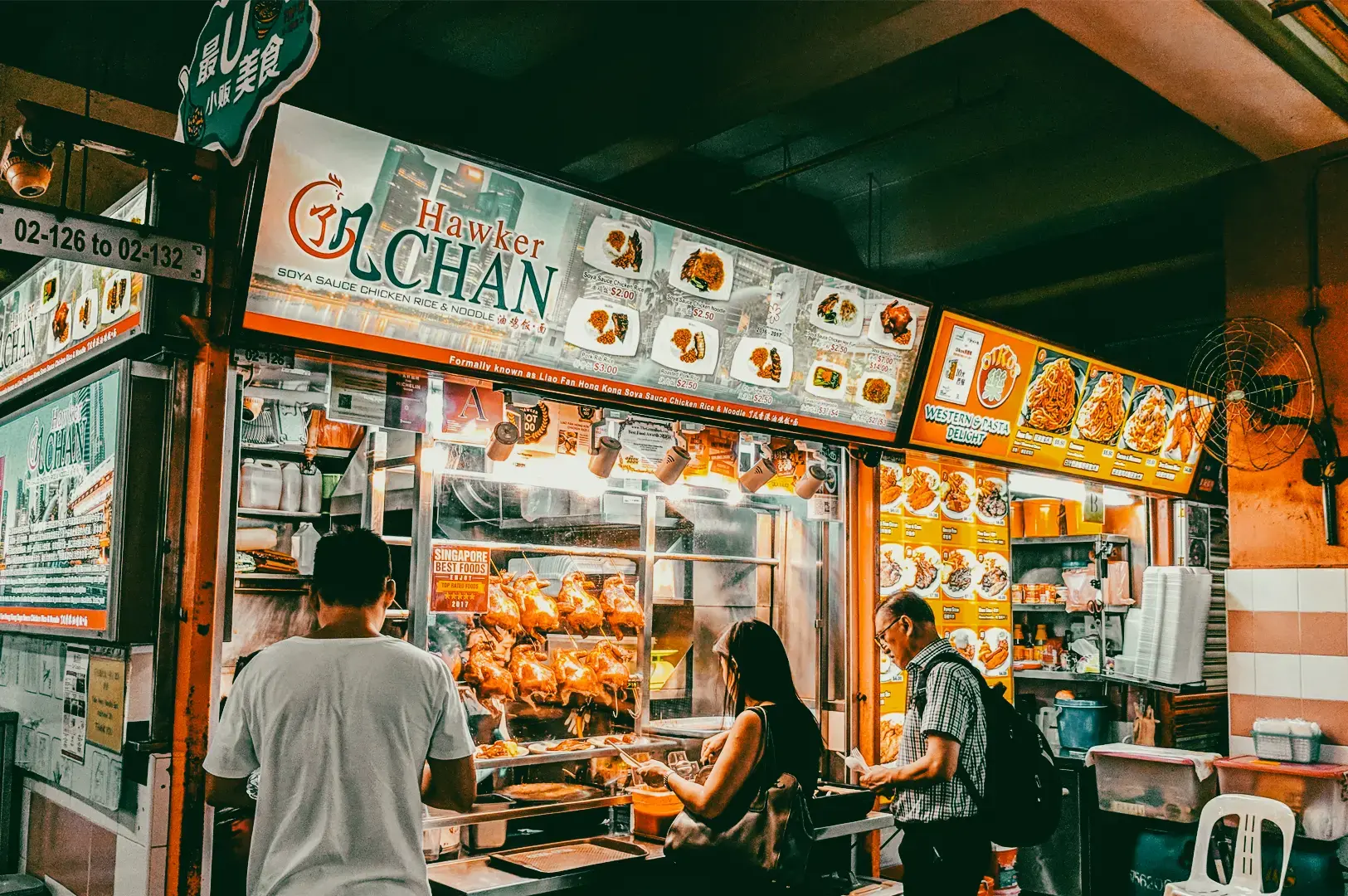
Singapore’s journey from a bustling colonial trading port to a global food capital is a story of transformation unlike any other. Today, new eateries in Singapore stand shoulder-to-shoulder with world-renowned fine dining restaurant destinations, and signature dishes are reinvented on both street corners and in private dining rooms. Food is a living heritage here—woven into daily life, a shared social lexicon, and the canvas for both tradition and creative dishes. Singapore’s dining scene is dynamic and rapidly evolving, with a continuous emergence of new restaurants and cafes that reflect the city’s status as a top food destination and showcase its innovative culinary spirit.
Prepare to explore a menu featuring colonial influences, hawker center legends, bold-flavoured modern fusion, and the local innovations that keep the scene fresh. This is a story where beef fat, dark soy sauce, and raw egg are as likely to become heroes as coconut milk, spring onions, or a crisp green salad.
Colonial Roots and Early Multicultural Fusion (1819-1965)
The story of Singapore food culture begins at the crossroads of empires. Singapore’s founding as a British trading post in 1819 brought with it a parade of cuisines, customs, and cooking techniques from every corner of Southeast Asia and beyond. Immigrants arrived laden with recipes and memories—Chinese sausage from Fujian, Portuguese seafood stew from Eurasian families, Indian curries, Malay desserts enriched by coconut milk and pandan, and Sri Lankan Kaliya curry with its distinctive spice profile.
The Elegance Entrance: Coach Restaurant and Wine Bar
Dining rooms ranged from the formal elegance of a coach restaurant or wine bar serving British bistro classics to the bustling dockside shophouses where fusion was necessity, not marketing. Raffles City and Road Singapore became symbolic of this mix, and signature dishes like Hainanese chicken rice (born from resourceful cooks working in colonial clubs) found local identity. Early Peranakan cuisine expanded menus and added signature cured salmon, duck leg confit, and even black pepper sauce to Singapore’s table. The first creative dishes emerged here, as cooks used fresh produce and limited ingredients to create a rich new repertoire now celebrated in the city’s food halls and new restaurant openings.
The Golden Age of Hawker Culture and Signature Dishes (1960s-1980s)
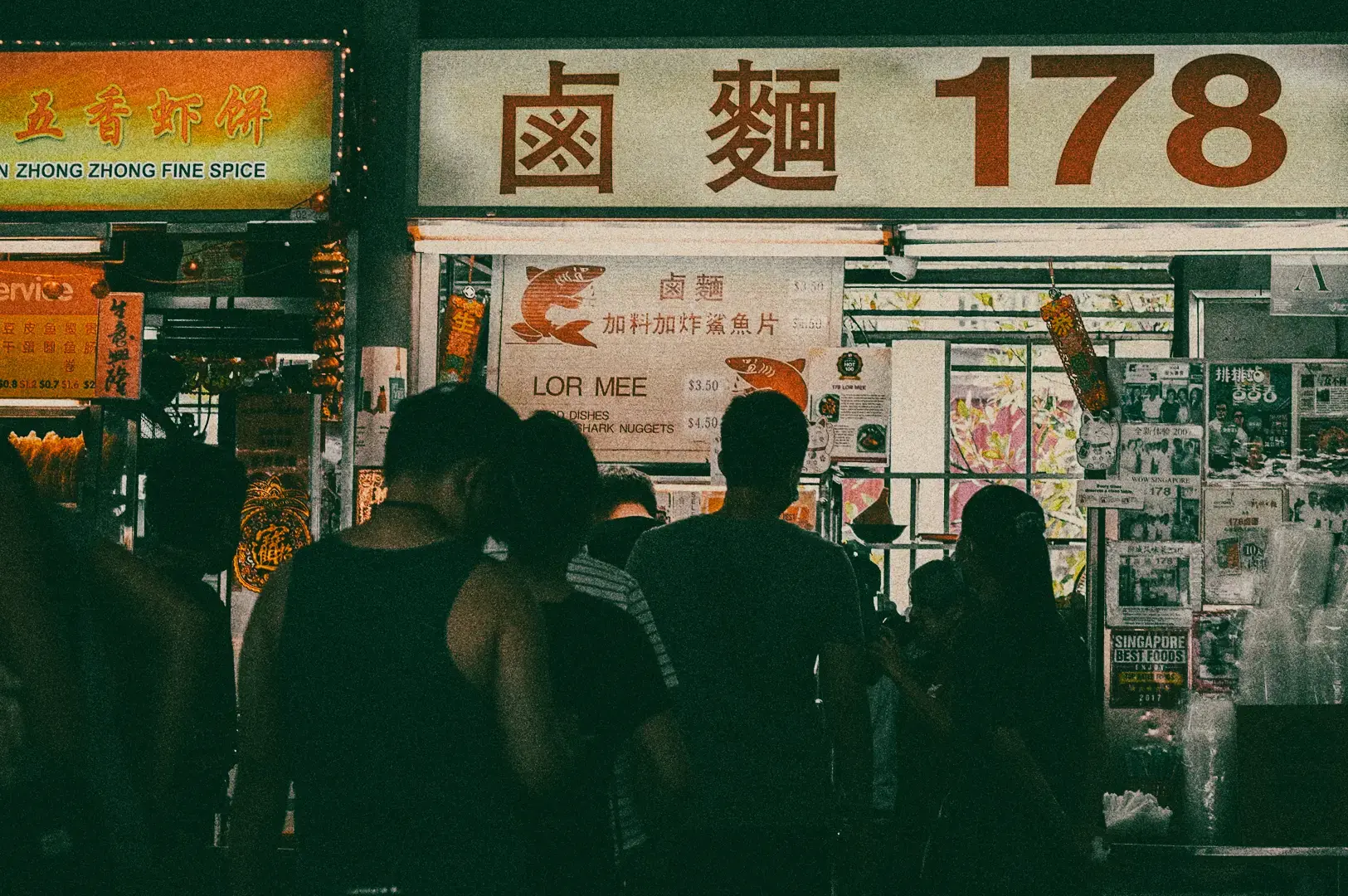
With the burst of independence, Singapore’s government sought to bring both order and opportunity to street food culture. The centralized hawker centre became a fresh concept—open-air food courts where charcoal grilled dishes, grilled fish, and prawns were cooked beside simmering braised beef cheek, nasi lemak wrapped in banana leaves, or steaming buckets of chicken nuggets.
How Creative Dishes Came From High Regard for Hawker Centers
Hawker centres developed into Singapore’s real social dining rooms, where the classic roasted chicken and pork belly were served alongside springy grain rice noodles laced with bold flavours of dark soy sauce, hot sauce, and chili. Recipes were fiercely guarded, crisp green salad with lemon meringue tart for sweet treats; signature carbonara udon or salted egg carbonara nodding to Italian-Japanese fusion. Such diversity allowed a dish like roast pork to exist alongside minute steak frites or premium tempura kake udon.
Many hawker centres and new eateries now offer a dedicated lunch menu, featuring set options and attractive pricing tailored for midday diners. While fusion cuisine continues to flourish in the city’s dining scene, there is still high regard for the convenience and accessibility brought by Singapore’s amazing Japanese curry.
The master-apprentice tradition, sometimes using a vintage cast iron press to make kaya toast, sometimes hand-chopping pork ribs, ensured continuity and innovation. Hawker culture wasn’t just about cheap eats; it was the heart of Singapore’s dining experience and a stage where both locals and curious visitors could taste borderless soul food.
Economic Growth and Dining Sophistication (1990s-2000s)
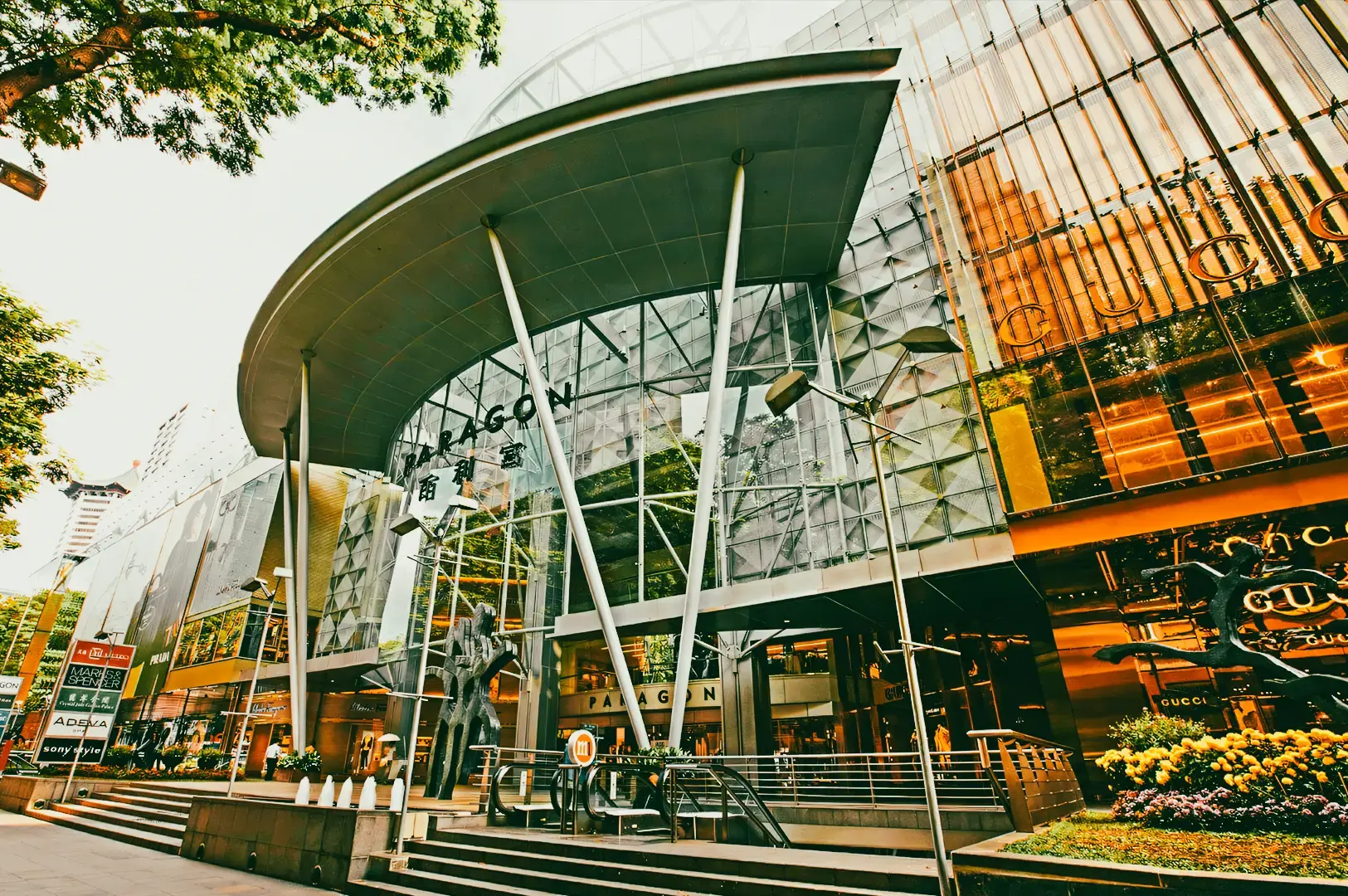
As economic prosperity swept through Singapore, so did an appetite for refined experiences. Fine dining restaurants opened in shopping malls at Paragon Shopping Centre and Suntec City, serving à la carte menus and tasting menus with imported ingredients and clever presentations. Singaporeans quickly adapted: business lunches became the norm, and tasting menus with five course discovery menu or eight course experience menu options signaled a new ambition.
International chefs, like chef Angelo Sergio, began staging their Singapore debut, bringing with them new techniques: squid ink pasta, blue cheese-stuffed chicken katsu, or smoky confit piquillo peppers. The tension between hawker simplicity and the sophisticated offerings of Raffles City or Resorts World Sentosa led to unprecedented culinary creativity.
The New Wave: Chip Bee Bistro, Kimchi Craze, and More
Regional Chinese flavours from Chip Bee Bistro, contemporary Korean cuisine with kimchi and crispy cloud egg, and bistro classics with a Singapore twist all jostled for diners’ attention. The rise of the Thai restaurant scene also became evident, with new establishments offering authentic or innovative Thai cuisine and signature dishes, further enriching Singapore’s expanding international dining landscape.
New restaurants in Singapore extended offerings with refreshed menus—including coconut milk-rich sago pudding, grilled jerk chicken, or ice cream paired with fried chicken. This era firmly established Singapore as a playground for creative dishes.
The Michelin Effect and Global Recognition (2016-Present)
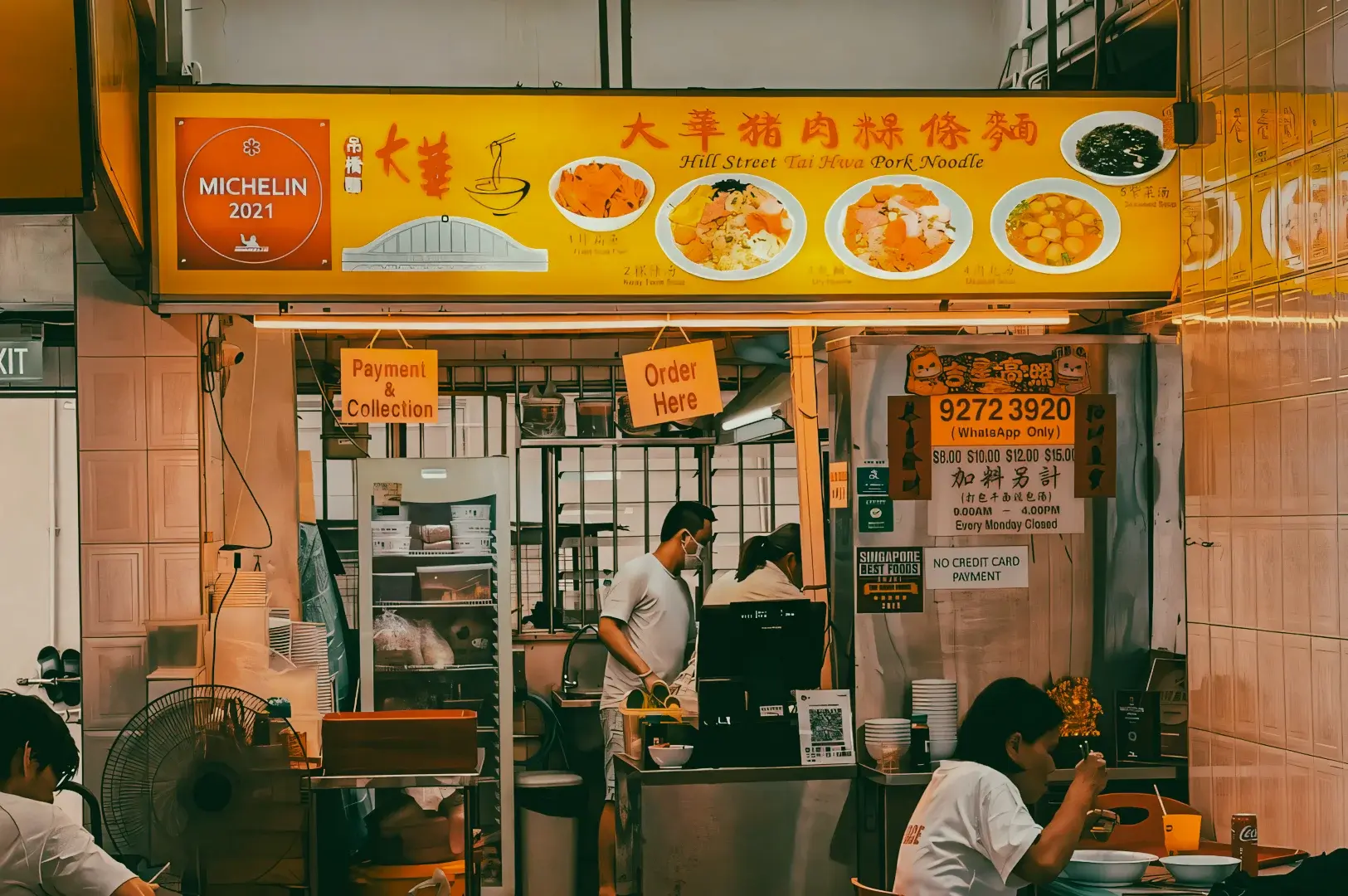
In 2016, the arrival of the Michelin Guide placed Singapore on the global map, validating both its high-end restaurants in Singapore and its humble hawker stars. Suddenly, crispy pork lard and glistening chicken rice stood beside kobe wagyu steak and pan seared hokkaido scallops on the international stage. Award-winning establishments at Resorts World Sentosa featured private dining rooms, wine bars curated for the city’s tastes, and menu features like signature buckwheat noodles or iconic Singapore-inspired creations laced with blackened coconut gravy and Chinese sausage.
The Power of Trends: New Restaurants and Singapore Outposts
With this recognition, new restaurants pursued bold flavours, Instagram-worthy sweet treats like vanilla ice cream on almond chocolate cake, inventive ice cream featuring ginger flower or pandan, and more. Chefs began innovating with black pork charcoal fritters, tempura bacon, wagyu beef tartare, and even dishes like star fruit dirty martini or espresso martini at the hottest Singapore outposts. Michelin’s embrace of innovation further encouraged local chefs to debut contemporary and refreshed menu items, from unlimited fries and truffled mushroom burger to creative chicken bucket concepts.
Contemporary Fusion: Honoring Heritage While Innovating
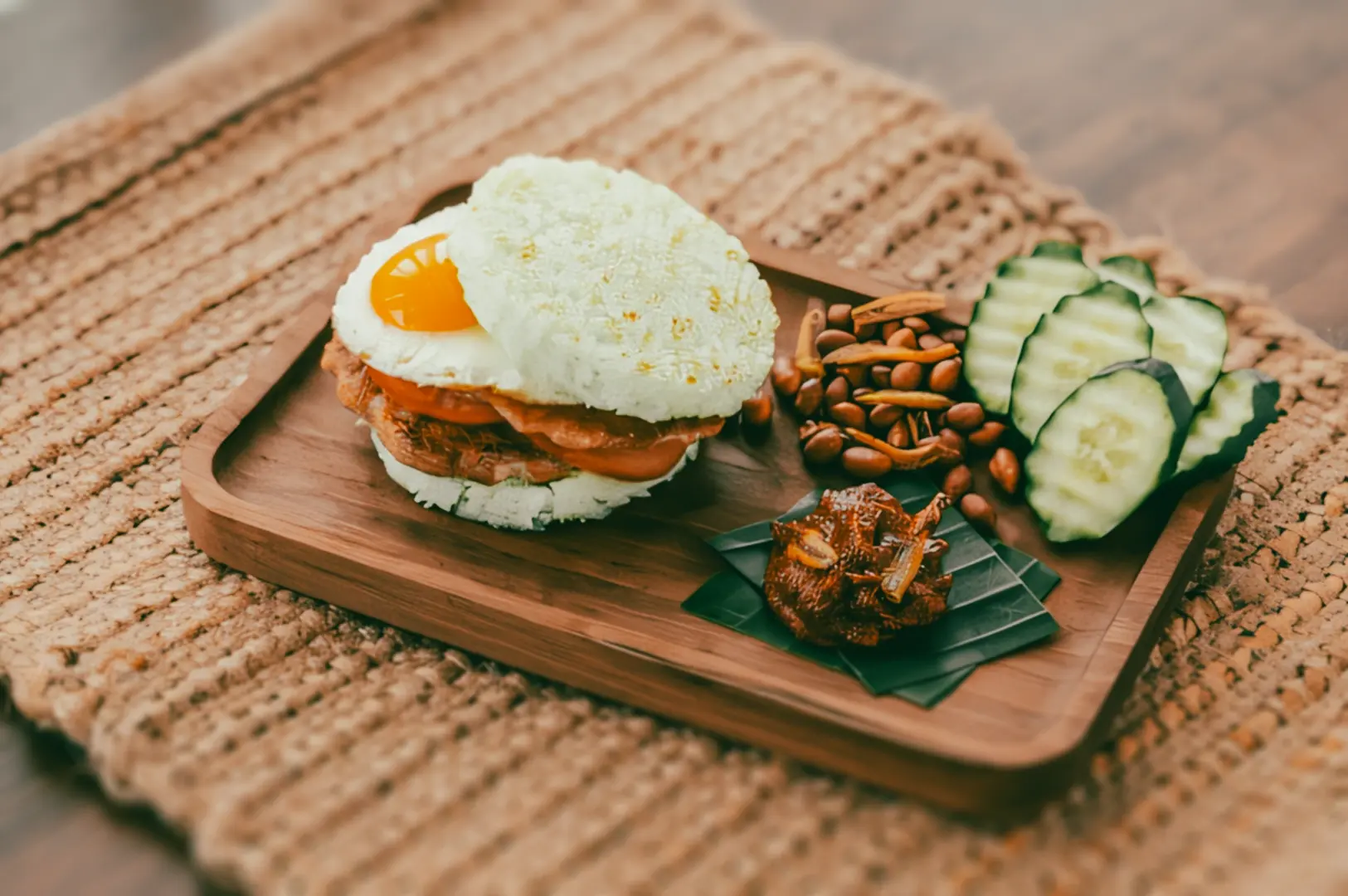
Modern Singaporean cuisine, sometimes called Neo-Singaporean, finds its heart in this fusion. Young chefs remix classic recipes, deconstructing signature sauces and reimagining roasted chicken with regional herbs or smoked bacon paired with pineapple fried rice.
The Mark Left by The Master: Violet Oon
At the crossroads of east and west, contemporary plates might feature creative combinations: signature cured salmon with braised beef cheek, or a lemon meringue tart with salted egg yolk dust. Duck leg confit with glutinous rice and black pepper sauce, or creamy cheese and parmesan cheese in a salted egg carbonara, blend cultures with wit. Violet Oon, a renowned culinary figure, has set a benchmark with her restaurants and signature dishes that exemplify the fusion of heritage and innovation in Singapore’s dining scene.
Knowledge is passed from hawker stalls to the kitchens of fine dining restaurant icons, and even a la carte menus constantly evolve. At places like Jewel Changi Airport or Suntec City, find tasting menus highlighting local fresh seafood, grilled dishes with bold hot sauces, or even minute steak frites dressed with crispy spring onions.
Diversity and Innovation: Current Restaurants in Singapore
Today, Singapore boasts an extensive menu of options for every palate. Diners can sample unique combinations, chicken liver pâté with glutinous rice, bistro classics reinterpreted with local fresh produce, or an expanded menu with contemporary Korean and regional Chinese flavours.
Sustainability influences the use of Southeast Asia ingredients, from fresh seafood at a Singapore outpost to Singapore debut bistros spinning up creative duck stacks with a fresh concept. Whether through a signature dish crafted with a vintage cast iron press or a la carte menus offering squid ink pasta and shrimp tempura, Singapore’s dining scene celebrates both its heritage and future.
What This Evolution Means for Diners Today
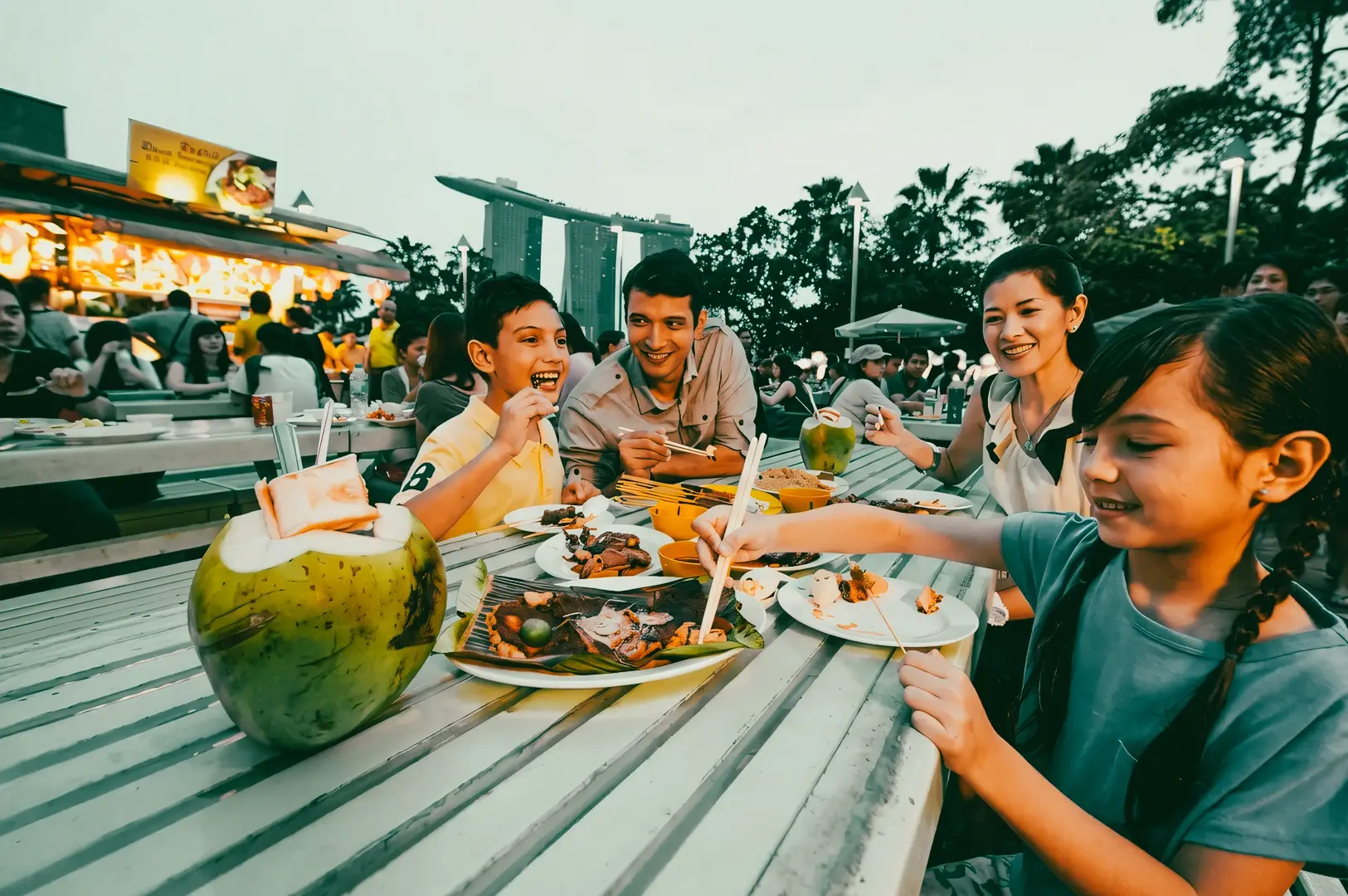
Understanding Singapore culinary history enriches every step of your dining experience. The story behind signature dishes, be it a premium tempura kake udon or roasted chicken with spring onions—adds meaning to each meal. Whether you’re ordering a classic at a food court, enjoying a tasting menu with beef fat potatoes, or indulging in a cheese platter with blue cheese and rich coconut milk ice cream, Singapore’s dining culture is your invitation to both deep-rooted tradition and forward-thinking creativity.
Your Guide to Singapore’s Dining Scene: Culinary Heritage and Future
Whether you crave the comfort of hawker favourites, the thrill of a bold-tasting fried chicken at a Singapore debut, an expanded menu at a vibrant wine bar, or fresh concept creative dishes in a private dining room, we hope to be the bridge between culinary heritage and innovation, your trusted authority in Singapore’s ever-evolving restaurant scene.
