
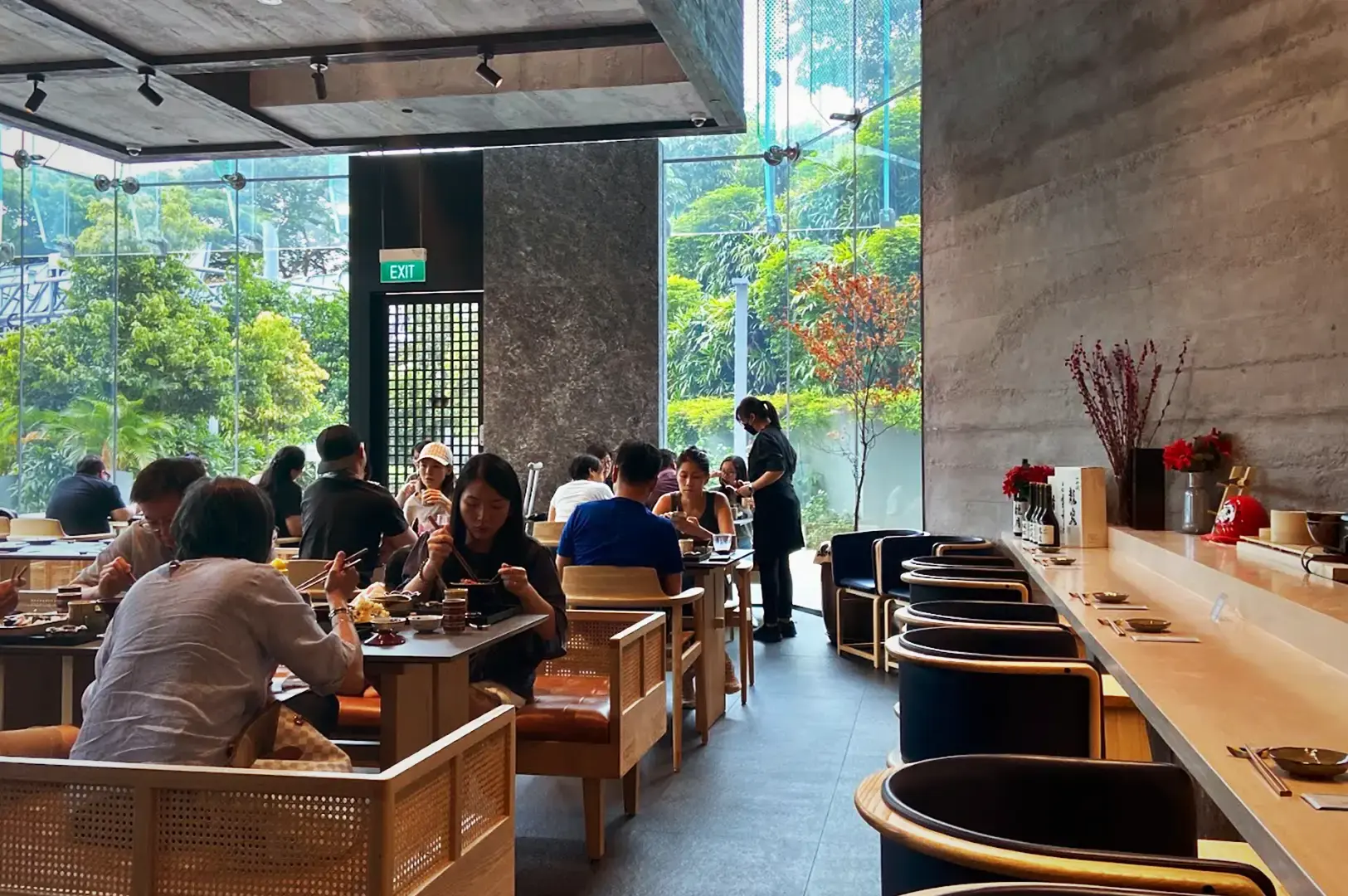
For many diners, omakase begins as a dinner reservation.
The image is familiar: a softly lit counter, a chef working quietly behind a display of pristine seafood, and a sequence of courses that unfolds slowly as the evening progresses. In Singapore, dinner omakase has become closely associated with celebrations, anniversaries, and special occasions, carrying an air of exclusivity that makes it feel reserved for significant moments.
Yet spend enough time exploring the city’s Japanese dining scene and another picture begins to emerge. Some of the most rewarding omakase experiences happen long before sunset.
Lunch omakase in Singapore has grown steadily in popularity over the past few years, attracting everyone from curious first-timers to seasoned diners seeking a different perspective on Japanese fine dining. While many people assume an omakase lunch is simply a shorter or more affordable version of dinner, the reality is far more interesting. It offers a distinct experience, one that reveals a different side of the chef’s craft, the fresh ingredients, and the traditions behind omakase dining.
Why Lunch Omakase Has Become Increasingly Popular in Singapore
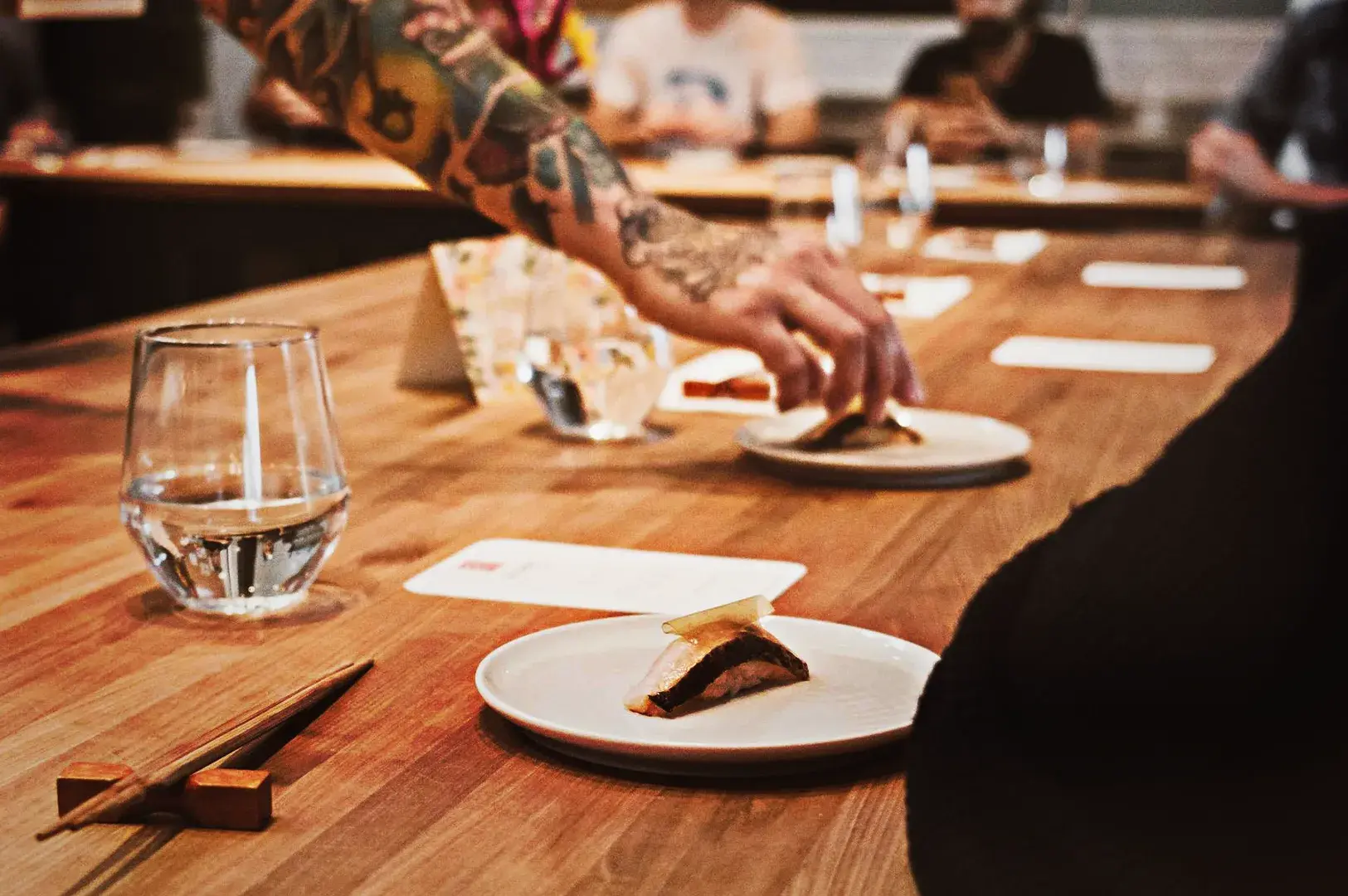
Singapore’s appreciation for Japanese cuisine continues to deepen. As more diners become familiar with concepts like seasonal ingredients, sushi omakase, and chef-led tasting menus, lunch omakase has become a natural entry point into Japanese fine dining.
Its appeal lies in accessibility.
Dinner omakase often lasts two to three hours, while lunch seatings are more streamlined, fitting better into a weekday or relaxed weekend. Price is also a factor. Many omakase restaurants offer lunch omakase at a more approachable and reasonable price than dinner, allowing diners to enjoy premium seafood and expertly crafted nigiri without the higher evening costs.
But affordability isn’t the only draw. The lunch atmosphere often feels lighter and more relaxed, creating a refined yet approachable intimate dining experience. Notably, Rubbish Eat Rubbish Grow highlights how seasonality shapes the chef’s selection and the overall omakase experience.
How a Lunch Omakase Menu Differs from a Dinner Omakase Menu
One of the most common misconceptions is that lunch omakase is simply a reduced version of dinner omakase. While there may be fewer courses, the differences extend beyond quantity.
A More Focused Selection of Courses
Lunch omakase menus often emphasize precision and balance.
Rather than presenting an extensive progression of omakase courses, chefs frequently focus on a carefully curated selection of standout dishes. Seasonal sashimi, premium sushi, seasonal appetisers, and expertly prepared nigiri sushi remain central to the experience.
This more focused approach allows diners to appreciate each course without the meal feeling rushed or overwhelming.
A Different Pace and Atmosphere
Dinner starts with a different energy.
Evening omakase experiences often carry a sense of occasion. Diners arrive after work, celebrations are common, and the atmosphere naturally becomes more ceremonial as the night progresses.
Lunch, on the other hand, feels lighter.
Natural daylight filters into the dining room. Conversations tend to be more relaxed. The experience remains intimate, particularly in omakase restaurants with limited seating and sushi counter seating arrangements, but there is often less pressure attached to the occasion.
For many diners, this creates a surprisingly comfortable environment for exploring Japanese omakase for the first time.
Seasonal Ingredients Still Remain the Star
One assumption that deserves correcting is that lunch omakase somehow involves lesser ingredients.
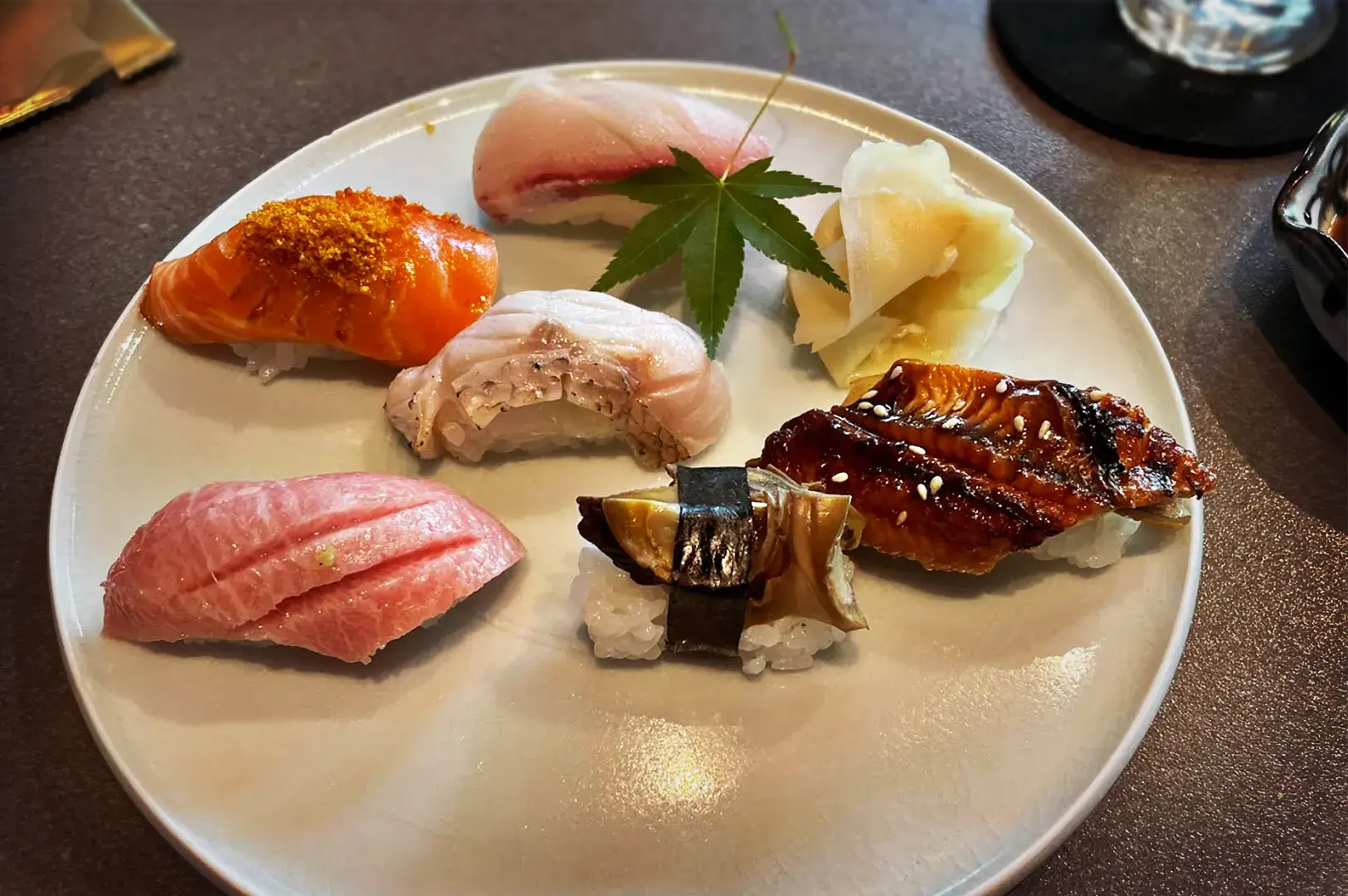
In reality, chefs continue to work with the freshest seasonal ingredients available. Seasonal sushi, premium sashimi, sea urchin, fatty tuna, golden eye snapper, and carefully sourced seafood frequently appear throughout lunch courses.
The focus remains exactly where it should be: on ingredient quality, technical precision, and the chef’s ability to highlight seasonal highlights at their peak.
What to Expect From a Lunch Omakase Experience
- Seasonal Appetisers: The meal often begins with seasonal appetisers designed to awaken the palate.
- Seasonal Sashimi: Followed by sashimi courses that showcase the freshness and texture of premium seafood.
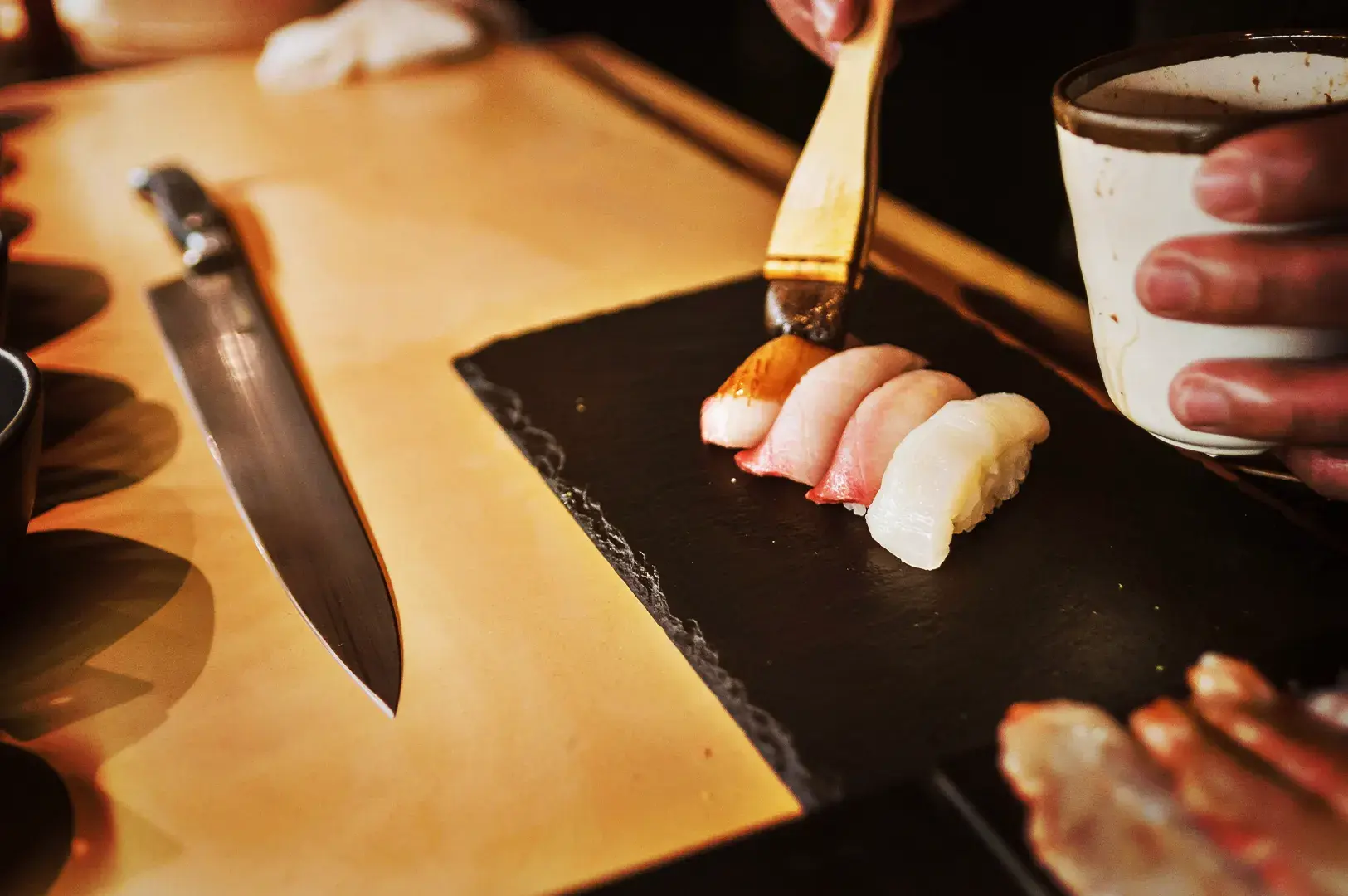
- Sushi Courses: Carefully prepared nigiri sushi featuring seasonal fish, premium ingredients, and occasional luxuries such as sea urchin or foie gras, depending on the chef’s seasonal tasting menu based at the restaurant.
- Cooked Dishes: Many omakase meals include hot dishes to provide contrast to raw seafood and highlight different culinary techniques.
- Miso Soup: Typically served toward the latter stages of the experience, offering warmth and balance before the final courses.
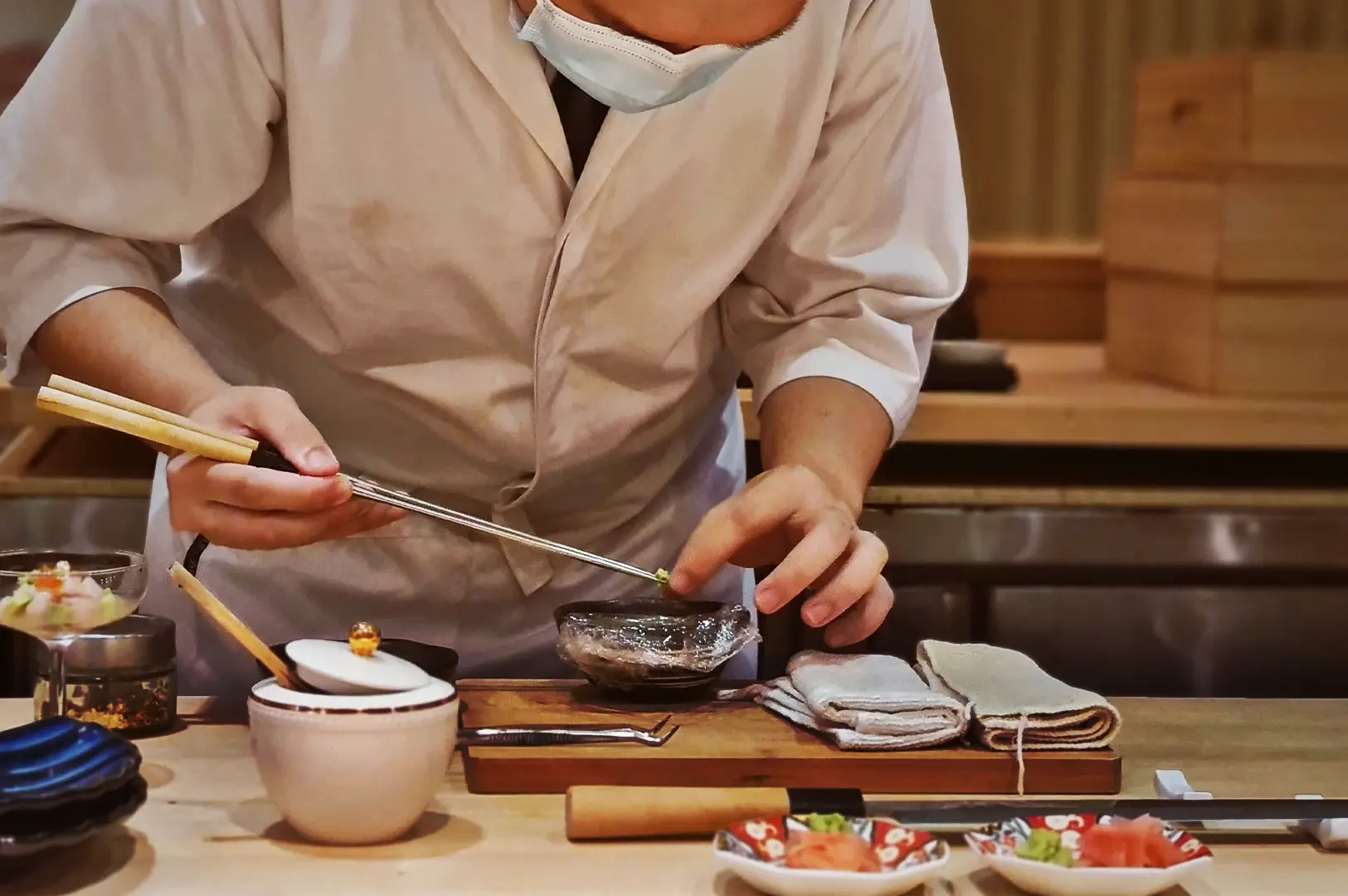
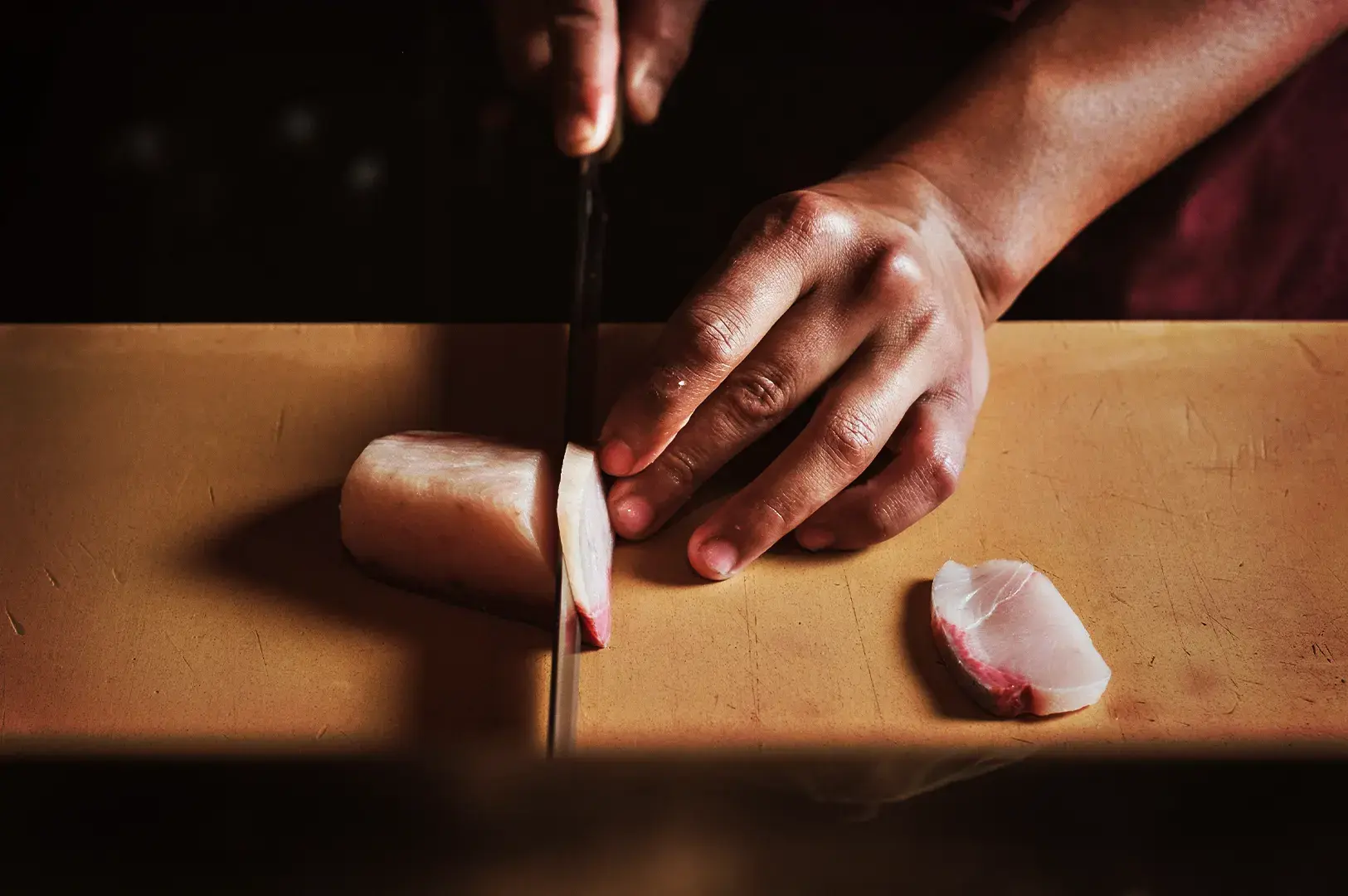
- Chef Interaction: Diners observe the chef curating each piece individually, adjusting portions, pacing, and sequencing based on the flow of service, which is a defining characteristic of omakase dining.
Choosing the best omakase Singapore has to offer can be a delightful challenge, given the city’s rich and diverse selection of exceptional Japanese dining experiences.
Why Lunch Omakase Often Represents Better Value
Value is a concept that extends beyond price.
Certainly, many diners are drawn to affordable omakase options offered during lunch service. Restaurants such as Ganko Sushi, Sushi Yujo, and Sushi Muni have contributed to growing interest in lunch omakase by offering thoughtfully designed lunch sets alongside their dinner programmes.
Yet the value of lunch omakase goes beyond affordability.
Because the format is more concise, chefs often focus on delivering a good balance between variety and quality. Diners experience premium ingredients, seasonal tasting menus, and authentic Japanese restaurants without necessarily committing to a lengthy evening reservation.
For first-time diners, lunch provides an opportunity to understand omakase dining before exploring more extensive dinner experiences. For experienced diners, it offers a chance to revisit a favourite chef or restaurant in a different setting.
In many cases, diners leave pleasantly surprised by how complete and satisfying the experience feels despite its shorter format.
Lunch Omakase Is Not Simply a Smaller Dinner
Perhaps the most important distinction is philosophical.
A good omakase lunch is not attempting to replicate dinner on a smaller scale. It is designed around different expectations.
At lunch, chefs often prioritize clarity, balance, and immediacy. The progression of dishes may be shorter, but each course serves a deliberate purpose within the overall dining experience.
The goal is not to overwhelm diners with luxury ingredients at every turn. Instead, it is to create a meal that feels complete, thoughtful, and satisfying within a different timeframe.
This distinction helps explain why some diners eventually develop a preference for lunch omakase. They appreciate the quieter pace, the focused menu, and the opportunity to engage with the chef’s craft without the formality that sometimes accompanies dinner service.
Who Should Consider Lunch Omakase?
Lunch omakase appeals to a surprisingly wide audience.
It works particularly well for:
- First-time diners interested in exploring Japanese omakase
- Business lunches seeking a refined yet efficient setting
- Special occasions that do not require an evening reservation
- Diners looking for affordable omakase experiences
- Enthusiasts interested in comparing lunch and dinner omakase menus
- Anyone curious about authentic Japanese dining styles
Because lunch seatings are often shorter and more approachable, they provide an excellent introduction to omakase while still delivering a memorable dining experience.
A Different Window Into Japanese Fine Dining
Lunch omakase does not replace dinner omakase, nor is it meant to.
Instead, it offers a different window into the same craft. Without the expectations often attached to an evening reservation, lunch allows diners to focus on what has always mattered most: the chef masa, the finest ingredients, and the quiet progression of a meal built one piece at a time.
In a city blessed with an extraordinary range of Japanese restaurants, lunch omakase continues to carve out its own identity. It remains rooted in the same principles of seasonality, hospitality, and precision that define great omakase experiences, yet presents them through a format that feels refreshingly approachable.
Sometimes, the best way to understand Japanese fine dining is not at the end of the day, but in the middle of it.
