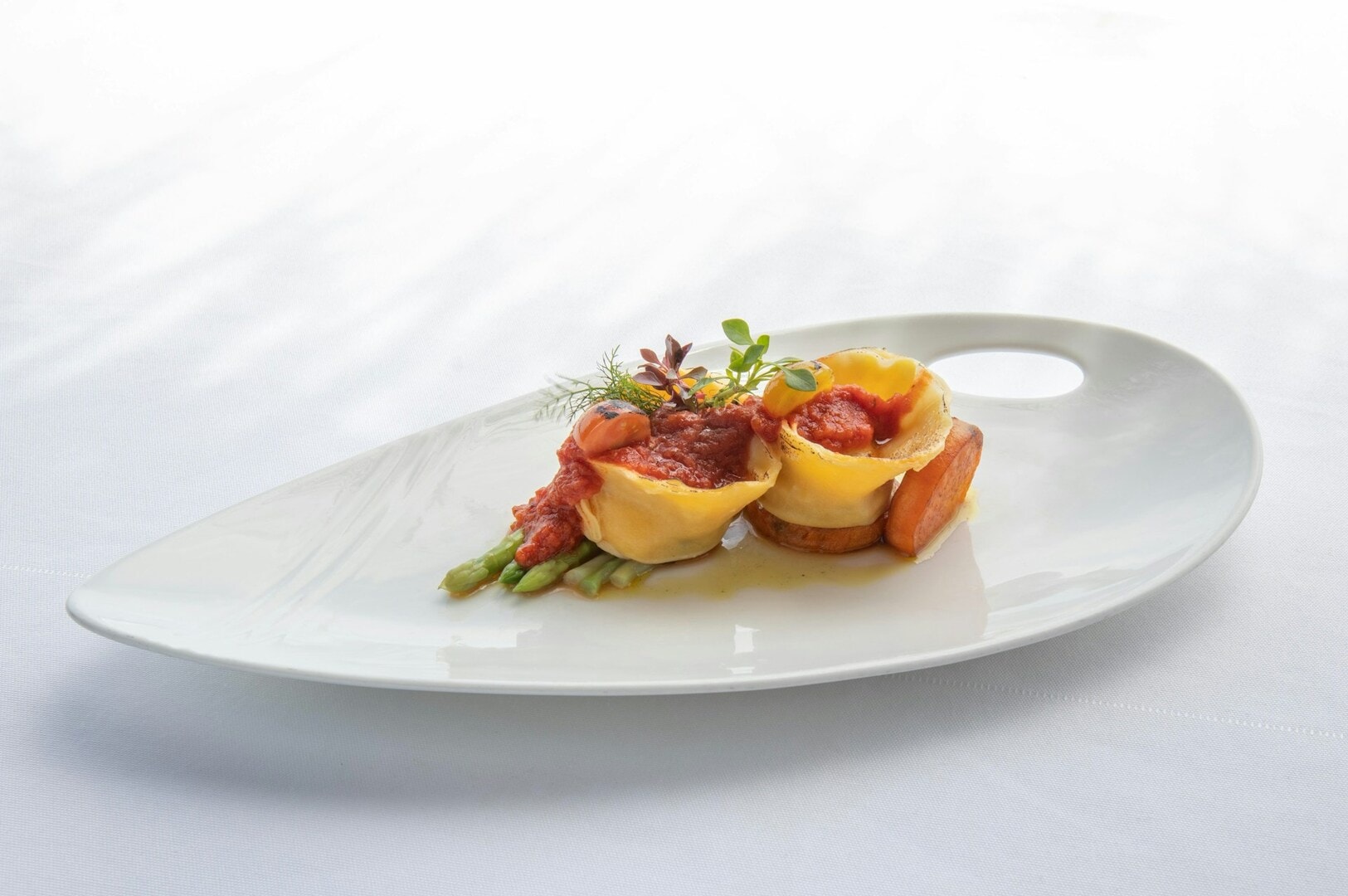
Imagine stepping into a gallery where the art is not only visually stunning, but aromatic, textured, and even edible. Welcome to the world of gastronomic art in Singapore—a dynamic fusion where culinary mastery, creativity, and cutting-edge techniques come alive before your senses. Here, edible art installations transform food into an experience that’s as much about storytelling, emotion, and connection as it is about taste. For the discerning food enthusiast, Singapore has rapidly evolved into a global stage where food installations and multisensory dining events are not just a trend, but a thriving movement forging new ground in culinary art exhibitions.
Singapore’s multicultural landscape—where world cuisines mingle and new flavours emerge—serves as endless inspiration for chefs, artists, and hospitality visionaries. Historically, art and food have intersected everywhere from Renaissance feasts to Thai floating markets (think, Pad Thai as both canvas and meal), but Singapore’s uniquely modern, cosmopolitan context has led to an arsenal of both traditional and experimental cooking ideas. The result? Singapore stands at the crossroads of global gastronomic art, showcasing innovation in both restaurants and galleries, with culinary events curated at venues from the National Gallery to Marina Bay Sands. In this city, art, life, and food unite in a vibrant tapestry representing not only our palates but our shared stories.
The Rise of Gastronomic Art and Relational Aesthetics in Singapore
The surge of gastronomic art installations in Singapore is no accident. Powerful cultural factors—multiculturalism, a love for hospitality, government support for the arts, and an ever-curious public—have all contributed. The scene is led by chefs and food artists inspired by international trends, but also deeply rooted in Singapore’s heartbeat: bringing people together. Concepts drawn from global movements like relational aesthetics—where the act of sharing food becomes the art—now thrive among local art practitioners.
Pioneers such as Janice Wong and culinary designers at hotel restaurants have redefined the traditional dining experience, making interactive food displays and participatory art more common. Over the last decade, key milestones mark this journey: September’s Singapore Food Festival, collaborative exhibitions with international artists, and pop-up edible art showcases at venues like the National Gallery and Marina Bay Sands. These events highlight food’s role as an artistic medium, blurring boundaries between object and performance, artist and diner, and even between gallery and kitchen.
Categories of Gastronomic Art and Edible Art Installations
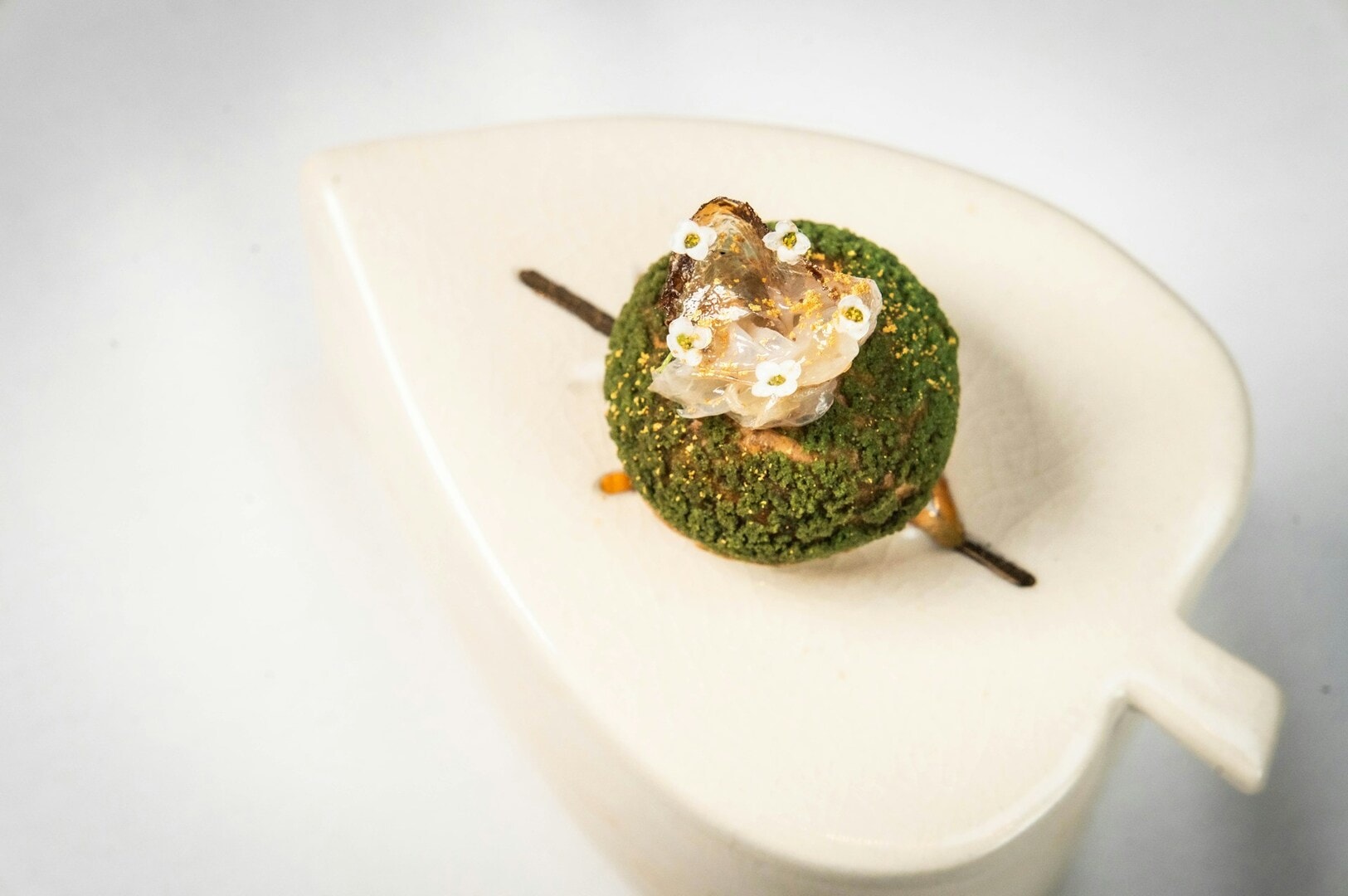
In Singapore, food art installations appear in many forms—each designed to surprise, engage, and inspire. Some are fleeting, others permanent, but all share a drive to push culinary art further.
- Temporary Exhibitions and Pop-Ups: These immersive experiences allow artists, chefs, and participants to explore interactive food displays—think painting with chocolate, or edible objects made from sugar and flour as visitors wander through galleries. September often sees organized events at the National Gallery, where guests are encouraged to act, taste, and become part of the story. Examples include edible installations at festival pop-ups featuring food from Pad Thai to Japanese Wagashi.
- Permanent Restaurant Installations: Flagship dining venues like Odette (housed at the National Gallery), and hotel hotspots at Marina Bay Sands showcase permanent edible art on their menus. Here, chefs create experiences where taste, music, lighting, glass, and painting converge, turning dinner into a performance and every dish into an exhibit.
- Interactive and Participatory Food Art: True to the relational aesthetics ethos, many events turn the act of eating into a collaboration. Dishes are assembled by viewers, who are encouraged to create their own edible art, reflecting both cultural tradition and culinary innovation.
- Digital and Technology-Driven Experiences: Singapore’s “Smart Nation” vision shines with high-tech edible art—projection mapping, AR menus, or 3D-printed chocolate sculptures. These installations expand the definition of food as art and showcase how technology assists chefs and artists in bringing their craft to life.
Gastronomic Artists and Food Enthusiast Innovators in Singapore
At the core of Singapore’s edible art revolution are visionary artists and chefs who treat food as both canvas and medium. Chef Janice Wong is renowned for her painting with chocolate, creating interactive installations that engage taste, sight, touch, and even emotion. Her signature flour-based artworks and “sugar glass” sculptures don’t just delight—they also reflect her philosophy of making art, literally, a part of the body.
Iconic Gastronomic Art Installations at the National Gallery and Beyond
Three mark-making installations deserve special mention:
- 2am:dessertbar by Janice Wong—This edible art event transformed a gallery into a multi-sensory dessert wonderland. Guests walked through chocolate-coated rooms, experimenting with taste and texture in a performance that blurred viewer and art. Wong’s approach, blending sugar painting and sensory surprise, redefined dessert as artistic statement.
- National Gallery’s “Art of Plating” Exhibit—Held in collaboration with renowned restaurants, this event used glass, light, and painting to investigate how plating transforms the act of eating into a form of expression. Chefs presented signature dishes as conceptual objects, inviting guests to see, taste, and discuss the boundaries between medium, body, food, and art.
- Scent, Memory & Flavour at Marina Bay Sands—A culinary installation where chefs and artists collaborated to reinterpret Singaporean childhood flavours (from pandan to kopi) as edible objects and immersive scent chambers. Presented alongside music and visual projections, this event highlighted how food, life, and artistic inspiration can combine to create unforgettable emotions and discussions about heritage and innovation.
What ties these installations together is a distinctly Singaporean approach: merging hospitality with culture, and respecting tradition while championing global trends and tools in culinary art.
The Multisensory Experience
Singapore’s best gastronomic art is a feast for all the senses. The beauty of these experiences is how they incorporate sight, sound, taste, texture, and even movement, creating a potent stage for memory and pleasure. Science shows that enhanced sensory input strengthens our emotional bond to food—whether it’s the crunch of sugar glass, the music that sets a scene, or the lighting that makes colour and form pop off the plate.
From PR-led menus that engage not only guest taste buds but also their curiosity and wonder, to immersive environments where every detail from plating to ambient sound design is curated, Singapore’s installations expand the act of eating into an all-encompassing journey. These are not just meals; they are performances, exhibits, and living research projects waiting to inspire.
Cultural and Social Impact
Far beyond visual impact or fleeting surprise, Singapore’s gastronomic art represents something deeper: a reflection of our multicultural society and the powerful role of food in bringing people together. These installations facilitate conversation about everything from sustainability to religion, hospitality to ethics, showing how culinary art is woven deeply into the fabric of everyday life.
Art as food, food as art—this ongoing dialogue democratizes culinary craft, makes fine dining accessible to new audiences, and encourages critical thinking about what we eat, why, and how. Chefs, artists, and participants alike are invited to explore new ideas, expand traditions, and reinforce Singapore’s mark on the world food stage.
Where to Experience Gastronomic Art in Singapore
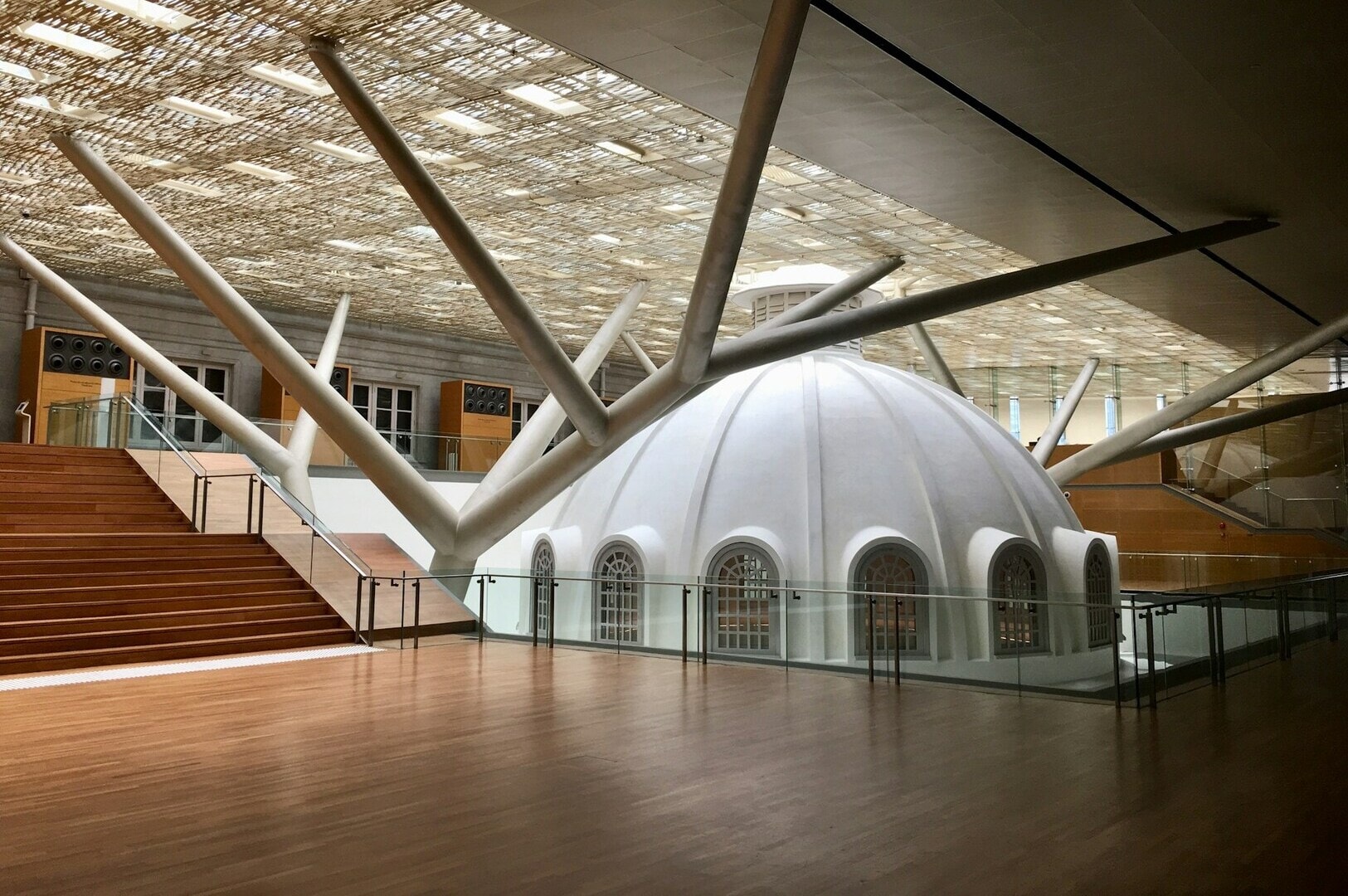
Ready to engage firsthand? Here’s where the action is:
- National Gallery: Regularly hosts exhibitions blending painting, sculpture, and edible art; features collaborations with top chefs and restaurants.
- Restaurants: Odette, Art di Daniele Sperindio, and 2am:dessertbar all showcase ongoing menus and permanent features pairing food and performance.
- Hotels & Marina Bay Sands: Organize spectacular events, such as chocolate painting or interactive drink art, that showcase gastronomy at its finest.
- Upcoming Events: Follow local art blogs for September’s exhibitions or festivals highlighting both global and Singaporean talent.
- Booking Tips: Act fast—many shows sell out. Bring an open mind, a love for food, and be ready to participate and wait (the surprise is often worth it).
Conclusion
Singapore’s gastronomy-led art installations represent the leading edge of global creativity, bringing together technique, flavour, and cultural narrative with art, music, and technology. These events, created by chefs and artists determined to showcase culinary craft as a living medium, offer insight, inspiration, and the chance to connect. As food events, art exhibits, and innovative collaborations continue to flourish, Singapore remains a world-class destination for those who wish to engage with food and art as never before.
Don’t just read about the trend—experience it. Taste the beauty, touch the ideas, act in the performance. From edible art to immersive food installations, Singapore’s gastronomy is very much alive, calling food enthusiasts and art lovers to the table, the gallery, and beyond. This is where food truly meets art, and where every meal can be a masterpiece on the world stage.
For those seeking a deeper, more personal encounter with culinary artistry, explore Chef’s Table Singapore: Ultimate Guide to Intimate Fine Dining, where storytelling, technique, and emotion unfold across a handful of seats. And if these experiences are your first step into Singapore’s fine dining world, Fine Dining Etiquette: A First-Timer’s Guide to Fine Dining in Singapore ensures you arrive confident, curious, and ready to savour every moment.
