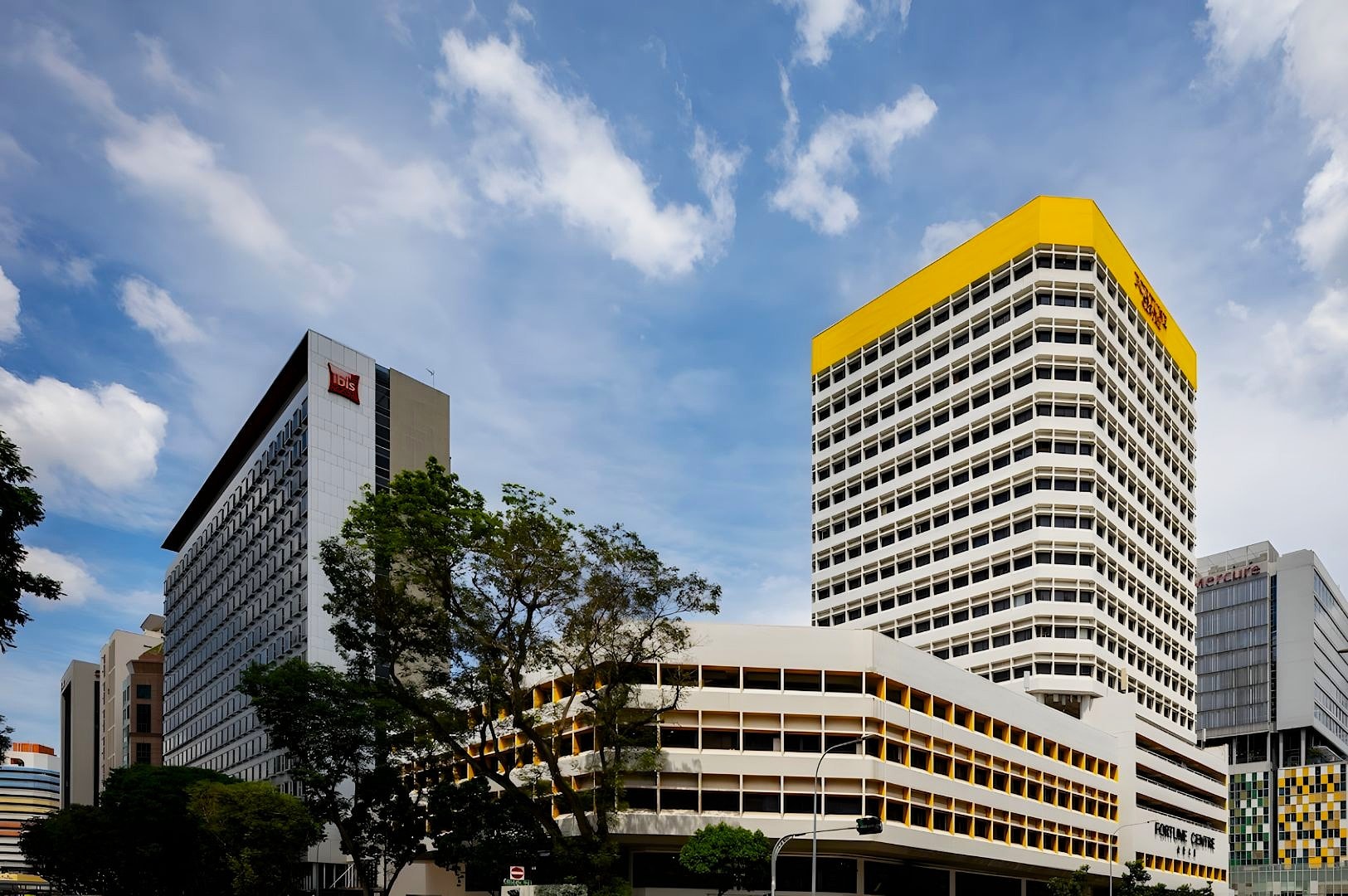
Stand in the atrium of Fortune Centre just before noon and listen. Lift doors open. Chopsticks meet porcelain. Soy sauce hits a hot wok and releases that toasted, familiar aroma that belongs unmistakably to Singapore.
The crowd gathers, but no one rushes toward a single famous stall. There is no viral frenzy from the latest food scene sensation. Instead, people drift through corridors and stairwells, pausing at signboards, scanning menus, then moving with quiet certainty. Each follows a private map drawn by appetite.
Inside Fortune Centre, singapore food culture unfolds differently. In a city defined by hawker centres, hawker stalls, open air food courts, and polished food courts overlooking Marina Bay, this building offers something more intimate. Here, choice is guided by memory and hunger rather than hype. It feels deeply, unmistakably singaporean.
Beyond Hawker Centres and Food Courts: A Different Side of Singapore Food Culture
Singaporean cuisine is often introduced through icons. Maxwell Food Centre. Chilli crab eaten with hands slicked in sweet sauce. Kaya toast layered with coconut egg jam. Nasi lemak fragrant with sambal. Char kway teow stir fried with egg noodles and fresh cockles.
These dishes define singaporean food culture. They live in hawker centers and open air food courts across singapore, from the Singapore River to Orchard Road.
Fortune Centre operates in the margins of that narrative. It has no sweeping atrium of uniform stalls. No orchestrated queues. Instead, it offers hidden gems tucked into upper floors and narrow corridors.
A bowl of bak chor mee served dry with vinegar and chilli sauce. Authentic clam noodles brightened with lime juice. Teochew style fish paste soup that comforts without spectacle. Pork rib soup simmered until the broth turns milky and soothing.
This is local food shaped by routine. Rice dishes at reasonable prices. A plate of char siew beside pork belly glazed with soy sauce. Thick mushroom soup ladled quietly into bowls.
It is good food that does not demand applause.
The Comfort of Hainanese Chicken Rice, Chicken Rice and Nasi Lemak
Watch the regulars and you begin to understand the building.
Their decision is often made before they arrive. They are not browsing the food scene for novelty. They are returning to comfort food.
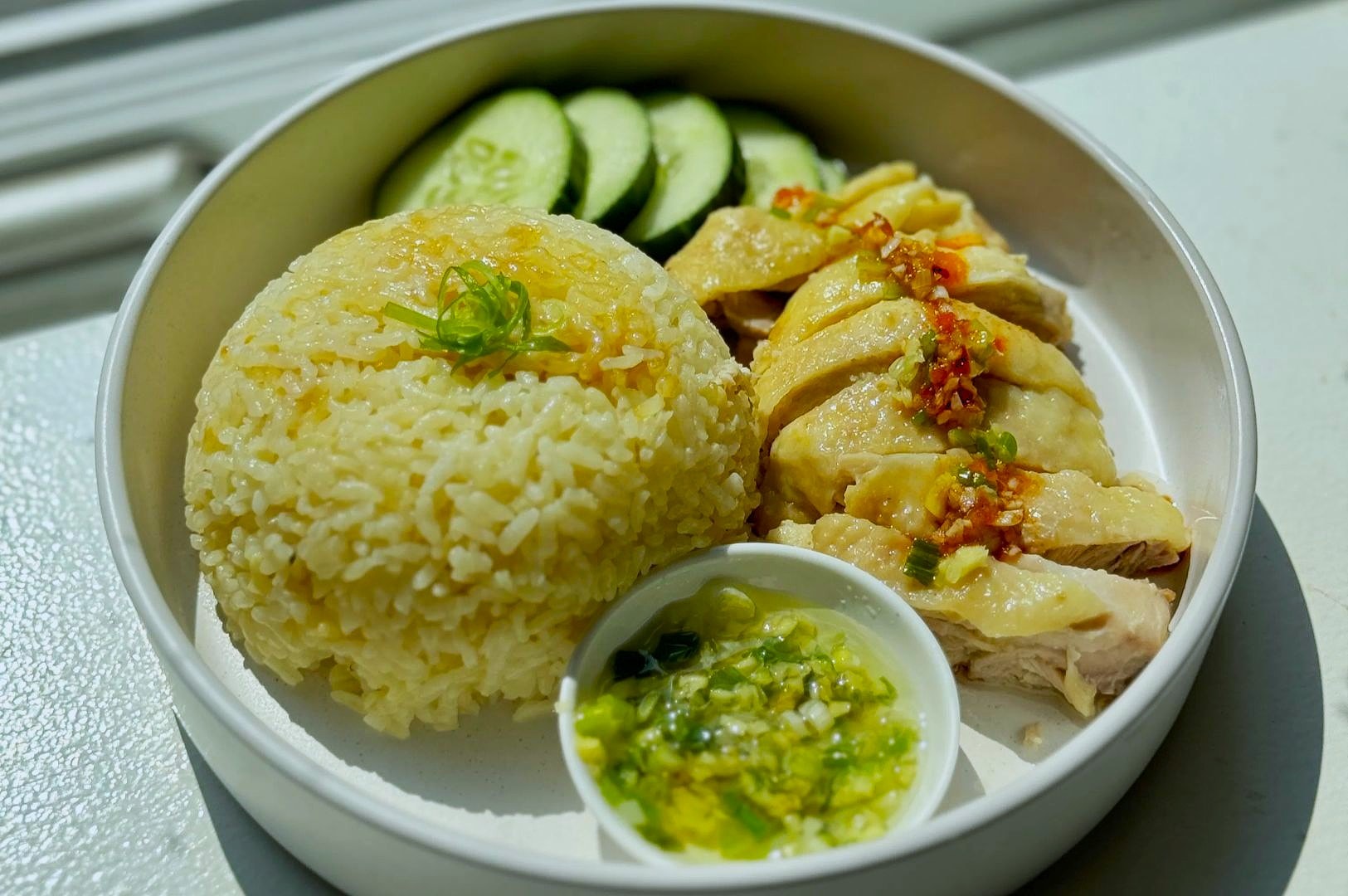
For some, it is chicken rice. Not necessarily the most famous hainanese chicken rice in singapore, but one that delivers what matters. Tender meat. Fragrant grains. Chilli sauce sharp enough to wake the taste buds. A drizzle of dark soy sauce. It may not rival the queues at Maxwell Food Centre, but it satisfies something personal.
Others head for nasi lemak. Coconut rice, fried chicken or chicken wings, sambal edged with sweet sauce, perhaps fresh cockles for texture.
There are those craving fish head curry enriched with ginkgo nuts and lotus seeds, echoing southern china influences carried through southeast asia. Some want egg noodles tossed with char siew and pork belly, stir fried until lightly smoky. Others settle for a single dish of bak chor mee, or three dishes shared between colleagues.
In a landscape where new station rice bar concepts promise a modern twist, Fortune Centre values steadiness. The luxury here is reliability. Affordable prices. Consistency.
That quiet dependability is part of singaporean cuisine too. Discover more about evolving food trends at Global Dining Trends.
Hidden Gems From Little India to Fresh Pasta
Then there are the explorers.
They move slower. They scan directories. Their hunger is curious.
Perhaps they have walked from Little India, where indian food perfumes the streets and teh tarik is poured high with theatrical ease. Perhaps they have come from Orchard Road, stepping away from polished restaurants in search of something less curated.
Inside Fortune Centre, they look for personality.
A small kitchen serving fresh pasta with a singapore style sensibility, where western food techniques meet local ingredients. A plate of fried chicken or chicken cutlet with chilli sauce and lime juice. A bowl of authentic clam noodles made without compromise.
There are cafes pairing local coffee with pulled milk tea made with evaporated milk. Juice counters influenced by tracy juice culture pressing fruit juices to order.
Even the simplest plates feel intentional. A spoonful of bean paste deepening a sauce. A splash of chinese wine rounding out a broth. Fish paste shaped by hand.
Discovery here is not theatrical. It is patient. The reward is finding good food that feels grounded.
Hawker Stalls Without the Hawker Centre Spotlight
Singapore’s hawker centres are often called the heart of singaporean food culture. They represent singaporean food at its most democratic.
Fortune Centre reminds us that the spirit of hawker stalls extends beyond designated hawker centers and open air food courts. The ethos travels wherever cooks prioritise craft over spectacle.
You taste it in char kway teow slicked with soy sauce. In pork rib soup that warms the chest. In fish head curry simmered until the gravy deepens. In thick mushroom soup served without flourish.
There is no waterfront glamour like Marina Bay. No curated heritage narrative. Yet the principles remain. Affordable prices. Honest flavours. Clear intention.
This is singapore style dining without performance.
The Geography of Hunger at Fortune Centre
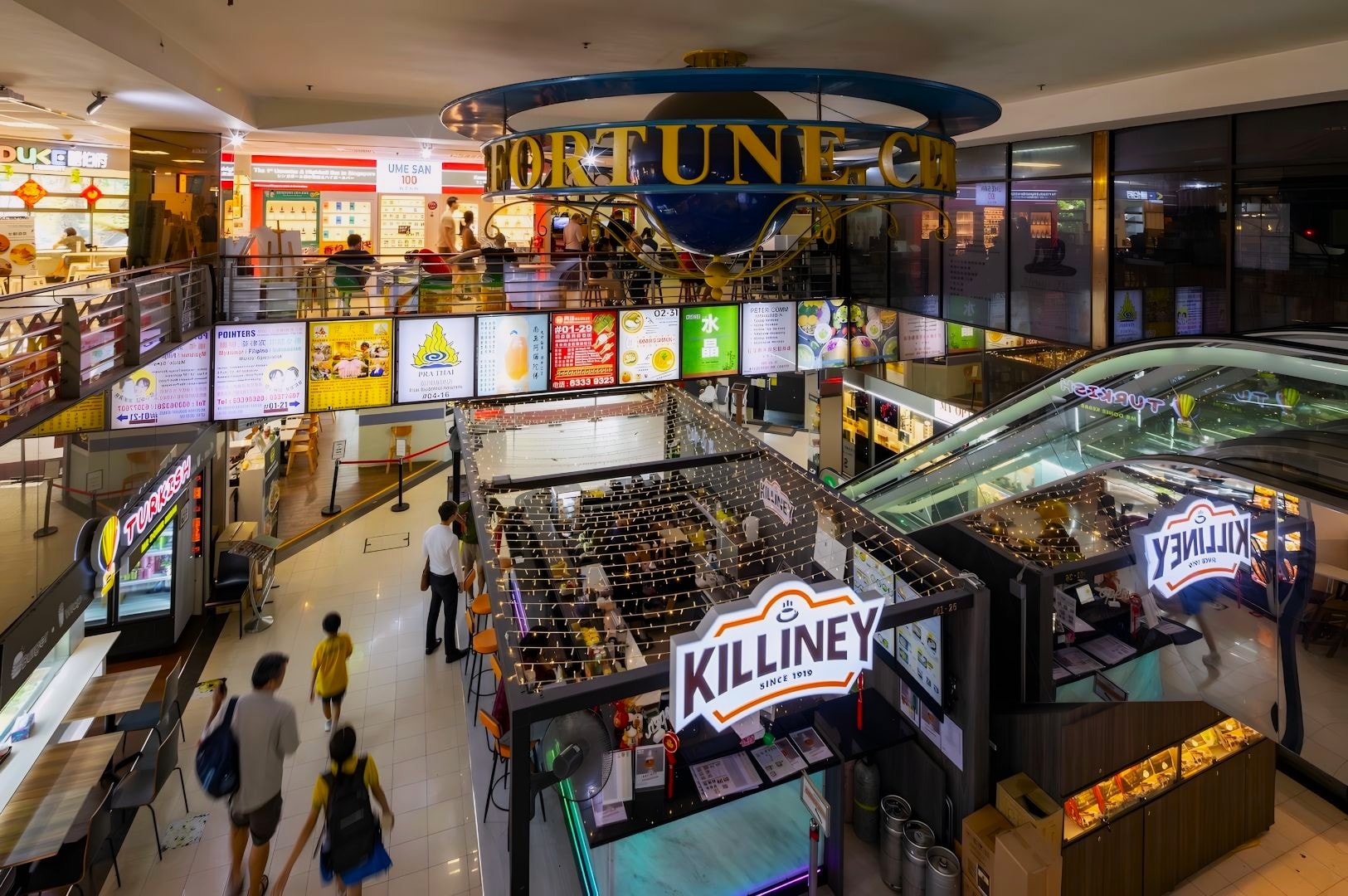
What makes Fortune Centre compelling is not a single signature dish. It is the way it resists the algorithm.
Elsewhere in singapore, we are guided by rankings and curated lists. We are told where to eat and what to order. Here, appetite speaks first.
The architecture encourages it. Multiple floors. Hidden corridors. No dominant food court pulling everyone in one direction. You must look, decide, commit.
In that pause between pork rib soup and fish head curry, between nasi lemak and fresh pasta, between local coffee and teh tarik, you become aware of your own taste buds.
You ask yourself what you are truly hungry for.
Fortune Centre does not try to be everything to everyone. It is content to be specific. To serve local food that answers a personal craving. To remain steady in a fast moving food scene.
In a country celebrated for singapore food culture and singaporean cuisine, this building offers a quieter lesson. Food is not only about icons like chilli crab or nasi lemak. It is about repetition, memory, and the dignity of cooks who show up daily.
Long after the plates are cleared, that lesson lingers.
The geography of hunger is not mapped by trend. It is mapped by craving. And inside Fortune Centre, that map remains wonderfully personal.
For a comprehensive guide to the best places to eat in Singapore, check out this detailed restaurant journey at Singapore Best Restaurants.
