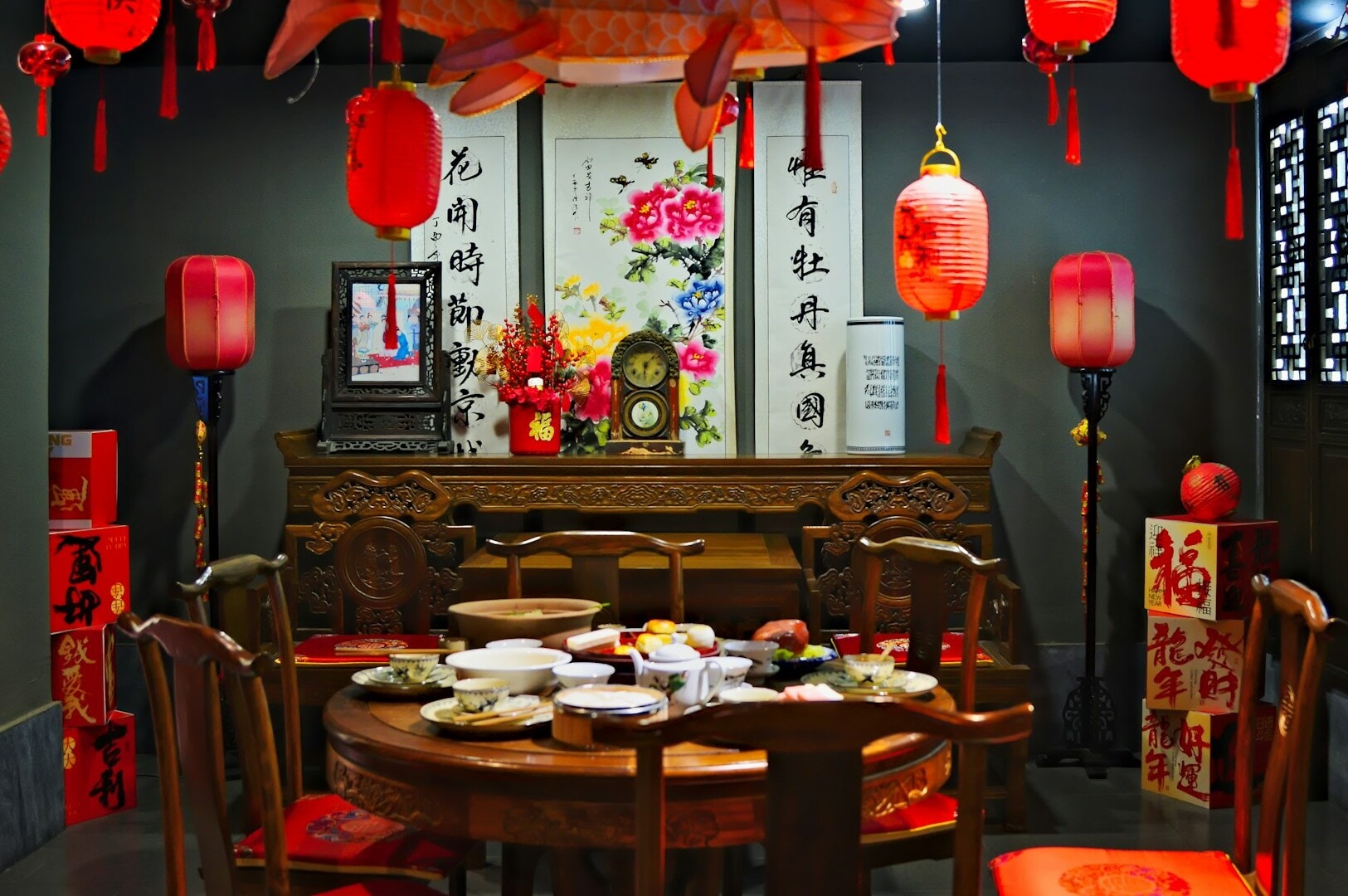
In Singapore, Chinese New Year is more than just a public holiday; it is the undisputed zenith of the culinary calendar. For weeks leading up to the celebration, the island transforms into a landscape of red lanterns, rhythmic drum beats, and, most importantly, extraordinary feasting. During these year celebrations, restaurants and families alike offer special dishes and experiences to mark the annual festivities and attract diners seeking to participate in traditional celebrations. Dining during this festive season is not merely about sustenance but symbolism. Every ingredient on the table—from the fish maw and sea cucumber representing abundance to the ee fu noodles symbolizing longevity—carries a specific wish for the year ahead.
The reunion dinner, traditionally held on year’s eve of the Lunar New Year, is the most critical meal of the festival. It is a time when extended families gather to affirm bonds over a lavish spread. In Singapore’s bustling urban environment, this tradition has evolved. While home-cooked meals remain cherished, many families and corporate groups now flock to the city’s top restaurants to celebrate. These establishments curate elaborate festive set menus and cny takeaway menus that blend time-honored traditions with culinary finesse, offering a convenient yet spectacular way to usher in prosperity.
For locals and visitors alike, navigating the vast array of Chinese New Year dishes Singapore has to offer can be a delightful challenge. The sheer variety of regional Chinese cuisines—Teochew, Hokkien, Cantonese, and Hakka—means the festive table is diverse and rich in flavor. This guide explores the essential dishes that define the season, explaining their cultural significance and highlighting the best restaurant types and districts to experience them. Whether planning a grand reunion feast or an intimate family gathering, understanding these dishes ensures a dining experience that is both culturally resonant and gastronomically satisfying.
Prosperity Abalone Yu Sheng and the Golden Horse Abundance Yusheng – The Prosperity Toss
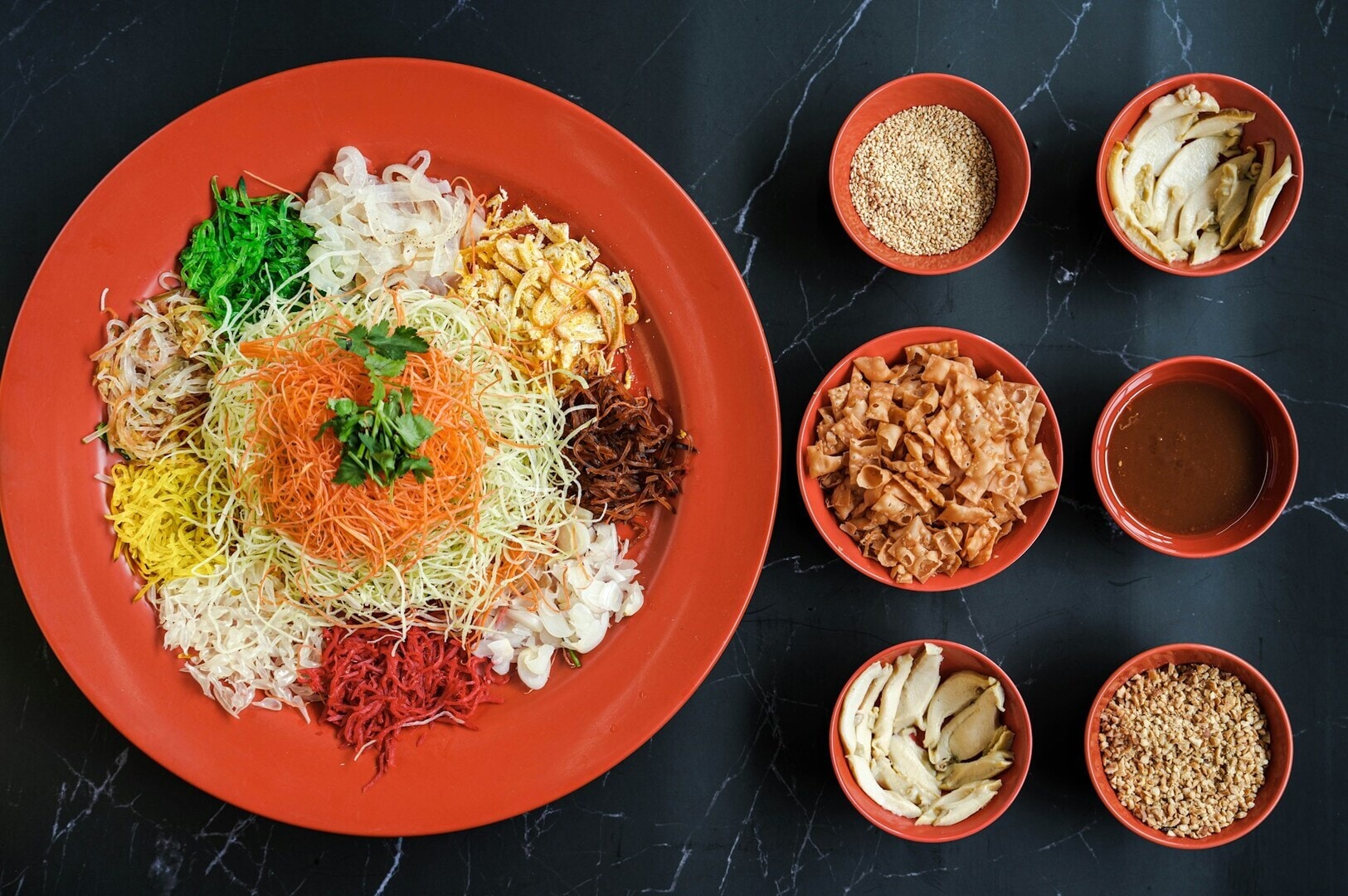
The quintessential Singaporean New Year tradition combining salad, sashimi, and spectacle.
The Dish & Its Significance Yu Sheng is arguably the most iconic dish of the festival in Singapore and Malaysia, distinct from celebrations in China. It is a vibrant raw fish salad featuring shredded vegetables like daikon, carrots, and cucumber, topped with pickled ginger, pomelo, crushed peanuts, sesame seeds, and golden crackers. Variations include the prosperity abalone yu sheng and the golden horse abundance yusheng, which are packed with premium ingredients such as lobster, crab meat, and crunchy pulled pork. Vegetarian versions of Yu Sheng and vegetarian-friendly festive sets are also widely available, catering to those seeking meat-free options for the celebration. The dressing is a sticky, sweet plum sauce.
The ritual of eating Yu Sheng is known as “Lo Hei” (Cantonese for “tossing up good fortune”). Diners stand around the table and toss the ingredients high into the air with chopsticks while shouting auspicious phrases. The higher the toss, the greater the fortune for the coming year. It is a boisterous, messy, and joyous affair that breaks the ice at any gathering.
Where to Eat It in SingaporeVirtually every Chinese New Year restaurant Singapore offers Yu Sheng, but the experience varies greatly.
- Traditional Cantonese Restaurants: Established hotel restaurants along Orchard Road and in the Marina Bay area serve classic versions with premium ingredients like abalone and prosperity abalone yu sheng. These venues provide the space and service required for a dignified yet spirited toss.
- Modern Chinese Establishments: For a contemporary twist, look to modern Chinese restaurants in the CBD (Central Business District). Chefs here often innovate with ingredients like truffle oil, champagne jelly, or fruit-based dressings like passion fruit to appeal to younger palates.
- Casual Chains and Takeaway: Popular restaurant groups such as Crystal Jade or White Restaurant, which features a special collaboration with Bee Cheng Hiang, offer reliable, high-quality yu sheng sets and cny takeaway bundles perfect for smaller groups or fuss free celebrations at home.
These creative interpretations exemplify why the city is often cited in Singapore’s Fusion Pioneers: Culinary Innovation Defined—where even deeply symbolic festive dishes are thoughtfully reimagined for contemporary diners.
Dining Tip This dish is typically served as an appetizer to kick off the meal. It is best enjoyed with a group of at least four to six people to generate the necessary energy and volume during the tossing ritual. Reservations and pre order are essential during the 15 days of Chinese New Year 2026.
Glorious Pen Cai and Takeaway Set Menus – A Treasure Trove of Abundance
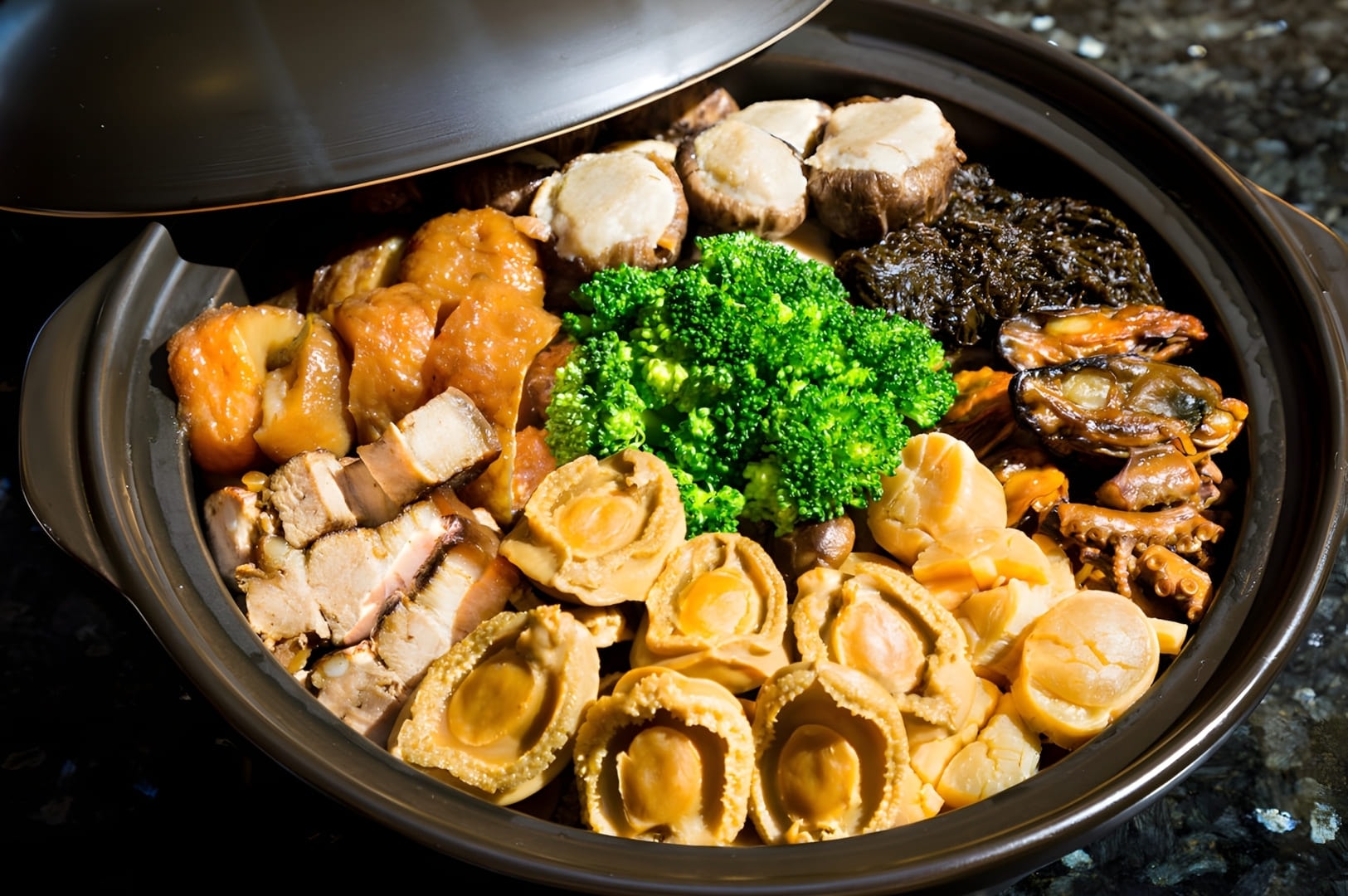
A luxurious, slow-cooked claypot layered with premium ingredients.
The Dish & Its Significance
Pen Cai (or Poon Choi) is a Hakka dish that has become a centerpiece for cny takeaway menu and dine in and takeaway menus in Singapore. It is a massive one-pot braise where ingredients are meticulously layered. The bottom layers usually consist of absorbent vegetables like radish, cabbage, and braised tofu, which soak up the rich superior stock. The top layers showcase luxury items: whole abalone, sea cucumber, dried scallops, rock lobster, bird’s nest, crab meat, golden harmony pork knuckle, and fortune bags. Some Pen Cai versions also include traditional ingredients like conpoy and Chinese sausage for added flavor and authenticity.
The dish symbolizes unity and abundance. The layering represents wealth overflowing, and the communal nature of eating from a single large pot reinforces family cohesion. It is visually stunning and deeply savory, with the sauce becoming richer as the meal progresses.
Where to Eat It in Singapore
Finding an authentic Pen Cai often leads one to the hallowed halls of heritage Chinese restaurants, particularly those nestled in historic areas like Chinatown or within grand hotels such as Goodwood Park or The Fullerton. In these esteemed kitchens, the creation of Pen Cai is not merely cooking; it is a multi-day ritual. Chefs dedicate immense effort to preparing each component, ensuring the foundational braising sauce achieves a deep, gelatinous, and profoundly flavorful character that ties all the luxurious ingredients together.
Given the dish’s complexity and the significant effort required, a popular and convenient tradition has emerged: ordering Pen Cai from top-tier restaurants for festive celebrations at home. This practice allows families to enjoy a magnificent centerpiece without the laborious preparation. Discerning diners often turn to renowned establishments like Yang Ming Seafood for these luxury takeaway options.
High-end dining groups have elevated this experience by packaging their creations in beautiful, ornate ceramic pots that can be kept as cherished souvenirs long after the meal is over. These comprehensive bundles, often available as part of exclusive Chinese New Year takeaway set menus, provide a complete and fuss-free festive meal. They are celebrated for their premium ingredients and convenience, offering families a spectacular way to celebrate together at home.
Dining Tip
Pen Cai is incredibly filling and rich. It is often served as a main course, sometimes replacing rice or accompanied by fried rice. Because it is pre-ordered and slow-cooked, many restaurants require at least 3 days’ advance notice to prepare this dish.
Braised Abalone and Festive Favourites – The Gold Ingot of the Sea
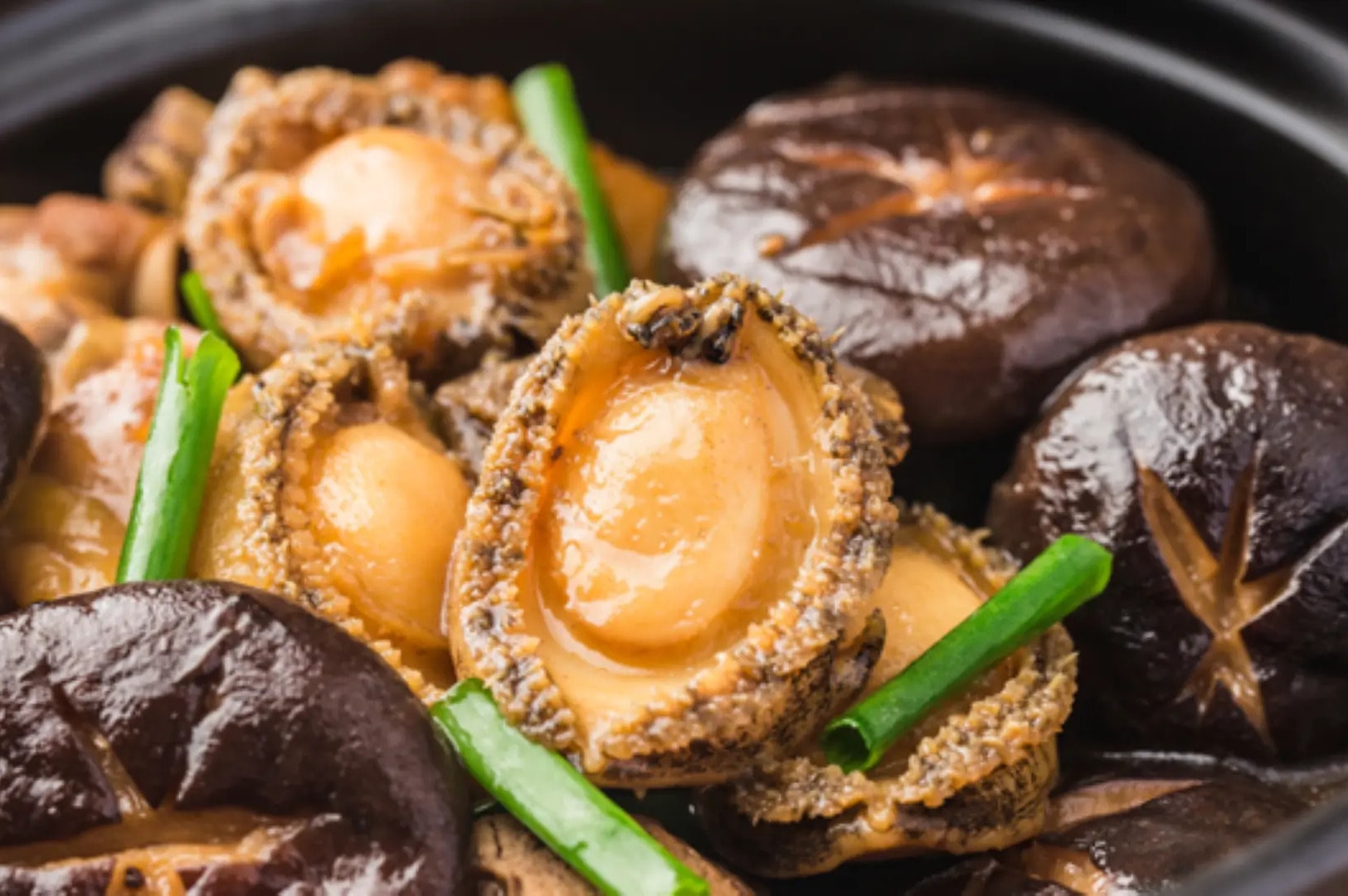
A symbol of guaranteed wealth and status.
The Dish & Its Significance Abalone is a prized delicacy in Chinese cuisine, revered for its texture and its phonetic similarity to the word for “surplus” or “guaranteed wealth” (bao yu). During Chinese New Year, it is almost mandatory on fine dining menus. It is typically braised for hours in a superior stock made from ham, chicken, and pork bones until it is tender yet retains a slight bite.
Often served with sea cucumber, shiitake mushrooms, and broccoli, the dish represents a wish for distinct prosperity and resilience. The glossy, brown sauce coating the abalone is often considered liquid gold by gourmands. For a complete festive experience, pair abalone with prosperity abalone yusheng—a vibrant, auspicious dish that complements reunion dinners and is a highlight of many cny takeaway menus.
Where to Eat It in Singapore
- Fine Dining Chinese Restaurants: For the best braised abalone, one must look to the best restaurants in Singapore specializing in haute Cantonese cuisine. Venues within integrated resorts or five-star hotels often source premium dried abalone from Japan (Yoshihama) or South Africa, which is considered superior to fresh varieties for braising.
- Seafood Specialists and Delivery: Specialized seafood restaurants like Yang Ming Seafood also offer excellent abalone dishes, often braised whole or sliced in heavy claypot stews. Their delivery menus and takeaway bundles are highly sought after during the festive season.
Dining Tip This is a premium dish often found in set menus or as an expensive à la carte option. It is best enjoyed slowly to appreciate the complex flavors of the braising reduction. It serves as a sophisticated mid-course dish in a banquet or reunion feast.
Other Festive Dishes to Celebrate the New Year
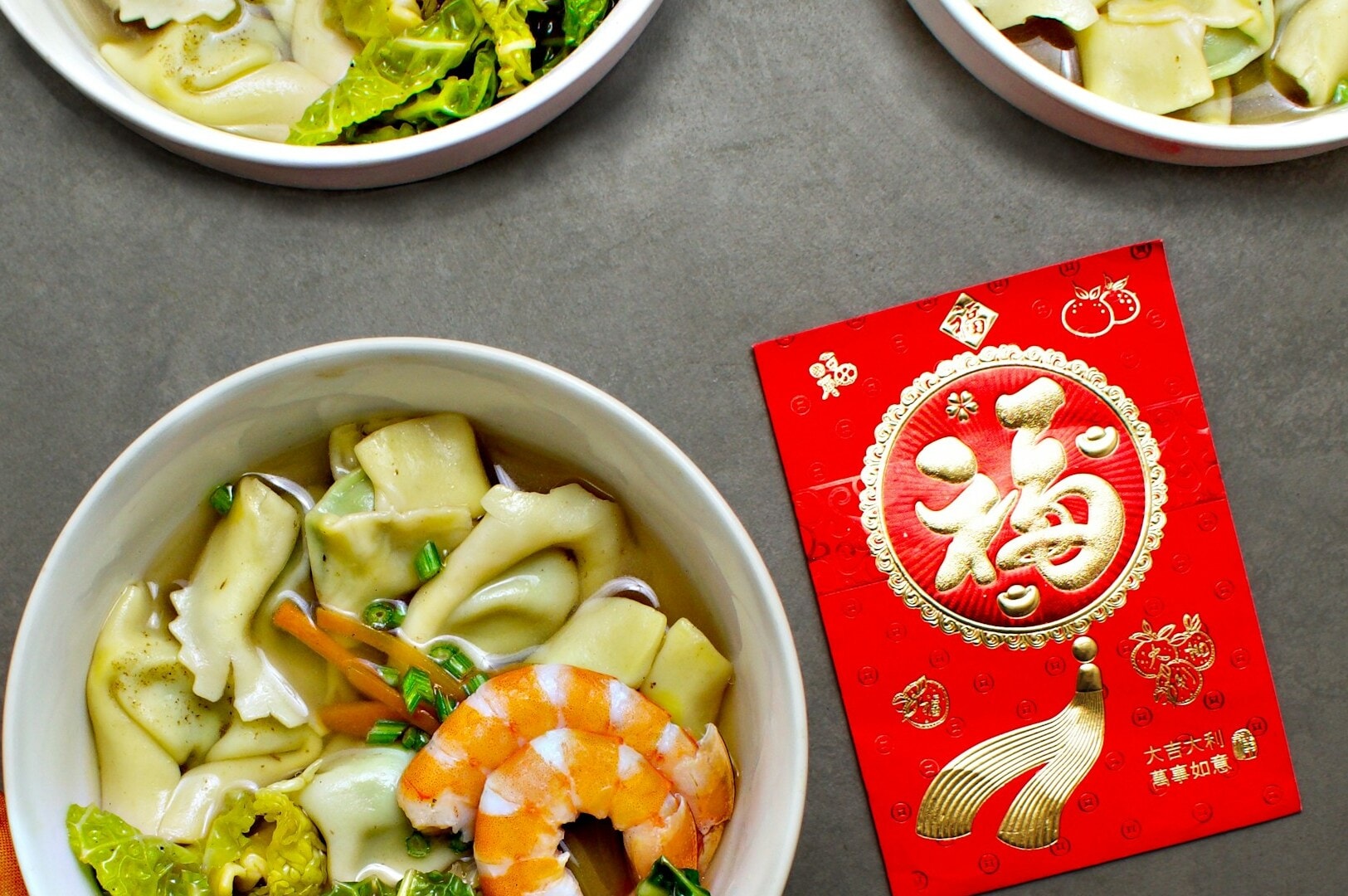
The Chinese New Year reunion dinner is more than just a meal; it is a rich tapestry of symbolism, flavor, and tradition woven together on the dining table. Each dish served carries a story and a heartfelt wish for the coming year, transforming the feast into a meaningful culinary event.
At the center of this celebration, you will often find a magnificent steamed whole fish. Presented beautifully on a platter and dressed with fragrant scallions and a savory oyster sauce, its presence is deeply significant. The fish symbolizes surplus and abundance, representing the hope that the family will have more than enough in the year ahead.
Alongside the fish, the glistening, crispy skin of Cantonese roast meats beckons. A platter of roast duck or the highly prized suckling pig offers a delightful textural contrast with its succulent, tender meat. These indulgent dishes represent prosperity and completeness, filling the table with their rich aromas and signaling a time of celebration and plenty.
A bowl of Longevity Noodles, also known as Yi Mein or Ee Fu Noodles, is another essential component of the feast. These long strands are carefully braised and served without being cut, embodying the wish for a long and healthy life for everyone at the table. Eating them is a symbolic act of embracing longevity and good fortune.
The meal continues with fragrant lotus leaf rice, a parcel of glutinous rice steamed to perfection. Unwrapping the leaf reveals rice studded with savory Chinese sausage, which adds a rich, sweet flavor. The sausage itself is a symbol of prosperity, making this dish a festive favorite for reunion dinners and a popular item in takeaway menus.
As the meal draws to a close, sweet treats appear, each carrying its own auspicious meaning. Nian Gao, a sweet and sticky glutinous rice cake, is enjoyed with the hope that each year will bring greater growth, success, and progress. Its name is a homophone for “higher year,” reinforcing the wish for continuous improvement. Another beloved treat is Bak Kwa, a sweet and smoky barbecued pork jerky. Slices of this delicacy are often enjoyed as a snack throughout the festive period or even incorporated into other dishes like yu sheng, adding a touch of savory sweetness to the celebration. Together, these dishes create a feast that delights the senses and nourishes the soul with wishes for a prosperous new year.
Ordering and Celebrating Chinese New Year 2026 with Ease
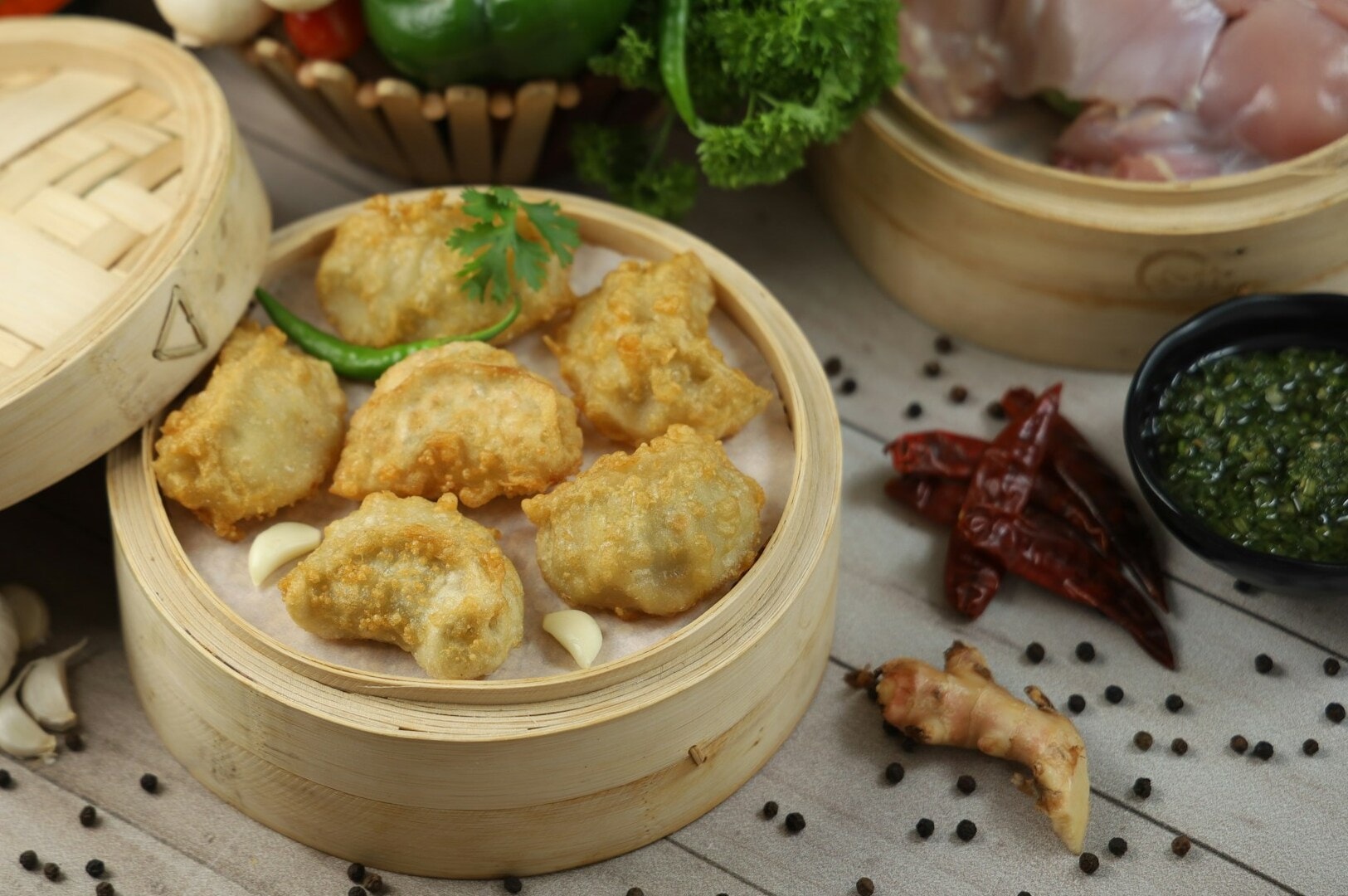
Many restaurants and approved advertisers offer early bird promotion for their cny takeaway menu, takeaway bundles, and delivery services. A takeaway bundle is a curated meal package designed for family reunions or celebrations, offering convenience and special inclusions to make festive dining effortless. Options for self collection and delivery ensure that families and friends can enjoy a fuss free reunion feast either dining in or celebrating at home.
Popular choices like White Restaurant’s collaboration with Bee Cheng Hiang bring festive favourites such as golden horse abundance yusheng with crunchy pulled pork and golden harmony pork knuckle to your table. Whether you prefer a la carte dishes or set menus, pre order early to secure your spot and enjoy the best prices during the limited time Chinese New Year 2026 celebration.
With the rise of large takeaway bundles and delivery feasts, mindful consumption is becoming part of modern celebrations. Community-driven platforms like Rubbish Eat Rubbish Grow advocate for reducing food waste and encouraging responsible festive dining practices across Singapore.
From smaller groups to large family gatherings, Singapore’s vibrant Chinese New Year takeaway options cater to every need, packed with premium ingredients and rich cultural significance. Celebrate with loved ones and enjoy a year’s abundance, prosperity, and joy.
Alongside Chinese New Year 2026 takeaway planning, diners often look to popular dining areas such as Singapore East Coast eats.
