Singapore has long been established as a global culinary powerhouse and a premier destination for a fine Chinese dining in Singapore experience. Among the many offerings, the island’s rich heritage shines through in its embrace of cantonese cuisine, originating from Guangzhou, the birthplace and cultural center of Cantonese culinary tradition, whose influence shapes Singapore’s fine dining scene, and other regional chinese cuisines, creating a sophisticated dining experience that appeals to discerning diners.
These two culinary pillars, Cantonese and Szechuan, have evolved within Singapore’s vibrant food scene. From traditional establishments in Chinatown to upscale cantonese restaurant venues along Orchard Road, chefs craft signature dishes that honor tradition while incorporating modern techniques. This blend ensures every meal at a chinese cantonese restaurant is an unforgettable experience.
Cantonese Cuisine: Timeless Elegance and Fresh Flavours
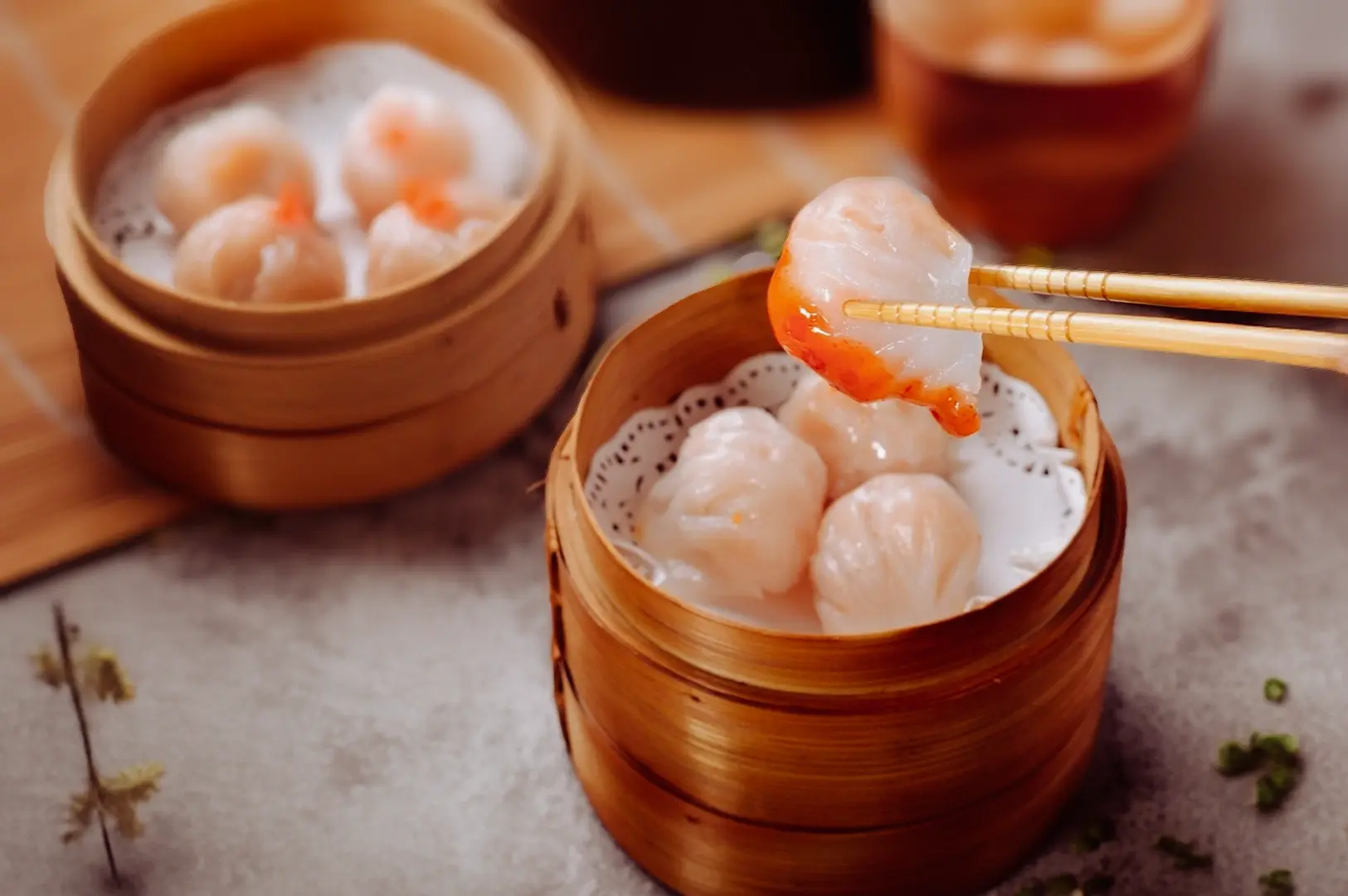
At the heart of cantonese cuisine lies the philosophy of preserving the original taste of fresh, high-quality ingredients. This fine dining approach emphasizes natural flavors, achieved through expert techniques like steaming and stir-frying over a hot wok to capture the elusive wok hei.
Kai Garden stands out as Singapore’s leading Cantonese fine dining restaurant, owned and helmed by award-winning Group Executive Chef Fung Chi Keung. With a 30-year culinary career, Chef Fung brings his passion for celebrating the legacy of Cantonese cuisine to every dish, ensuring authenticity and artistry in every detail.
Classic signature dishes such as dim sum, including har gow (shrimp dumplings), and expertly roasted meats like peking duck showcase the mastery of Cantonese chefs. Kai Garden serves a plethora of traditional Cantonese cuisine, including Peking Duck, dim sum, and Chinese fusion dishes. Seafood delicacies featuring abalone or seasonal delicacies like hairy crab elevate the menu further, satisfying even the most refined palates.
A cantonese restaurant in Singapore often pairs these dishes with thoughtfully curated teas and wine, enhancing the overall dining experience. Guests are invited to savour the refined Cantonese cuisine, with each course served with personalized attention to detail. The main dining hall and private dining rooms provide elegant settings for guests to indulge, whether for lunch, dinner, or special occasions such as weddings and corporate events. For special occasions, Kai Garden can create a menu according to unique specifications, ensuring a memorable and bespoke experience.
Cantonese fine dining in Singapore offers a cosmopolitan experience that appeals to discerning diners from around the world.
Szechuan Cuisine: Bold Flavours and Complex Spice
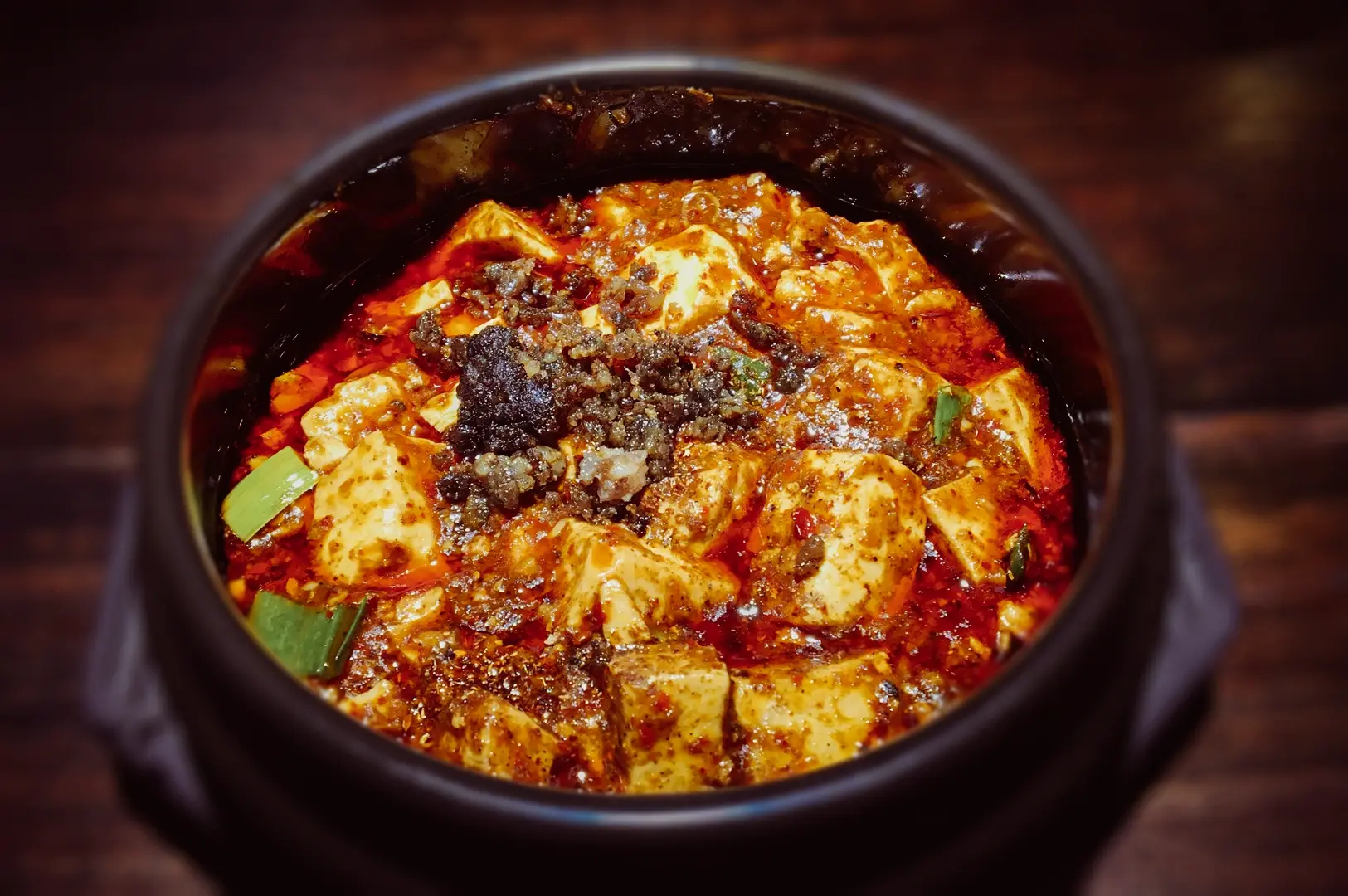
In contrast, Szechuan cuisine offers a bold and complex flavor profile characterized by the numbing and spicy sensation of málà. True Szechuan dishes balance the “seven basic flavors,” including sour, sweet, and salty, creating a multi-dimensional taste experience.
Upscale Szechuan restaurants in Singapore elevate street food classics like mapo tofu and kou shui ji into refined dishes, appealing to diners seeking a complete and nuanced chinese cuisine journey. The evolving spice profiles are crafted to tantalize the senses without overwhelming, making the cuisine accessible to a wide range of guests.
Elevating the Singapore Chinese Fine Dining Scene
Singapore’s multicultural environment encourages innovation within the chinese fine dining restaurant landscape. Chefs source premium and fresh ingredients from China and local suppliers, blending tradition with local flavors such as pandan and calamansi. This fusion creates a unique Singapore style that honors the rich heritage of Chinese cookery.
Singapore’s Chinese fine dining restaurants, such as Imperial Treasure, have achieved recognition similar to those featured in the Shanghai Michelin Guide, reflecting the global influence and high standards of the local scene. Imperial Treasure is a Michelin-starred Chinese restaurant in Singapore, renowned for serving the finest and most authentic iteration of Super Peking Duck.
The presentation has transformed from communal platters to individual plating, offering a more curated tasting experience. Younger chefs trained in both Chinese and Western culinary traditions lead this evolution, introducing artisanal beverages and expanding beyond traditional tea pairings.
What to Expect at Cantonese and Chinese Fine Dining Restaurants in Singapore
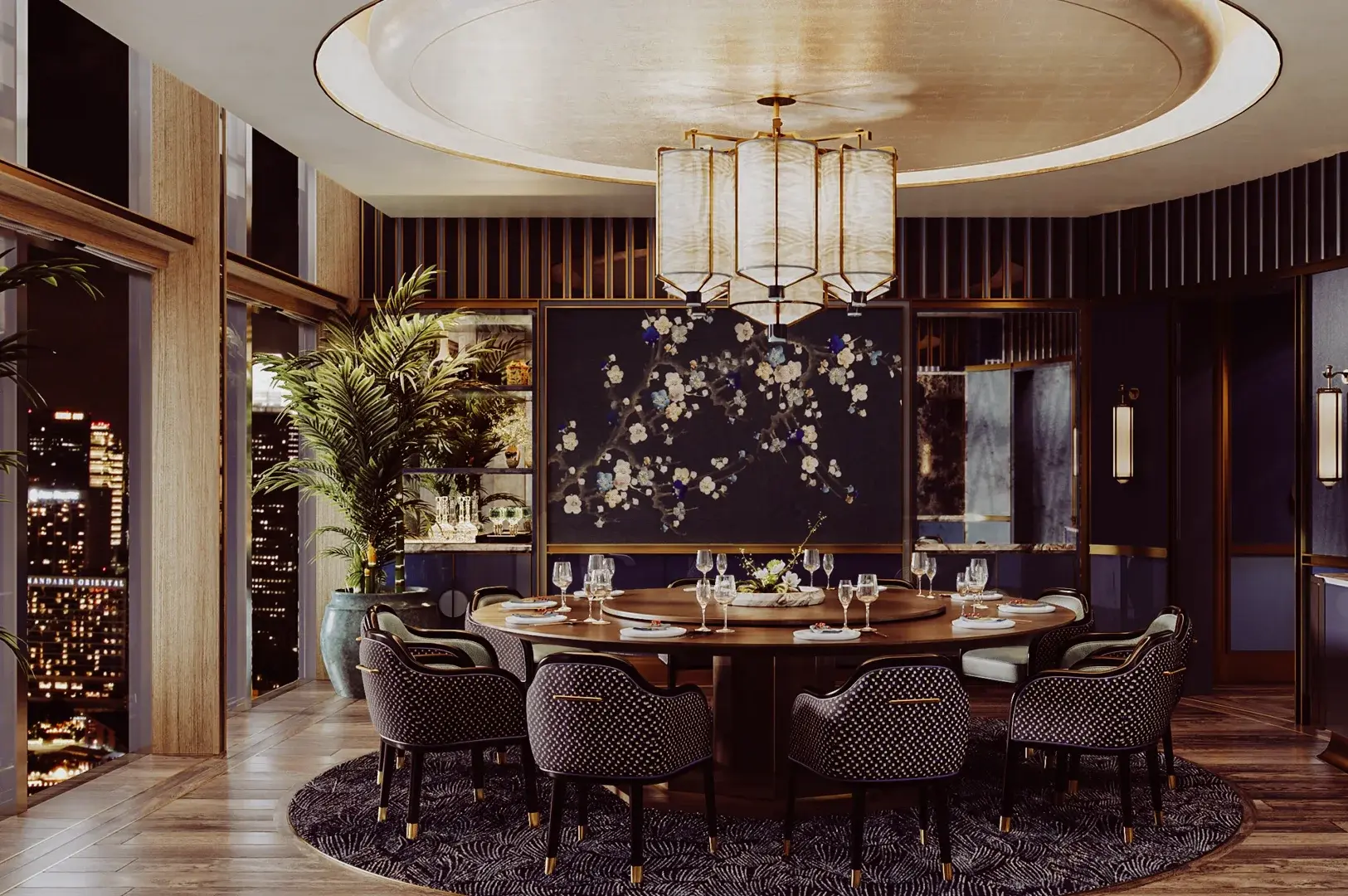
Guests visiting a top-tier chinese cantonese restaurant should plan ahead with reservations, especially during public holidays or for special occasions. Many restaurants have a minimum spend policy, particularly in private rooms or private dining rooms designed for intimate gatherings or large groups. Specialized table setups, such as round tables for family-style dining or private rooms with exclusive table arrangements, are available to enhance the dining experience and accommodate different group sizes.
Restaurants can also host private events, celebrations, and corporate gatherings, making them ideal venues for special occasions and exclusive functions. For reservations, private events, or menu customization, guests are encouraged to contact the restaurant directly for personalized assistance.
It is easy to visit these restaurants, as they are conveniently located and accessible by various means of transport. Some establishments offer dining vouchers through their online store, with limited time promotions available for added value.
Man Fu Yuan accommodates up to 172 guests and features several elegantly appointed private dining rooms to suit various needs. Man Fu Yuan is lauded as one of Singapore’s best Chinese restaurants and is led by Chef Aaron Tan, who has over 20 years of culinary experience.
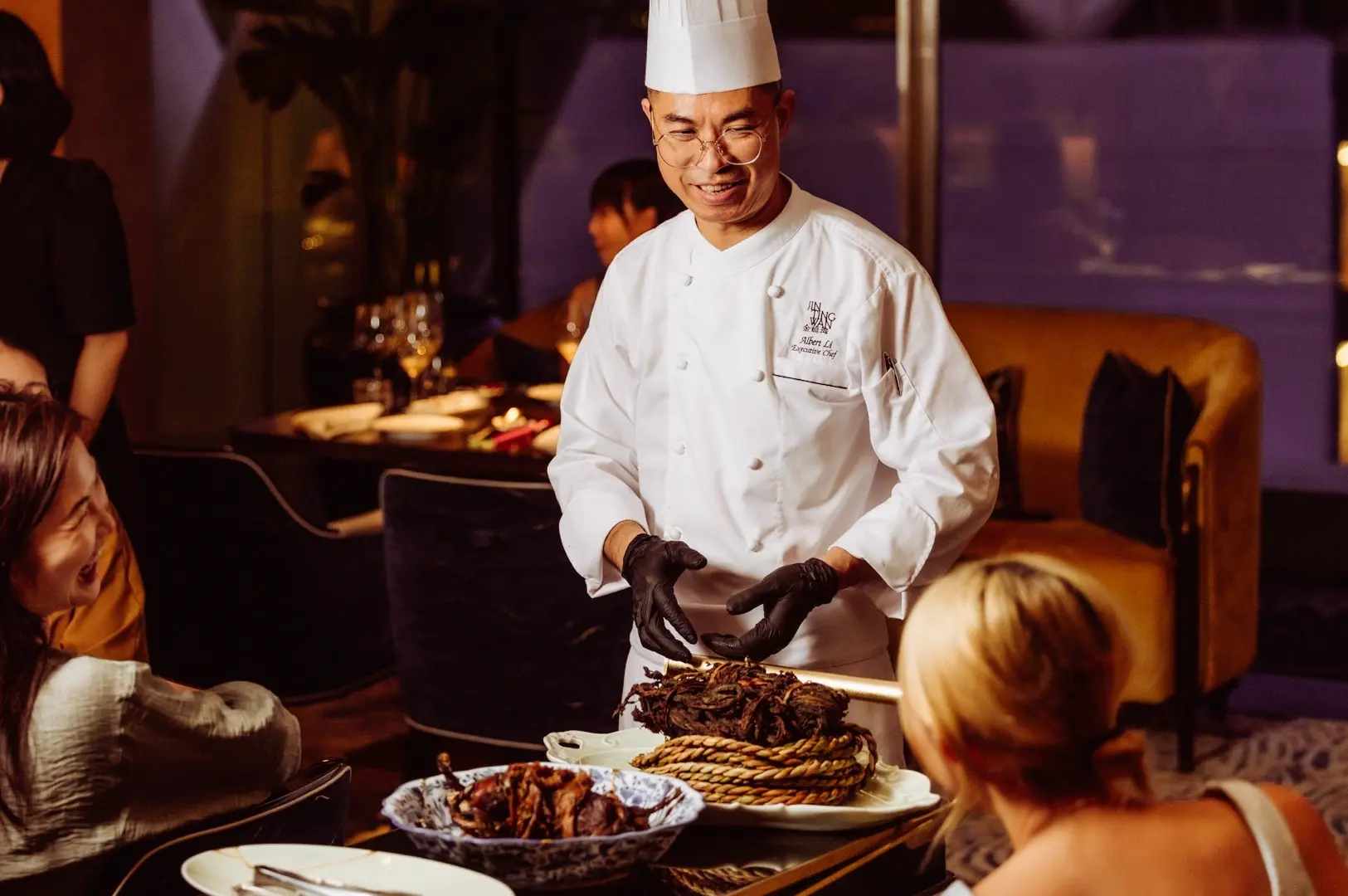
Jin Ting Wan is designed with Song Dynasty-inspired architecture and offers breathtaking views from Level 55, along with a collection of opulent private dining rooms, suites, and an exclusive Chef’s Table. Jin Ting Wan presents an exquisite menu that embodies the essence of Cantonese culinary heritage, reimagined for modern connoisseurs, and Executive Chef Albert Li employs haute cuisine techniques and regional Chinese culinary inspirations.
Kai Garden has a function room that accommodates up to 60 seats and four private rooms for smaller parties of four to 16 people each.
Menus are often thoughtfully curated, featuring seasonal delicacies and signature dishes that highlight the essence of Cantonese and other Chinese cuisines. The last seating and last order times are strictly observed to maintain service quality. Dress codes may apply; diners are advised to wear collared shirts and avoid casual attire such as flip flops to match the venue’s timeless elegance.
Whether enjoying a leisurely lunch with family or an elegant dinner in the main dining hall, guests can expect impeccable service, exquisite flavors, and a harmonious blend of tradition and innovation. Many restaurants also offer takeaway options for those wishing to savor the experience at home.
Conclusion
Singapore’s Chinese fine dining scene is a dynamic fusion of heritage and modernity. From the delicate art of Cantonese cooking to the bold spices of Szechuan cuisine, the city offers a complete culinary journey. Whether in a grand cantonese restaurant or a cozy private dining setting, diners are invited to discover and indulge in an unforgettable experience that elevates the senses and celebrates the art of Chinese cuisine.
