Singapore’s identity is inextricably linked to its food. As a multicultural hub, the island’s culinary landscape is a rich mosaic of Chinese, Malay, Indian, and Eurasian influences, creating a unique and vibrant Singapore restaurant scene. For visitors and new residents, the sheer variety can be as exhilarating as it is overwhelming. But to truly appreciate dining in Singapore, one must look beyond the Michelin stars and famous food stalls.
Understanding the local dining knowledge—the unwritten rules, the social rhythms, and the cultural nuances—is the key to unlocking a more profound and authentic experience. Singapore dining culture is a dynamic blend of pragmatism, community, and a shared national passion for good food. This article offers an insider’s perspective on how Singaporeans eat, providing practical insights to help you navigate the city’s dining landscape with the confidence of a local.
Chicken Rice and Maxwell Food Centre: The Heart of Hawker Culture
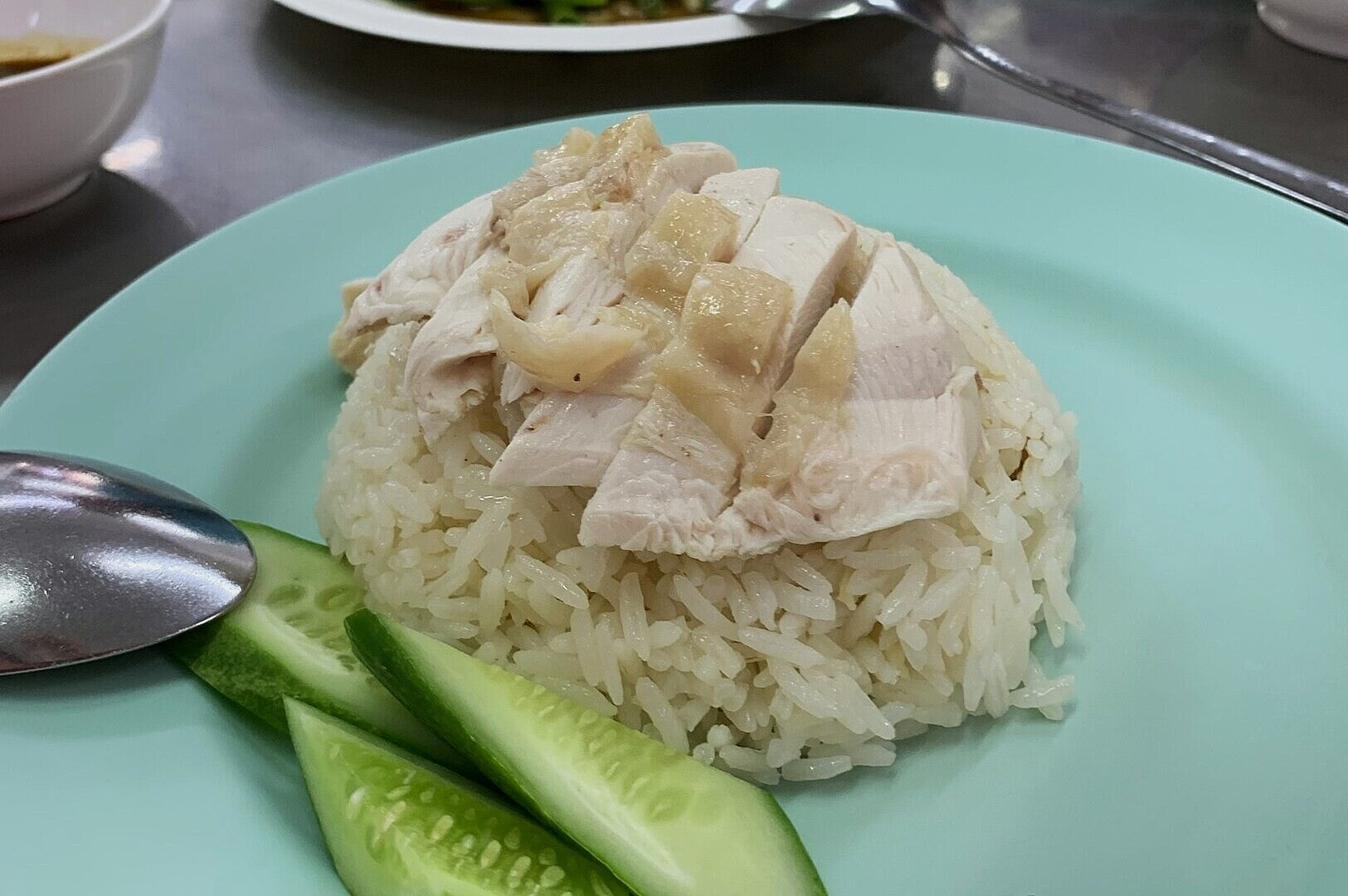
To grasp the local approach, it is essential to understand the dual ecosystem that defines the Singapore food culture: the hawker centres and restaurants. Hawker centres, such as the famous Maxwell Food Centre, are the nation’s bustling community dining rooms—affordable, informal, and deeply ingrained in daily life. Maxwell Food Centre is one of the most accessible hawker centres in Singapore, located in Chinatown. Here, iconic dishes like chicken rice, with its tender poached chicken and flavorful rice cooked in chicken broth, reign supreme. Hawker stalls also offer fried chicken, fried tofu, and roast meats like char siu and pork belly glazed with dark soy sauce. The prices at hawker centres are generally low, making them attractive to both locals and tourists, and most dishes are affordably priced. Hawker centres often have long queues, indicating the popularity of certain stalls and dishes. Many hawker stalls have been operating for decades, contributing to their reputation and popularity among locals. Hawker centres are a staple of Singaporean culture, offering a mix of local and international cuisines at affordable prices. Notably, Tian Tian Hainanese Chicken Rice is a popular stall at Maxwell Food Centre, known for its flavorful chicken rice. Some stalls even have a sister restaurant elsewhere in Singapore, expanding their culinary reach and brand recognition.
Restaurants in Singapore range from casual eateries to fine dining establishments, providing more specialized experiences. Many best restaurants blend traditional flavors with modern culinary techniques, often serving Peranakan food, a unique fusion of Malay and Chinese origins.
Chili Crab and Chilli Crab: Signature Dishes to Savor
Among Singapore’s signature dishes, chili crab stands out as a signature dish of Singapore. This iconic dish features fresh crabs cooked in a thick, sweet, and tangy chilli sauce made with coconut milk, chili sauce, and spices, often served alongside fried mantou buns to soak up the sauce. Chili crab is often referred to as one of Singapore’s national dishes, featuring crabs cooked in a thick, sweet, and tangy chili sauce. Another popular seafood dish is black pepper crabs, which are coated in a spicy garlic butter and black pepper sauce.
Food Centre Favorites: Char Kway Teow, Hokkien Mee, and Bak Kut Teh
Singapore’s food centres are treasure troves of delicious food. The stir-fried noodle dish char kway teow features flat rice noodles tossed with egg noodles, shrimp, Chinese sausage, blood cockles, and bean sprouts, all seasoned with soy sauce and chili. Similarly, hokkien mee blends egg and rice noodles stir-fried with prawns and squid, often enjoyed with a squeeze of lime juice and a dollop of spicy sambal.
Laksa is one of Singapore’s most beloved dishes, known for its spicy noodle soup made with rice noodles and a rich coconut milk curry broth. This popular dish combines Chinese and Malay flavors, featuring rice noodles in a spicy coconut-based curry broth and is commonly served with fish cake and blood cockles. Sungei Road Laksa is a well-known hawker stall famous for its traditional laksa, which is cooked over charcoal and served with fish cake and blood cockles.
Bak kut teh, which literally translates to “meat bone tea,” is a comforting pork rib soup simmered with herbs and pork bones. Traditionally eaten with fragrant rice—and in some premium versions, basmati rice is used for its aroma and fluffy texture—this dish is a staple at many hawker stalls and best hawker stalls across the city. Ng Ah Sio is a well-known restaurant for bak kut teh, offering a comforting bowl of pork ribs in a flavorful broth.
Carrot Cake and Bak Chor Mee: Classic Hawker Staples
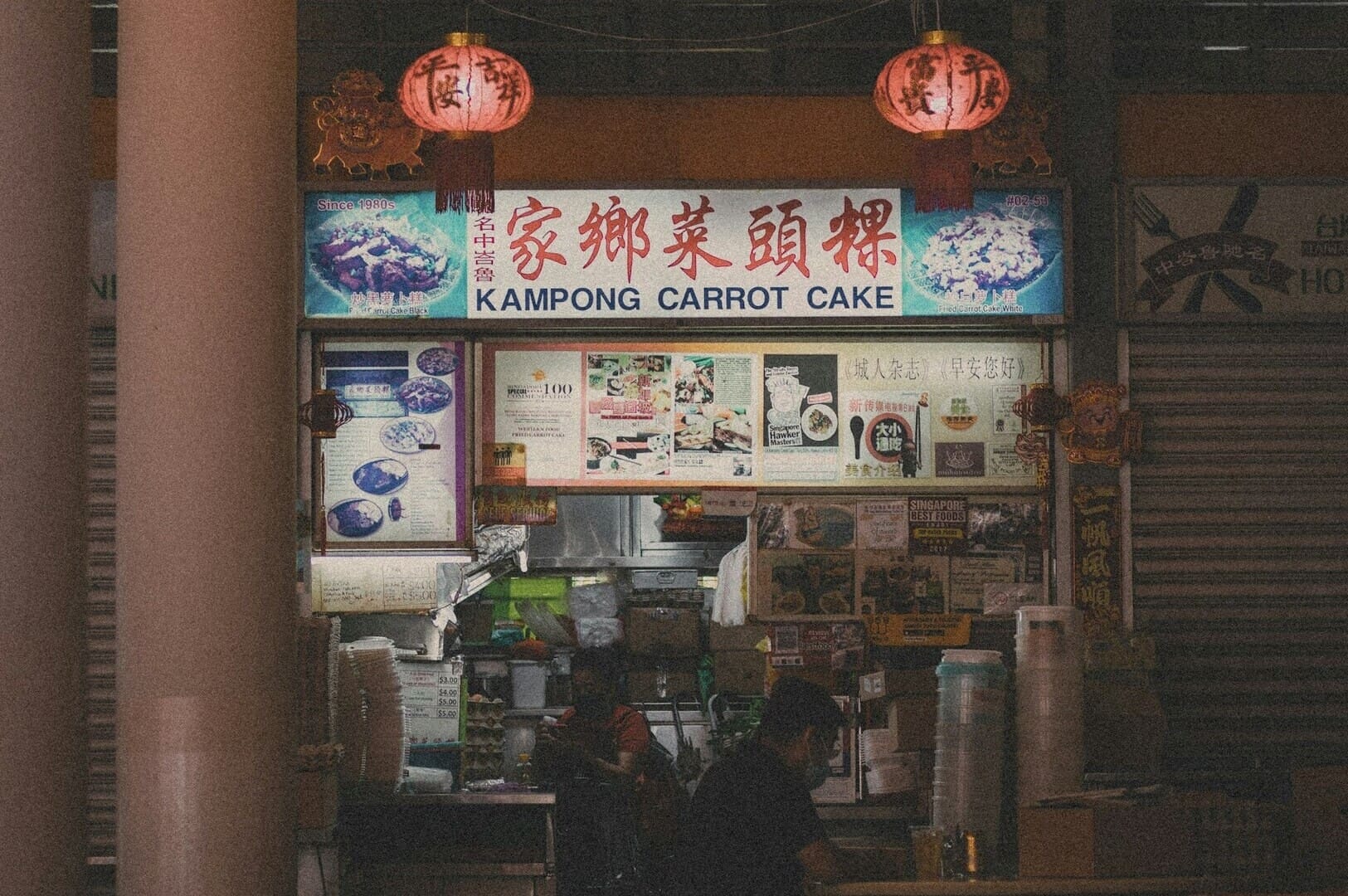
No visit to a hawker centre is complete without trying carrot cake, a savory dish made of steamed rice cakes stir-fried with eggs, preserved radish, and sometimes topped with crispy bits of pork lard. Despite the name, it contains no carrots but is a beloved popular dish. At hawker centres, most dishes are affordably priced, making it easy to sample a variety of local favorites.
Bak chor mee is another classic, a noodle dish served dry with minced pork, mushrooms, and vinegar-based sauce, often garnished with pork lard and crushed peanuts. It is a must-try at many hawker stalls and is frequently recommended via the Grab app and Grab Dine services.
Kaya Toast and Other Casual Meals at Coffee Shops
For breakfast or a quick snack, Singaporeans love their kaya toast—toasted bread spread with coconut and egg jam, often paired with soft-boiled eggs seasoned with pureed ginger and a cup of strong local coffee from a traditional coffee shop or kopitiam. This simple yet satisfying meal is typically served with a side of condensed milk and is a perfect example of Singapore’s blend of cultures.
Malay dishes are also popular choices, such as Nasi Lemak, a traditional Malay dish consisting of fragrant rice cooked in coconut milk, served with sambal, fried anchovies, and other accompaniments. Another favorite is murtabak, a stuffed flatbread that is popular in Singapore, typically filled with spiced meat and served with curry sauce.
Other casual meals include roti prata, a flaky, crispy flatbread served with curry, and yong tau foo, a dish of stuffed tofu and vegetables served in broth or dry.
For dessert, shaved ice treats like ice kacang are especially popular, known for their fine texture and variety of colorful toppings and syrups, making them a refreshing way to end a meal.
Exploring Hawker Centres and Best Hawker Stalls
Hawker centres are the heart of Singapore’s food culture, offering a variety of dishes like nasi lemak, which features fragrant rice cooked in coconut milk and pandan leaves, accompanied by spicy sambal, fried fish, and beef rendang. Other must-try dishes include oyster omelette, fried fish, and minced pork specialties.
These centres are also places to find exceptional food like glutinous rice desserts, rice cakes, and sweet treats made with palm sugar and topped with crushed peanuts.
Best Restaurants and Unique Dining Experiences
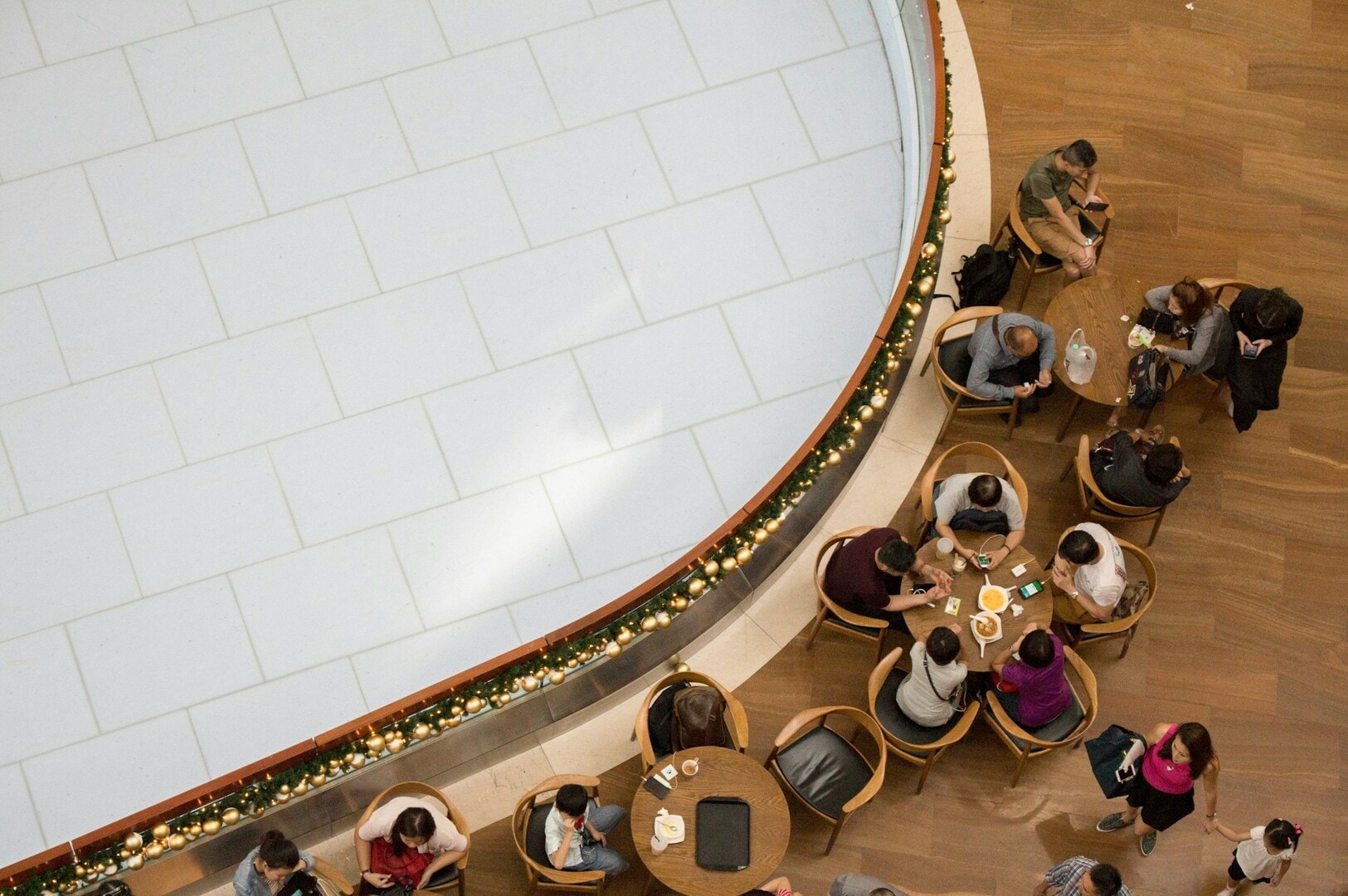
Beyond hawker centres, Singapore boasts many best restaurants offering innovative menus and exceptional service. Many restaurants in Singapore are known for their unique culinary concepts and fusion dishes that reflect the country’s multicultural heritage. The city is also home to numerous Michelin-starred restaurants, showcasing high-quality dining experiences.
From the historic Raffles Hotel to modern wine bars—which play a key role in elevating the dining experience, especially when paired with Peranakan cuisine by offering expertly curated wine pairings—and Cheek Bistro, a distinguished restaurant celebrated for its Australian-inspired cuisine and creative dishes led by notable chef Rishi Naleendra, the city’s dining scene caters to all tastes and budgets.
Fine dining in Singapore can be found in various upscale restaurants that offer innovative menus and exceptional service, with some top-rated restaurants offering acclaimed Chinese tasting menus with innovative dishes in intimate settings. A great restaurant in Singapore is often a highly recommended dining spot known for its signature dishes and welcoming atmosphere.
Whether you’re indulging in a luxurious meal or savoring casual meals at a hawker stall, Singapore’s culinary landscape promises incredibly tasty, authentic experiences that reflect its rich heritage and passion for food.
Conclusion
Embracing the local dining customs Singapore has to offer enriches your culinary journey far beyond just the food on your plate. By understanding the social etiquette, navigating reservations like a local, and exploring neighborhood gems, you participate in a culture where food is the ultimate expression of community and identity.
Adopting the Singaporean approach to dining—embracing flexibility, sharing with generosity, and showing cultural awareness—will transform your meals from simple transactions into memorable experiences. It allows you to connect with the city on a deeper level, one delicious, authentic bite at a time.
