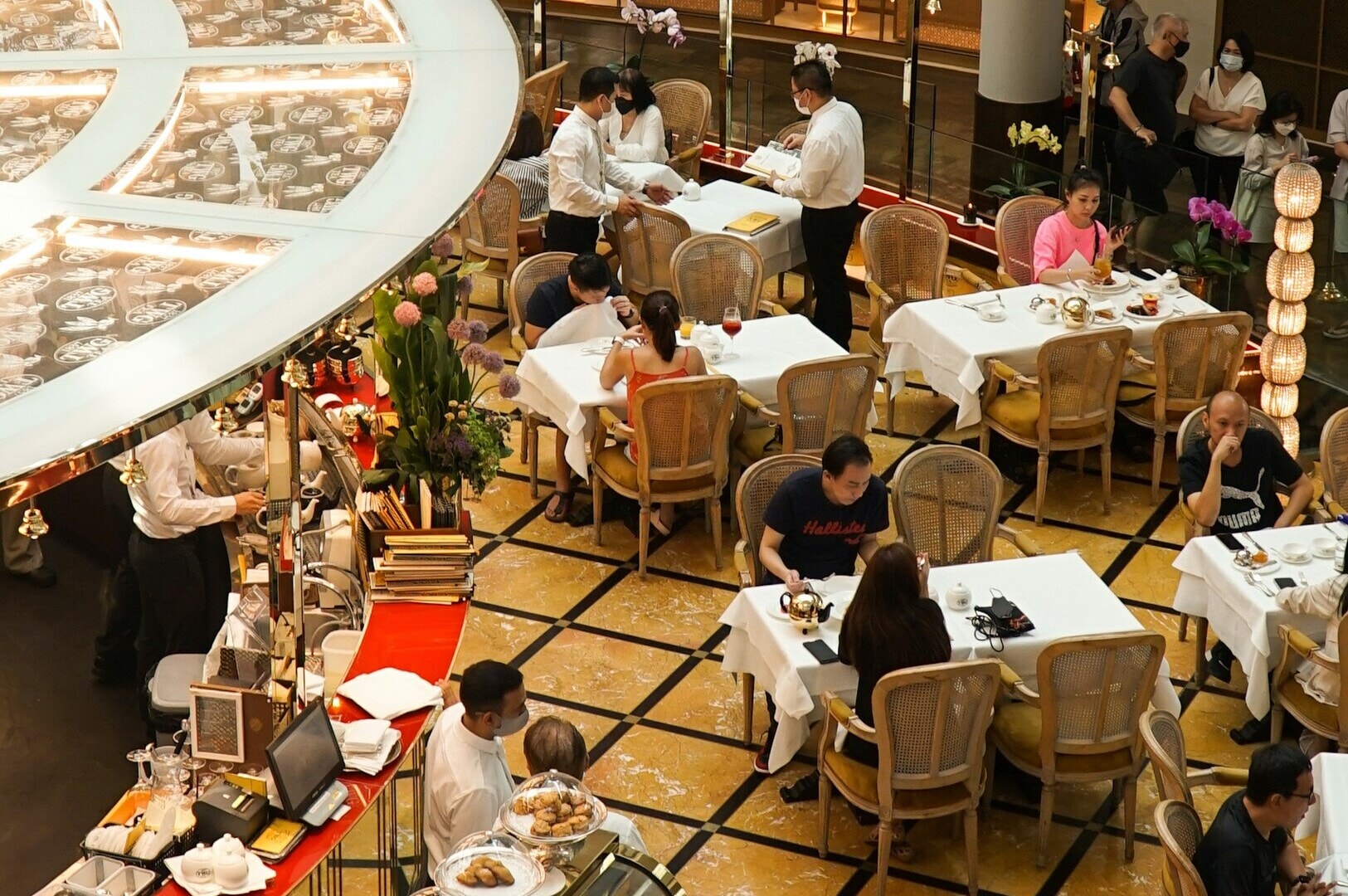
Singapore’s identity is deeply intertwined with its food. To eat in Singapore is to experience a vibrant mosaic of cultures, histories, and flavors served on a single plate. Singaporean food is a dynamic blend of traditions shaped by generations of immigrants, resulting in a culinary landscape unlike any other. This food story is told in two distinct ways: through time-honored heritage establishments that guard centuries-old recipes, and through modern Singapore restaurants that reinterpret these classics for a new era.
Finding the perfect best Singaporean restaurant Singapore can feel like a delicious challenge. Exploring the Singapore restaurant scene opens up a world of diverse food experiences, from local favorites to renowned venues across the city. Do you seek the comforting embrace of a traditional eatery or the exciting twist of a contemporary kitchen? In this guide, we will navigate both paths. We will explore the deep roots of Singapore food heritage, celebrate the keepers of traditional Singaporean cuisine, and discover the innovators pushing its boundaries. Prepare to uncover the best of both worlds. Singapore offers a wide range of dining options, from affordable hawker stalls to high-end restaurants, ensuring there is something for every taste and budget.
Understanding the Heart of Singaporean Cuisine and Hawker Centres
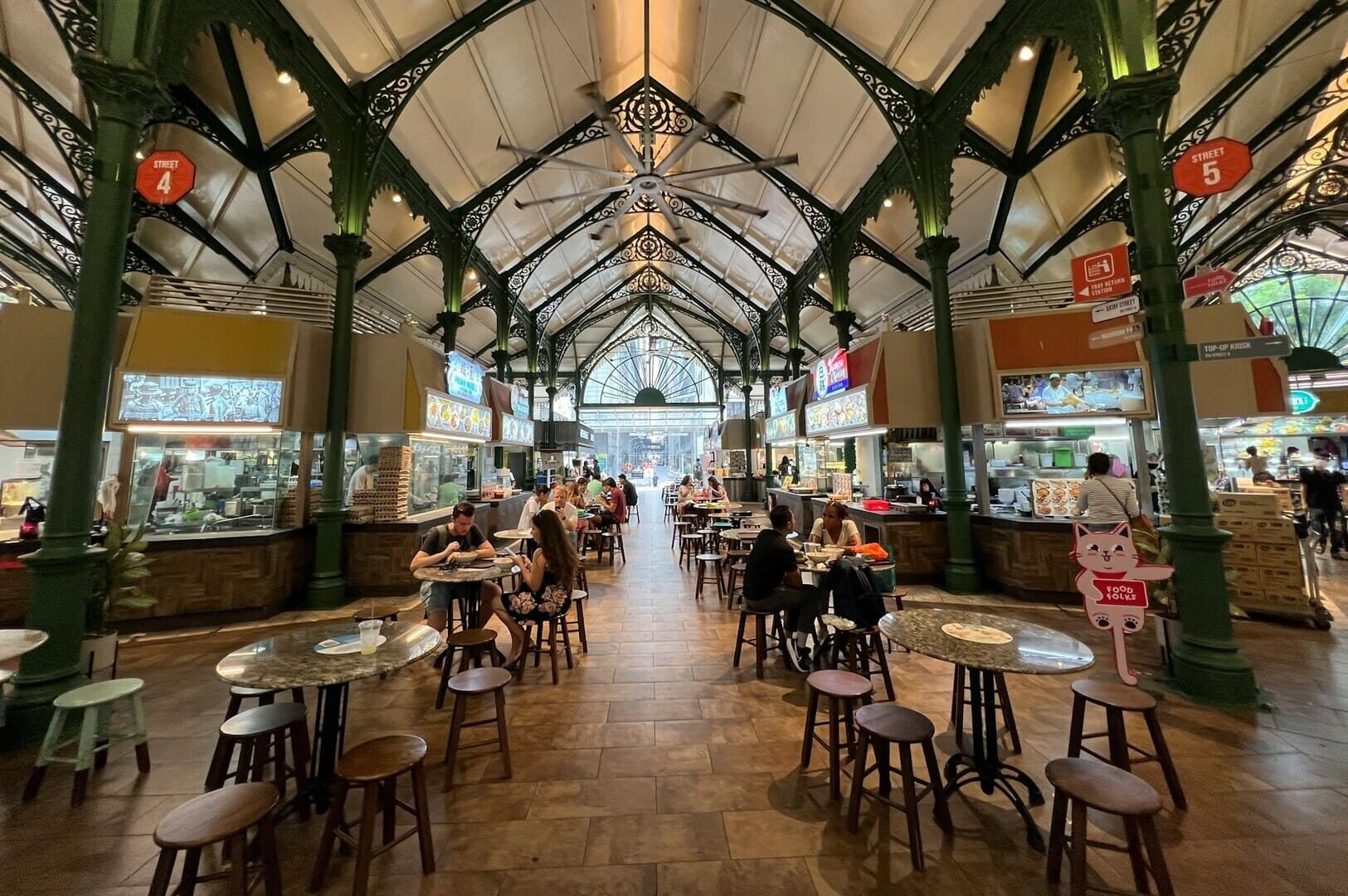
What makes Singaporean food so unique? It’s a cuisine born from a melting pot. The primary flavors are a symphony of sweet, sour, salty, and spicy notes, often balanced with the fragrant aroma of herbs like pandan, lemongrass, and galangal. This rich tapestry is woven from diverse cultural threads and is best experienced at the many vibrant hawker centres scattered across the city.
These hawker centres are popular with many locals, who frequent them for their daily meals. Hawker centres in Singapore serve a variety of local dishes at affordable prices, often under $5, making them a preferred choice for many Singaporeans due to the affordability and variety offered.
The Pillars of Local Flavor in Hawker Stalls
Singapore’s hawker cuisine is a rich blend of four main influences. Chinese immigrants gave us classics like Hainanese chicken rice, bak kut teh, and beloved noodle dishes such as bak chor mee and wanton mee. The Malay foundation adds fragrant depth with dishes like nasi lemak—coconut-rich rice paired with spicy sambal—and tender beef rendang, both marked by aromatic spices and coconut milk. Indian migrants contributed their mastery of spice in robust curries, soft roti prata, and innovations like fish head curry—a uniquely local favorite. Finally, Peranakan cuisine bridges Chinese and Malay heritage: bold, tangy creations such as laksa and ayam buah keluak are hallmarks of this vibrant culture. Together, these influences make Singapore’s hawker scene uniquely diverse and distinctly Singaporean.
Preserving this rich Singapore food heritage is crucial. Authentic local Singaporean restaurants and hawker stalls act as living museums, ensuring that these invaluable recipes and the stories behind them are not lost to time. They provide a direct link to our past, allowing each generation to taste history.
Heritage Restaurants Singapore: A Taste of Tradition and Chicken Rice Culture

A heritage establishment is more than just an old restaurant; it’s a cultural institution. These are often family-run businesses, some spanning multiple generations, where recipes are sacred heirlooms. They are guardians of traditional Singaporean cuisine, committed to preserving the authentic flavors that define our nation’s palate.
The Art of Time-Honored Cooking at Hawker Stalls and Food Centres
At Singapore’s heritage establishments, cooking is a craft perfected over decades, where complex broths and hand-ground rempah (spice paste) honor original recipes. This unwavering dedication to consistency defines icons like Zam Zam in Kampong Glam. A legendary institution since 1908, it continues to draw crowds with its massive murtabak and nasi biryani, served in a bustling, no-frills atmosphere that remains part of its timeless charm. Similarly, Guan Hoe Soon Restaurant in Joo Chiat offers an intimate glimpse into history as one of the oldest Peranakan restaurants, serving authentic classics like ayam buah keluak that feel like a home-cooked family meal.
The legacy continues into the late hours at Swee Choon Tim Sum Restaurant, a Jalan Besar favorite since 1962 where core items like mee-suah kueh remain unchanged. For a broader taste of hawker history, the accessible Maxwell Food Centre near Tanjong Pagar MRT stands as a pillar of the scene. Home to famous names like Tian Tian Chicken Rice, it is celebrated for its Hainanese chicken rice and oyster omelettes. Whether dining in a historic shophouse or a busy food centre, the experience is unpretentious and communal—a celebration of honest food steeped in history.
Modern Singaporean Restaurants: Innovation on a Plate and Char Kway Teow Creativity
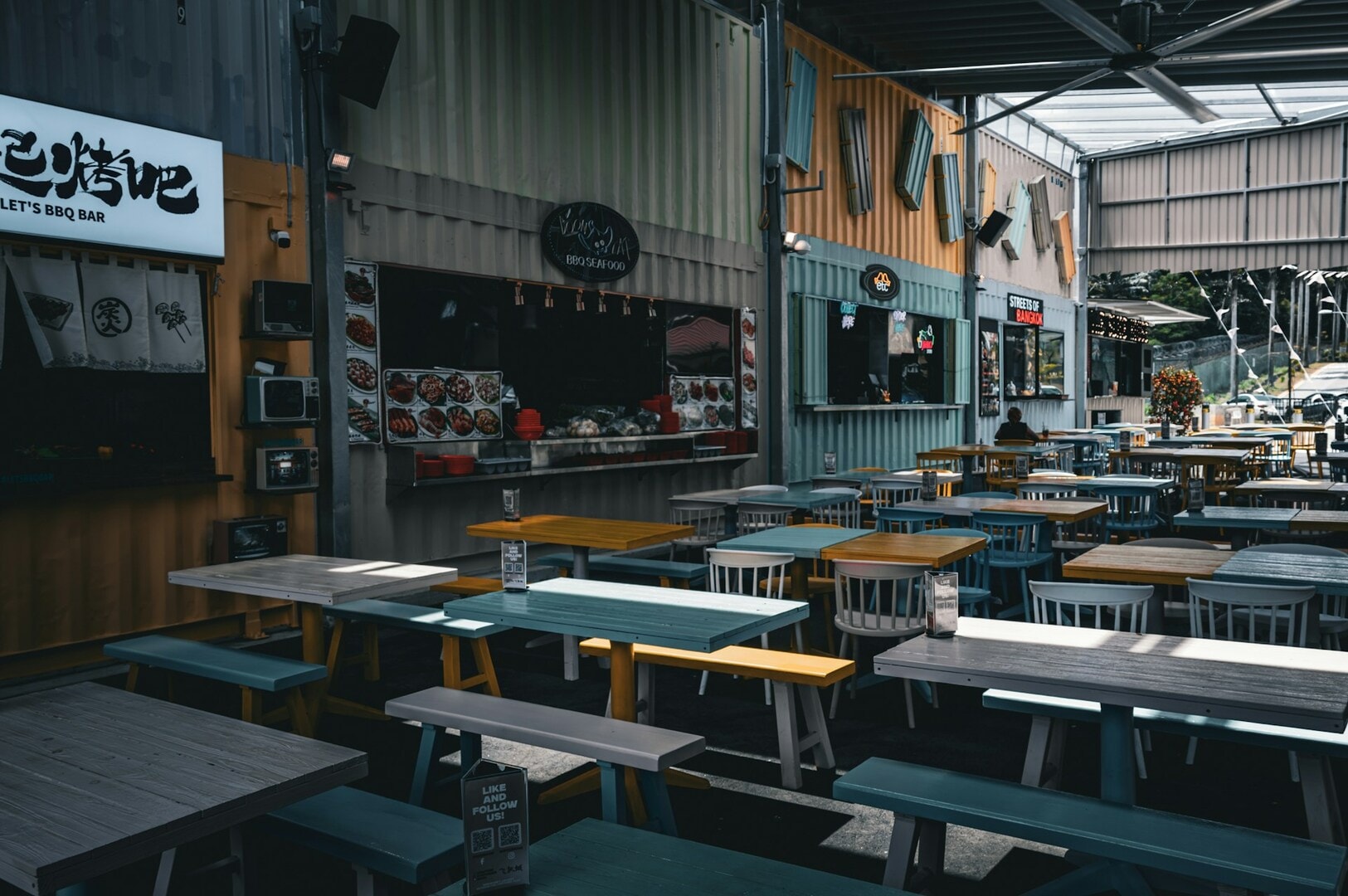
While heritage is the foundation, innovation is the future. A new wave of chefs is reimagining traditional Singaporean cuisine, creating dishes that are both familiar and surprisingly new. These modern Singaporean restaurants are not about abandoning tradition but about viewing it through a contemporary lens. The creativity and variety on offer often tempt diners to order the whole menu to experience the full range of innovative dishes. If you’re planning to explore several of these modern Singaporean restaurants, using Google Map can help you organize an efficient and enjoyable food tour as the scene continues to evolve and excite.
Honoring Tradition Through Bold Flavors and Modern Techniques
Chefs deconstruct classic dishes to their essential components and rebuild them with modern techniques and unexpected ingredients. They might present laksa as a sophisticated pasta dish or transform Hainanese chicken rice into a delicate roulade. Fusion is often part of the conversation, but the best modern interpretations maintain a clear respect for the authentic flavors at their core.
Innovative presentations and creative dining concepts are hallmarks of this movement. You might find yourself in a chic, minimalist space in the Central Business District or a trendy eatery along Orchard Road or the Singapore River. Popular modern spots include:
- Labyrinth: This Michelin-starred restaurant offers a “New Singaporean” tasting menu that elevates local dishes to fine-dining art. Chef LG Han’s creations are playful yet deeply rooted in his grandmother’s cooking.
- Po: Located in The Warehouse Hotel, Po focuses on elevating “Popo’s” (grandmother’s) recipes. Its signature dish is a refined version of popiah, where diners assemble their own fresh spring rolls at the table.
- Candlenut: As the world’s first Michelin-starred Peranakan restaurant, Candlenut refines traditional Nyonya flavors with a modern touch, offering both classic dishes and inventive tasting menus in a refined setting in Dempsey Hill.
These establishments prove that innovation and heritage can coexist beautifully, ensuring that Singaporean cuisine continues to evolve and excite.
What to Order at a Singaporean Restaurant in Singapore: Signature Dishes and Street Food Staples
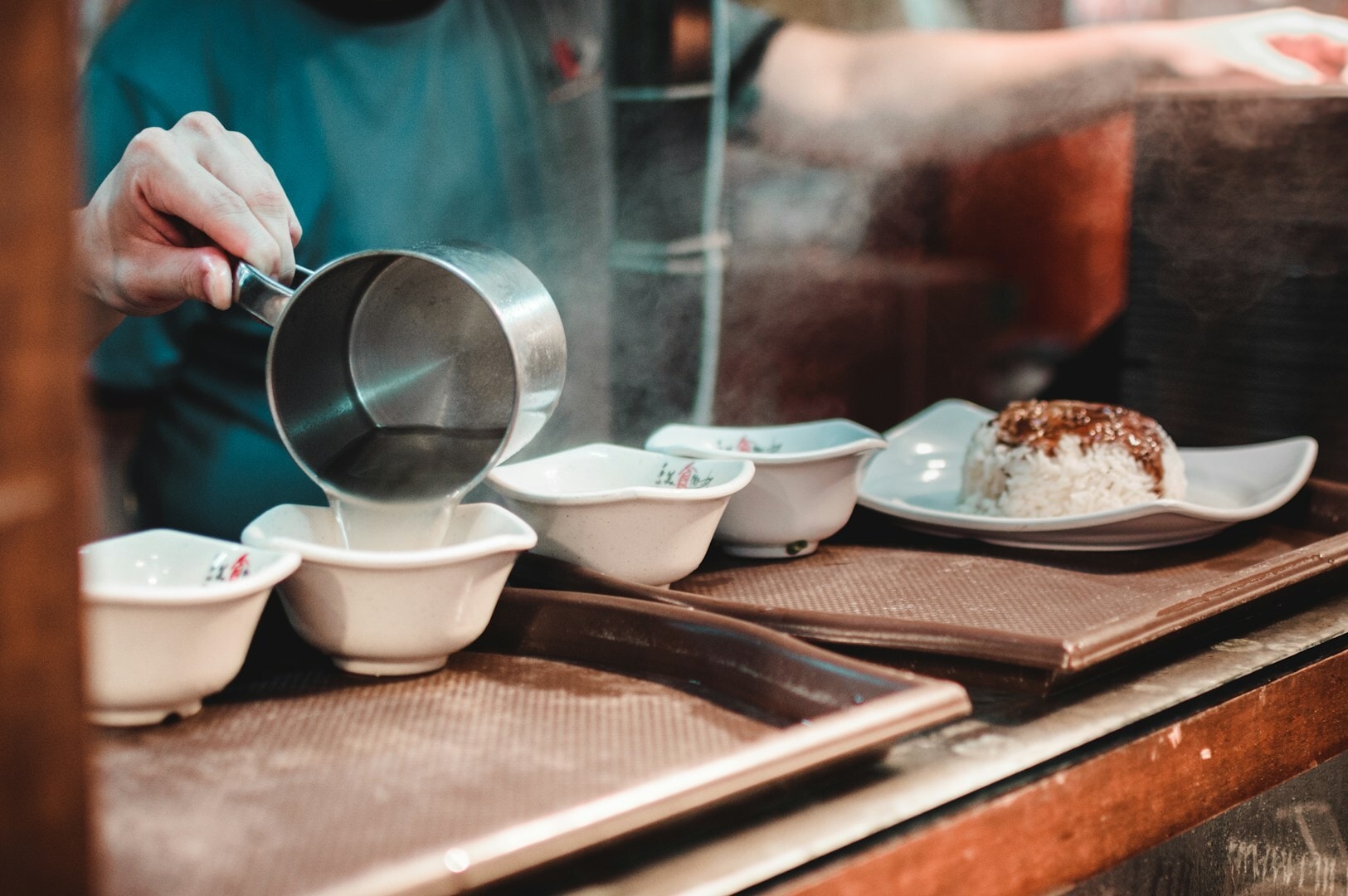
Whether you choose a heritage spot or a modern eatery, certain dishes are essential to the Singaporean dining experience. Must-try items like Hainanese chicken rice and nasi lemak are considered popular dishes, celebrated for their widespread appeal and cultural significance. These offerings are often described as incredibly tasty, thanks to their flavorful seafood and meat preparations.
Dining in Singapore can range from inexpensive hawker food to expensive fine dining experiences.
Here is a guide to help you order the best Singaporean food Singapore proudly serves.
Must-Try Classics from Hawker Centres and Food Centres
Navigating Singapore’s hawker centres is akin to exploring a living museum of culinary heritage. The journey often begins with the undisputed national favorite, Hainanese Chicken Rice. This deceptively simple dish of poached chicken, fragrant rice cooked in chicken stock, and a trio of dipping sauces—chili, dark soy, and pureed ginger—is the gold standard of comfort food. For many, a plate at Maxwell Food Centre (home to Tian Tian) defines the Singaporean dining experience.
As the day heats up, so do the flavors. Laksa offers a spicy, coconut-rich embrace, with variations ranging from the spoon-friendly, cut-noodle style at 328 Katong Laksa to the charcoal-cooked, mild creaminess of Sungei Road Laksa. It is a bowl that demands attention, much like Chili Crab, a communal feast best enjoyed with hands (and an apron). Whether at JUMBO Seafood or a vibrant spot like Newton Food Centre, the experience involves cracking shells to reach sweet meat coated in a tangy, tomato-chili sauce, ideally mopped up with fried mantou. For a peppery kick, locals often pivot to Black Pepper Crab, a specialty at Keng Eng Kee Seafood.
The symphony of the wok is best represented by Char Kway Teow, a smoky stir-fry of flat rice noodles, blood cockles, and Chinese sausage that serves as a guilty pleasure for many. Similarly, Hokkien Mee—a rich mix of egg and rice noodles braised in seafood stock—draws crowds to Old Airport Road Food Centre. Those seeking a different kind of broth turn to Bak Kut Teh, a herbal or peppery pork rib soup best savoured at Song Fa, where the tender meat falls off the bone.
Breakfast culture has its own icons. It starts with Kaya Toast, a humble yet perfect pairing of coconut jam, butter, and soft-boiled eggs, popularized by chains like Ya Kun. Alternatively, Roti Prata offers a crispy, savory start (or end) to the day, with Zam Zam Restaurant elevating the concept through their legendary murtabak. For a heavier morning meal, the fragrant coconut rice of Nasi Lemak, served with spicy sambal and crispy anchovies, provides sustenance that lasts for hours.
Noodle lovers find solace in Bak Chor Mee, a vinegar-laced minced pork noodle dish perfected by Michelin-starred Hill Street Tai Hwa Pork Noodle, or the robust prawn broth of Da Shi Jia Big Prawn Mee. Meanwhile, lighter options like Yong Tau Foo allow diners to customize their meal with tofu and vegetables stuffed with fish paste.
From the crispy skin of Roast Meats to the savory depth of Carrot Cake (fried radish cake), every stall tells a story of tradition. Even vegetarians find joy in dishes utilizing young jackfruit, while those with a sweet tooth cool down with Ice Kacang, a shaved ice mountain topped with condensed milk. Whether you are dining at a Michelin Bib Gourmand recipient like HJH Maimunah for Nasi Padang or grabbing a quick curry puff, the essence remains the same: honest, flavorful food that binds the community together.
Vegetarian and Dietary Options
Many local Singaporean restaurants offer wonderful vegetarian choices. Young jackfruit is often used in some vegetarian dishes for its texture and flavor, making it a popular ingredient in both traditional and contemporary Southeast Asian cuisine. Look for dishes like vegetarian bee hoon (stir-fried rice vermicelli with vegetables), gado-gado (Indonesian salad with peanut sauce), or Indian vegetarian thalis. Always inform the staff of your dietary needs, as many establishments are happy to accommodate.
Perfect Pairings
Complete your meal with a classic local beverage. Try a refreshing calamansi juice (lime juice), sweet sugarcane juice, or a comforting glass of Teh Tarik (pulled milk tea). For something stronger, a cold bottle of local Tiger Beer is the perfect companion to spicy dishes.
The Enduring Legacy of Singaporean Food and Where to Eat in Singapore
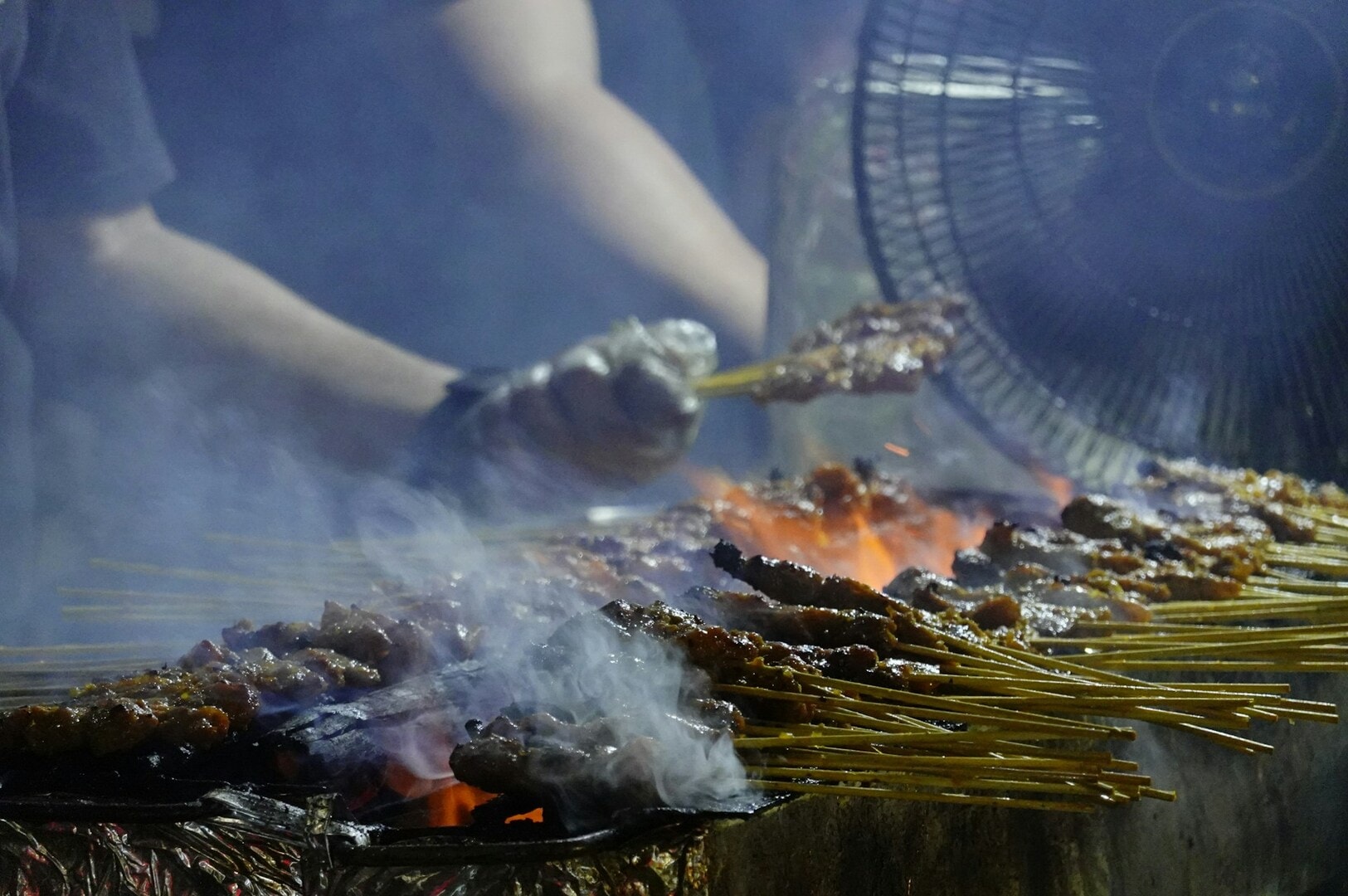
The Singaporean restaurant scene is a vibrant reflection of our nation’s story—a tale of migration, adaptation, and innovation. From the bustling heritage restaurants in historic neighborhoods to the sleek modern kitchens in the city center, each offers a unique and valid perspective on what it means to eat in Singapore.
We encourage you to explore both. Visit a decades-old coffee shop or hawker centre for a traditional breakfast one day and book a table at a modern fine-dining spot the next. By supporting both, you help preserve our precious Singapore food heritage while also celebrating its exciting future. Food is our common language, and every meal is a conversation with our past, present, and future.
Check out this comprehensive view into the best omakase in Singapore for an unforgettable dining experience.
