From Tony: Hey there! After revisiting this piece, I realised it spent more time pointing towards restaurants than helping you understand the experience itself. So I’ve reshaped it around what a chef’s table is, how it unfolds and why it can stay with you. Happy reading!
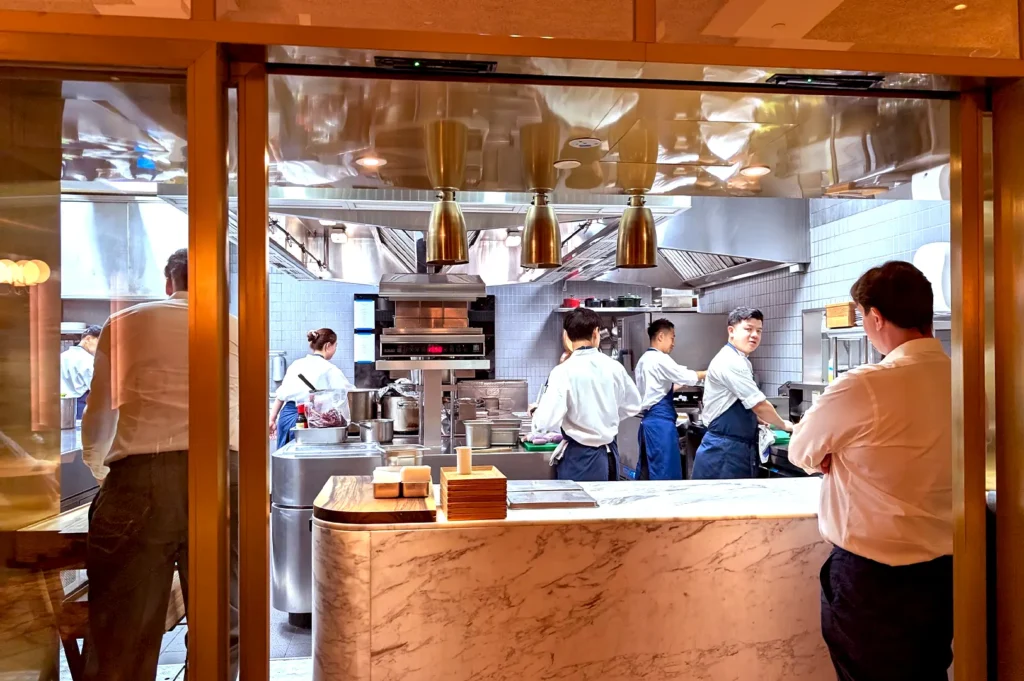
The magic of a chef’s table is found in its immersive, behind-the-scenes intimacy. Rather than dining in the main restaurant, guests find themselves seated right in or near the kitchen, surrounded by the sights, sounds, aromas, and artistry of the culinary team at work. This interaction brings the performance to life and discover the meticulous craft (and sometimes the joyful chaos) seldom seen by restaurant patrons.
Chefs personally introduce each course, providing insights into the journey of each dish, from sourcing the freshest seafood or seasonal ingredients to the careful plating that makes each plate a work of art.
Guests can ask questions about culinary techniques, the inspiration behind each creation, or the story of a particular dish—transforming dinner into an unforgettable journey filled with flavour, artistry, and conversation.
How a Chef’s Table Changes the Way You Dine
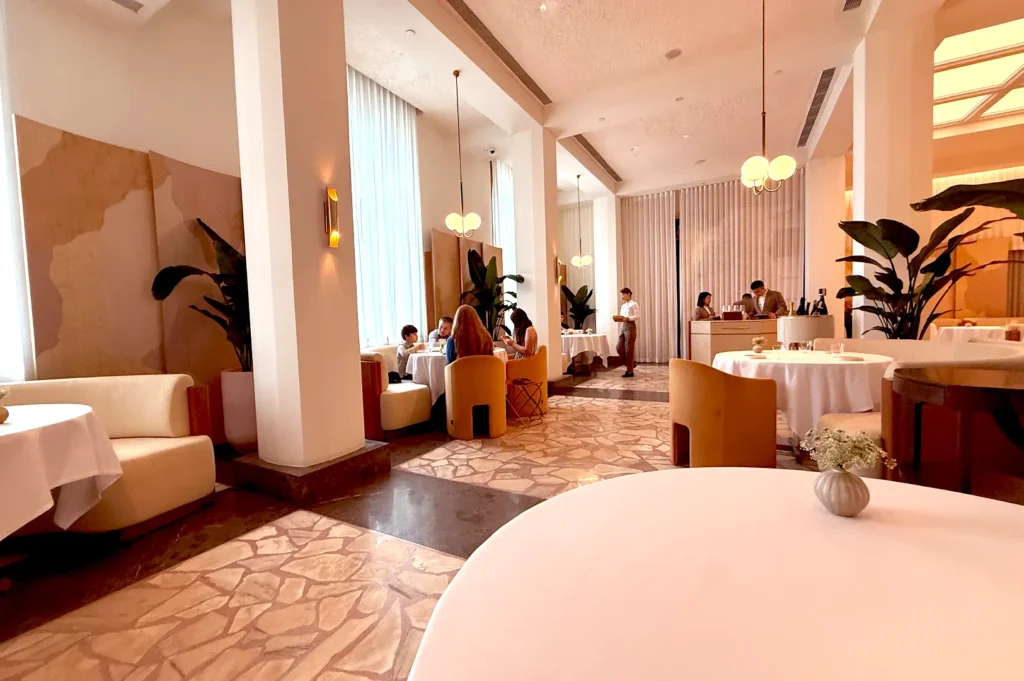
The main difference is not simply where you sit. It is how much of the evening you place in the kitchen’s hands.
In a regular restaurant, diners choose their own dishes and set their own pace. At a chef’s table, the menu usually arrives as a planned sequence, with each course leading into the next.
| Regular restaurant dining | Chef’s table dining |
|---|---|
| Diners choose individual dishes | The chef shapes the full menu |
| Guests sit in the main dining room | Seating is closer to the kitchen |
| Most preparation stays out of view | Cooking and plating may be visible |
| Front-of-house staff guide the meal | The culinary team may present courses |
| The pace is more flexible | The evening follows a set progression |
Neither approach is better. One gives diners more freedom, while the other asks for more trust.
That trust is what changes the experience. You are not only choosing what to eat. You are allowing the chef to decide how the evening should unfold.
How a Chef’s Table Singapore Evening Unfolds, Course by Course
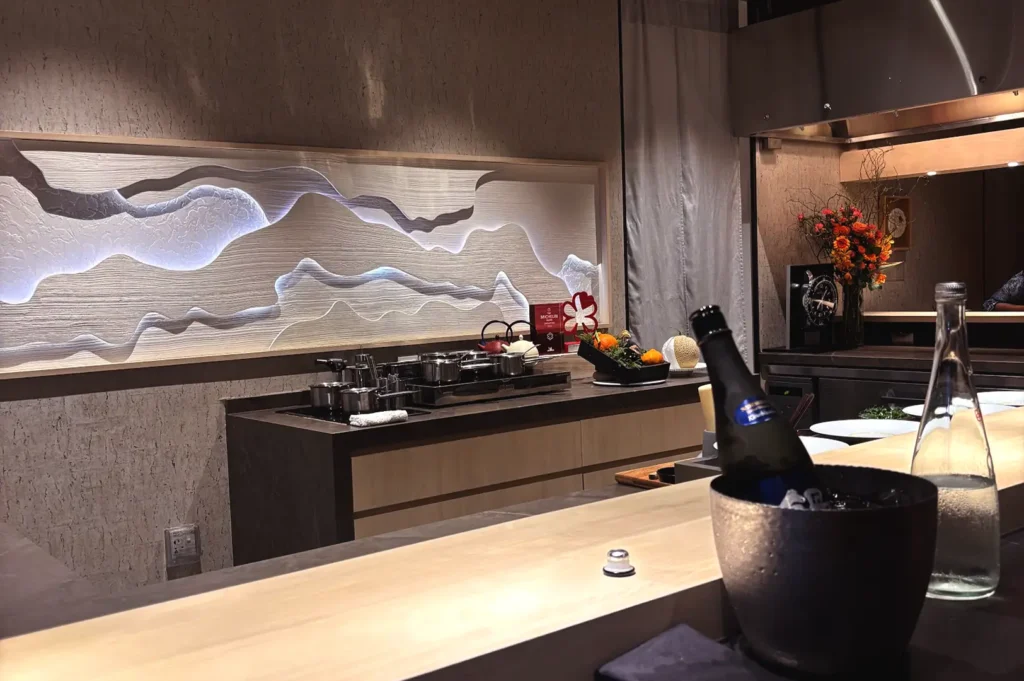
A chef’s table rarely reveals itself all at once. The evening usually builds in stages, beginning with where guests are seated and ending with the last small sweet placed on the table. The order may vary, but the experience often follows a deliberate progression.
First, the Room Draws You Closer
Guests are usually led to a counter or a small table near the kitchen. With only a few seats available, the room feels more intimate before the first dish has even arrived.
The setting is not always dramatic. Often, it is the ordinary movement of the kitchen that holds your attention: a pan shifting across the stove, a sauce checked one final time, or a chef leaning over the counter to place a plate directly in front of you.
Then, the Menu Begins to Reveal Itself
Some restaurants present the full menu at the start. Others allow the courses to arrive without much warning.
Both approaches create a sense of direction. One tells diners where the evening is going, while the other lets each dish speak before the next one appears.
The opening course is often small but purposeful. Crisp textures, light broths, delicate seafood or precise dollops of sauce may offer the first indication of how the chef thinks and cooks.
The Courses Gather Weight
The meal commonly moves from lighter flavours towards richer ones. Seafood may lead into vegetables, rice or noodles before the kitchen introduces a fuller meat course.
The contrast is rarely accidental. Something cool may be followed by warmth, while a crisp element may sit against a softer purée or tender protein. These changes keep the menu moving and give each course its own place in the sequence.
From the counter, guests may also notice how much rests on a final detail. A sauce spooned at the last moment or a garnish shifted slightly to one side can change the balance of the entire dish.
The Chef Adds the Story
Some chefs talk freely throughout the evening. Others offer only a few measured comments as each course is served.
They may explain the origin of an ingredient, the reason behind a cooking method or the personal memory that shaped a dish. These details do not need to be lengthy. Sometimes a single sentence is enough to make unfamiliar food feel more understandable.
A chef’s table does not always mean constant access to the head chef or restaurant owner. Sous chefs and other members of the kitchen team may present certain courses, particularly when service becomes busy. Their presence is part of the experience too, revealing that a tasting menu is rarely the work of one person alone.
Finally, Dessert Changes the Pace
Dessert often arrives in more than one stage. A lighter pre-dessert may come first, followed by a richer main dessert and a final selection of small sweets.
After several savoury courses, fruit, acidity or colder textures can reset the palate before the meal reaches its finish. The change in pace matters. It allows the evening to close gradually rather than ending with a single heavy plate.
How Chef’s Table Dining Takes Shape in Singapore
No two chef’s tables unfold in quite the same way. In Singapore, one may place diners directly beside the kitchen, while another keeps the setting more polished and private. The restaurants below show how the format can shift with the chef, the cuisine and the room itself.
Odette’s
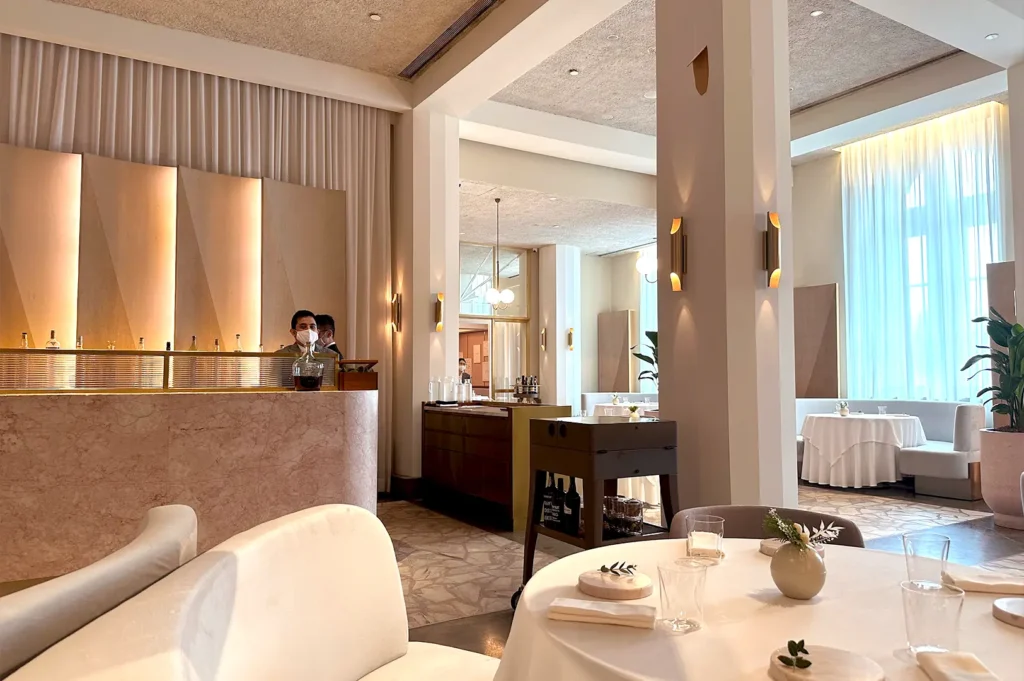
Odette offers a contemporary French tasting experience within the National Gallery Singapore. The Michelin Guide notes that its chef’s counter creates a closer connection between the diner and kitchen, allowing the ideas behind the courses to unfold throughout the meal.
It demonstrates how a chef’s table can exist within a larger fine-dining restaurant. Guests still experience the precision and structure of formal service, but from a seat that brings them nearer to the culinary team.
Iggy’s
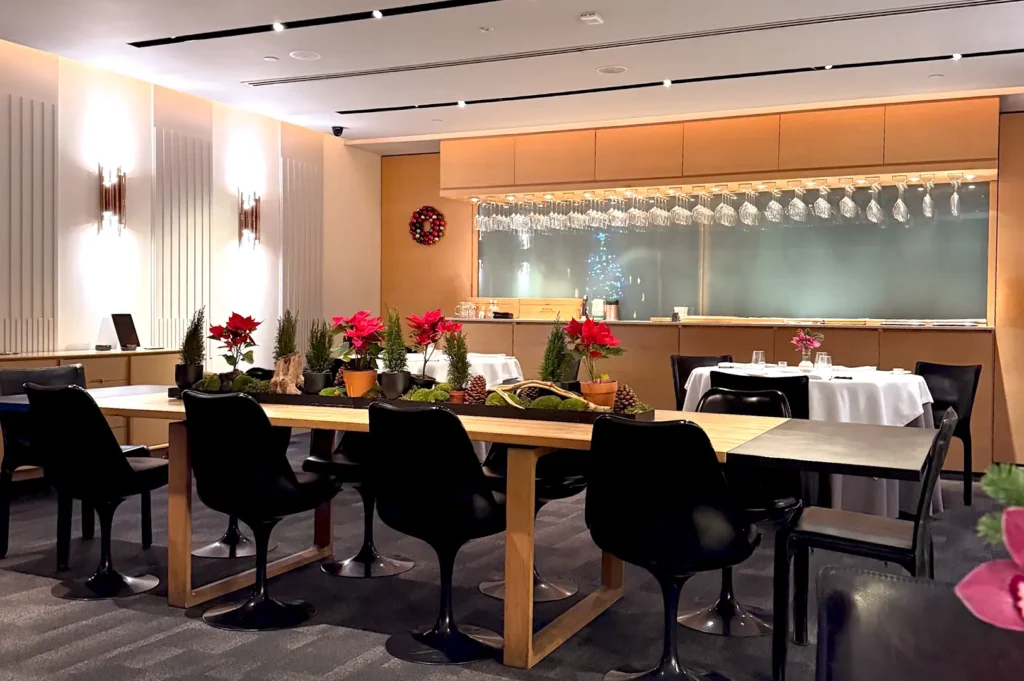
Iggy’s at voco Orchard Singapore offers European contemporary cuisine through a multi-course dinner tasting menu. According to the Michelin Guide, a picture window gives diners a direct view of the kitchen team, while the menu may feature premium ingredients such as Miyazaki Wagyu and Bresse pigeon.
This format shows that guests do not always need to sit inside the kitchen to feel connected to it. A carefully positioned dining room can still reveal the preparation and teamwork behind the food.
Omakase @ Stevens
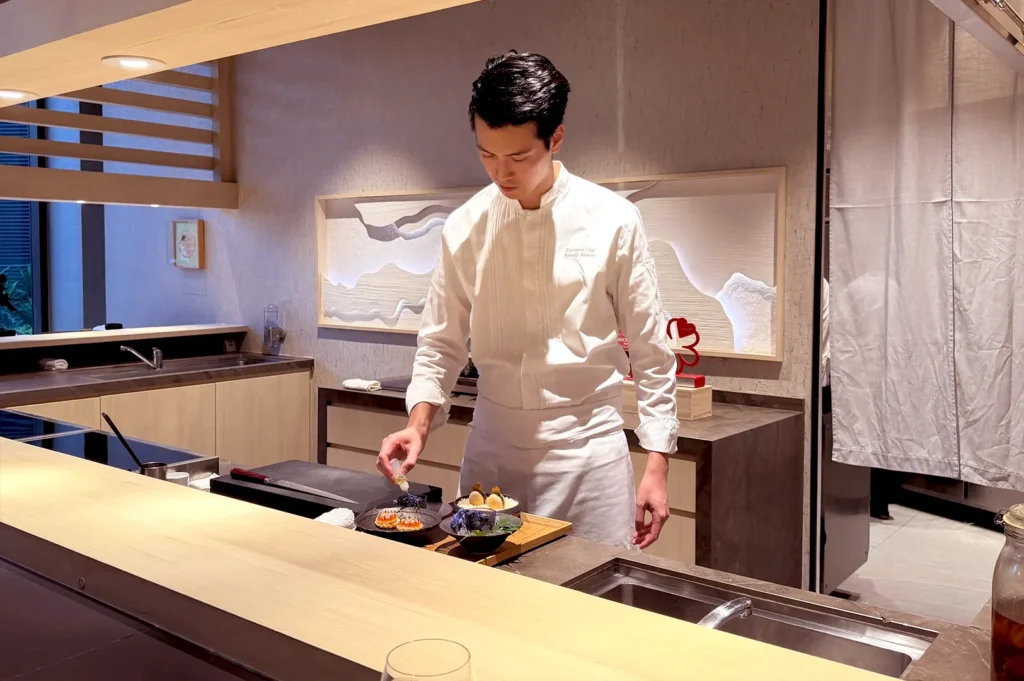
Omakase @ Stevens offers a seasonal Japanese course menu led by Chef Kazuki Arimoto. Its current restaurant information describes an eight-course seasonal menu and requires advance notice for dietary restrictions. It also states that all members of a group must choose the same number of courses to maintain a consistent dining experience.
Although omakase has its own Japanese traditions, it shares several qualities with a chef’s table: limited seating, a chef-selected menu, seasonal ingredients and a progression controlled by the kitchen.
Zén
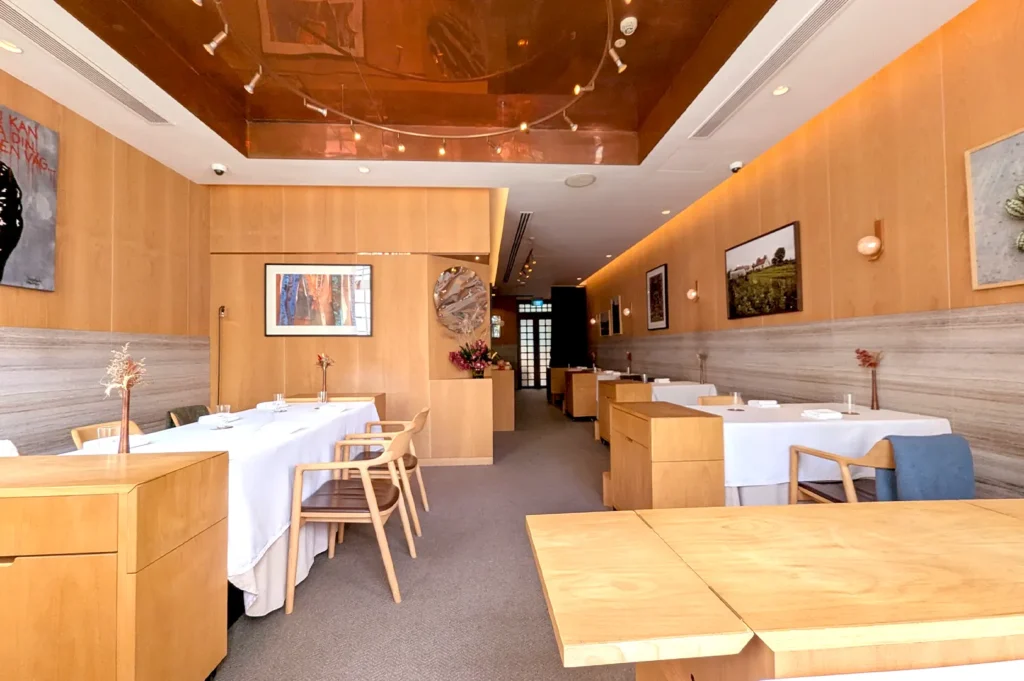
Zén stretches the idea of a chef’s table beyond a single counter. Guests cross three floors of its Bukit Pasoh shophouse as the meal unfolds, with each corner introducing another part of the experience.
The restaurant embraces the Japanese culinary tradition of omakase, offering personalized adjustments including vegetarian and gluten-free options.
For those eager to explore more about the best omakase experiences in Singapore, this is a good non-influencer’s guide with recommendations beyond the usual spots.
From Chef Stephan to Nouri: How the Chef’s Table Opened Up
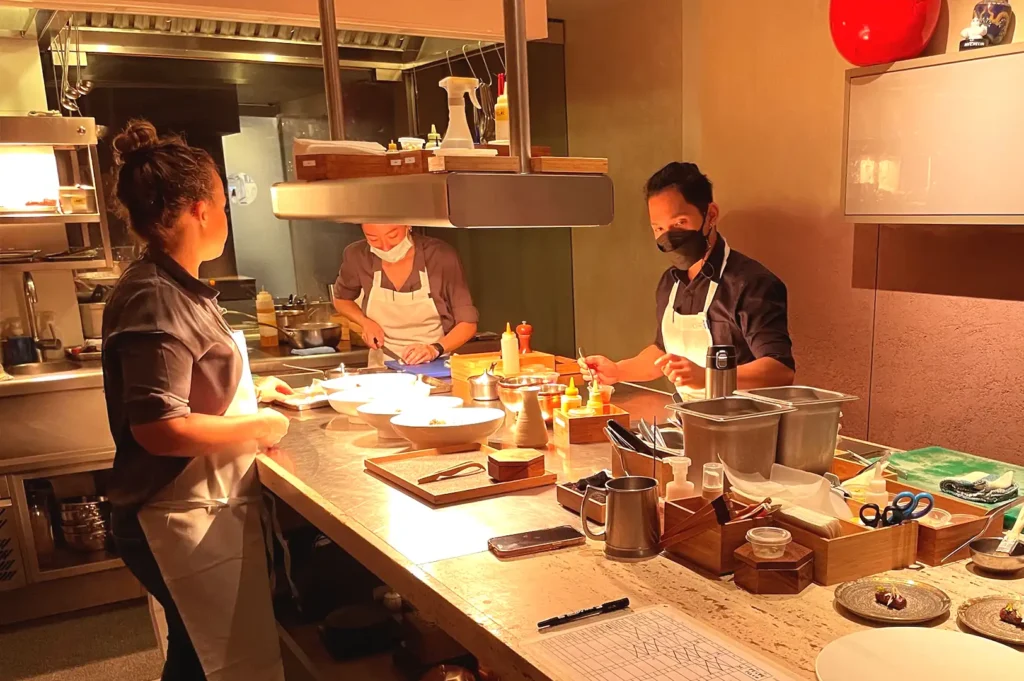
Chef’s table dining in Singapore has changed shape over the years. I first understood its appeal at Chef’s Table by Chef Stephan, where the counter made the kitchen feel close and the menu stayed firmly in the chef’s hands. The restaurant has since closed, but the idea it represented has not disappeared.
At Nouri, that closeness feels more open and communal. Diners sit along a marble counter joined to the kitchen, watching the team work as Ivan Brehm’s crossroads cooking moves between cultures and familiar flavours. One belonged to an earlier chapter of Singapore dining; the other shows how the chef’s table has continued to evolve.
The Questions That Matter Before You Take a Seat
What is the average cost of a chef’s table experience in Singapore?
Prices start around S$250++ per guest at boutique restaurants and range up to S$600++ for Michelin-starred fine dining events. Tickets are often non refundable and non exchangeable, especially for special occasion nights.
Can I request specific dishes or adjust the menu for my group’s dietary requirements?
Most chef’s tables offer flexible menus, just inform the restaurant in advance about guests’ dietary requirements (vegetarian, gluten free, non alcoholic, etc.).
Are chef’s tables suitable for celebrating a special occasion?
Absolutely—whether it’s a birthday, anniversary, or milestone, chef’s tables transform any night into a memorable event. Notify the staff when booking to enhance your celebration.
What should I wear to a chef’s table dinner?
Smart elegant attire is preferred; consult the restaurant’s dress code before arrival.
Can I take photos during the experience?
Yes, but be discreet, avoid flashes, and always ask before photographing the chefs, bar team, or kitchen staff.
The Part You Remember After Dinner
Most people remember their first chef’s table because it changes how they look at a restaurant. You stop seeing only the finished plate and start noticing the movement behind it. That closeness is what stays with you. Not only the food, but the feeling of seeing how the evening comes together.
Always remember that before you book, check the website and send an email if you are allergic to anything. After that, let the chef take over.
The best chef’s tables leave you remembering where you sat, who served you, and the moment the plate became yours.
