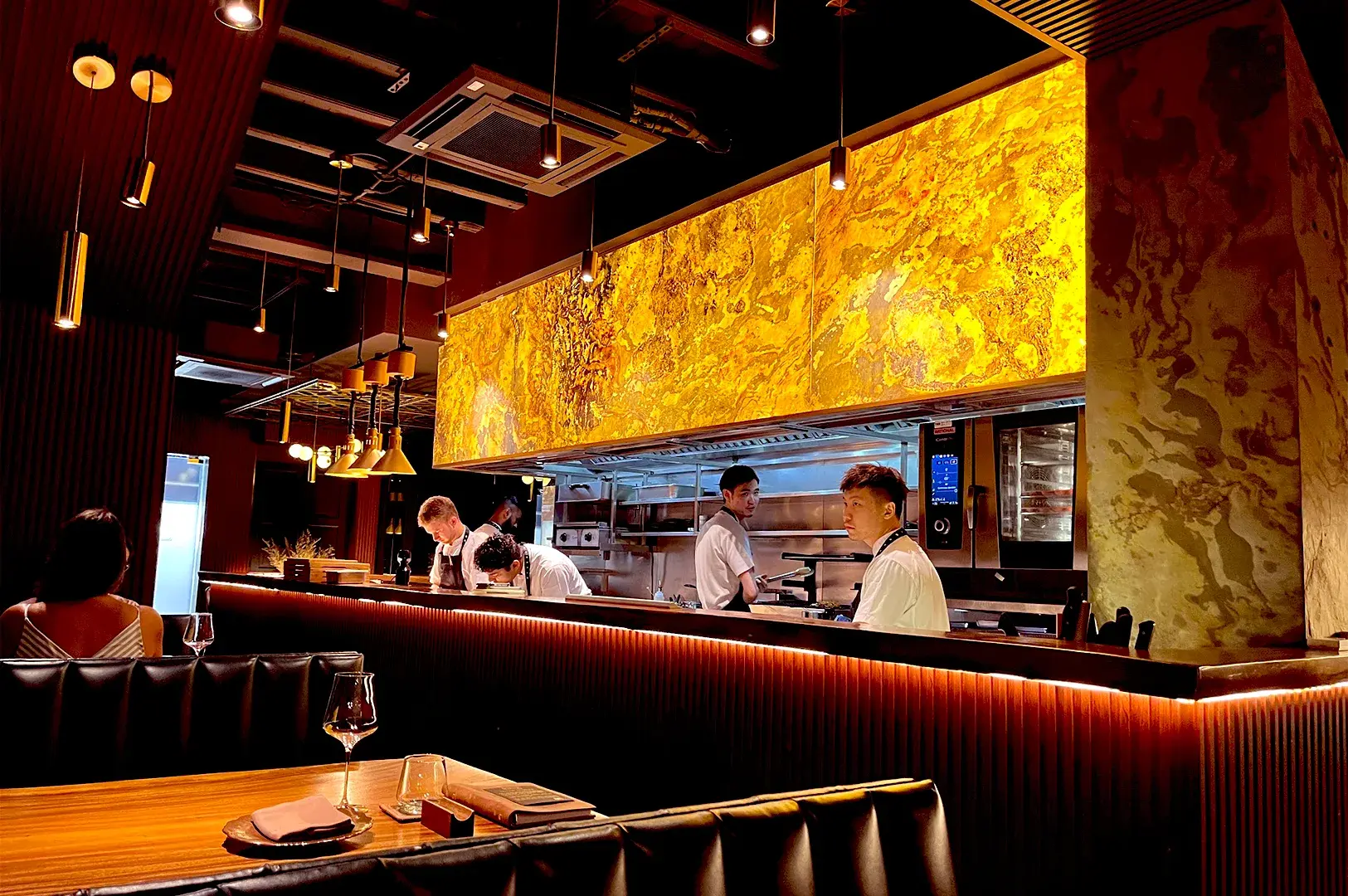
The glow from the open kitchen reaches the room before any plate does, catching the edges of glassware while the scent of toasted spice begins to gather. At Thevar Singapore, the meal starts quietly, then reveals itself through heat, texture, memory and the careful handling of familiar Indian flavours.
This is not the kind of place where you order a curry, add rice and decide how much roti the table needs. Thevar restaurant serves a fixed experience, asking diners to discover modern Indian food one measured course at a time.
What Dining at Thevar Feels Like
Thevar is now located at 16 Mohamed Sultan Road, Singapore, having moved from its former home on Keong Saik Road. The new place feels refined without becoming stiff, thanks to soft light, crafted details and an open kitchen that keeps the act of making dinner within view.
I would choose to be sat where I could watch the kitchen, not because the room lacks interest, but because the movement adds context to every plate. Interestingly, the atmosphere remains warm even with the Michelin polish, making it easy to settle in for the expected 2 and half hour meal.
Chef Mano Thevar Builds a Menu from Memory
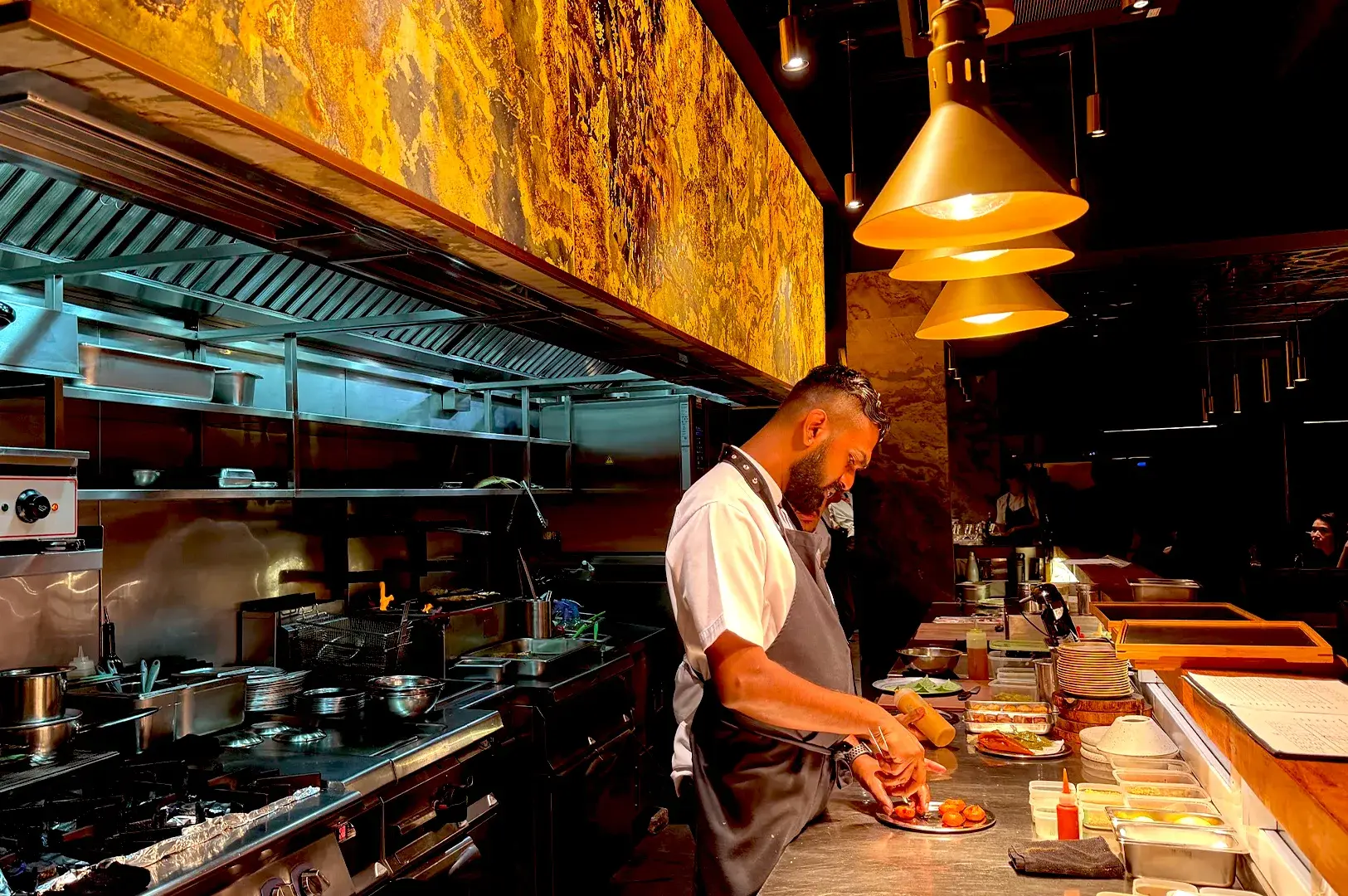
Born in Penang, Chef Mano Thevar draws his cooking from his Indian heritage, childhood food memories and the flavours of the Malay Peninsula. His experience at Guy Savoy and Waku Ghin added another kind of discipline, teaching him how precision can support a personal idea rather than replace it.
The restaurant is helmed by a chef who understands that memory does not need to be copied exactly to remain recognisable. Chef Mano takes the taste of home, studies what made it good in the first place, then carries that feeling forward through contemporary form.
Modern Indian Cuisine Shaped by European Techniques
Modern Indian cuisine at Thevar is not simply Indian food arranged into smaller portions and served on expensive tableware. European techniques help the kitchen control sauces, temperature and texture, while the central flavour still comes from spice, acidity and ingredients rooted in Indian cooking.
A creamy sauce might remain light thanks to careful acidity, while a rich meat course can be sharpened by chilli or a fragrant dip. The quality lies in this balance, where refinement makes each taste clearer without sanding away its character.
What to Expect from the Thevar Tasting Menu
A good progression gives each bite enough room before the kitchen begins sending out the next dish. A light palate cleanser may reset the palate between richer courses..
Thevar’s Chettinad Chicken Roti
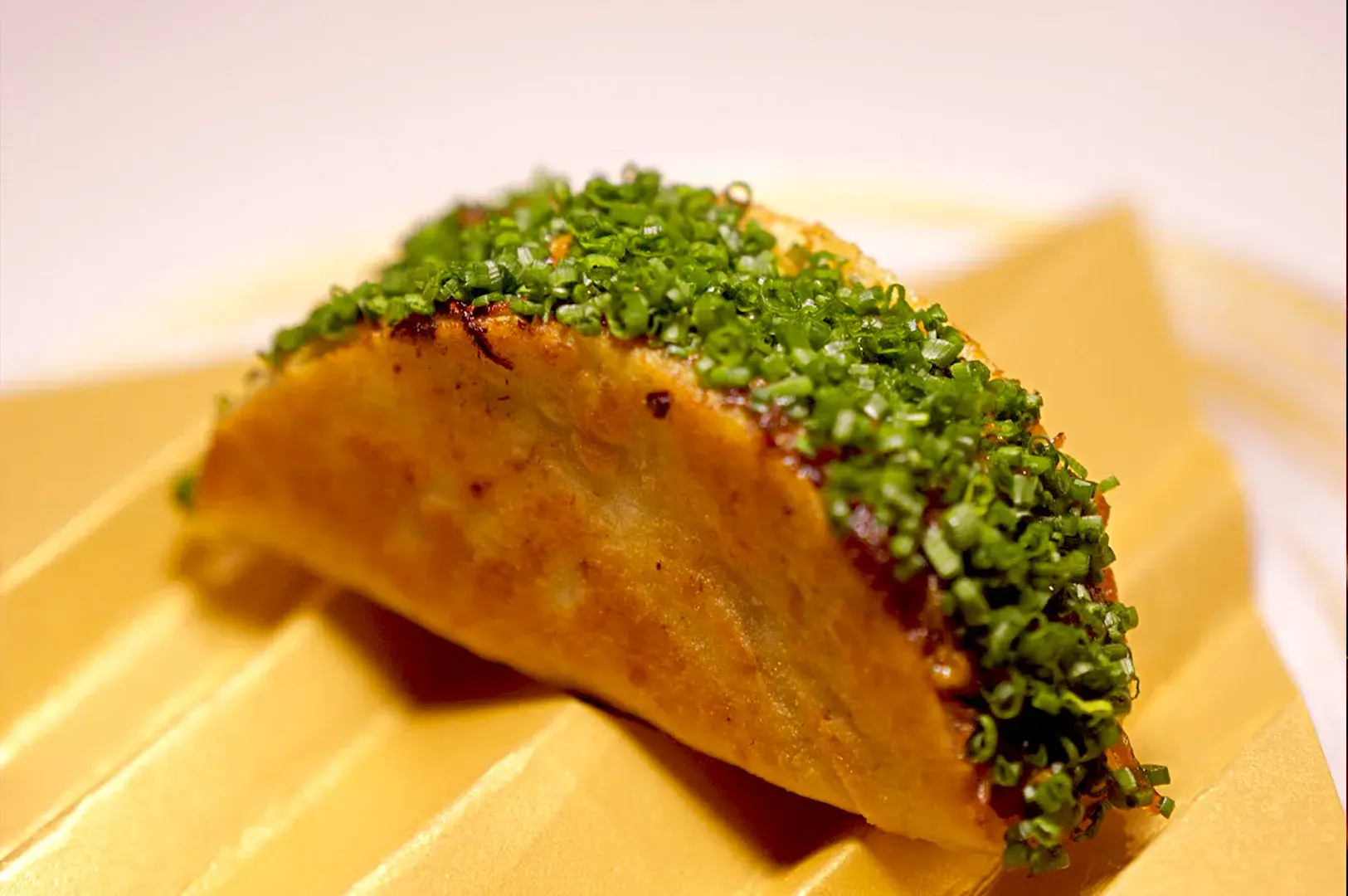
The Chettinad chicken roti is one of Thevar’s established signatures, although it should not be treated as a guaranteed item on every current menu. It shows the kind of idea Chef Mano handles particularly well, taking something akin to street food and reshaping it with fine-dining precision.
The shaped roti holds juicy, spiced chicken in a compact form that is easy to eat in one or two bites. When served, its appeal comes from the meeting of crisp bread, tender filling and concentrated spice, not from making a familiar dish look unnecessarily complicated.
Spice, Sambal Aioli and Layered Flavour
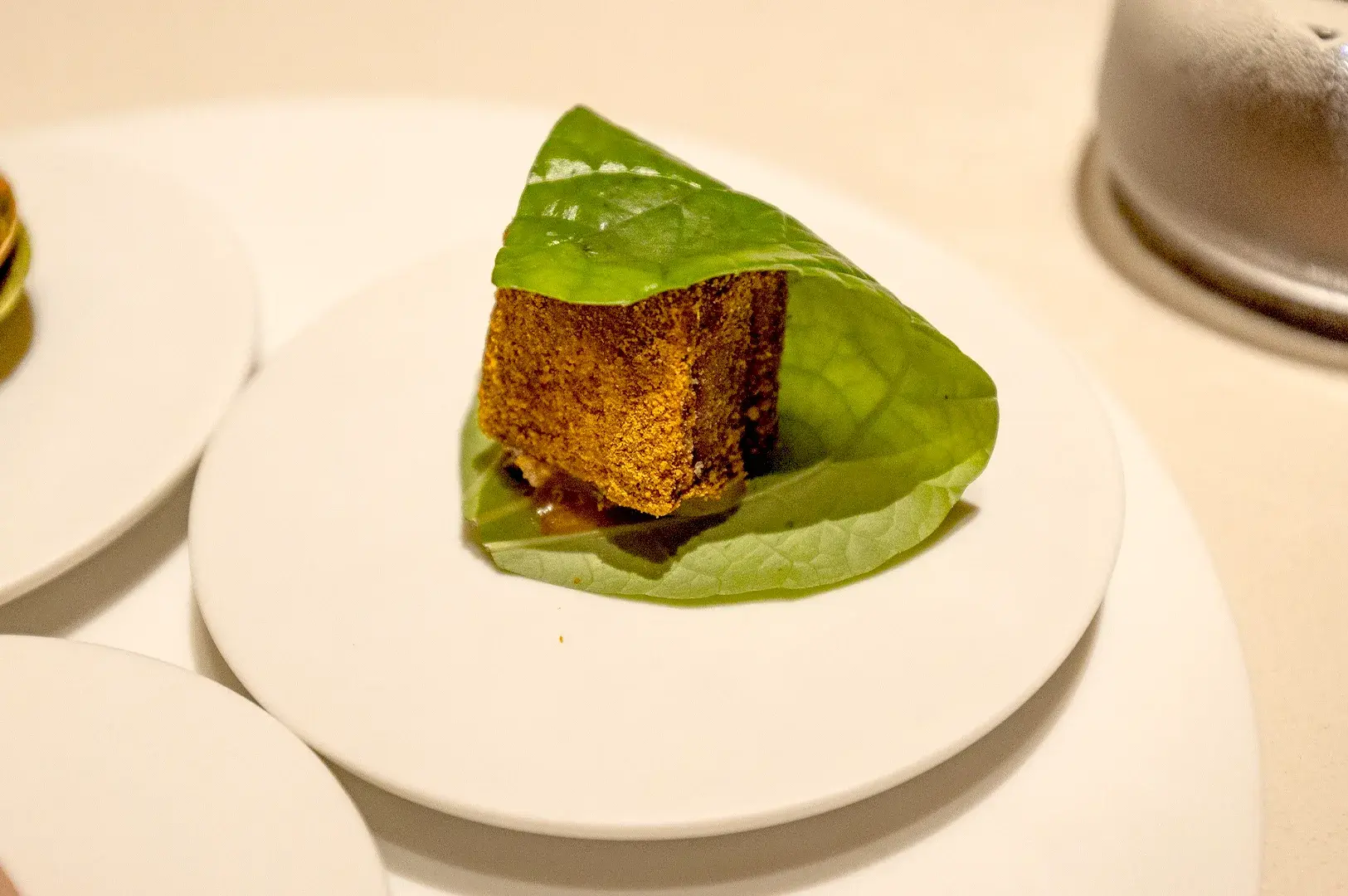
Sambal aioli has also been mentioned in connection with Thevar’s broader flavour language, but its appearance should not be assumed during every visit. The combination makes sense here because sambal brings heat and savouriness, while aioli provides a creamy body that helps the chilli stay on the palate.
Used carefully, such a component can wake up seafood, vegetables or pork without covering the main ingredient. The most delicious result would be one where the dip supports the plate, leaving a warm flavour behind instead of overwhelming the rest of the course.
Coconut Kulfi Brings the Meal to a Lighter Close
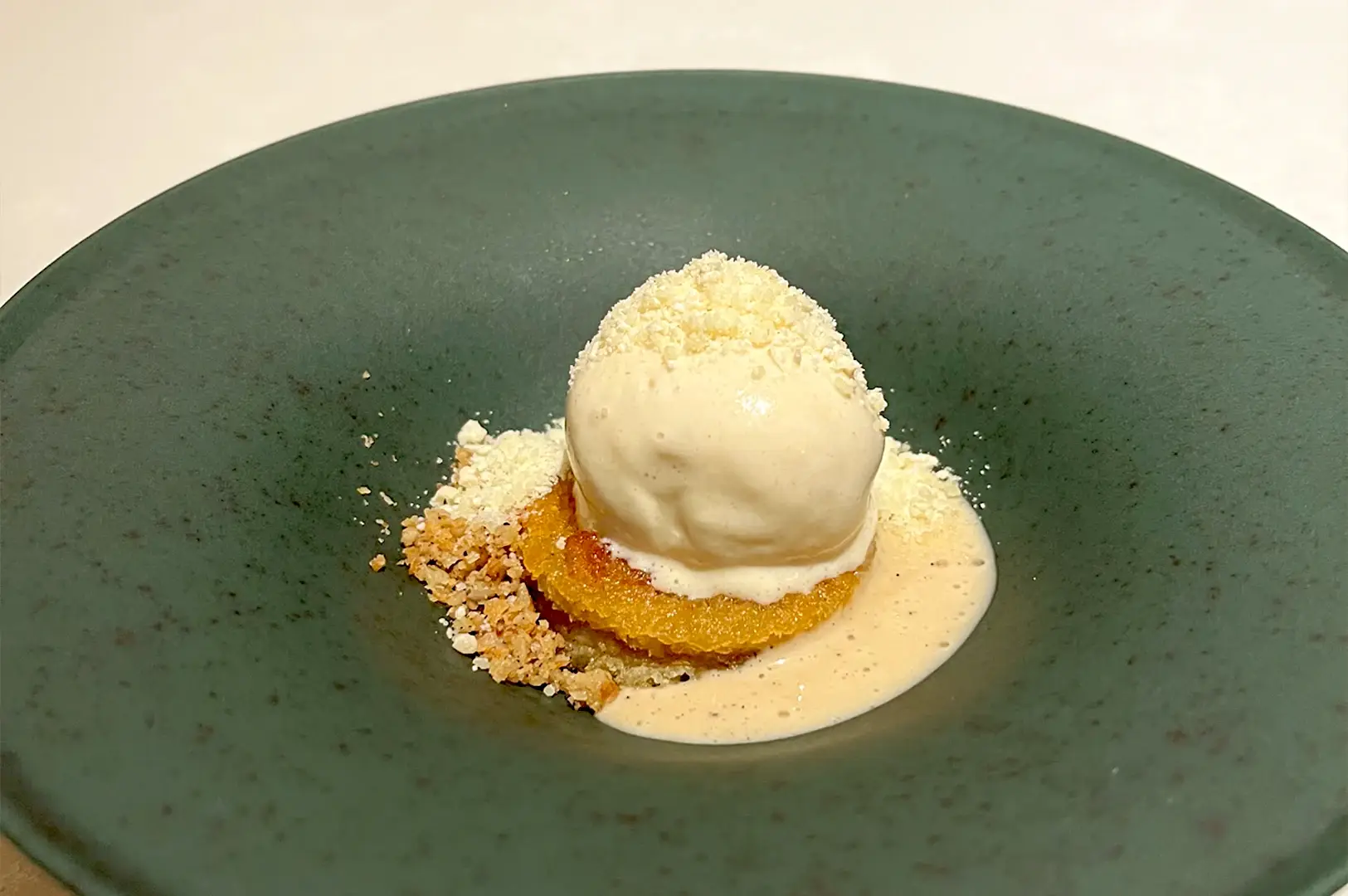
The coconut kulfi offered a calm finish after the stronger spice and richer textures that came before it. I liked that the coconut tasted clean rather than overly creamy, while the kesari added a familiar saffron sweetness without making the dessert feel heavy.
Thevar may change its sweet courses from one month to the next, so this exact combination may not appear during every visit. When served, the kulfi can be topped with small contrasting elements for texture, but its real strength is the balance that lets you leave the table satisfied rather than weighed down.
How Chef Mano Makes Modern Indian Food Feel Personal
Chef Mano does not need to serve a conventional bowl of biryani to communicate what biryani means. Its spice structure, aroma or relationship between rice and meat can inspire a dish, just as lamb, pork or stuffed bread may be transformed into another form.
That personal approach keeps the food connected to heritage while allowing room for surprise. I am less interested in whether something looks traditional than whether the first bite carries a familiar logic, then leaves me surprised by how its texture or presentation has changed.
What Michelin Starred Chefs Can Learn from Restraint
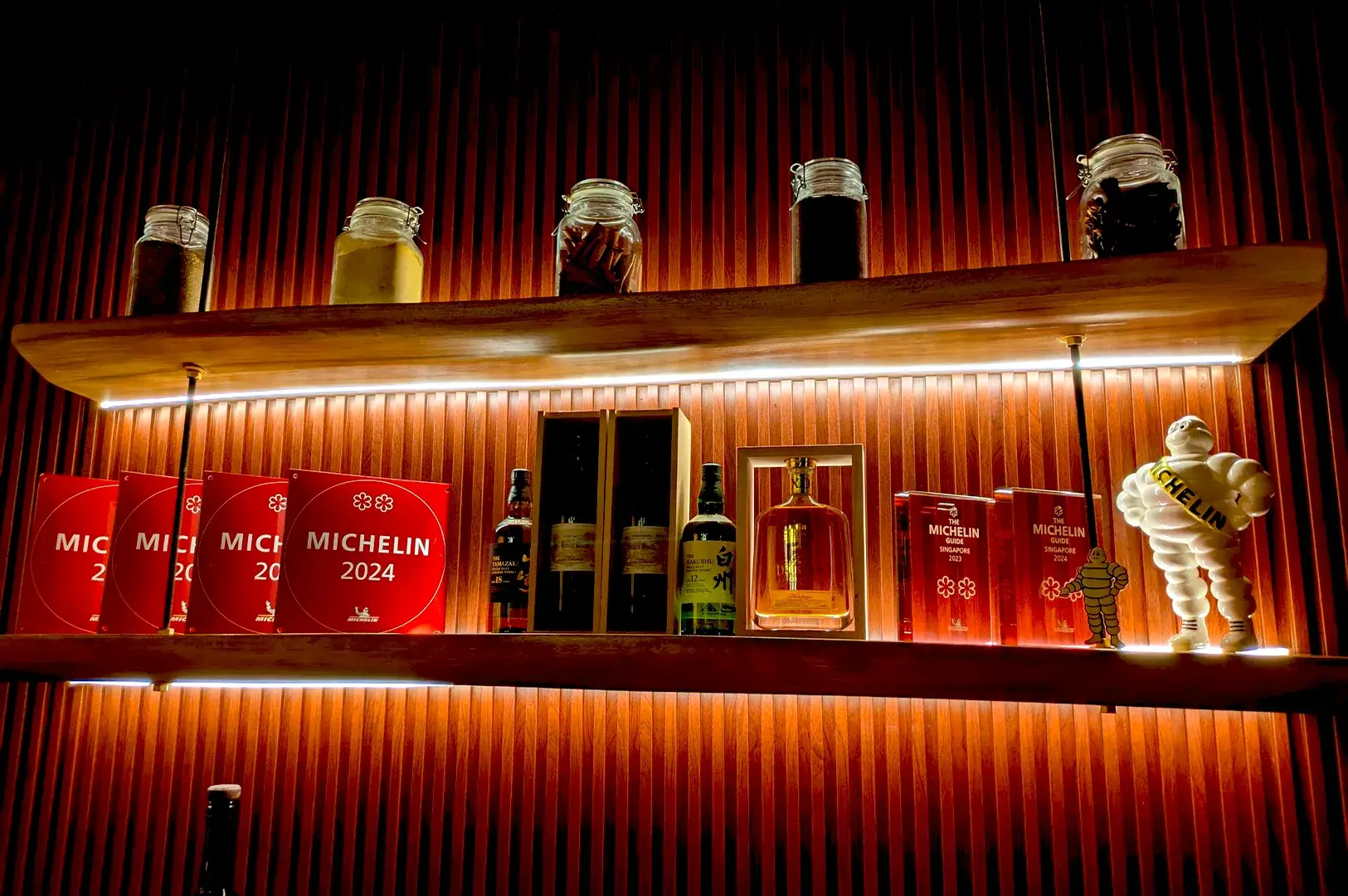
Thevar currently holds two Michelin stars, but the more interesting lesson for other michelin starred chefs is not how much technique can be placed on a plate. It is how technique can become almost invisible, allowing the diner to notice the spice, ingredient and intention first.
Refined cooking should not require Indian flavours to become timid. At Thevar, restraint is most useful when it focuses an intense taste, controls richness and gives people enough breathing room to recognise what the chef is trying to say.
Drinks, Service and the Space Between Courses
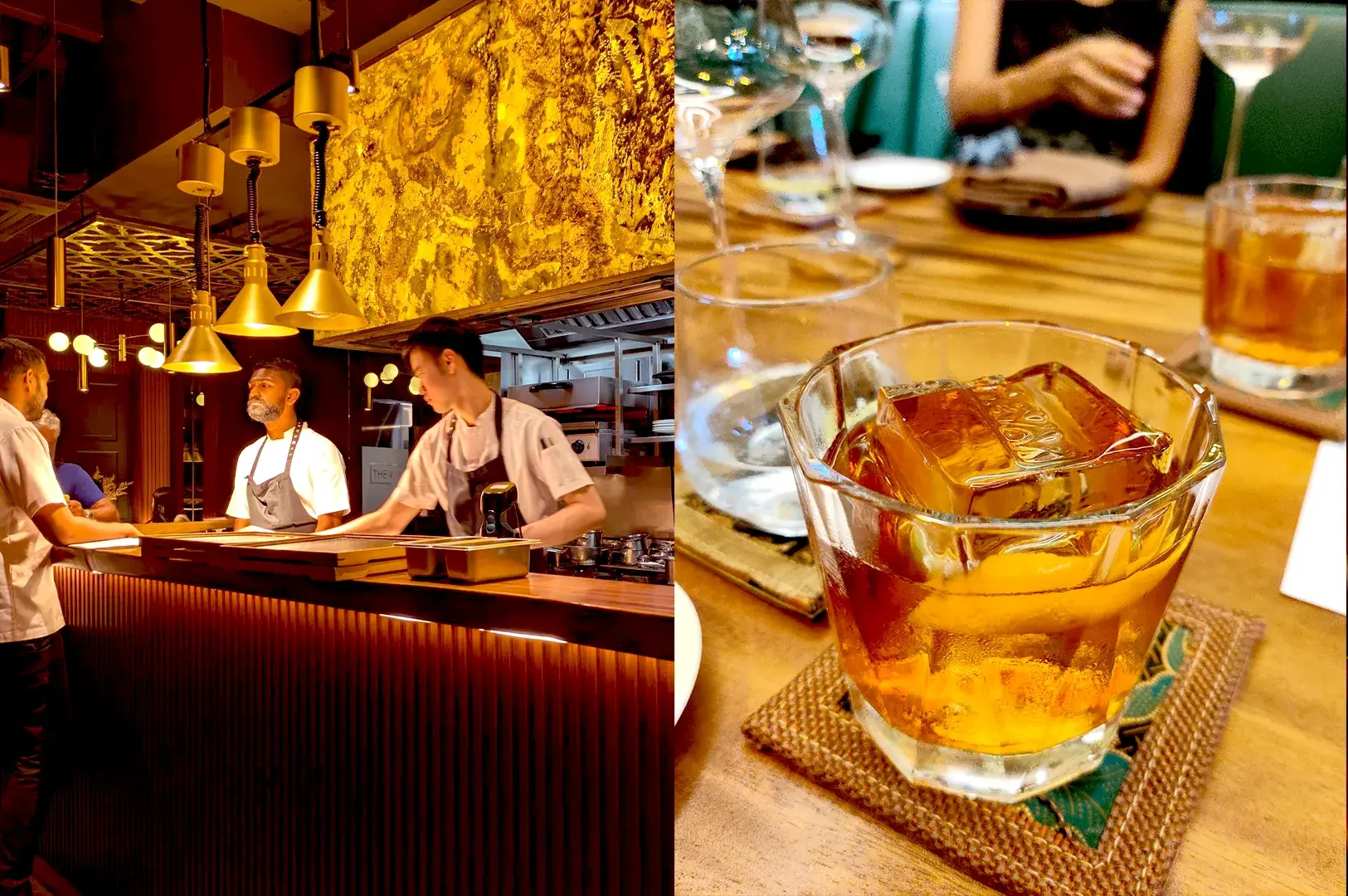
I chose an Old Fashioned, a classic that has been served at Thevar. The whiskey warmth and measured sweetness worked especially well beside the deeper spice in the food, while the bitters kept the drink from feeling too heavy as the night progressed.
From my seat, the service felt attentive without becoming overbearing. The staff gave each dish enough explanation to make unfamiliar ingredients easier to understand, then stepped back and allowed us to taste, which kept the space between courses calm rather than overly formal.
Diners who enjoy this level of service may also appreciate our guide to personal fine dining in Singapore, where smaller rooms and chef-led experiences shape the meal.
How I’d Choose Between Lunch and Dinner at Thevar
Lunch is available on Friday and Saturday from 12pm to 3pm, with the last seating at 1pm. The five-course Executive Menu costs S$228++ per person, while the S$298++ Experience Menu offers the more complete expression of the kitchen’s cooking.
Dinner runs Monday to Saturday from 6pm to 11pm, with the last seating at 9pm, and suits diners who want the fuller atmosphere of the room after dark. Lunch may be a gentler start for someone visiting Thevar for the first time, particularly if a long evening tasting menu feels like a lot.
Thevar Shows Where Modern Indian Cooking Can Go Next
What stays with me about Thevar is not the idea that Indian cooking needs fine dining to prove its worth. It is the possibility that a chef can draw from heritage, use European techniques and create something new without treating the original food as a problem to be fixed.
Chef Mano Thevar begins with memories and sends them forward, not as museum pieces but as living material. That is what makes Thevar worth discovering, a restaurant where the past provides the start, and the future is shaped one thoughtful plate at a time.
