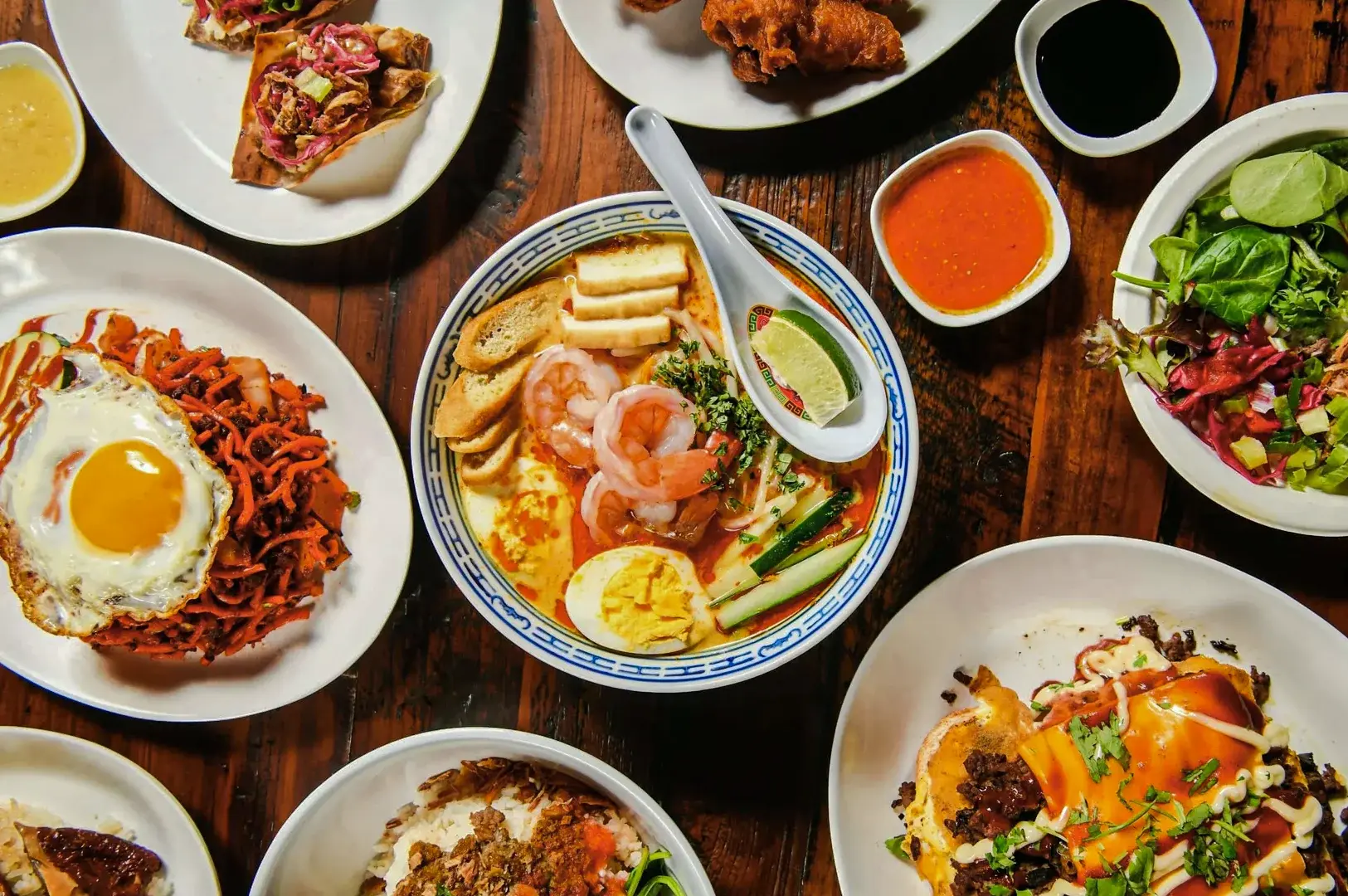
Singapore is universally celebrated as a food paradise, but what makes its food culture genuinely unique among the great culinary capitals of Asia? The answer goes far beyond a simple love for delicious food. The nation’s distinctive culinary identity is shaped by its multicultural history, its passionate affection for street food, and the integration of iconic dishes like chicken rice, bak kut teh, and kaya toast into daily life at every hawker centre and eating house.
At Singapore Best Restaurants, we believe that a truly great meal is enriched by context. While our guides “Singapore Eating: A Complete Guide to Dining Like a Local” and “Eating Singapore: A District-by-District Guide” cover the practical “how” and “where” of eating Singapore, this article explores the crucial “why.” Understanding these cultural foundations will change the way you see—and taste—the Lion City.
Singapore Eats: How Four Cultures Created One Food Identity
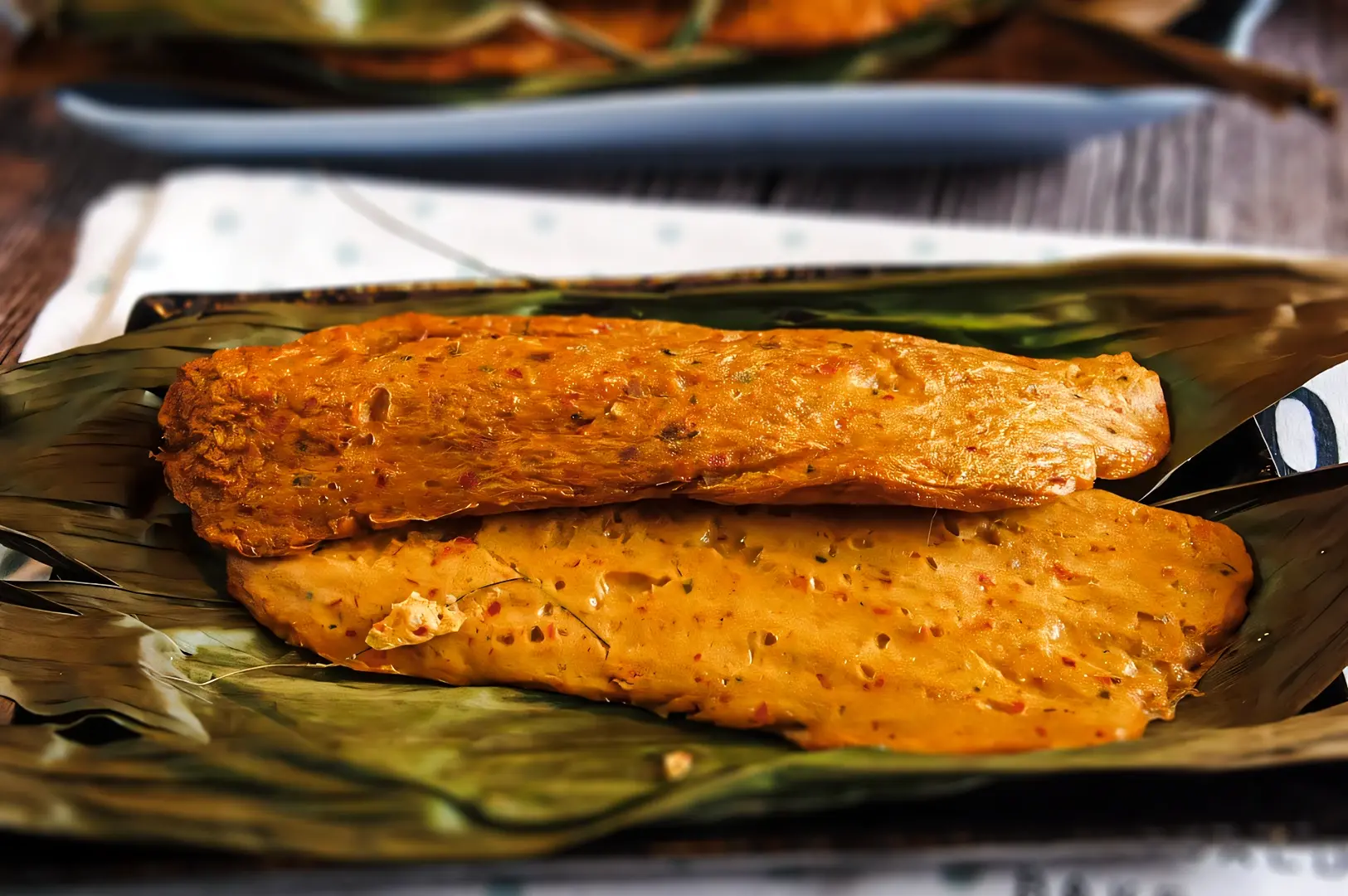
The core of Singapore food culture is its genuine multicultural fusion and the way it brings people together. Singapore eats from a magnificent tapestry of cuisines, where Chinese, Malay, Indian, and Eurasian culinary traditions didn’t just coexist—they innovated together, resulting in some of the most famous dishes recognizable today, from hainanese chicken rice to curry laksa and nasi lemak.
Peranakan food is perhaps the clearest example: blending Chinese origins, Malay spices, coconut milk, and unique condiments like chili sauce and dark soy sauce, it features signature dishes such as spicy otak-otak, ayam buah keluak, and flavorful rice cakes. Indian Muslim hawker stalls contributed favorites like roti prata with curry dipping sauce and murtabak, now found at many of the best hawker stalls throughout the city. Chinese cuisines, meanwhile, are known for char kway teow (rich with pork lard and bean sprouts), bak chor mee (egg noodles with minced pork and soy sauce), and oyster omelette, often traditionally eaten at family gatherings and celebrations.
These exchanges happened because different communities lived, worked, and dined in close proximity, allowing everyday culinary adaptations and creativity. This ongoing cross-cultural pollination is what makes Singapore food unique, giving rise to culinary staples that the entire nation loves, whether at a bustling street food market, a food centre like Maxwell Food Centre, or a lively coffee shop.
Best Hawker Stalls: Singapore’s Democratic Food Innovation
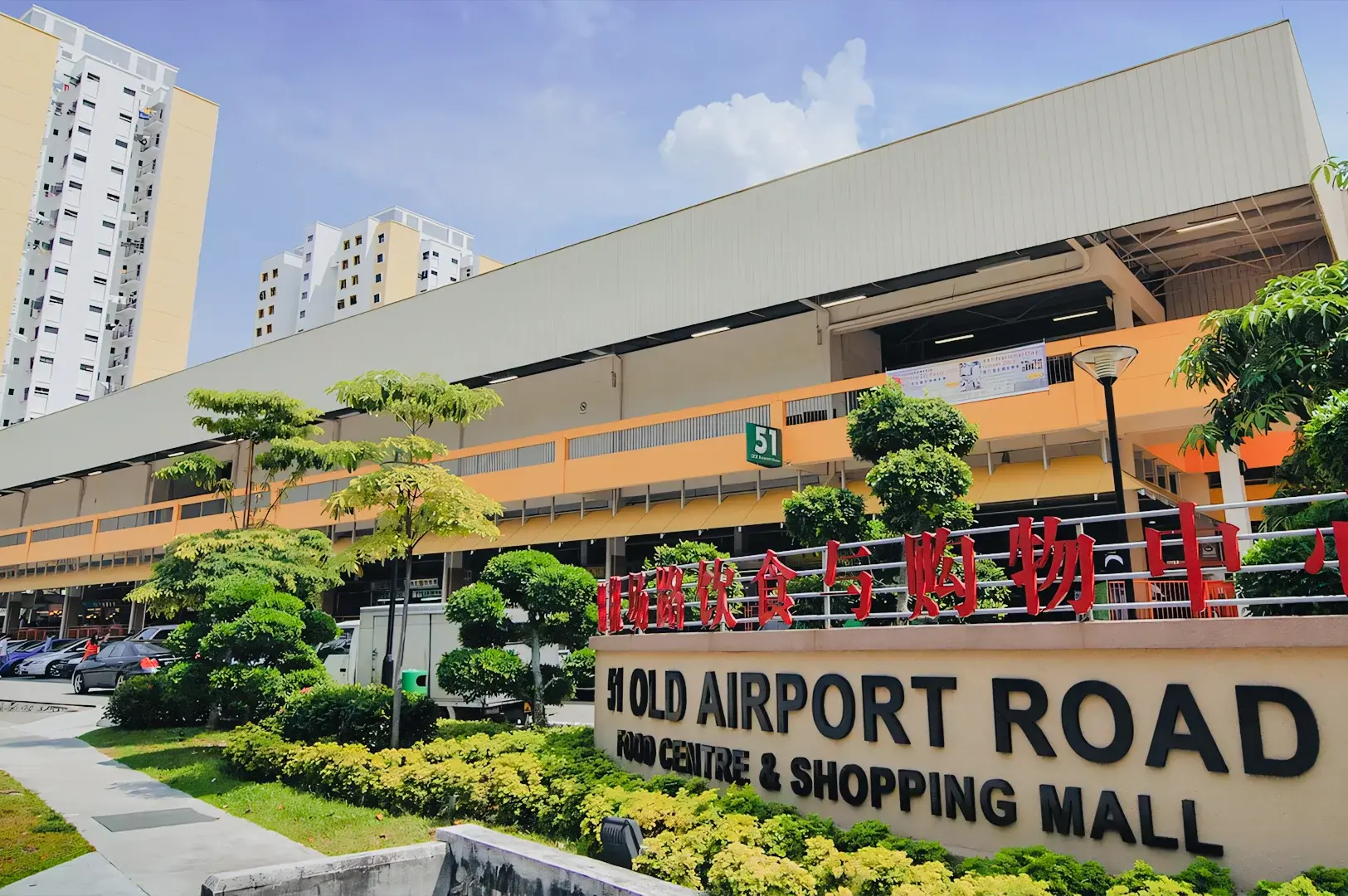
No discussion of Singapore’s food heritage is complete without the hawker centres: the heart of eating Singapore, famous for their role in shaping daily meals and social life. Established in the 1970s to bring street food vendors off the streets and into regulated, accessible spaces, hawker centres like Maxwell Food Centre, and the best food stalls at places like Old Airport Road Food Centre, have become incubators of signature Singaporean food.
In these food centres, classic hawker stalls compete and collaborate side-by-side. The need for affordability led to culinary excellence, with generations perfecting a single, iconic dish such as hainanese chicken rice—fragrant rice cooked in chicken fat, served with tender poached chicken, chili sauce, dark soy sauce, and sometimes pureed ginger. It’s a dish that showcases everything Singaporean food is about: simplicity, technique, and communal dining.
Other street food favorites—char kway teow (stir-fried rice noodles, pork lard, Chinese sausage, fish cake), bak kut teh (pork ribs soup flavored with white pepper and garlic), nasi lemak (coconut rice with fried chicken, sambal chilli, and peanuts), and carrot cake (chai tow kway: savory stir-fried rice cakes with egg and radish), reflect the breadth of Singapore hawker culture.
Hawker centres are egalitarian spaces where roast duck, fried tofu, basmati rice from Indian stalls, and peranakan food share the same food court tables, breaking down social and ethnic barriers. The scene at these food centres—business executives, taxi drivers, students, and families all enjoying the best meals—demonstrates the democratizing force of Singapore’s hawker culture. At Singapore Best Restaurants, we spotlight these food centres and their star stalls, helping locals and visitors find their next delicious food adventure.
If you want to understand how to order, queue, or interact like a local hawker pro, our “Singapore Eating” guide covers these traditions in detail.
Eating House Culture: Coffee Shops as Social Infrastructure
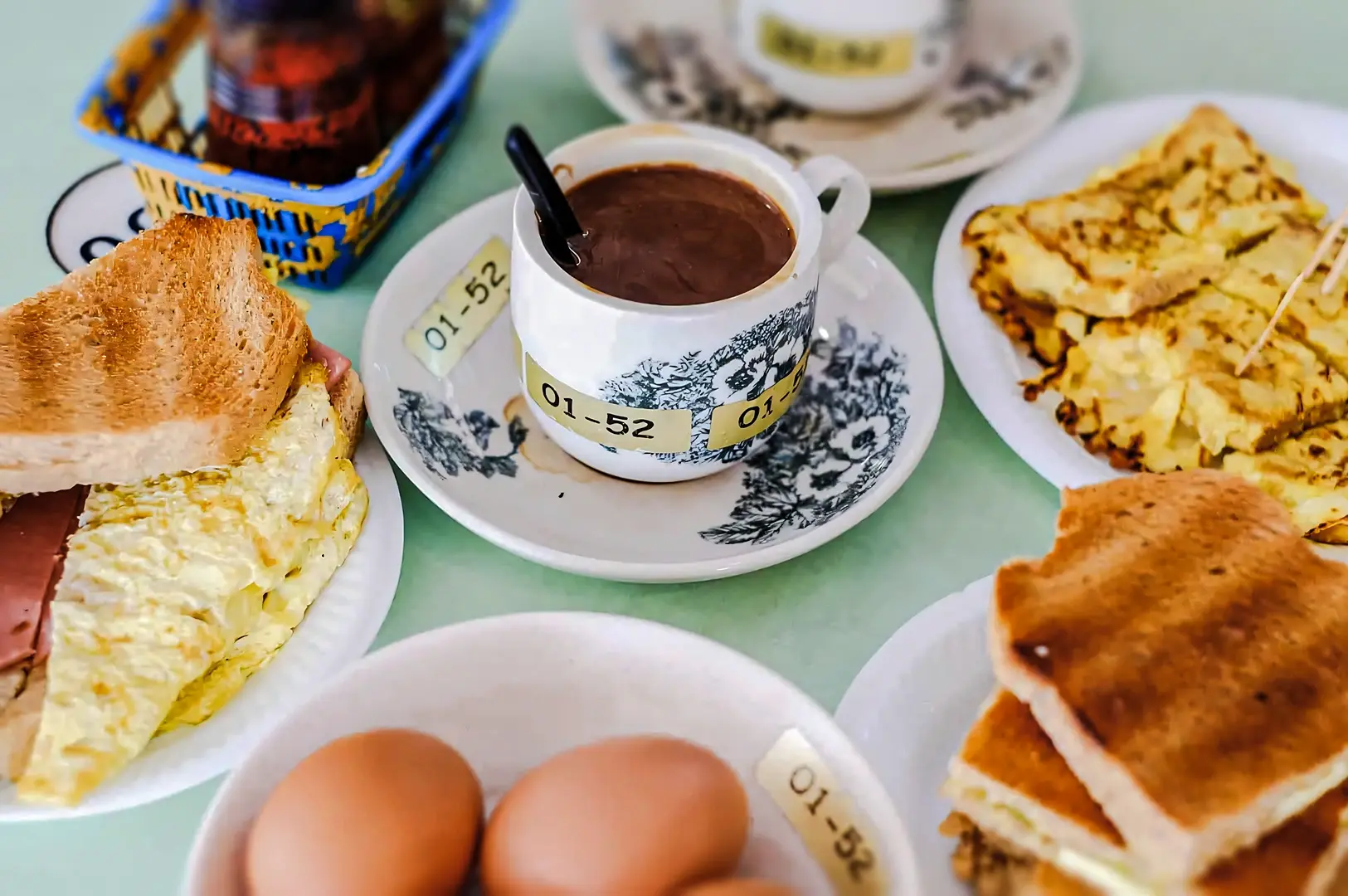
No picture of Singapore’s food landscape is complete without kopitiams—the neighborhood coffee shops and places like Tong Ah Eating House and the historic Ya Kun Kaya Toast. These eating houses are where kopitiam culture flourishes, serving not just traditional kaya toast and soft boiled eggs with robust kopi (often sweetened with condensed milk), but also popular dishes like fried chicken, char siu, roast meats, and side snacks such as rice cakes and glutinous rice.
Kopitiams are typically open early, welcoming people for breakfast, mid-day break, or late-night cold beer and savoury snacks. The “chope” culture—reserving a seat with tissue packets—is a classic practice here. More than just spots for affordable meals, kopitiams function as Singapore’s social glue. They’re spaces where you’ll find retirees discussing the best hawker stalls, young entrepreneurs brainstorming over curry laksa, and friends bonding over a plate of roti prata dipped in curry sauce. These coffee shops anchor the community, making understanding Singapore dining inseparable from kopitiam culture.
Eat in Singapore: Port City Culinary Evolution
Singapore’s vibrant food culture is rooted in its legacy as a global trading port and major transit hub. Early British colonial influences introduced western baking and dishes like pork ribs soup, while Portuguese and Dutch heritage added to the melting pot. Waves of migrants brought new flavors, and visiting international chefs at places like Marina Bay Sands and top Singapore restaurants continue to debut signature dishes, from innovative roast duck to fusion creations.
Modern Singapore is constantly refreshed by new culinary concepts, from street food stalls selling deep fried snacks to fine dining at Michelin starred restaurants featuring peranakan food or the freshest seafood—think black pepper crab or the famous chilli crab at Jumbo Seafood.
Crucially, these dishes are readily adapted for the local palate, meaning what you eat in Singapore is uniquely “Singaporean”—whether it’s a bowl of bak chor mee enhanced with minced pork and thick sauce, or typically served pork belly char siew with a spicy sauce twist. This constant evolution ensures Singapore eats remain relevant, contemporary, and incredibly tasty.
Food Centre Heritage: Government’s Role in Culinary Preservation
Food is at the heart of national identity in Singapore, and the government plays an unusually active role in preserving this food heritage. Initiatives have championed everything from hawker centre culture being recognized by UNESCO, to the support of hawker succession and culinary documentation.
Singapore’s fine dining scene has also been propelled forward—thanks in part to efforts to bring global recognition, like the Michelin Guide, to local restaurants. Becoming a proud home to multiple Michelin starred restaurants, the city now delights locals and visitors with the ability to enjoy incredible meals everywhere, from humble hawker stalls to fine dining at Marina Bay Sands.
Food festivals, food heritage trails, and strong promotion on platforms like our website further cement food as a vital social and cultural bond, officially celebrated as a symbol that unites a diverse, young nation.
Chili Crab and Supper Culture: 24-Hour Food as Lifestyle
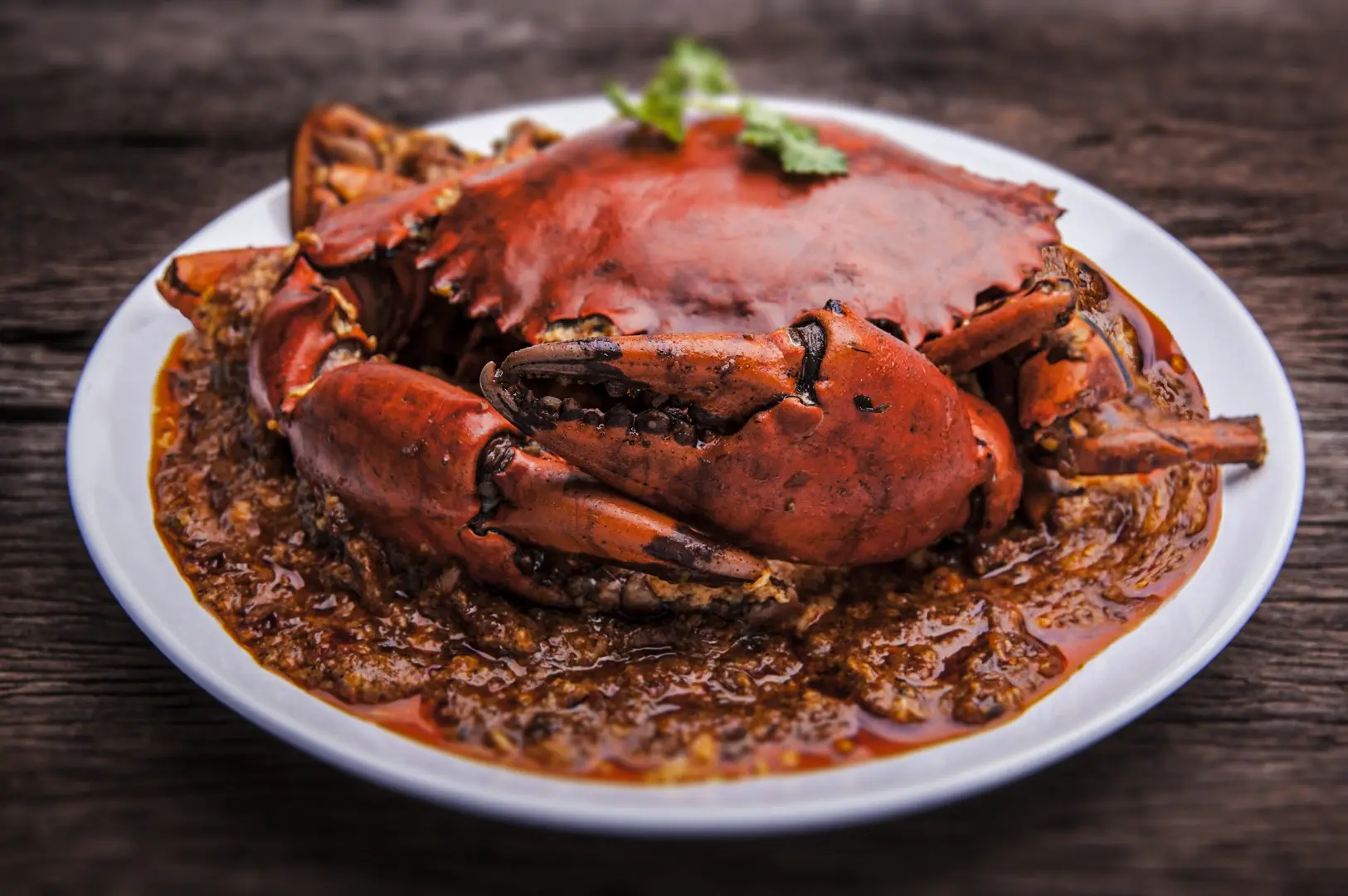
Unmatched in its passion for food at any hour, Singapore’s supper culture is legendary. Many food centres and eating houses remain abuzz with crowds deep into the night, serving up comfort favorites like bak kut teh (pork ribs soup), curry laksa, roti prata, or plates of fried chicken or roast meats, all paired with a bottle of cold beer.
Supper in Singapore isn’t just a late snack—it’s often a main meal, traditionally eaten after work or social events. Popular supper spots like Maxwell Food Centre or 24-hour hawker centres downtown attract everyone from shift workers to night owls, with dining tables often piled high with dishes meant for sharing: oyster omelette, carrot cake, char kway teow, and spicy chilli crab.
Eating Singapore late at night is embraced as a social event—a way to bond, unwind, and indulge, all without the formality seen elsewhere. Whether you crave soft boiled eggs and kaya toast, minced pork noodles, or hainanese chicken rice with fragrant rice cooked to perfection, you’ll find it at any hour.
Carrot Cake and Food Obsession as Social Language
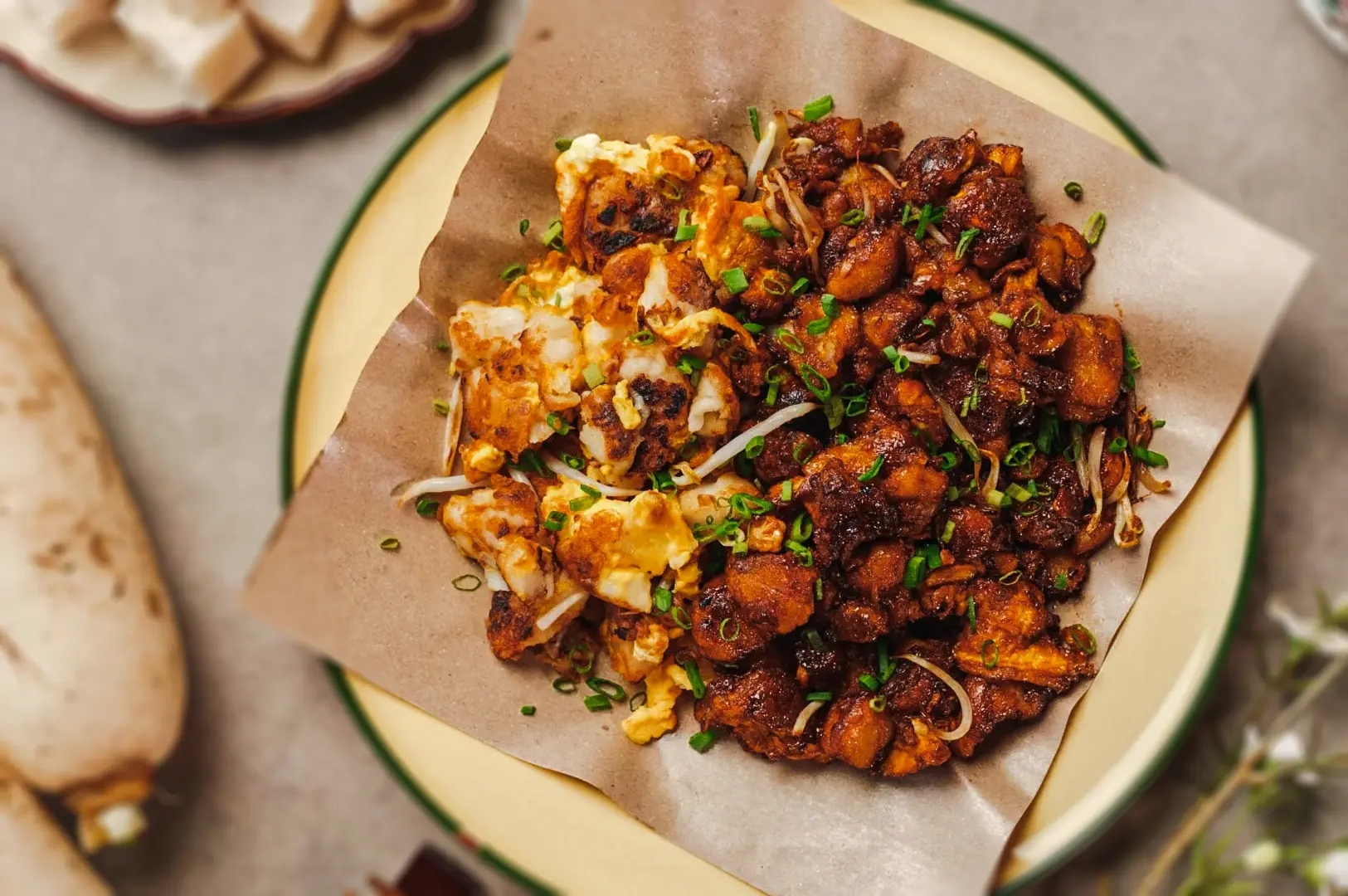
Ask around in Singapore, and you’ll realize food isn’t just sustenance—it’s the number one topic of conversation. People passionately debate where to find the best chicken rice, which hawker stalls serve the most flavorful rice, which eating house does the crispiest fried tofu, or if their local coffee shop makes the best kaya toast.
Singaporeans share recommendations, swap tips on secret menu hacks, and use food as a social icebreaker—the ubiquitous greeting of “you eat already?” says it all. The immense pride in the best hawker stalls and signature dishes keeps the food scene vibrant and constantly evolving, a tradition deliciously amplified by TV, blogs, and now, platforms like ours.
Hainanese Chicken Rice and the Singapore Palate
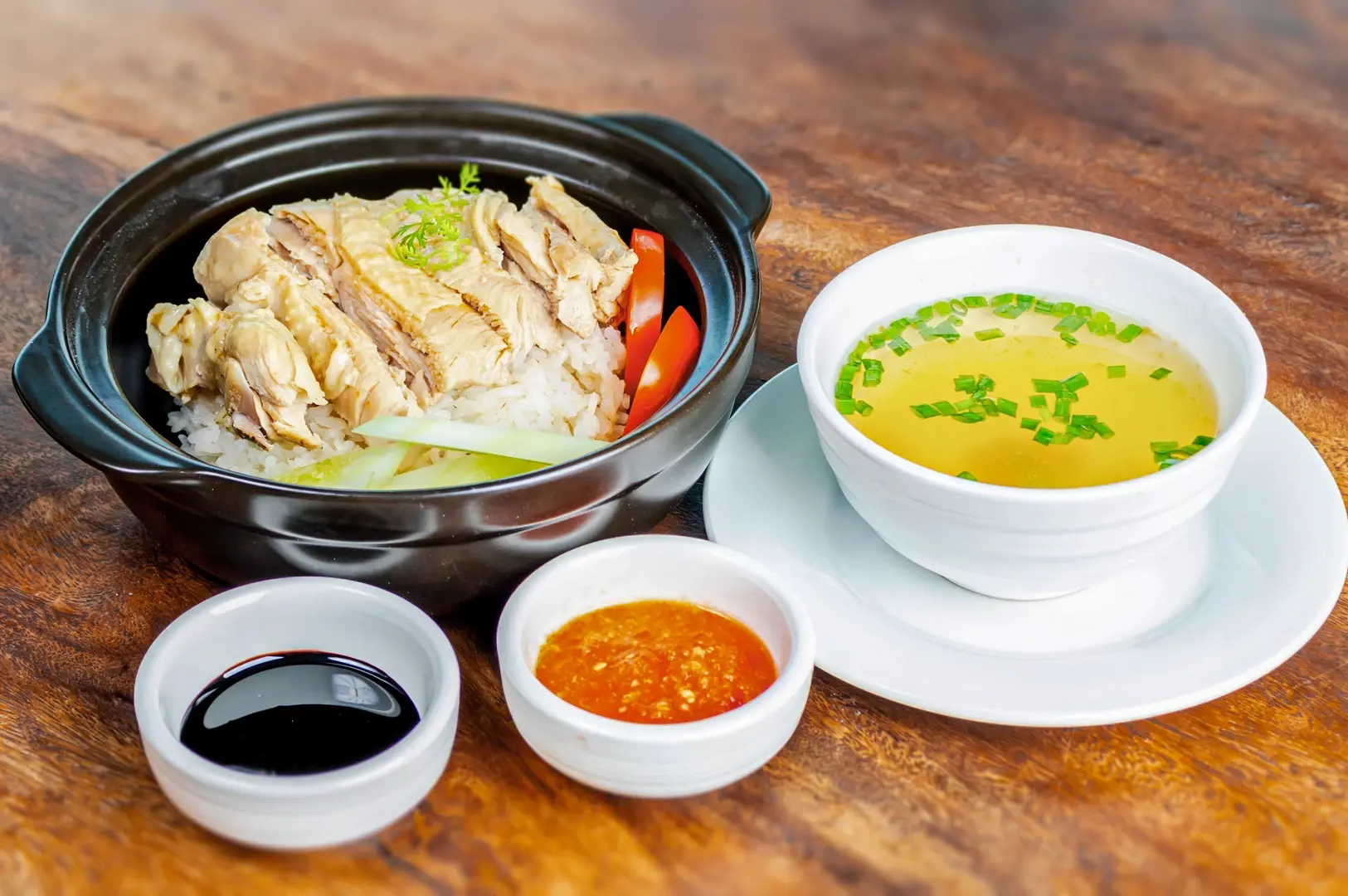
Singaporean food is all about delivering maximum flavor and comfort. The “Singapore palate” craves bold, savory flavors, robust spicy sauces, the umami of pork lard, the tang of chili sauce, and the sweetness of desserts with coconut milk or condensed milk. Standouts like hainanese chicken rice—served with a trio of chili sauce, dark soy sauce, and ginger—reflect the preference for customizable, flavorful meals.
International trends are enthusiastically adopted, then adapted. Japanese ramen shops offer spicy versions loaded with pork belly, while Western cafes sell kaya toast and soft boiled eggs alongside modern brunch fare. Even fine dining borrows from humble roots; it’s not uncommon for Michelin starred restaurants in Singapore to pay homage to classic hawker dishes or street food with a high-end twist.
Dishes like bak chor mee (egg noodles with minced pork), char siu roast meats, nasi lemak with fragrant coconut rice, and white pepper pork ribs all embody a distinctive balance of spice, sweetness, and hearty satisfaction. True to local preferences, the best meals in Singapore are typically served piping hot, with zingy sauces and a dash of innovation.
Best Singapore Restaurants: From Food Court to Michelin Stars
The evolution of Singapore’s fine dining is astonishing and illustrates the nation’s culinary ambition. In just a few decades, the city has gone from humble eating houses and food courts to being on the global map for Michelin starred fine dining, with chefs transforming street food staples like bak kut teh and char kway teow into beautifully plated tasting menus.
This approachability makes fine dining in Singapore far more accessible compared to other cities. Singaporeans from all walks of life save up for high-end meals the same way they seek out the best hawker stalls, viewing it all as part of the vibrant spectrum of Singapore eats. From Jumbo Seafood’s chilli crab and black pepper crab to inventive desserts inspired by shaved ice and glutinous rice, eating Singapore is always an incredibly tasty journey.
Conclusion
Singapore food culture is rich, layered, and deeply celebrated. Spanning from the iconic hawker centres and cozy kopitiams to world-renowned fine dining restaurants, it is shaped by multicultural fusion, community, national pride, and above all, a love for incredible food that’s shared at all times of the day or night.
By pairing this cultural knowledge with the practical advice in our “Singapore Eating: A Complete Guide to Dining Like a Local in Asia’s Food Capital” article, you are equipped with a complete understanding of this food paradise. We at singaporebestrestaurants.com invite you to discover the city’s best singapore restaurants and beloved hawker stalls—not just to enjoy delicious food, but to delve into the living history, innovation, and social connection served with every plate.2`q
