By Tony Min
Dear Singapore,
It wasn’t the food I missed first.
It was the noise.
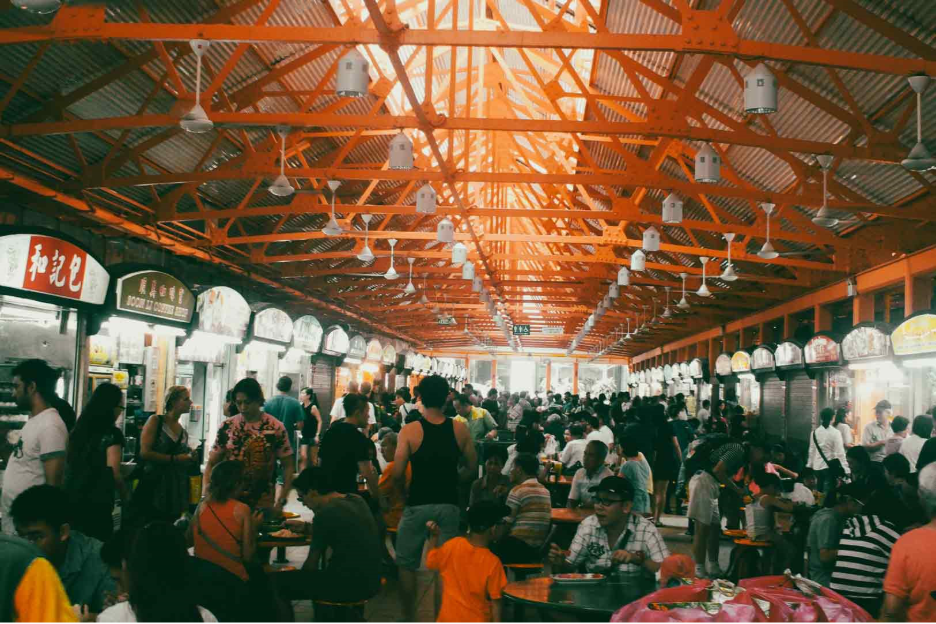
Not the loud kind, the kind that demands attention, but the steady, unremarkable hum that lives inside your hawker centres. The kind you stop noticing only after you’ve left.
Somewhere between a quiet café abroad and a dinner table where conversations stay politely contained, I realized something was missing. Meals felt… contained. Too neat. Plates arrived without announcement. Cutlery didn’t clash. No one called out orders across the room. No auntie moved faster than the line itself.
It took me a while to understand what felt off.
There was no rhythm.
Back home, lunch at Maxwell Food Centre doesn’t begin when the food arrives. It begins earlier, when someone taps coins against the counter, when trays slide just a little too quickly across metal surfaces, when a voice rises above the rest to call out “next!” without looking up.
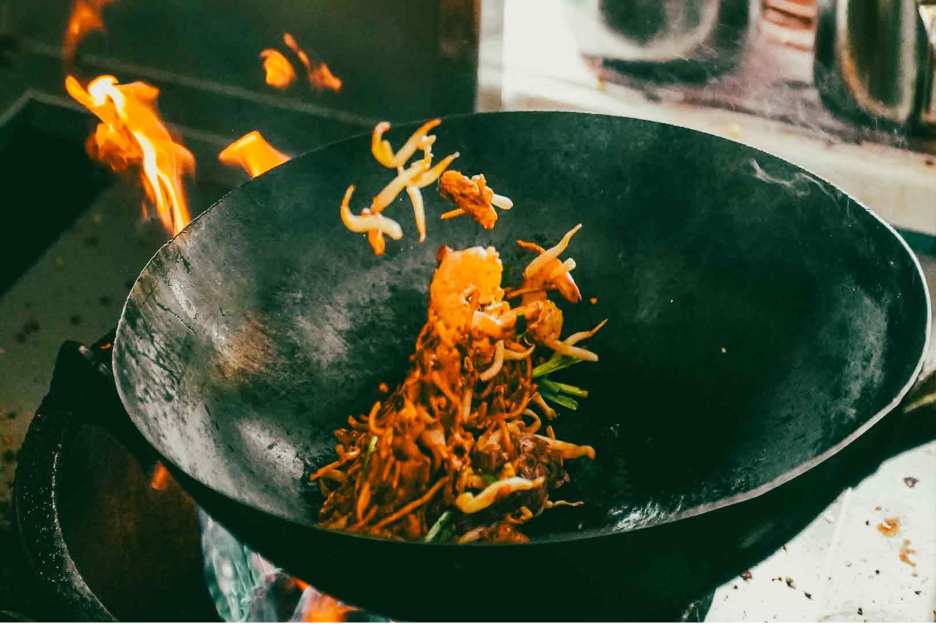
It’s louder, but never chaotic. Just layers. Wok hei hits the air at a char kway teow stall. Plastic chairs scraping in short bursts. The low, constant murmur of people negotiating space, time, and appetite. You don’t hear one thing, you hear everything at once, and somehow it works.
I used to think of it as background noise.
Now I know it was the structure.
Even in smaller places, say, a late lunch at Tiong Bahru Market, the pattern repeats itself. Someone is always finishing just as you arrive. Someone is always waiting just behind you. A bowl of lor mee was placed down with just enough force to announce its presence. No ceremony, but never careless.
There is trust in that environment. No one explains how things work, yet everyone understands. You queue where the line bends. You return your tray without being told. You eat, you leave, and the seat becomes someone else’s without pause.
It’s a shared language, spoken without words.
Elsewhere, meals feel quieter, but also… separate. Tables become islands. Conversations stay within their boundaries. The act of eating becomes individual again, even when you’re not alone.
In Singapore, it rarely feels that way.
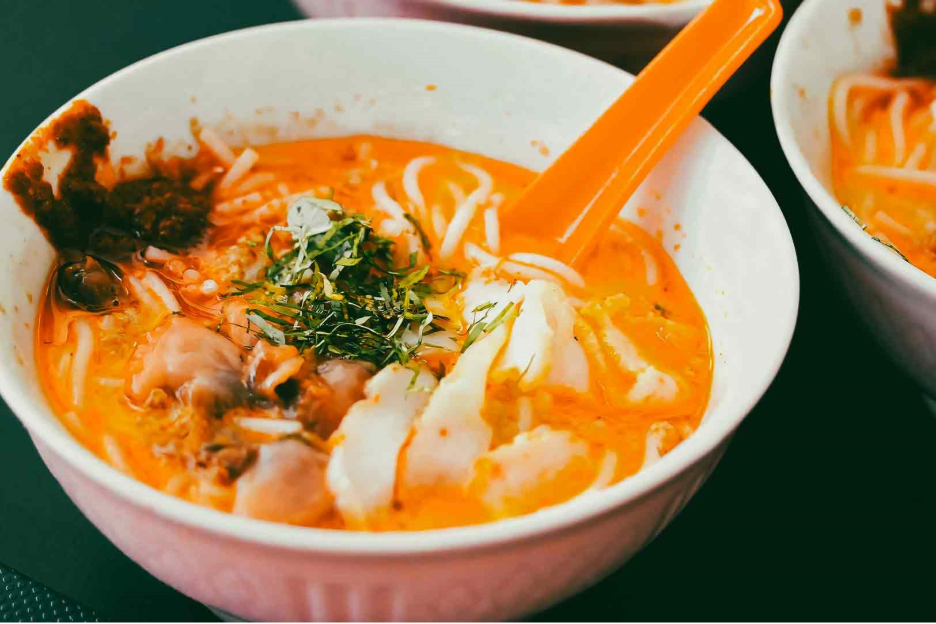
At Old Airport Road Food Centre, even if you sit by yourself, you are still part of something. You hear the uncle at the next table debating whether the laksa has changed. You catch a fragment of someone’s day in a sentence that wasn’t meant for you. You notice the rhythm of trays being cleared, the quiet efficiency that keeps everything moving.
It’s not intrusive. It’s connective.
I didn’t notice how much that mattered until it was gone.
Because the noise isn’t just sound, it’s evidence. Evidence that something is being made, served, shared, and repeated, over and over again. It tells you that food here is not an event. It is a constant.
And perhaps that’s why it lingers.
Not the taste of the chicken rice, though that returns eventually. Not the heat of the sambal or the texture of noodles.
But the sound of a place that never quite stops feeding itself.
I didn’t expect to miss that.
But I do.
And I suspect I always will.
