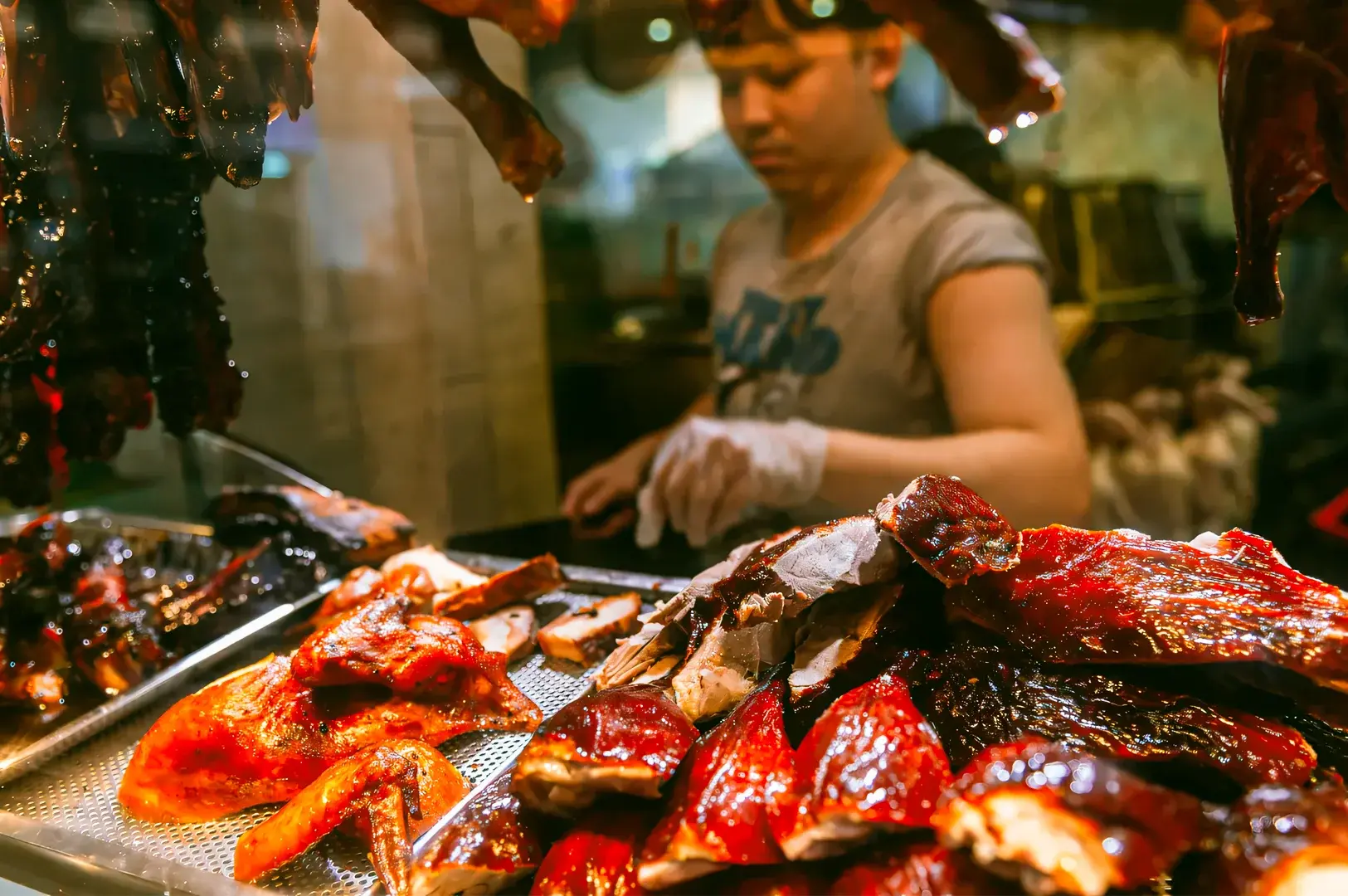
In Singapore, the calendar is not just marked by months and seasons, but by a vibrant and continuous rhythm of culinary celebrations. This city’s dynamic food in Singapore scene is deeply shaped by its multicultural heritage, offering a cycle where one festival feast gracefully transitions into the next. Whether you explore bustling hawker stalls or elegant Singapore restaurants, there is always something to celebrate through the shared language of food. The term ‘hawker center’ refers to the communal venues where locals and visitors alike experience authentic local cuisine, highlighting the variety and cultural significance of Singapore’s street food scene.
The relationship between traditional religious festivals and modern culinary events defines the city’s vibrant dining culture. From auspicious Chinese New Year dishes like hainanese chicken rice to contemporary food festivals featuring innovative dishes, these seasonal rhythms influence both home kitchens and menus across food centres and coffee shops. Hawker centres are a key part of Singapore’s food culture, offering a wide variety of affordable and delicious local dishes. This guide explores the Singapore culinary celebrations that keep the island’s appetite perpetually whetted, offering a look into how tradition and innovation create an ever-evolving culinary calendar Singapore residents and visitors can enjoy.
The Foundation of Singapore’s Culinary Calendar: Hainanese Chicken Rice, Festivals and Food Centres
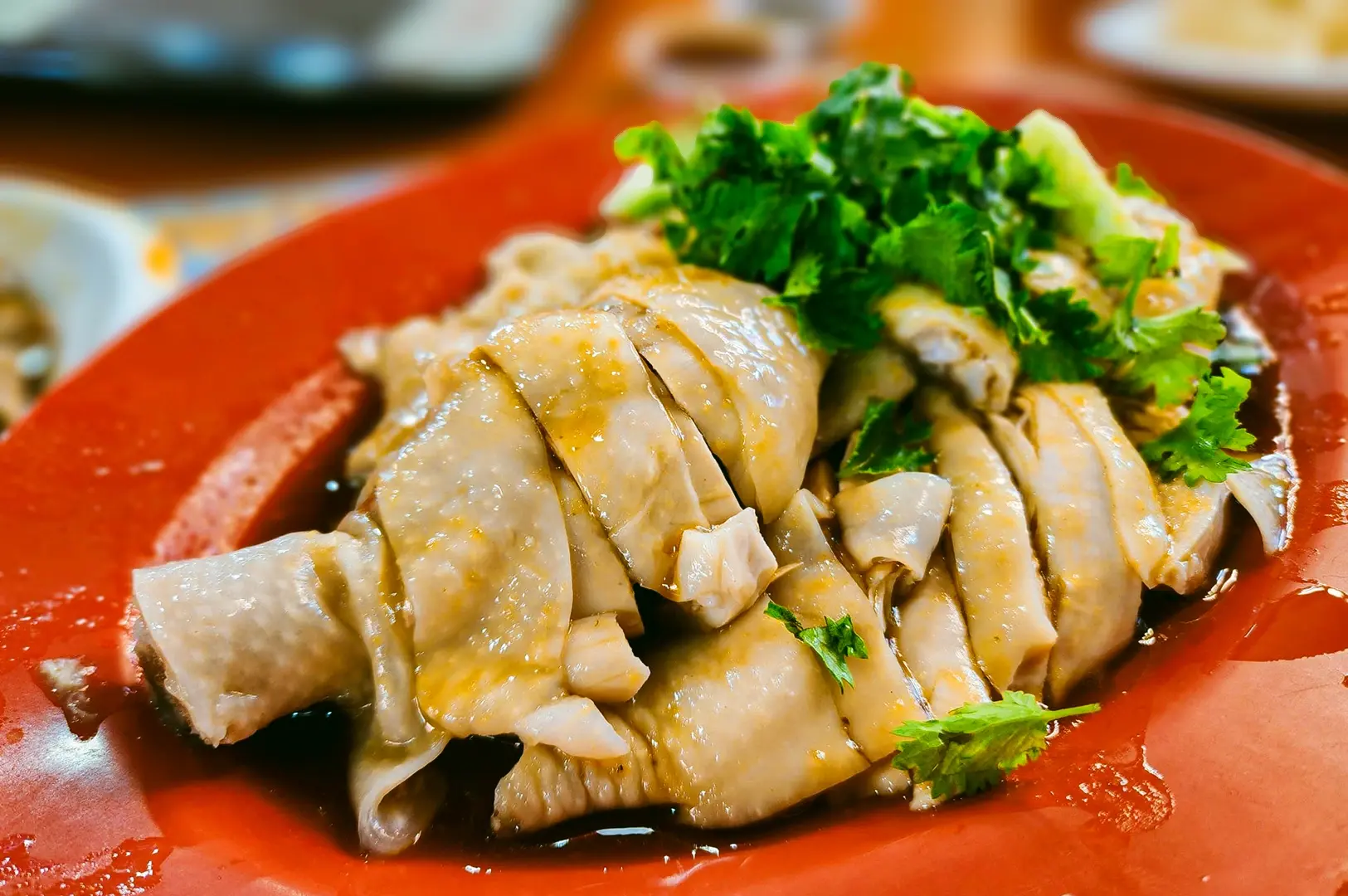
The bedrock of Singapore’s cultural food events is its major ethnic and religious festivals, celebrated widely at hawker centres and food centres. Chinese New Year, Hari Raya Puasa, Deepavali, and Christmas each usher in a distinct culinary season, guided by lunar and religious calendars observed for generations. During these periods, food becomes the primary medium for celebrating heritage and community.
Chinese New Year fills homes and restaurants with symbolic dishes like yu sheng for prosperity and pineapple tarts made from rice flour for good fortune. The beloved hainanese chicken rice, a popular dish with its fragrant rice cooked in chicken fat, is considered Singapore’s national dish and is a must-try when visiting the city. Following the fasting month of Ramadan, Hari Raya Puasa is a time for Malay families to prepare rich dishes such as chicken curry and nasi lemak featuring coconut milk-infused rice, often made with basmati rice for its fragrance and fluffy texture. Nasi Lemak is a traditional Malay dish featuring fragrant rice cooked in coconut milk, served with sambal and various sides. Deepavali showcases the Indian food community’s vibrant sweets and snacks, including festive goodies like carrot cake and steamed rice cakes, some of which use glutinous rice as a key ingredient for their sticky and flavorful texture. Christmas brings roast turkeys and log cakes to the forefront.
This interplay between home cooking and dining out is central to Singapore festival dining. Families might prepare time-honored recipes, but they also flock to hawker stalls and food centres for reunion dinners and festive gatherings, creating a surge in demand for special menus that honor these Singapore food traditions.
Contemporary Culinary Events Throughout the Year: Food Tours and Festivals
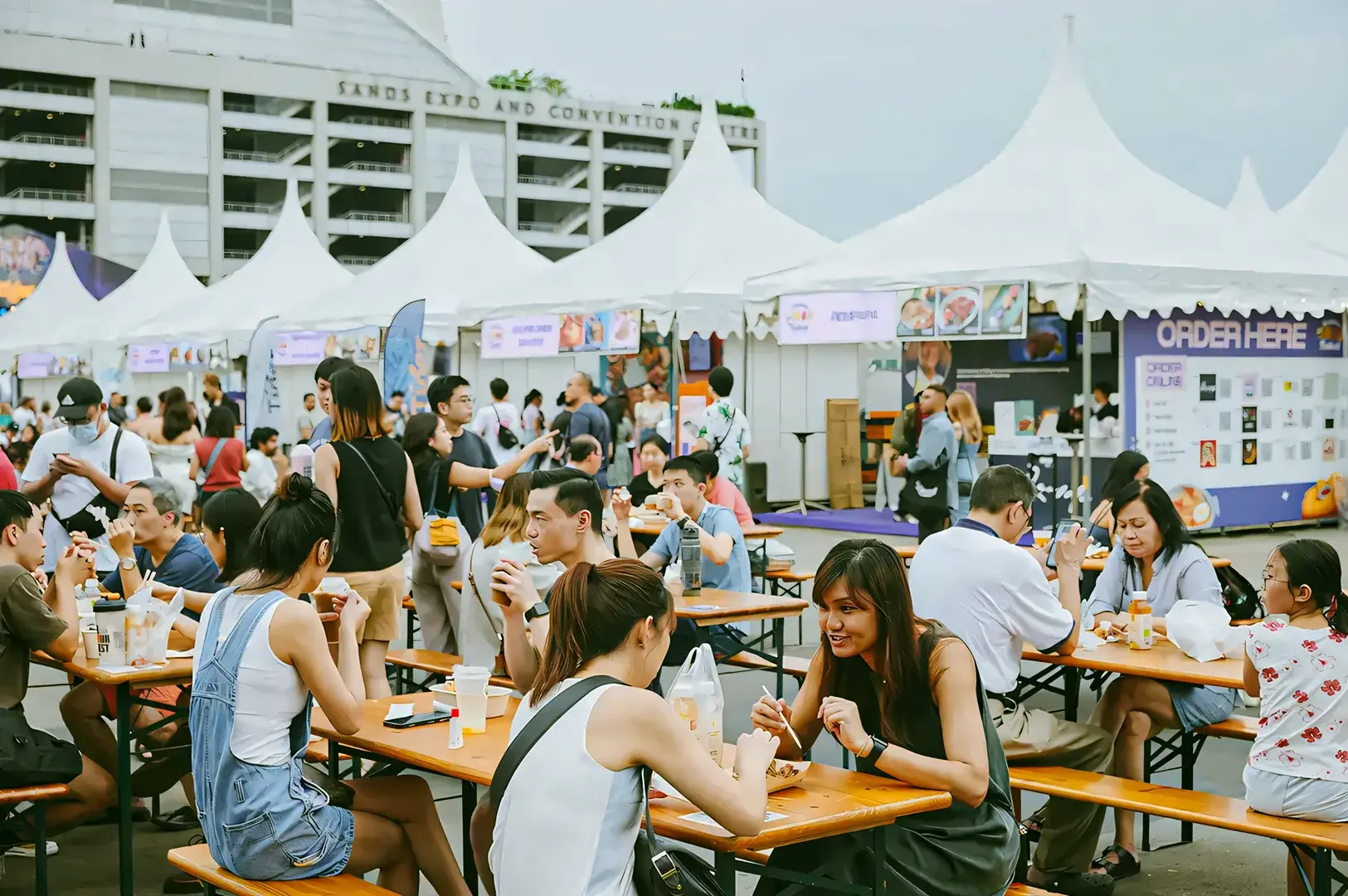
Complementing traditional observances are modern Singapore food festivals and events that punctuate the year with new flavors. These contemporary gatherings reflect Singapore’s status as a global culinary hub, attracting locals and visitors alike with exciting programming. Food tours are a popular way for visitors to experience a curated selection of local dishes, hidden gems, and unique food offerings across different neighborhoods. Events like the Singapore Food Festival showcase the breadth of local talent, from hawker heroes serving fried chicken, char kway teow made with flat rice noodles and yellow egg noodles, to fine dining innovators. The best hawker stalls are often featured at these events, drawing crowds for their renowned dishes.
Throughout the year, Singapore restaurants participate in seasonal promotions, themed dining weeks, and chef collaborations, creating additional reasons to celebrate. These year-round food events Singapore hosts often highlight international culinary influences, bringing world-renowned chefs for pop-ups and masterclasses.
Specialized events also cater to niche interests, such as plant-based food fairs, wine festivals, and craft beer celebrations. These modern events ensure that the rhythm of celebration extends beyond cultural heritage, offering fresh and exciting experiences that keep the dining scene vibrant.
Singapore’s culinary landscape blends heritage and innovation, featuring Michelin-starred street food and high-end fusion dining.
How Seasonal Celebrations Shape Daily Dining: Hawker Stalls and Food Centres
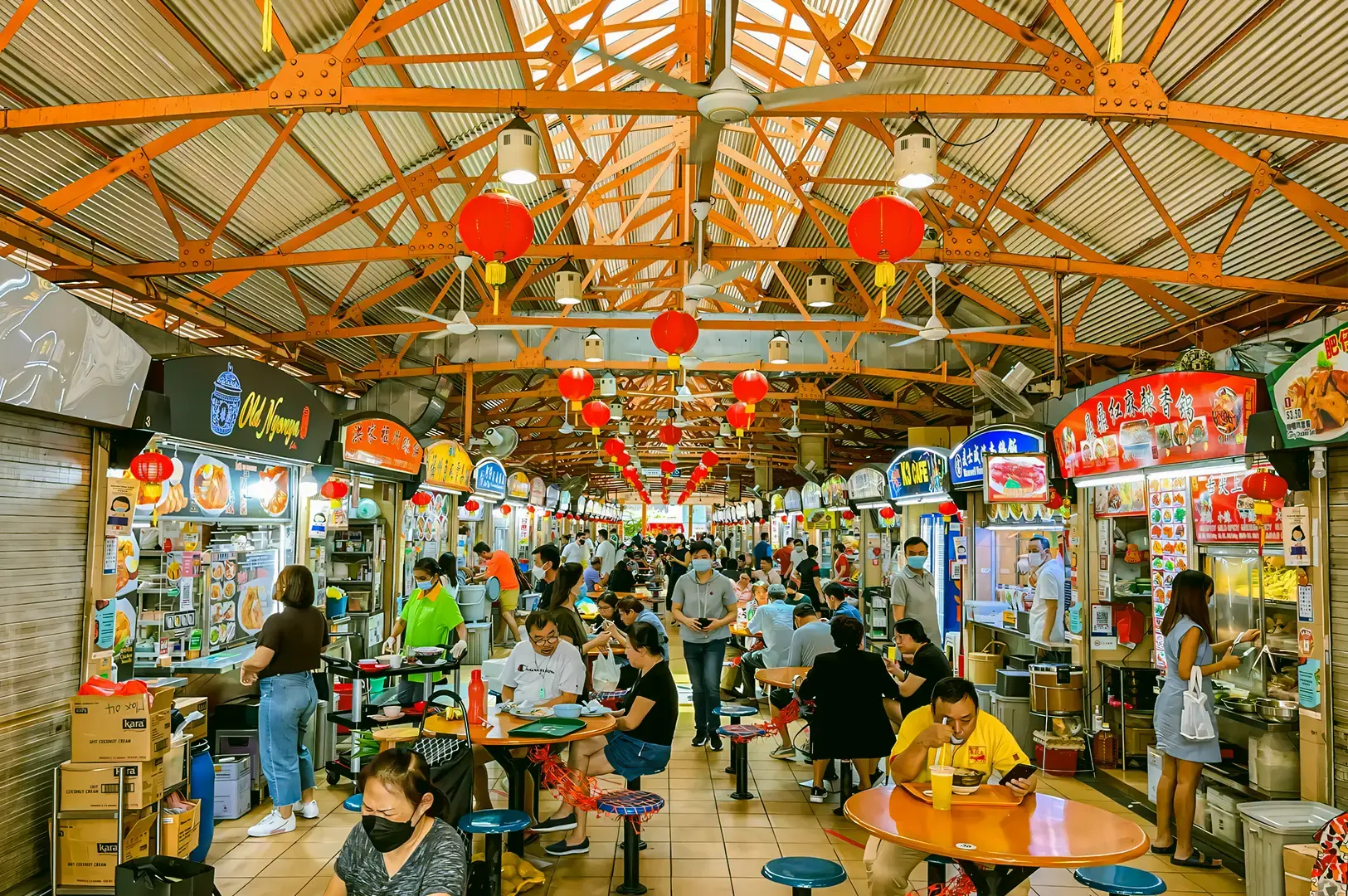
The influence of Singapore culinary celebrations extends far beyond the festival dates themselves. In the weeks leading up to major events, the entire island’s dining landscape shifts. Hawker centres stock special ingredients, bakeries sell festive goodies like carrot cake and steamed rice cakes, and restaurant menus feature seasonal specialties.
This extended period of celebration means even daily dining is touched by the festive spirit. Hawker stalls in neighborhoods like Geylang Serai or Chinatown might offer limited-time dishes, often accompanied by sambal chili—a popular condiment that enhances the flavor of these offerings. Casual eateries create special set meals, with sambal chili frequently served on the side to complement the spicy and savory flavors. For restaurants, it is a time to balance tradition with innovation. Many offer classic festival dishes alongside modern interpretations, giving diners a choice between comforting nostalgia and creative novelty.
The atmosphere during these periods is unique. The air is filled with anticipation and a shared sense of community, making any dining experience feel a little more special. This constant rotation of seasonal dining Singapore offers ensures there is always a new flavor or tradition to explore, from the spicy chili crab and chilli crab to dishes featuring minced pork, fish balls, and tofu puffs. Dishes like char kway teow are typically stir-fried with bean sprouts, which add a crunchy texture and freshness, and are known for their savory flavors and umami-rich profiles. Char Kway Teow is a beloved stir-fried noodle dish in Singapore, made with flat rice noodles, eggs, and various proteins, often cooked over high heat for a smoky flavor.
Planning Your Experience of Singapore’s Culinary Rhythm: Food Tour Highlights and Local Favorites
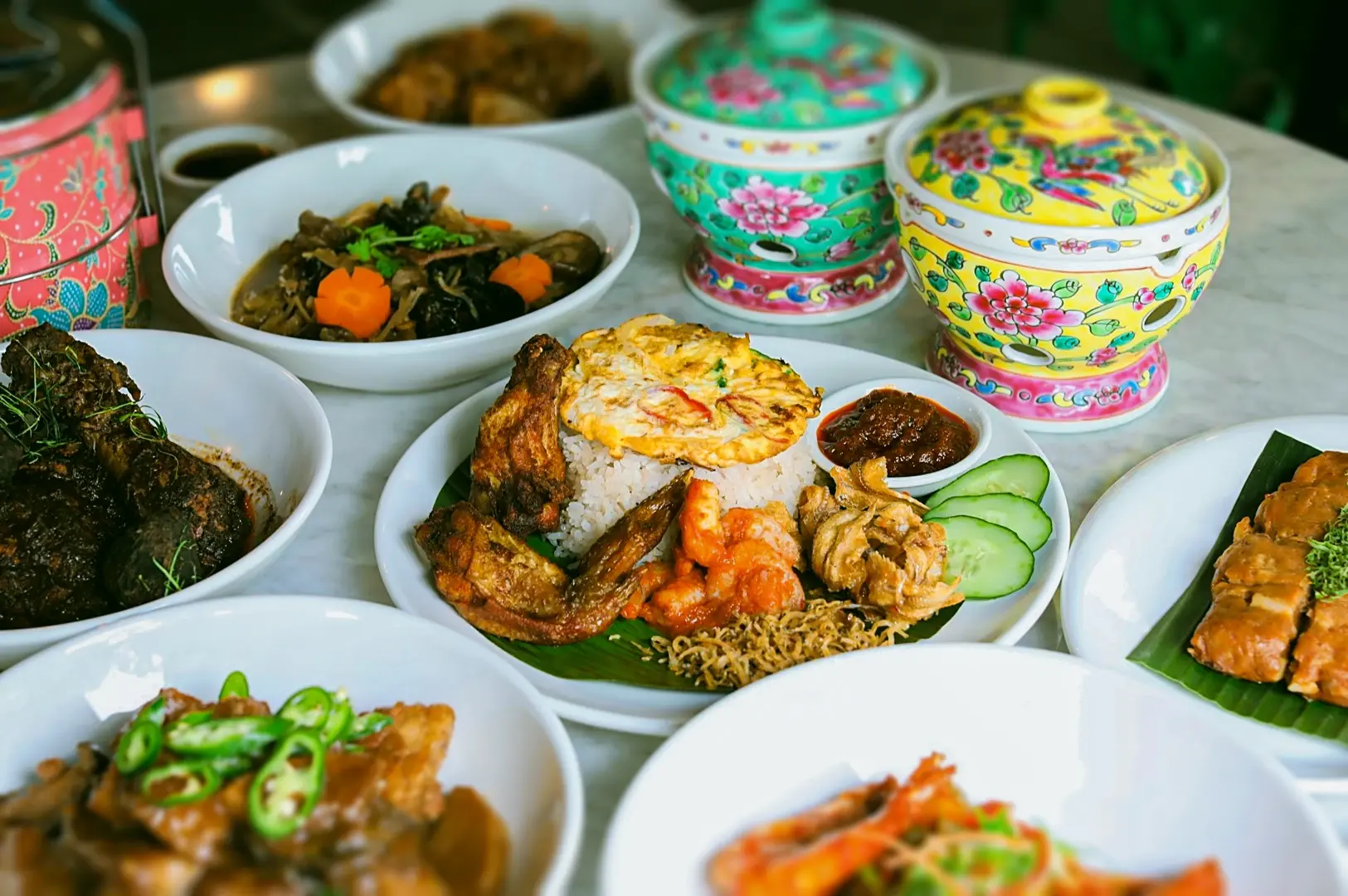
To fully experience Singapore’s culinary rhythm, it helps to understand the flow of the year. The first quarter is dominated by Chinese New Year festivities, featuring Singaporean dishes like hainanese chicken rice served with chili sauce and dark soy sauce. Mid-year brings Hari Raya and the Singapore Food Festival, showcasing Singaporean dishes such as peranakan food and grilled meat skewers. The final quarter builds towards Deepavali and Christmas, with a flurry of feasting that includes Indian food specialties and festive treats.
Advance planning is wise for popular Singapore festival dining experiences, as top restaurants and hawker stalls are often booked weeks in advance for reunion dinners or special set menus. Neighborhoods also offer unique experiences; for instance, the streets of Little India are particularly vibrant during Deepavali.
When planning your visit, be sure to include Maxwell Food Centre for a taste of authentic Singaporean dishes. Maxwell Food Centre is known for Tian Tian Chicken Rice, a popular dish in Singapore.
Beyond the major festivals, keep an eye out for contemporary year-round food events Singapore hosts, often promoted online. School holidays and even the tropical weather influence the culinary calendar Singapore follows, with more indoor food events scheduled during warmer months. Both traditional and modern celebrations are accessible, offering something for every budget and taste.
Conclusion
Singapore’s continuous cycle of celebrations creates a culinary dynamism that is truly unique. This rhythm, where sacred traditions are complemented by modern innovation, ensures the island’s food scene is never static. It is a place where the past is honored at the dinner table, even as the future of food is being imagined in its kitchens.
We encourage you to engage with both the cultural festivals and the contemporary culinary events that make up the rich tapestry of food in Singapore. By experiencing this seamless flow from one celebration to the next, you can fully appreciate the vibrant, ever-evolving heart of the nation’s culture.
