Singapore is far more than just a stopover; it is a global culinary crossroads where diverse cultures converge to create one of the world’s most dynamic food scenes. Here, heritage isn’t just preserved in museums but cooked daily in woks, claypots, and steamers across the island. What distinguishes the experience when you eat in Singapore is the seamless proximity of the humble and the haute. A single day might take you from a $4 Michelin-recognized hawker meal to a world-class degustation menu, often within the same neighborhood. Singapore’s culinary landscape blends Chinese, Malay, and Indian cultures in its local foods.
To truly appreciate restaurants in Singapore, one must understand the ecosystem that supports it. It’s a complex web of wet markets, kopitiams (traditional coffee shops), and modern bistros that feed a nation obsessed with delicious food. These coffee shops are traditional establishments with a nostalgic atmosphere, serving coffee, tea, kaya toast, soft boiled eggs, and local breakfast specialties, and are significant to Singapore’s cultural heritage. Navigating this landscape requires more than an appetite; it requires an understanding of the cultural rhythms that dictate when, where, and how locals eat.
Best Hawker Stalls and Hawker Centres: Understanding Singapore’s Food Landscape
The bedrock of Singapore food culture lies in its unique dual structure: the ubiquitous hawker centres and the diverse restaurant scene. To dismiss hawker centres as mere street food is to misunderstand the Singaporean soul. These open-air complexes are cultural institutions where the community gathers. They are hygienic, regulated, and home to dedicated artisans who often spend decades perfecting a single dish. Hawker centres function as a type of food court, offering a communal dining space where a wide variety of local dishes are available from different vendors. Visiting best hawker stalls and hawker centres residents frequent is essential for tasting the unvarnished truth of local cuisine.
Navigating between these options offers different Singapore authentic dining experiences. A hawker meal is fast, efficient, and solitary or communal depending on the crowd. A zi char dinner is boisterous, messy, and social. Fine dining in Singapore, meanwhile, is sophisticated and cosmopolitan, often fusing local ingredients like coconut milk and fresh seafood with Western techniques. Knowing when to choose a plastic stool over a cushioned chair is the first step in unlocking memorable dining Singapore has to offer.
Hainanese Chicken Rice: Singapore’s Signature Dish
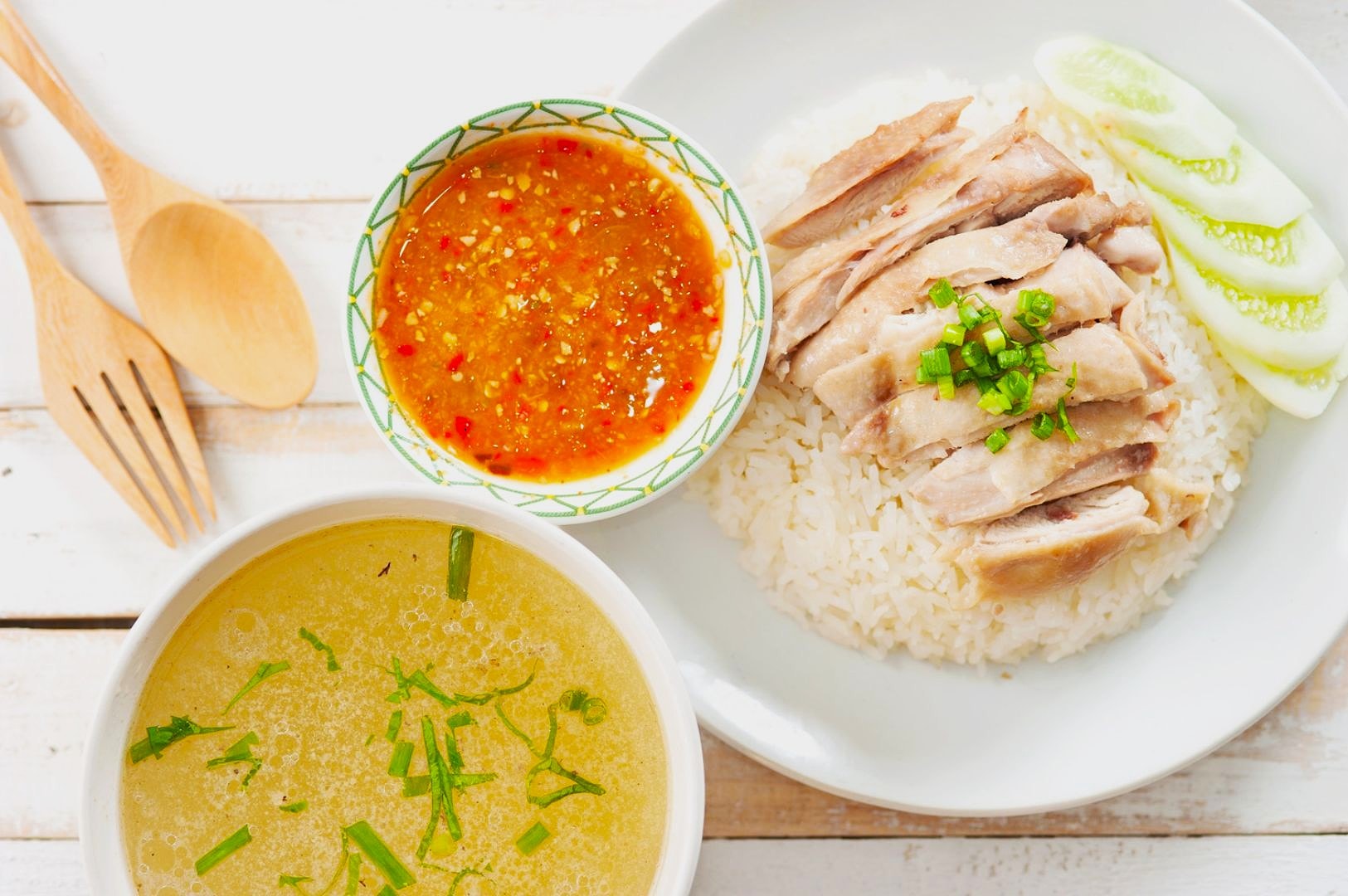
No exploration of best eat Singapore is complete without trying hainanese chicken rice, a dish that originated from Chinese immigrants from Hainan province and has become a national dish in Singapore. It is arguably the country’s most famous dish and a true signature dish. This simple yet flavorful meal features tender poached or roasted chicken served over flavorful rice cooked in chicken stock, garlic, and ginger. The flavorful rice is the heart of the dish, often accompanied by a trio of dipping sauces: chili sauce, pureed ginger, soy sauce, and a spicy sauce. White pepper is sometimes used as a seasoning for the chicken or the soft boiled eggs often served alongside, making for a perfect breakfast or lunch.
One of the most iconic places to try this chicken rice is Maxwell Food Centre, a bustling food centre known for its variety of hawker stalls. Here, you can enjoy a plate of chicken rice alongside other staples like fried tofu, bean sprouts, and fried fish. The hawker centres like Maxwell are where many locals and visitors alike go to eat in Singapore for affordable, authentic meals.
Exploring Hawker Centres: The Heart of Singapore’s Street Food
Hawker centres are the beating heart of Singapore’s vibrant street food scene. Singapore offers a vibrant food scene centered around iconic hawker centers. These open-air food courts house numerous hawker stalls, each specializing in a particular dish. From char kway teow to bak kut teh, these centres offer an incredible variety of Singaporean food with savory flavors that excite the taste buds. Many of these dishes are enhanced by condiments like chilli sauce, especially for favorites such as chwee kueh or laksa.
Popular dishes you’ll find at hawker centres include char kway teow, a stir-fried noodle dish made with flat rice noodles, egg noodles, pork slices, minced pork, Chinese sausage, fish cake, and crunchy bean sprouts, all cooked in pork fat or pork lard for that signature smoky flavor. Another must-try is the oyster omelette, a deep fried dish traditionally served with a thick sauce and chili. Don’t miss out on carrot cake made with glutinous rice and fried to perfection, often served alongside fried tofu.
For those seeking a deeper understanding of Singapore’s food culture, guided tours are available that highlight the history and cultural significance of various dishes.
Chili Crab and Black Pepper Crabs: Iconic Seafood Delights
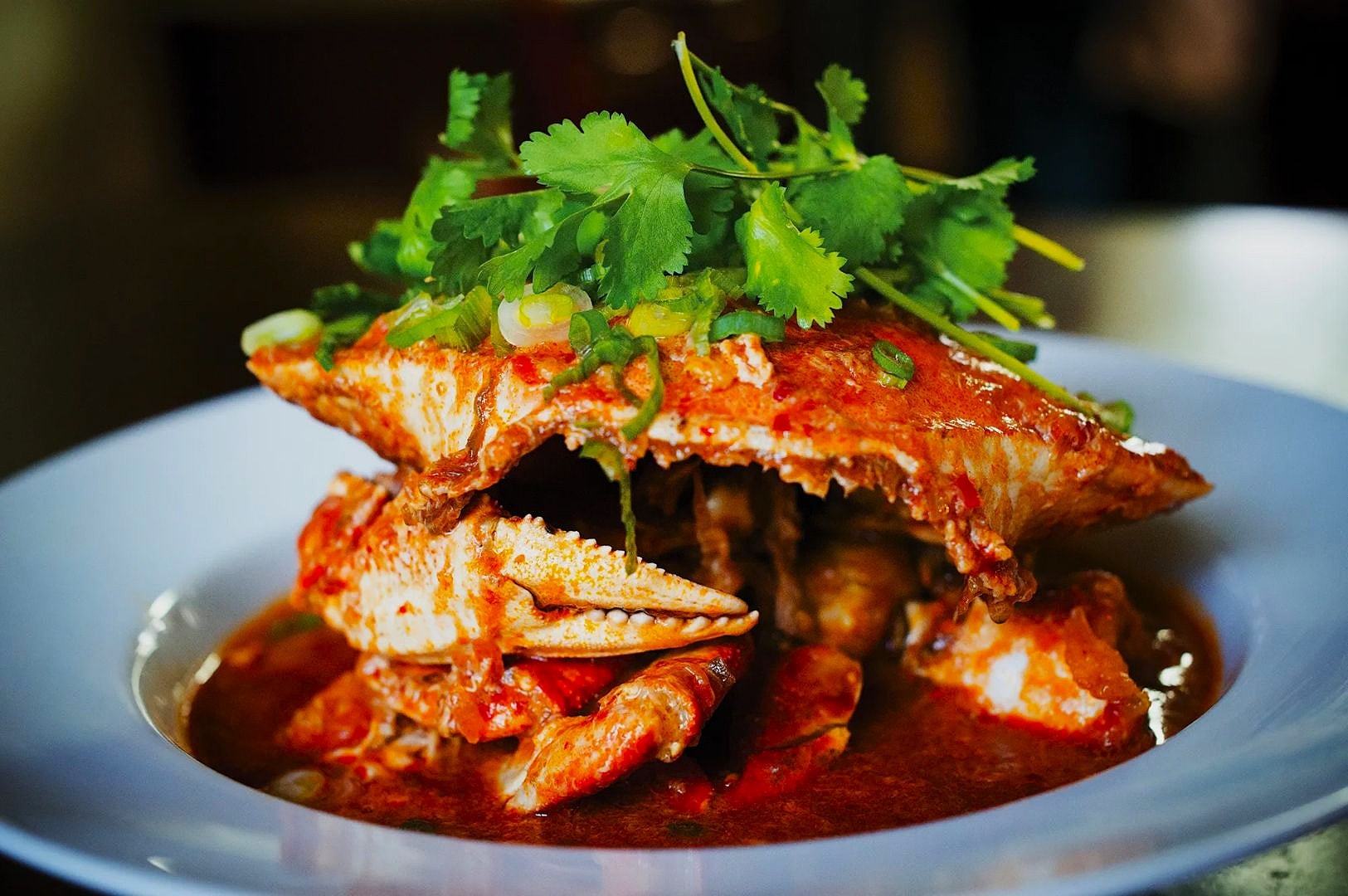
Among the best Singapore restaurants and hawker stalls, seafood lovers must try chilli crab—a must-try street food and national dish—and black pepper crabs, two of the most popular dishes in the city. Chilli crab is often referred to as one of Singapore’s national dishes, featuring crabs cooked in a thick, sweet, and tangy tomato-based sauce. JUMBO Seafood is iconic for Singapore Chilli Crab. Another popular variant is white pepper crab, seasoned with white pepper for a distinct flavor. The dish is messy but incredibly rewarding, best enjoyed with a side of fragrant rice or vermicelli noodles.
For those who prefer a spicier kick, black pepper crabs are coated in a spicy black pepper and garlic butter sauce that complements the sweetness of the crab meat. Many seafood restaurants and hawker centres serve these dishes alongside other fresh seafood options, making it a must-try for anyone wanting to experience the best of Singapore’s culinary scene.
Char Kway Teow: A Popular Noodle Dish
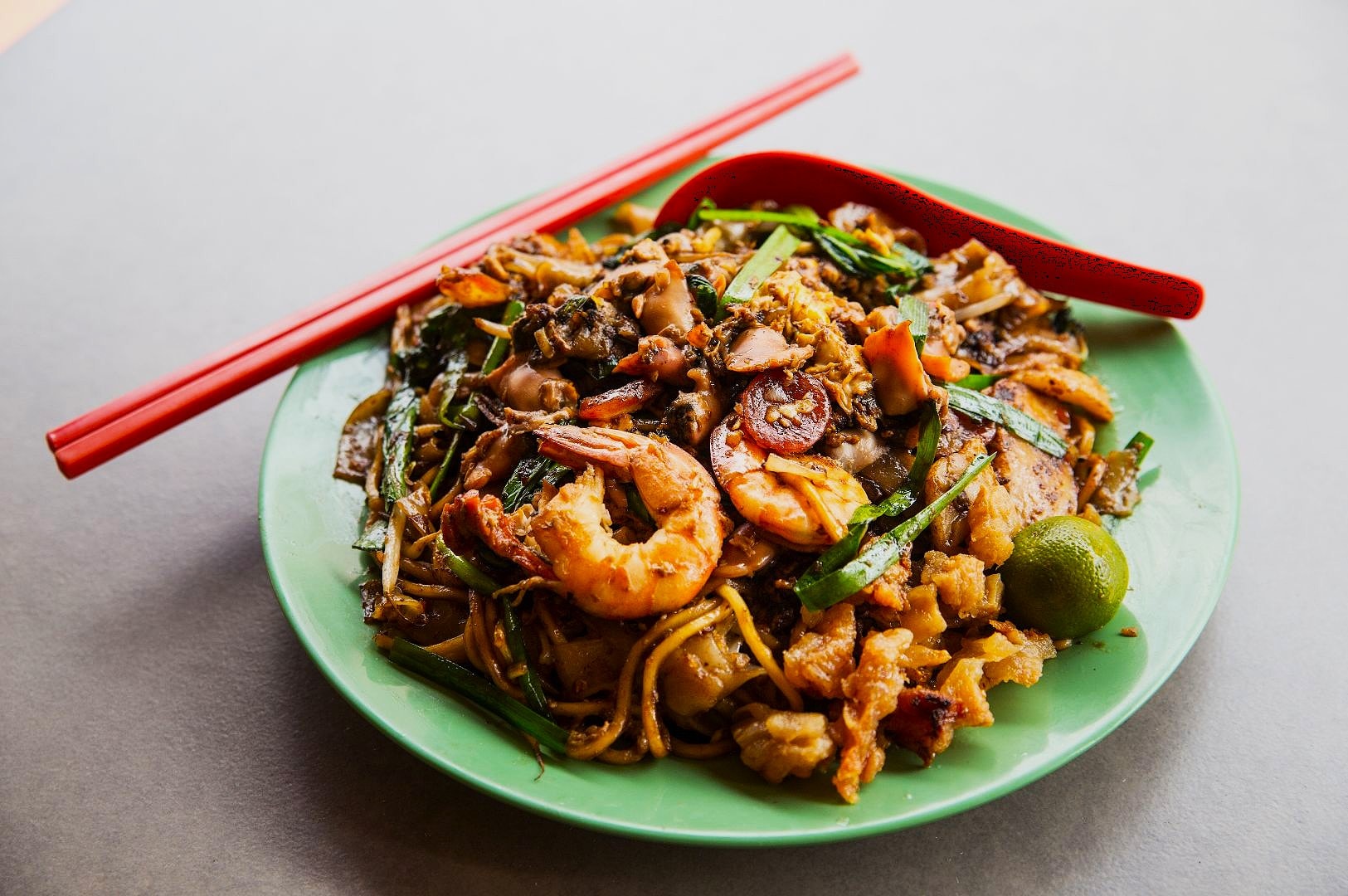
Char kway teow is a popular stir-fried noodle dish in Singapore with roots in Chinese cuisine, known for its savory flavors and smoky aroma. It is made with flat rice noodles, stir-fried with egg noodles, pork slices, Chinese sausage, bean sprouts, and often fried fish or cockles. Char kway teow is often cooked in pork fat, which enhances its rich taste. The dish is typically served hot, garnished with fresh chives and sometimes accompanied by sliced red chili or lime on the side. The use of pork fat and dark soy sauce gives the dish its characteristic rich taste. This popular dish is typically found at many hawker stalls and is a favorite among locals and tourists alike.
Bak Kut Teh: A Comforting Herbal Soup
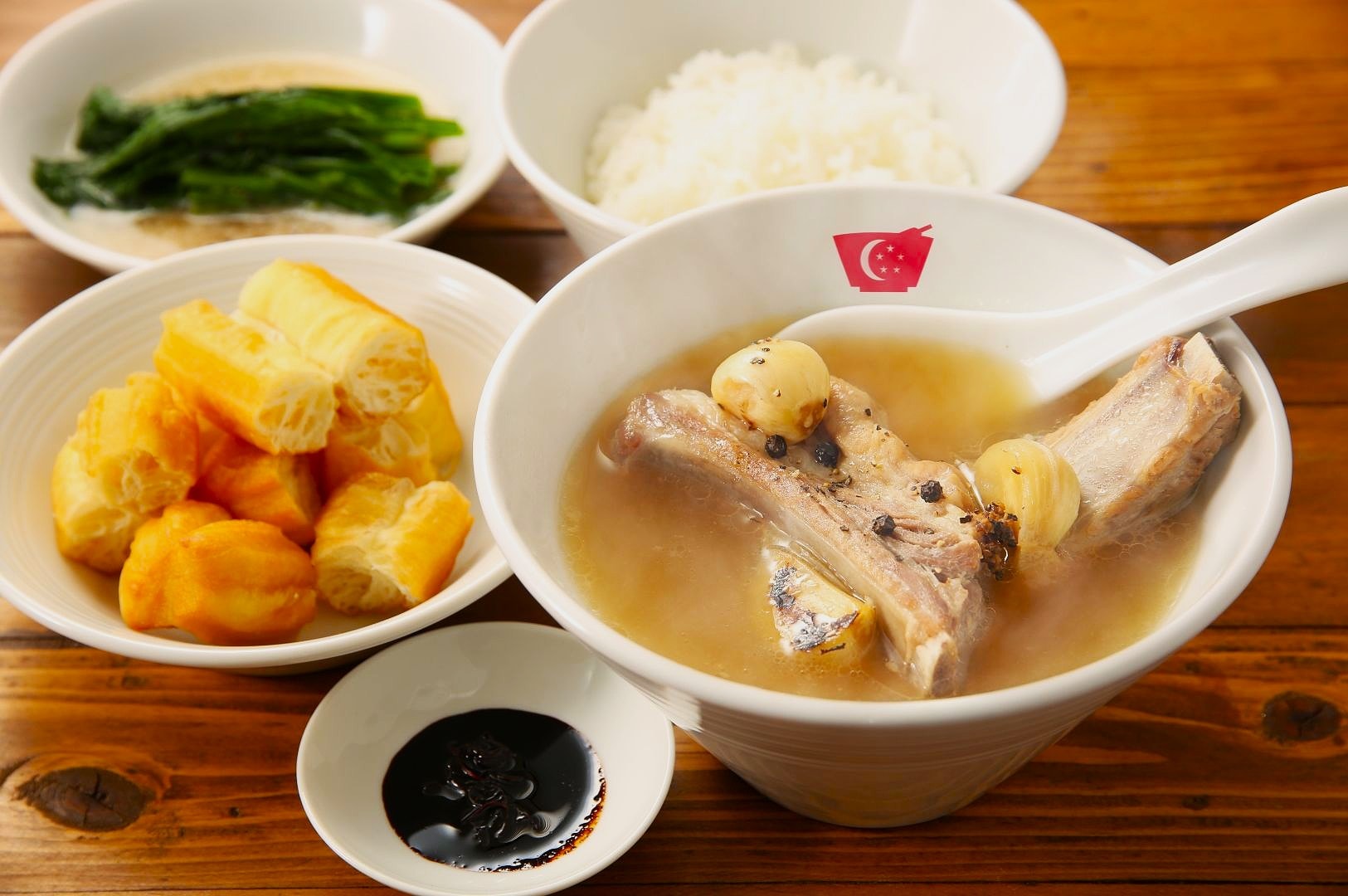
Another cornerstone of Singaporean cuisine is bak kut teh, a hearty soup made by simmering pork bones and ribs in a broth infused with herbs, garlic, and spices, with white pepper as a key seasoning. Bak Kut Teh means ‘meat bone tea’ and has Chinese origins. This dish is typically served with fragrant rice cooked in chicken stock and tea, and accompanied by side dishes like fried tofu, rice cakes, and crunchy bean sprouts. Many best hawker stalls specialize in this dish, which is enjoyed year-round, especially on cooler days.
Food Centres and Coffee Shops: The Social Dining Experience
Beyond hawker centres, coffee shops or kopitiams play a vital role in Singapore’s food culture. They offer a relaxed atmosphere to enjoy staples like kaya toast with condensed milk, soft boiled eggs, and strong local coffee. Places like Ya Kun Kaya Toast are famous for serving this simple yet incredibly tasty breakfast combo.
Food centres like Maxwell Food Centre and Chinatown Complex Food Centre are hubs where you can sample a wide range of dishes from different ethnic backgrounds, including Peranakan food, Malay dishes such as nasi lemak and chicken curry, and Chinese roast meats like pork belly and pork slices.
Carrot Cake and Other Local Favorites
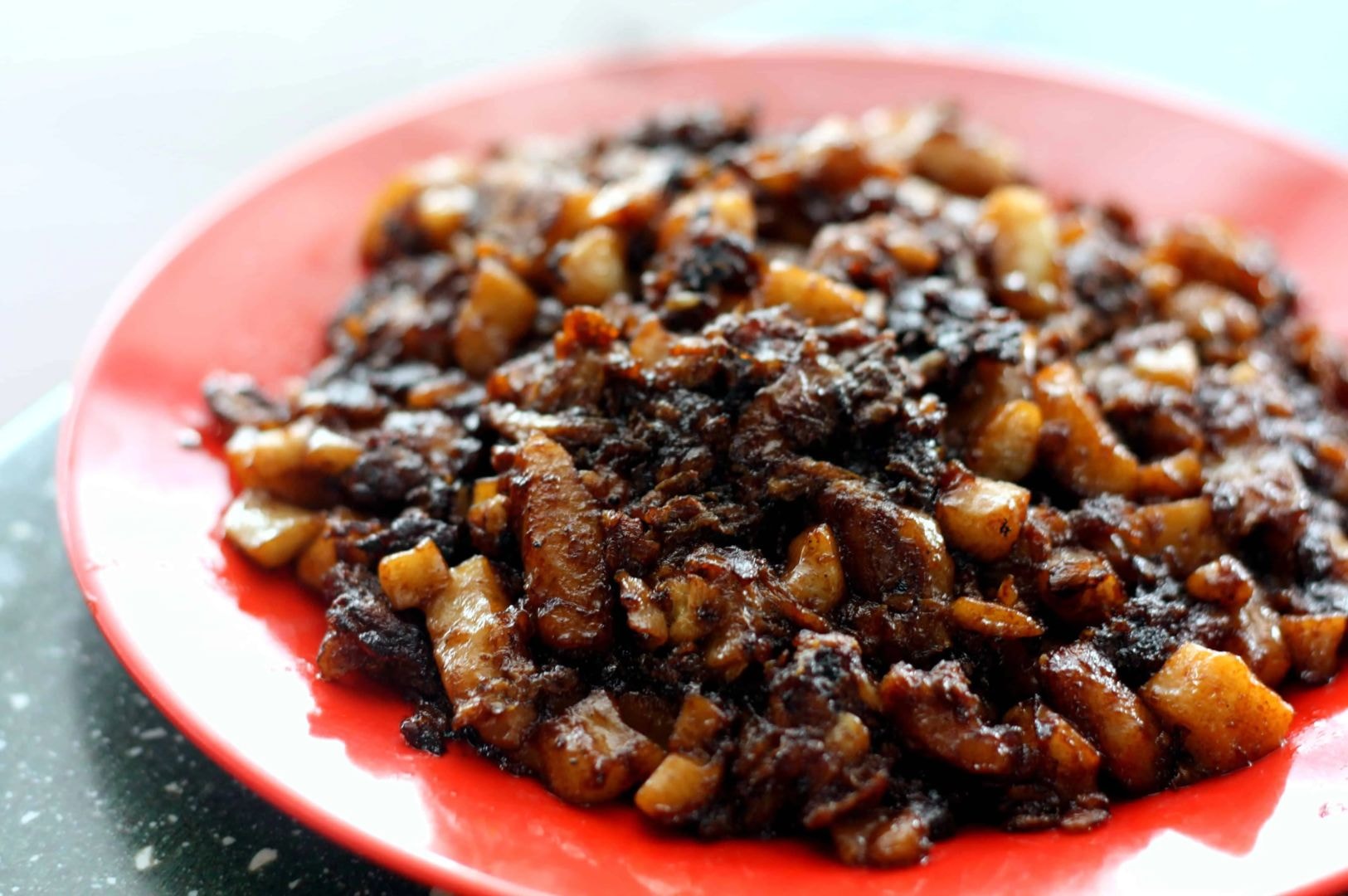
No trip to Singapore is complete without trying carrot cake, a dish made from shredded radish and glutinous rice flour, fried with eggs and often pork lard or pork fat. It’s crispy on the outside and soft on the inside, making it a perfect snack or side dish, and is often enjoyed with chilli sauce for an extra kick.
Other local favorites include roti prata, a flaky, pan-fried flatbread served with curry, which is traditionally eaten for breakfast or supper, and curry laksa, a spicy noodle soup made with coconut milk and rice noodles. These dishes showcase the rich diversity and fusion of flavors that define Singaporean food.
Another must-try is beef rendang, a traditional, flavorful Southeast Asian dish known for its rich, aromatic spices and cultural significance. Nasi Lemak, traditionally eaten for breakfast, is a traditional Malay dish consisting of rice cooked in coconut milk, served with sambal, fried anchovies, peanuts, and cucumber. Peranakan cuisine, which blends Chinese and Malay influences, is characterized by its use of local spices and ingredients, creating unique flavors.
Best Singapore Restaurants and Bars for a Night Out
For those looking to explore beyond street food, Singapore boasts a vibrant scene of restaurants in Singapore and Singapore bars offering everything from fine dining to casual cocktails. Many of these establishments creatively incorporate local ingredients like basmati rice, fragrant rice, and traditional spices into their menus.
Whether you’re craving a plate of fried chicken paired with a cold beer or an elegant tasting menu featuring black pepper crabs, Singapore’s dining landscape is sure to satisfy every palate. Discover more exquisite flavors and eats to look forward to, and do so with finds such as the best omakase in Singapore.
Conclusion
Best eat Singapore is an adventure that rewards curiosity. By stepping out of the air-conditioned malls and into the humid, aromatic air of a hawker centre, or by venturing into the residential heartlands of Katong and Tiong Bahru, you gain more than just a meal—you gain an education.
These venues offer a window into the multicultural harmony that defines the nation. Embracing the local customs, from “choping” a table to eating roti prata with your hands, enriches your understanding of the people and their history. So, leave your preconceptions at the door and prepare to eat Singapore authentically, savoring every complex, spicy, and savory bite of this incredible food paradise.
