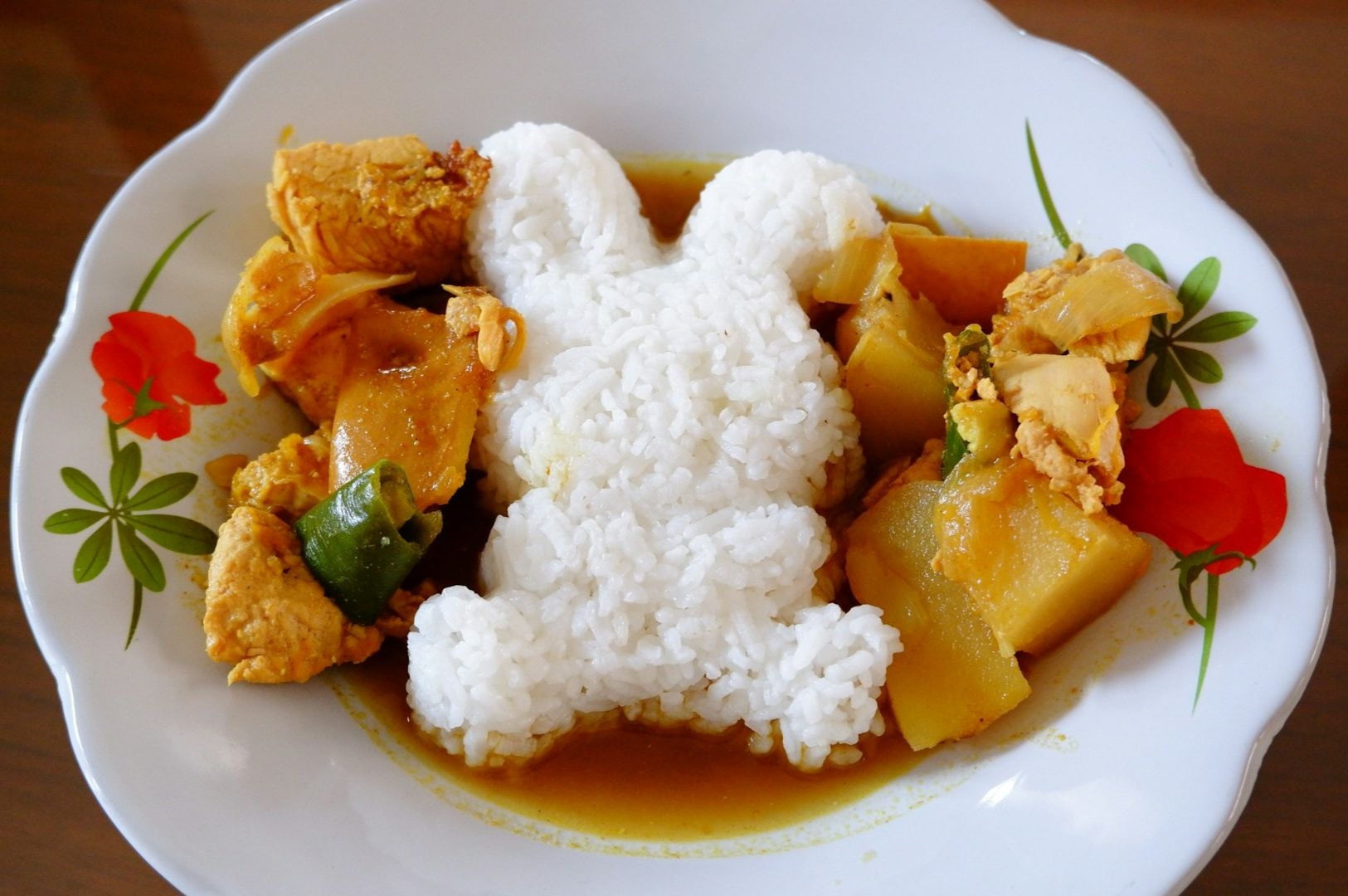
When asked about the best Japanese curry Singapore offers, opinions often vary. Some prefer a thick, sweet japanese curry sauce commonly found in department store basements, while others favor a spicier, darker variant from lesser-known neighbourhood establishments. Additionally, many highlight the quality of the crispy pork cutlet or chicken cutlet served at popular chain restaurants as a defining feature.
Everyone is certain their answer is the right one, yet no two answers are the same. This isn’t a failure to reach a consensus; it is proof of a beautiful truth. When we talk about japanese curry, we are rarely just discussing ingredients. We are defending memories, routines, and a deeply personal sense of comfort. At Singapore Best Restaurants, we welcome the idea that the “best” isn’t universal, it is a private claim. In this case, it is journey to find the best spots for Japanese Curry in this Lion City.
Exploring Singapore’s Finest Japanese Curry Restaurants
Singapore’s vibrant food scene continues to evolve, with new and exciting Japanese curry restaurants emerging alongside beloved classics. Here are some of the latest notable spots where you can enjoy authentic and innovative Japanese curry dishes:
1. Soup Curry by Ki-setsu
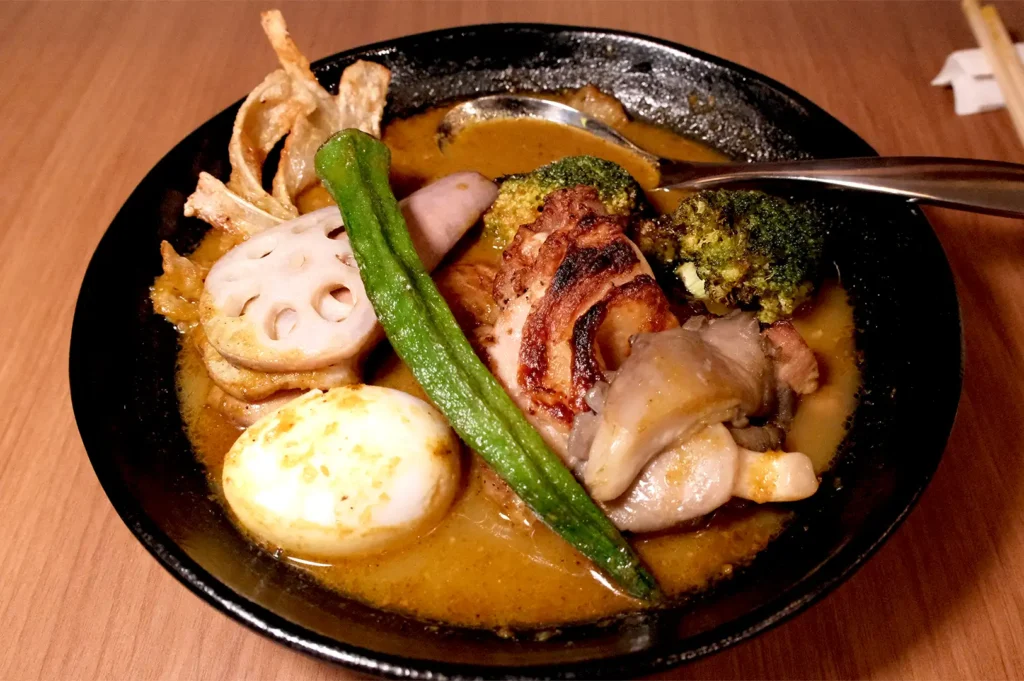
For diners used to Japanese curry as a thick curry sauce poured over rice with a crispy breaded pork cutlet, Soup Curry by Ki-Setsu offers a different interpretation of the dish. Located at Fortune Centre, this Japanese restaurant introduces hokkaido soup curry: a traditional Sapporo-style curry built around a lighter, spice-led broth rather than a heavy japanese curry roux or curry roux.
Unlike familiar dishes such as pork katsu curry rice, where rice is covered with curry and paired with tender pork cutlets or crispy katsu, Soup Curry by Ki-Setsu serves its aromatic broth separately with steamed rice. This allows diners to appreciate the balance of the hot curry, vegetables, and proteins, highlighting how authentic Japanese flavors can take a different form from the usual curry rice plate.
During its soft launch, the menu featured Chicken Soup Curry and Vegetable Soup Curry, with ingredients prepared to preserve their individual textures and flavours. The vegetables are carefully prepared, while proteins such as chicken add heartiness without relying on the richness of traditional curry dishes. The result is a lighter expression of the Japanese curry tradition, distinct from the indulgent appeal of dishes like signature pork katsu don, monster combo curry, or other Japanese curry spots serving heavier curry creations.
Soup Curry by Ki-Setsu does not aim to replace familiar favourites (from juicy meats and grilled chicken to classic curry dishes) but introduces another side of Japanese curry culture. Through its broth-led approach, the restaurant shows what makes Japanese curry so versatile, offering Singapore diners a taste of Hokkaido comfort food beyond the usual curry rice format. To find the latest updates for Soup Curry By Ki-Setsu and their opening, follow their Instagram here.
Location: Fortune Centre, #04-13, 190 Middle Road
Menu Highlights: Chicken Soup Curry and Vegetable Soup Curry with seasonal flash-fried vegetables and steamed Japanese rice.
Price Range: S$14.80 per soup curry bowl
2. Monster Planet
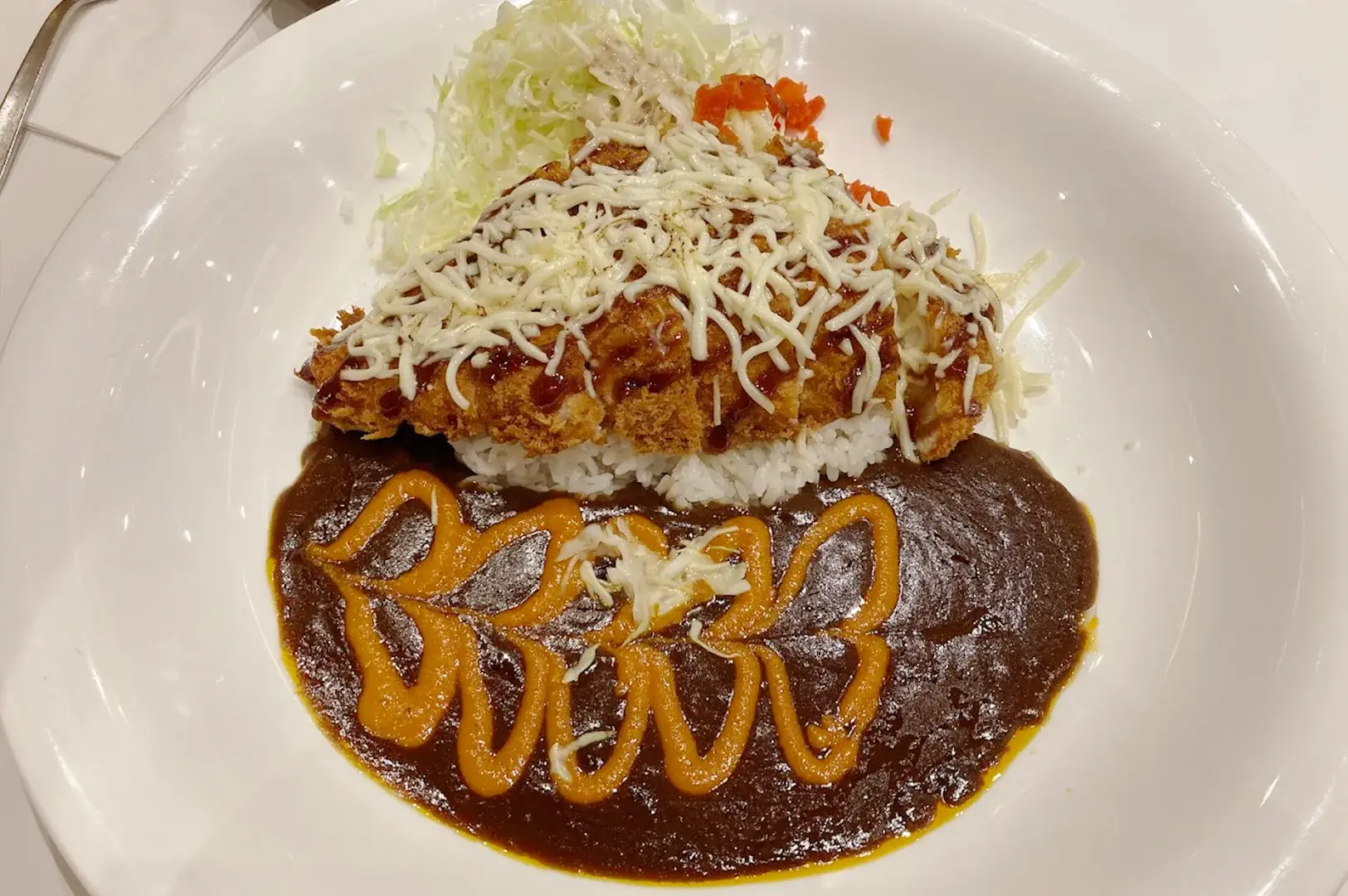
The halal-certified sister brand of Monster Curry, Monster Planet delivers the signature demi-glace curry sauce with options like the Signature Chicken Katsu Curry. It offers generous portions of Japanese curry rice with tender chicken cutlets, perfect for halal diners craving an authentic taste of curry. This is because their curry is made with a blend of 14 vegetables and spices, then cooked over two days for a thick and smooth finish.
The Signature Chicken Katsu Curry is the safer crowd-pleaser, built around a crisp cutlet, warm rice, and a rich curry sauce that leans savoury and mildly spiced before any extra heat is added. We typically enjoy bolder spice, so we chose from different spice levels, with the hottest end known as Monster Hot. The added hot sauce gives the curry a sharper kick, using ingredients such as chilli padi, garlic, ginger, and celery to cut through the richness. For a creamier finish, grated cheese can be added.
Location: Multiple outlets islandwide, including Causeway Point and Paya Lebar
Menu Highlights: Signature Chicken Katsu Curry and Monster Premium Beef Curry.
Price Range: S$15 to S$25 per person
3. Karekami
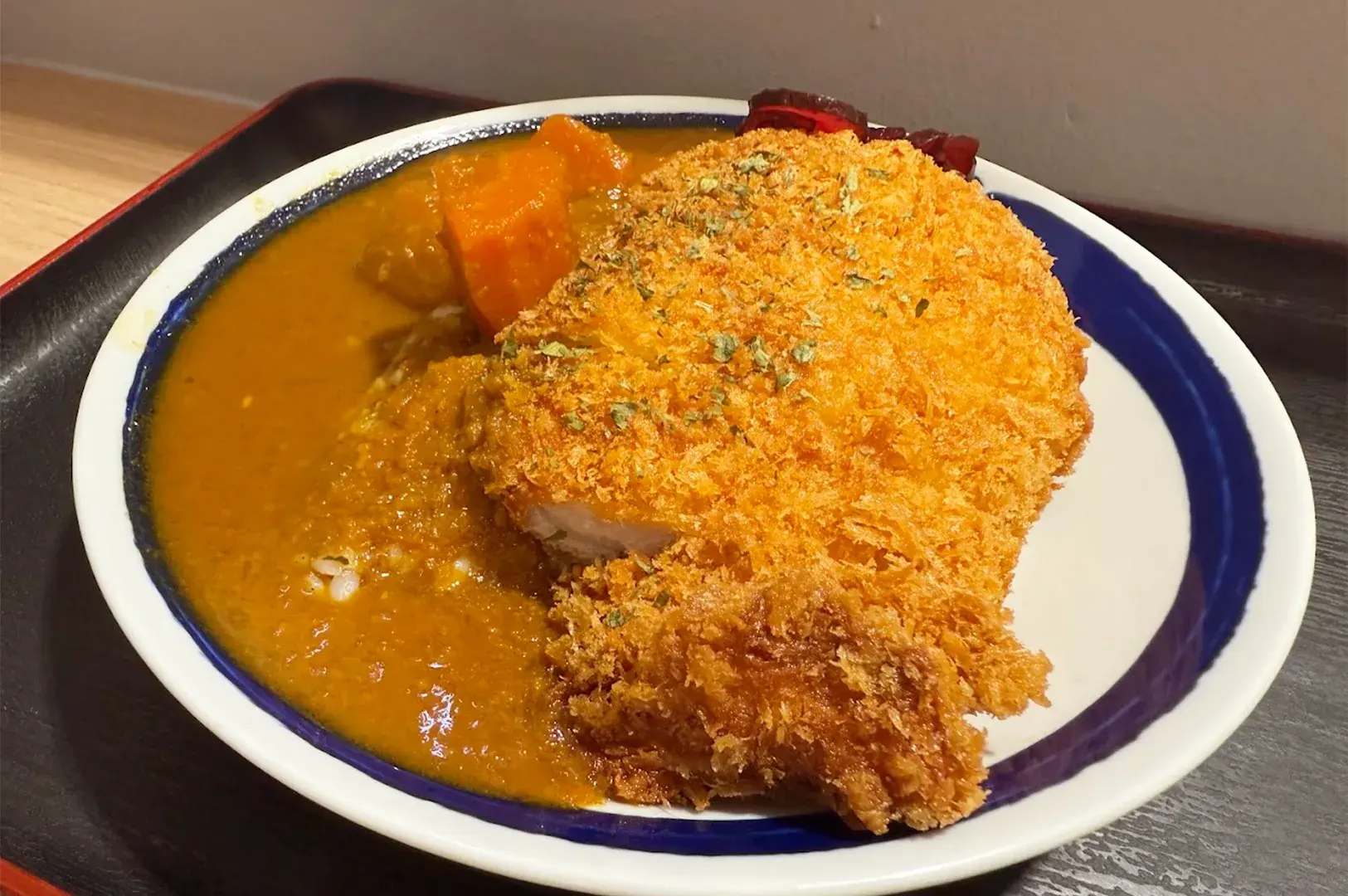
Located in Tang Plaza, Karekami offers a hearty and comforting Japanese curry rice spot with a subtle Singaporean twist. Their menu features rich and flavorful curry bowls such as the Pork Tonkatsu Curry Rice and Karaage Curry Udon, which blend traditional Japanese curry sauce with local preferences. Known for its generous portions and slightly spicier curry, Karekami caters to those seeking a satisfying meal with a balance of an extra kick and sweetness.
The classic katsu is also one of the stronger choices here, especially for diners who enjoy contrast in texture. The cutlet is deep fried until crisp, with fresh Japanese breadcrumbs giving the exterior a light crunch before the curry softens each bite. The sauce carries the familiar rounded sweetness of Japanese curry, but the use of various spices gives it enough depth to keep the dish from feeling one-note.
The overall experience is casual, quick, and well-suited for Orchard Road diners looking for a reliable Japanese curry stop without a long sit-down commitment. Since Karekami sits within Tang Plaza, it works especially well for a lunch break, post-shopping meal, or simple dinner in town. Its focus on high quality ingredients makes it feel more complete than a basic curry counter.
Location: Tang Plaza, Orchard
Menu Highlights: Pork Tonkatsu Curry Rice and Karaage Curry Udon, blending traditional Japanese curry sauce with local preferences.
Price Range: S$15 to S$25 per person
4. Japan Rail Cafe
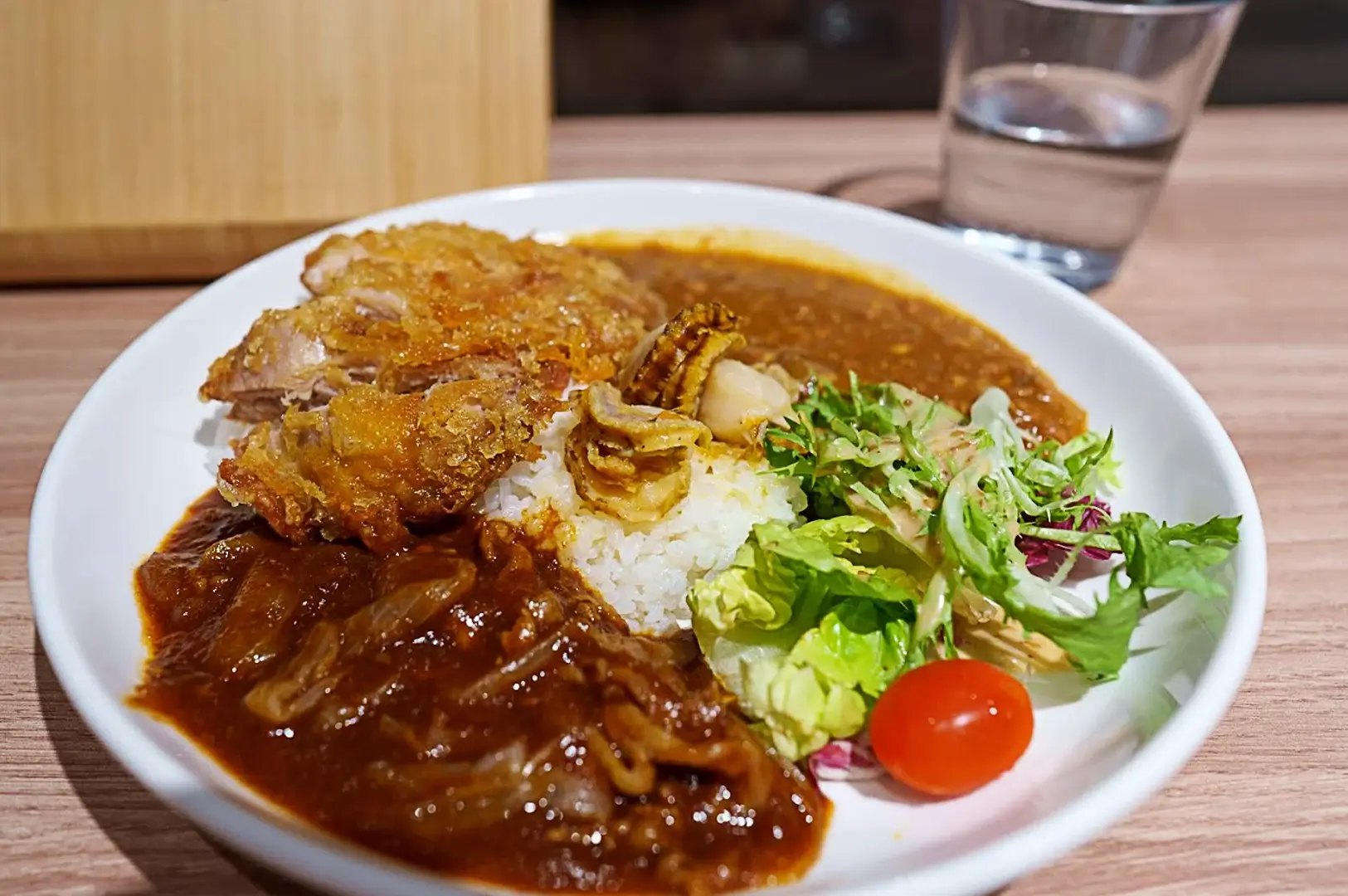
Operated by the East Japan Railway Company (JR East), among all japanese curry places, this unique café combines authentic Japanese curry with a cultural experience. Visitors can enjoy distinctive dishes like Watashino Curry Rice and Watashino Hayashi Rice. The café also serves as a hub for Japan travel information and rail pass sales, making it a destination for both food lovers and travelers interested in Japanese cuisine and culture.
The Watashino Curry Bento is especially suited to diners who enjoy a more peppery depth rather than a purely sweet finish. Its black curry carries a gentle heat from the spice blend, while the crispy chicken cutlet and fried egg add texture and weight to the meal. The Watashino Hayashi Bento offers a softer contrast, leaning into the rounded comfort of demi-glace and beef flavours instead of spice. It is a good option for diners who prefer something hearty but less sharp, with a sauce that feels closer to a slow-cooked stew than a curry.
Both dishes fit the café’s travel-inspired concept well, giving diners a taste of familiar Japanese comfort food while surrounded by rail-themed touches, Japan travel displays, and a setting that feels more like a casual stopover than a standard restaurant visit.
Location: Guoco Tower, Tanjong Pagar
Menu Highlights: Watashino Curry Rice (a thick black curry with a peppery spice profile) and Watashino Hayashi Rice (a demi-glace based beef dish).
Price Range: S$18 to S$28 per person
5. Kuro Kare
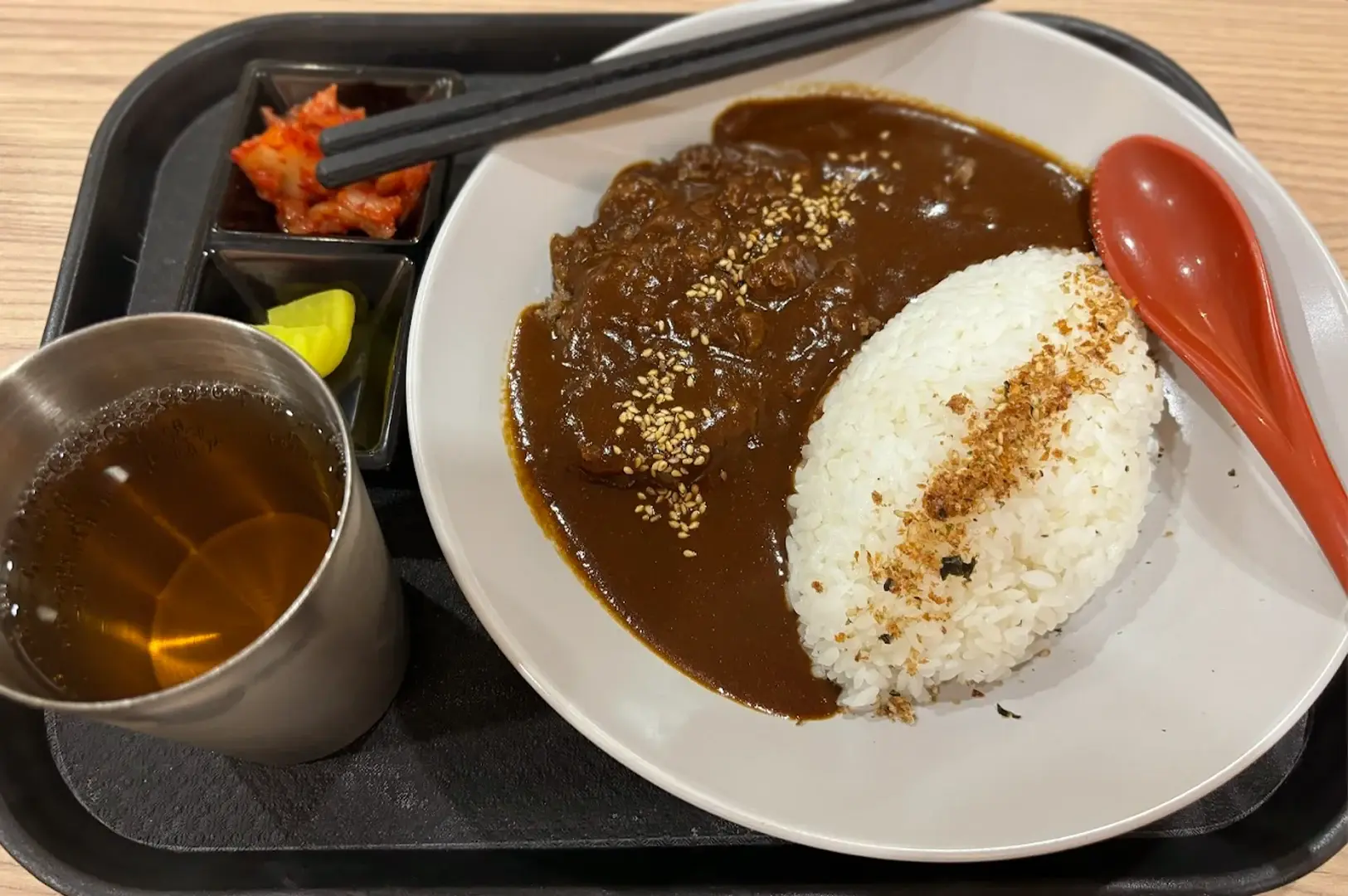
Known for its luxurious black curry and premium ingredients such as thinly sliced Australian ribeye and Spanish pulled pork, Kuro Kare is a Japanese French Singaporean Restaurant offering a refined curry experience. Their black curry is slow-cooked for over 36 hours using 25 ingredients, resulting in a rich, complex flavor profile that stands out in Singapore’s Japanese curry scene. Signature dishes include Melty Beef and Kuro Fried Chicken, paired with fluffy rice to soak up the distinctive curry sauce.
Location: SMU / Bras Basah district
Menu Highlights: Melty Beef and Kuro Fried Chicken, paired with fluffy rice to soak up the distinctive dark curry sauce.
Price Range: S$20 to S$35 per person
6. Maruhachi Donburi & Curry
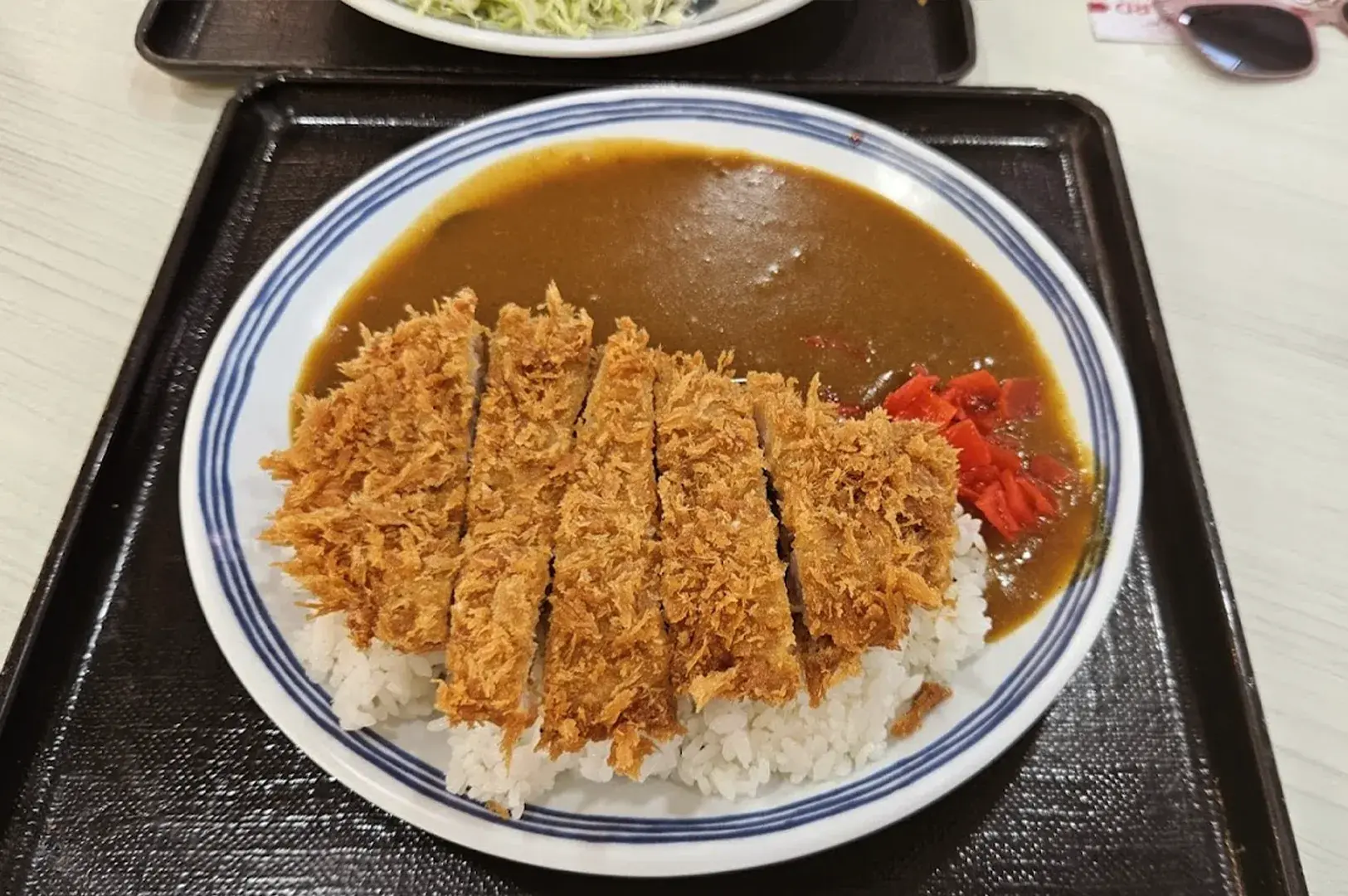
Founded by an ex-head chef of a renowned tonkatsu restaurant, Maruhachi has expanded to multiple outlets across Singapore. It is celebrated for its affordable and satisfying pork katsu curryand other Japanese curry rice dishes. The curry sauce is thick and flavorful, complementing crispy pork cutlets and other protein options like ebi prawn fry. Maruhachi’s commitment to quality and value has earned it a loyal following among curry enthusiasts.
Location: Multiple coffee shop locations, including Punggol and Edgefield Plains
Menu Highlights: Signature Pork Katsu Curry and Ebi Prawn Fry Curry.
Price Range: S$10 to S$18 per person
7. Coco Ichibanya
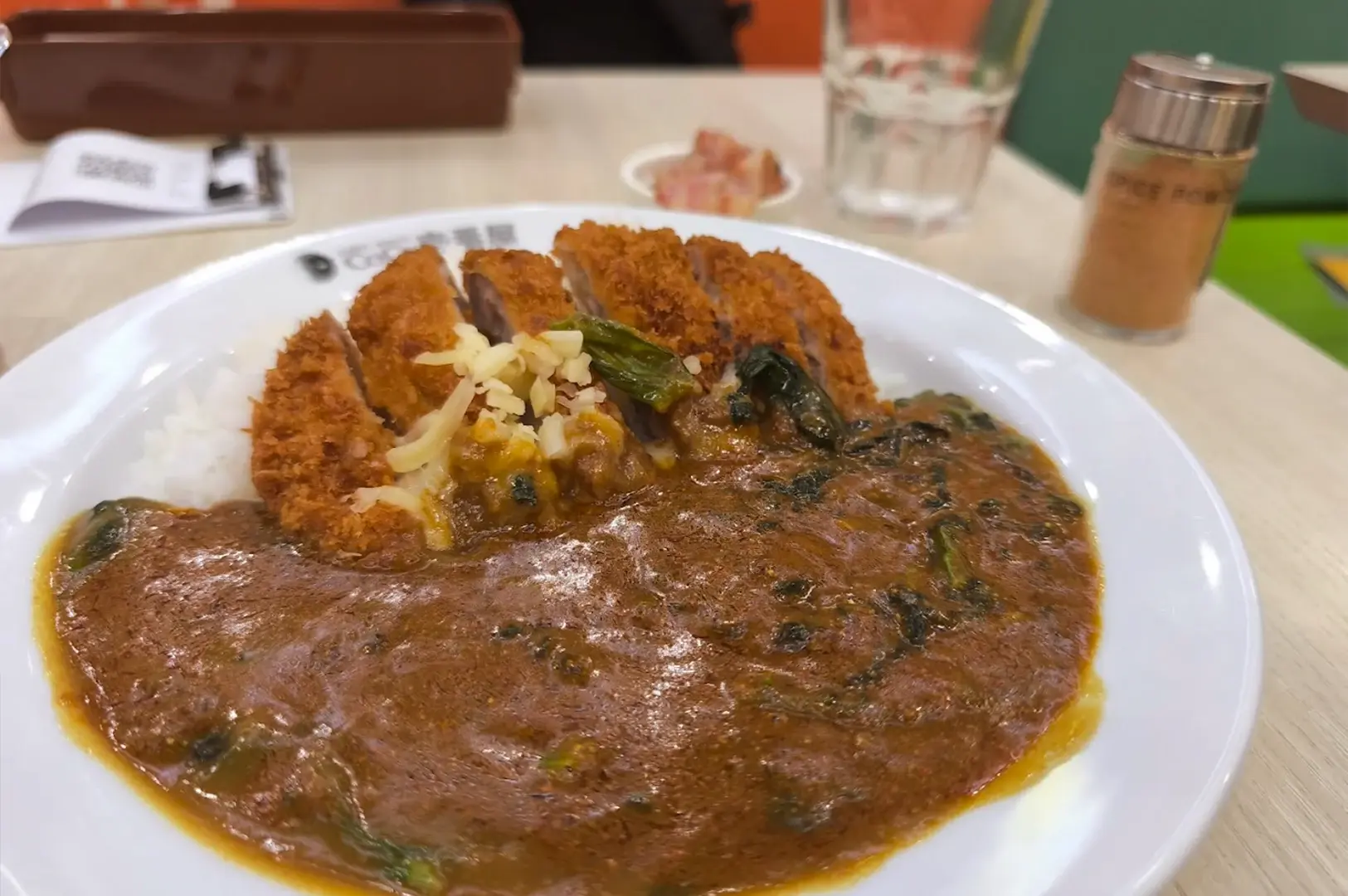
As the world’s largest Japanese curry chain, Coco Ichibanya is the ultimate destination for highly customizable comfort food. Diners can fine-tune every aspect of their meal, from the portion size of the rice to the exact spice level of the roux, ensuring that every plate meets their specific cravings.
Their Pork Loin Katsu Curry is a filling choice for those who enjoy a crisp cutlet with curry and rice. The pork loin is deep-fried until golden, giving the outside a firm crunch while keeping the meat satisfying at the centre. With curry sauce and a steady rice portion, the dish feels balanced between richness and acidity. People who prefer the brand’s charcoal-grilled side can look toward its grilled pork loin sets, where the meat’s nutty flavour comes through more directly without being fully covered by curry.
The overall restaurant experience is casual, efficient, and built around everyday Japanese dining rather than formal service. What gives Gochi So Shokudo its appeal is the way it keeps premium pork approachable, serving Iberico and Kurobuta-style dishes in familiar formats such as curry rice, tonkatsu, donburi, and bento sets.
- Menu Highlights: Pork Cutlet Omelette Curry and the classic Chicken Katsu Curry, topped with additions like melted cheese or spinach.
- Price Range: S$15 to S$25 per person
- Location: Multiple outlets islandwide, including 313@Somerset and Bugis+
8. Gochi So Shokudo
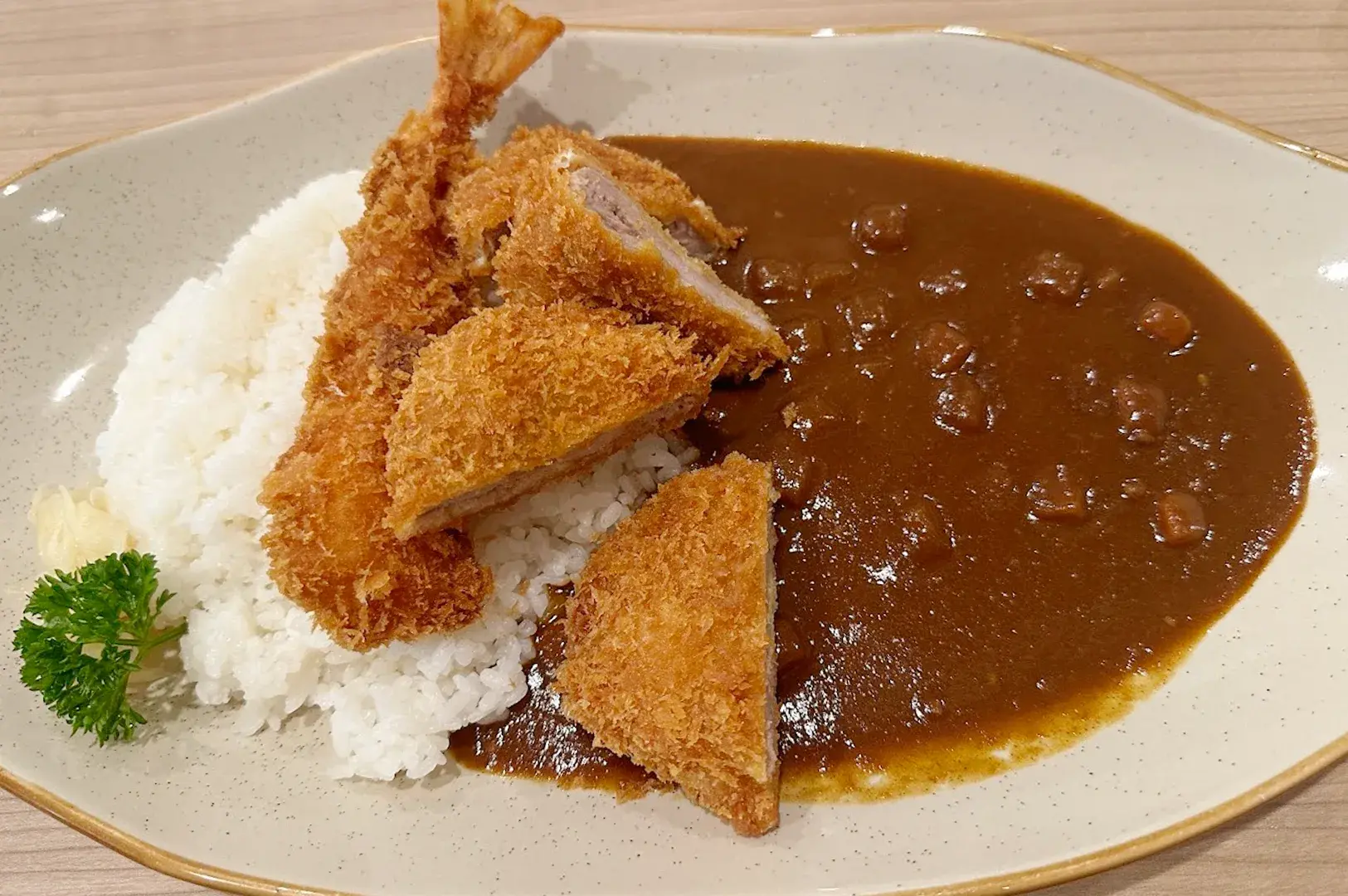
Gochi So Shokudo elevates the traditional curry experience by specializing in premium cuts of Spanish Iberico pork. The rich, nutty flavor profile of the high-grade pork pairs exceptionally well with their deeply savory, homestyle Japanese curry sauce, creating a luxurious yet accessible dining experience.
- Menu Highlights: Iberico Loin Katsu Curry and Iberico Pork Belly Rice.
- Price Range: S$15 to S$28 per person
- Location: Multiple outlets islandwide, including Westgate and Jewel Changi Airport
The Routine of the Roux: Not Just About Great Value
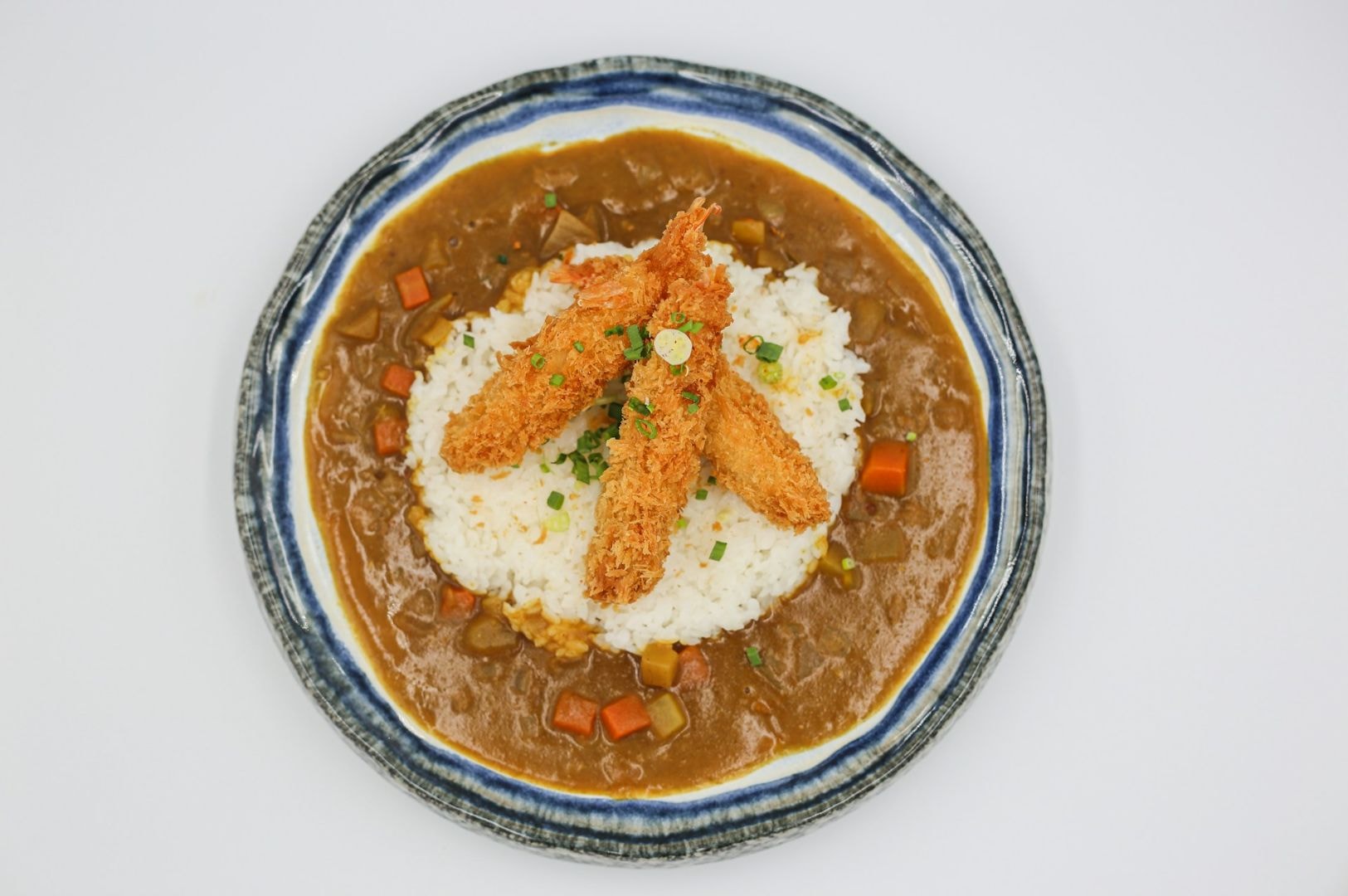
Our preferences for food are often shaped early in life and closely linked to personal experiences. For many, japanese curry rice is associated with specific memories such as family meals, cultural media, or study routines. These experiences influence individual tastes and contribute to the dish’s popularity as a comfort food.
Texture, Flavor, and Selections: Chicken Katsu Curry Rice and More
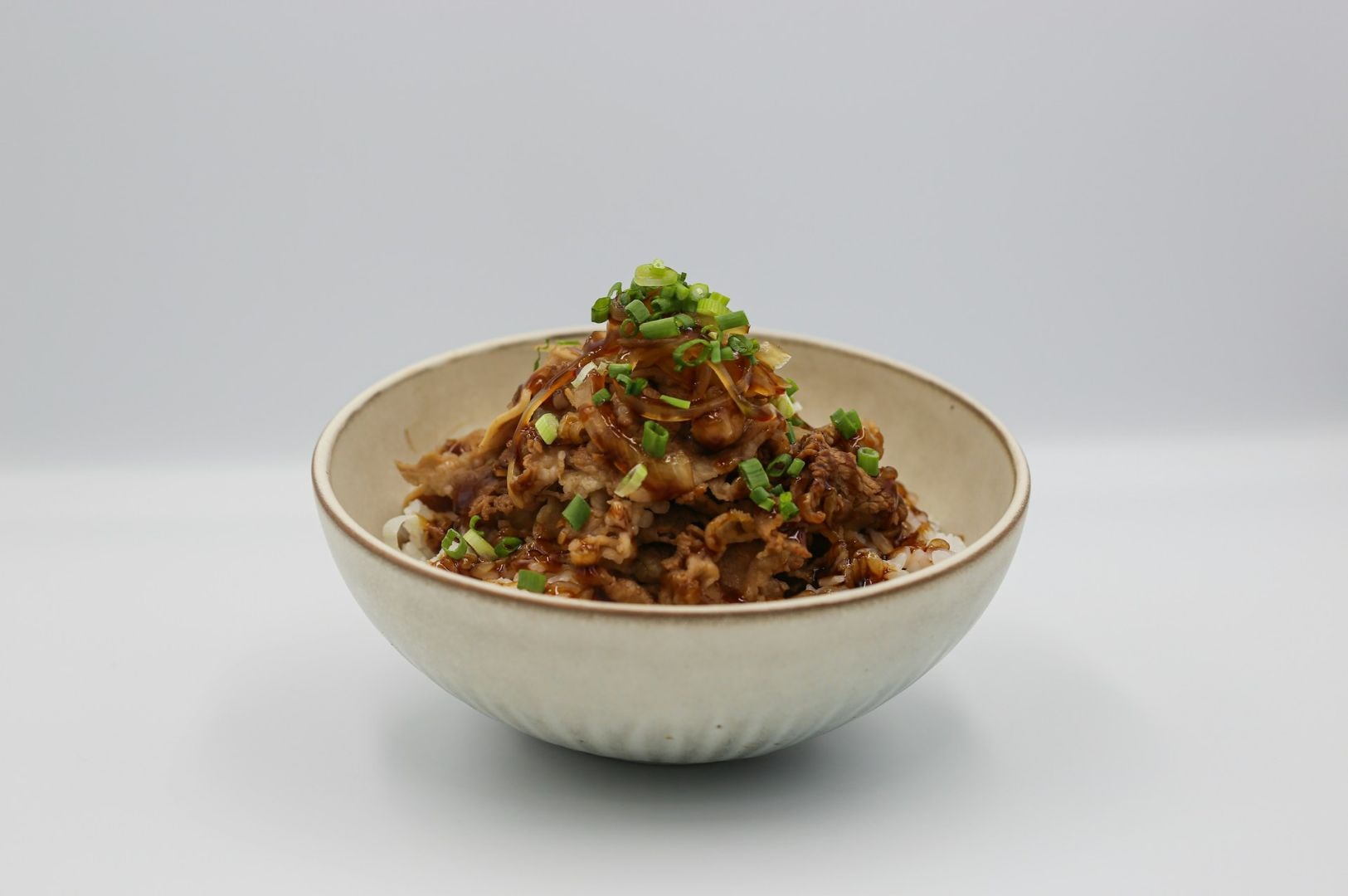
Beyond memory, every diner has their own specific blueprint for the perfect plate of katsu curry rice. There is no single standard for excellence. Some of us crave a thick, almost stew-like curry sauce that clings to every grain of fluffy rice, rich with the sweetness of caramelized onions and apples. Others prefer a runnier, darker roux with a complex, slightly bitter profile and a surprising kick of spice at the end.
The Individuality: Curry Sauce and Chicken Cutlet Preferences
The debate extends to every component on the plate. Do you prefer pork katsu, chicken katsu, hamburger steak, or mille feuille katsu? Should the katsu be thin and crispy, or thick and juicy like pork fillet katsu curry or bellota loin katsu curry? Or perhaps a wholesome vegetable curry suits you better. Is the rice fluffy or slightly sticky to hold the sauce? Many restaurants let diners choose spice levels, from mild to slightly spicier. These choices are key to finding the best japanese curry Singapore offers, matching your personal taste and texture preferences.
From hearty Japanese curry rice to exquisite dining experiences, those who appreciate authentic Japanese cuisine may also enjoy the refined seasonal seafood offerings at one of the best omakase in Singapore.
Discovering Notable Japanese Curry Dishes and Places
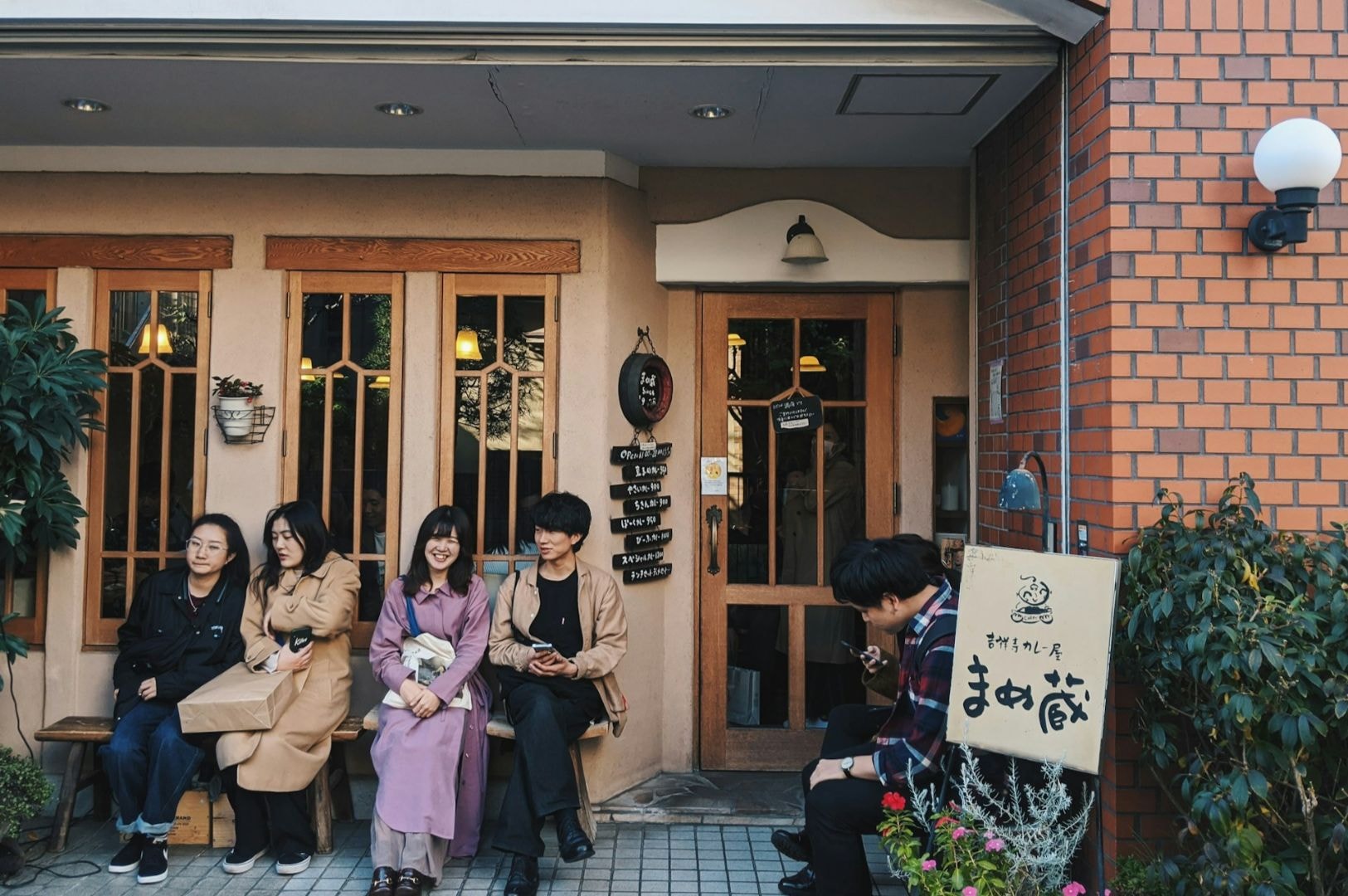
From the award-winning Maji curry, famous for specialty sets like Hamburger Steak Sauce Curry Rice and Tonkatsu Omelette Curry, to Coco Ichibanya, Singapore’s leading Japanese curry chain offering customizable Chicken Katsu curry rice, the city boasts a rich variety for curry lovers. Popular dishes include Pork Katsu curry, pork cutlet omelette curry, Tori Karaage curry, and innovative options like Tomato omelette curry and creamed mushroom omelette curry.
Seafood fans can enjoy mix tempura curry, seafood curry, and seafood katsu curry, featuring fried fish fillet, crunchy shrimp tempura, and ebi prawn fry. Meat lovers have options like iberico pork belly rice at Gochi-So Shokudo, known for premium Iberico pork dishes, and spanish pulled pork or thinly sliced australian ribeye at Kuro Kare, specialists in rich black curry.
Personal Meaning of The “Best” Japanese Curry Rice
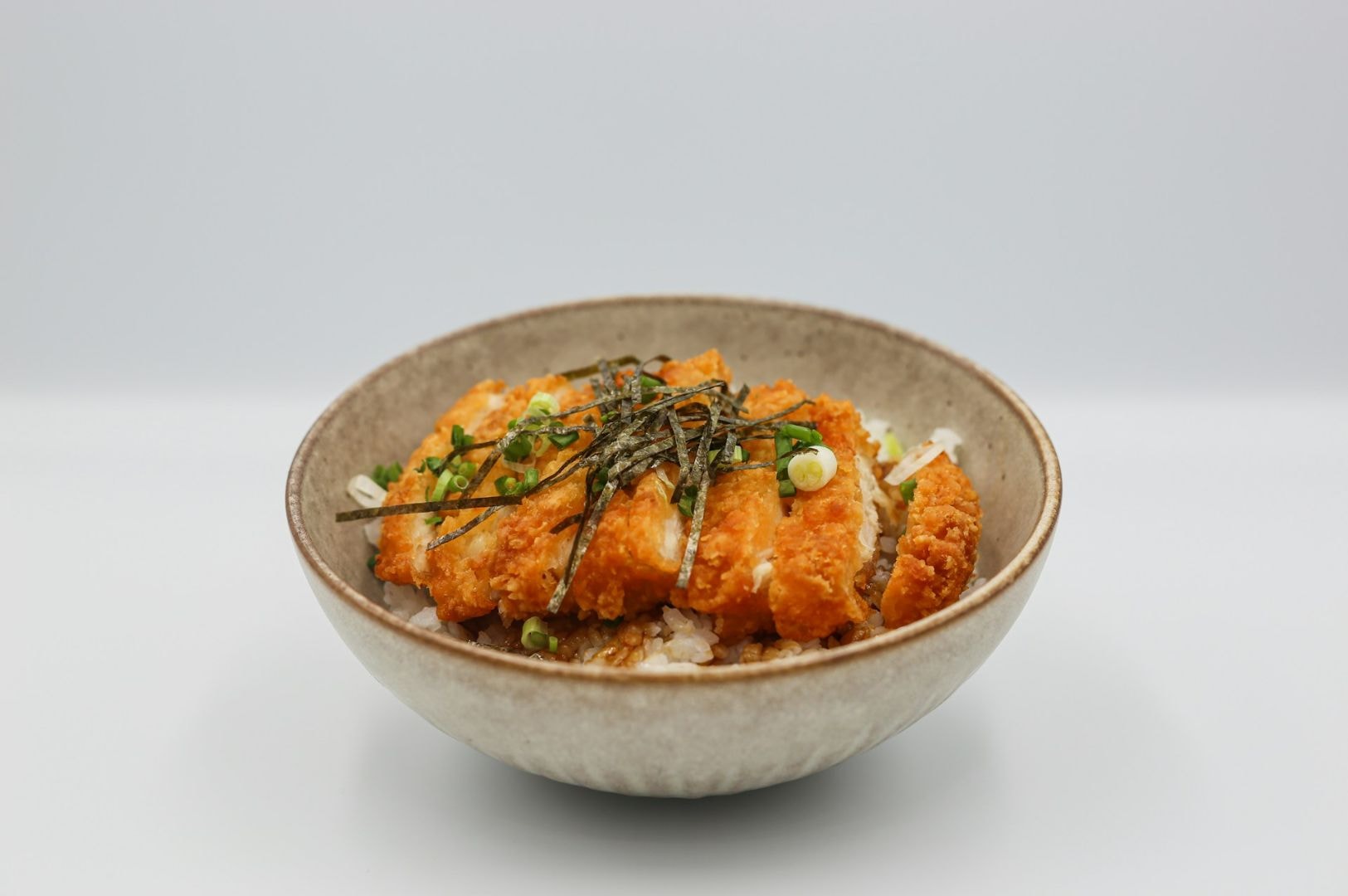
Ultimately, the quest for the best japanese curry rice Singapore can offer has no definitive answer, no final ranking that can settle the debate. For some diners, a satisfying Japanese curry means thick roux, crisp katsu and rice coated in sauce. For others, it may be a lighter soup curry, a spicier bowl or one of the many other curries that interpret Japanese comfort food differently.
The “best” curry is the one that comforts you on a tough day, the one that reminds you of a happy memory, or the one that simply hits all the right notes for your palate at that specific moment. Instead of searching for a universal champion, perhaps we should celebrate the diversity of our tastes. The best curry is not a destination to be found on a map; it is a feeling to be discovered, one delicious, personal plate at a time.
